BAKU, Azerbaijan, February 16. Azerbaijan’s
socio-political landscape has taken a turn, with recent
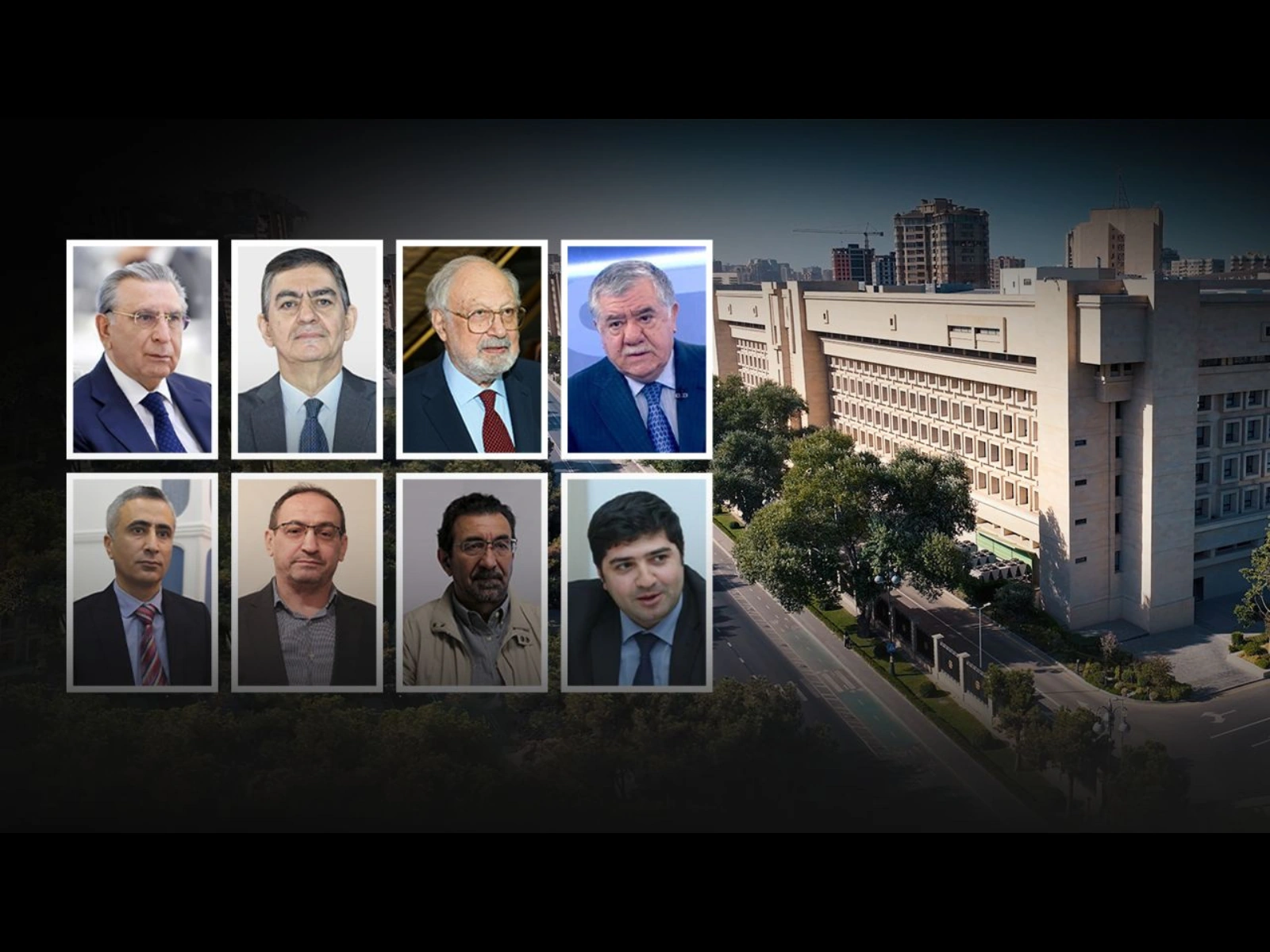
investigative materials and media reports shedding light on Ramiz
Mehdiyev and the informal political network that has sprung up
around him. The emerging picture points not only to the activities
of specific individuals but also to the existence of a
long-established shadow influence system that continues to operate
in various forms. Mehdiyev is the linchpin of this system, while
characters like Ali Karimli, Ganimat Zahid, Fuad Gahramanli, and
Mammad Ibrahim are cast as the go-betweens in the political and
informational arena.
Although Mehdiyev, who held one of the most influential
positions in state administration for many years, seemed to step
back from the political arena after losing his official clout, his
shadow still loomed large. Instead, it was said to be reshuffled
and kept afloat through different avenues.
The persistent climate of dissatisfaction in media and public
discourse in recent years, along with coordinated criticism
targeting reforms and the country’s leadership, is presented as a
deliberate strategy rather than coincidence—reflecting the
unwillingness of former power holders to accept new realities.
This activity has taken the form of passive resistance rather
than open political struggle. It's not about rallies or direct
calls to action but about quiet yet ongoing manipulation in the
information space. Reforms are systematically discredited, new
governance mechanisms portrayed as unreliable, and distrust toward
decision-making centers cultivated in society—an approach
characterized as a classic destabilization strategy that can be
more dangerous than overt confrontation.
Investigative materials further indicate that the web
surrounding Mehdiyev is fueled not just by local political
discontent but also by overlapping interests with outside
international foreign players. Alleged links influenced by the
special services of a neighboring country are said to have
strengthened the network, turning it into part of broader regional
geopolitical dynamics. Such internal channels of influence are
considered highly valuable for external actors, as they enable a
country to be steered from within rather than from outside.
International political practice describes this pattern of
behavior as “latent influence preservation," that is, maintaining
networks of influence after retirement. Under this model, a figure
may lose formal authority but retain real leverage through informal
media control, loyal cadres within state structures, and strategic
intervention in public opinion. One of the most concerning aspects
of this shadow mechanism is its alleged control over public
discourse. Despite remaining outside formal power, Mehdiyev and his
network are portrayed as staying active in the information space,
facilitating the circulation of narratives aligned with foreign
interests. For Mehdiyev, Ali Karimli and his political circle were
a key cog in this intricate machinery. The lost leverage within the
state was compensated for through the opposition and the media.
The main paradox presented is that a group positioning itself as
opposition is depicted as a continuation of the old system. Their
main problem is not the current government but the reforms being
carried out because the reforms are destroying the network of
patronage and influence that Mehdiyev has built over the years and
are dismantling the informal governance built on personal
loyalties. Consequently, resistance to change is framed in the
rhetoric of democracy and freedom while, in essence, aiming to
preserve previous positions of influence.
Overall, the unfolding situation portrays Mehdiyev and those
around him not merely as political actors but as remnants of an
outdated governance model operating in the shadows. The ongoing
investigation is characterized not only as a matter of legal
accountability but also as a stage in the state’s effort to cleanse
itself of entrenched informal influence because the issue is about
not just the destiny of individual figures but the dismantling of a
system seeking to govern the state’s future from behind the
scenes.
Stay up-to-date with more news on Trend News
Agency's WhatsApp channel