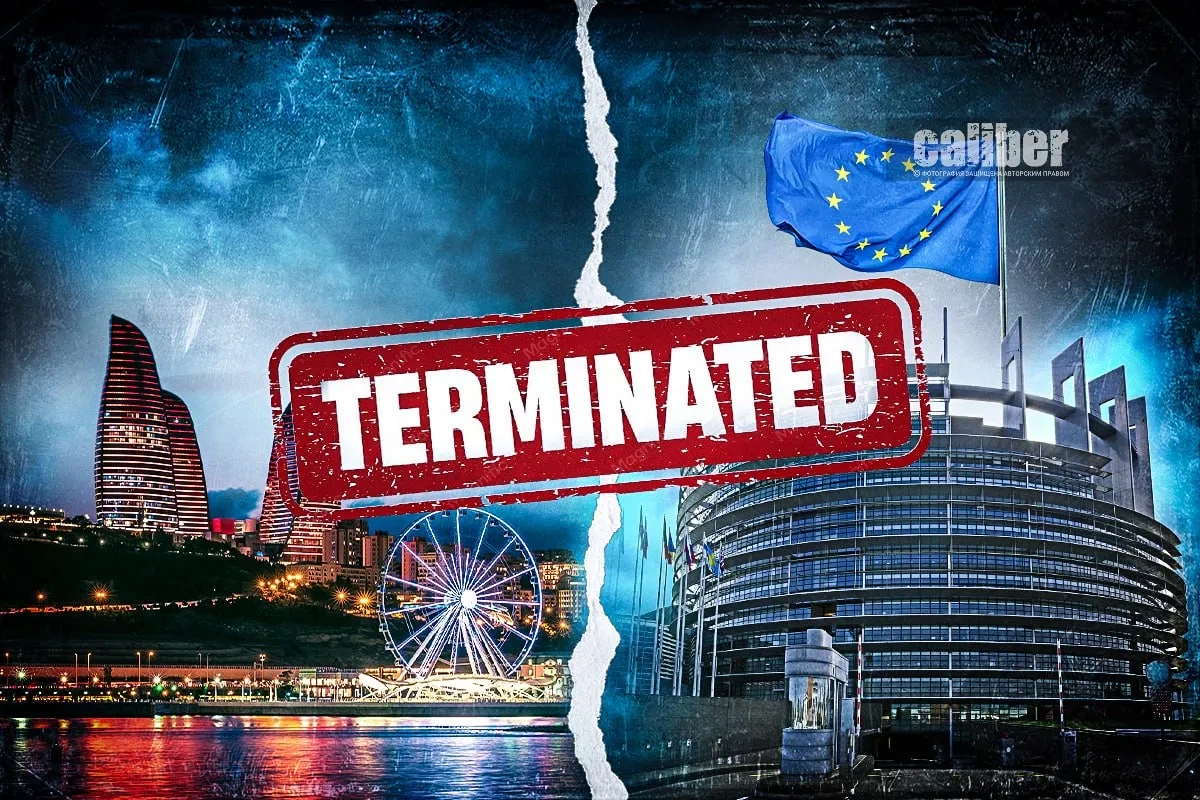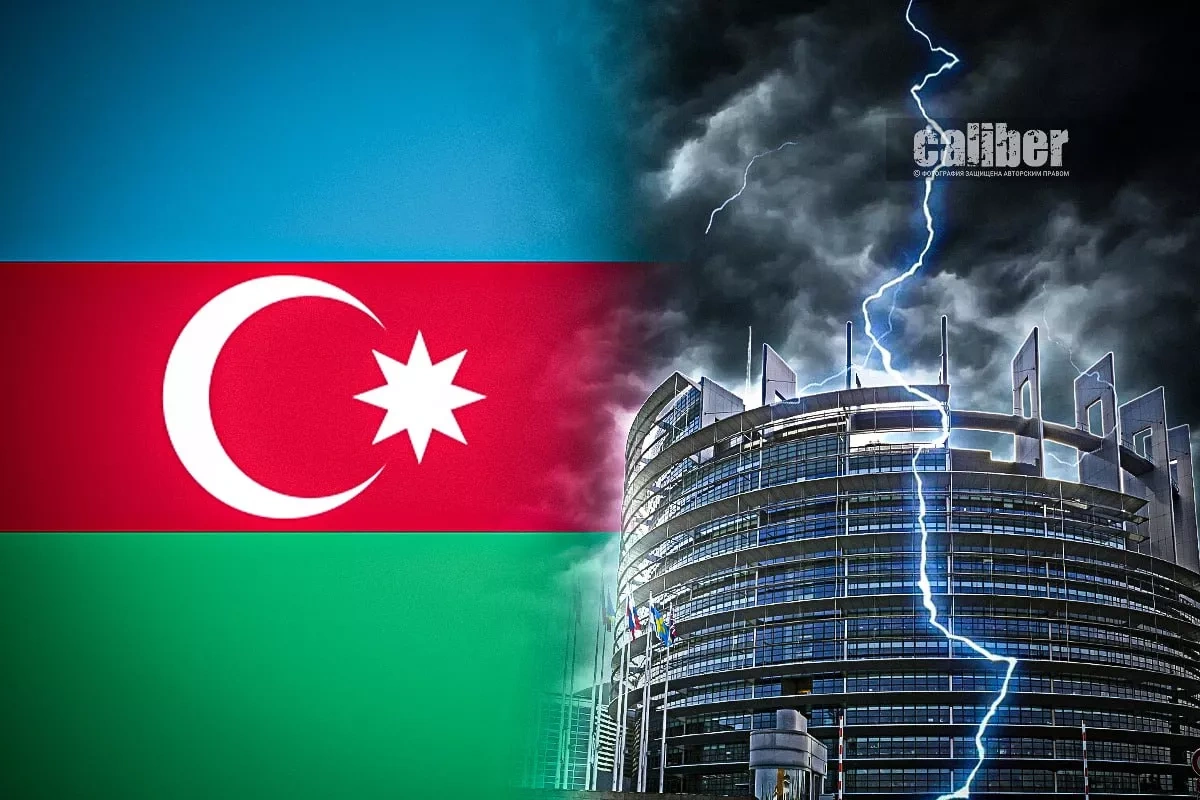
The decision of the Milli Majlis (parliament) of Azerbaijan to suspend cooperation with the European Parliament (EP) in all areas and to initiate the procedure for withdrawal from the Euronest Parliamentary Assembly came as an extremely unpleasant surprise for a number of European politicians who possess sound judgment and firm moral principles.
To begin with, it should be noted that this decision of the Milli Majlis was a response to the permanent hostile stance that the EP has taken toward Azerbaijan for many years. Its resolution of April 30 of the current year titled “Supporting Democratic Resilience in Armenia,” which contains anti-Azerbaijani narratives, became the final straw that overflowed Baku’s patience.
President Ilham Aliyev has repeatedly spoken about the bias and unfounded nature of the accusations levelled against Azerbaijan by certain EU structures. In particular, speaking at a European Political Community summit via videoconference, the head of state stated that the European Parliament and the Parliamentary Assembly of the Council of Europe (PACE) are sabotaging the peace process between Baku and Yerevan.
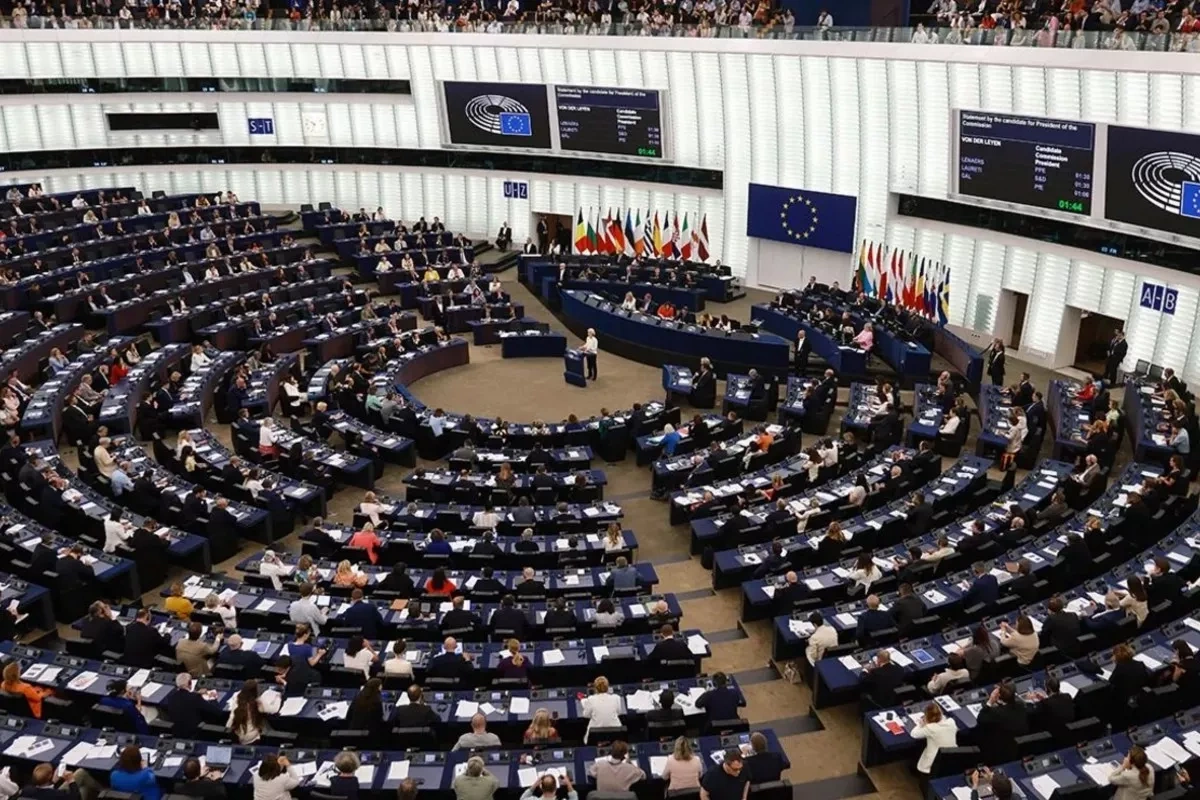
Notably, the destructive activity of the European Parliament has also provoked justified indignation among a number of MEPs, clear evidence of which was the debate that unfolded within its walls on May 21 at the close of the plenary hearings, when a group of parliamentarians criticised the actions of this body that led to Azerbaijan’s cessation of cooperation with it.
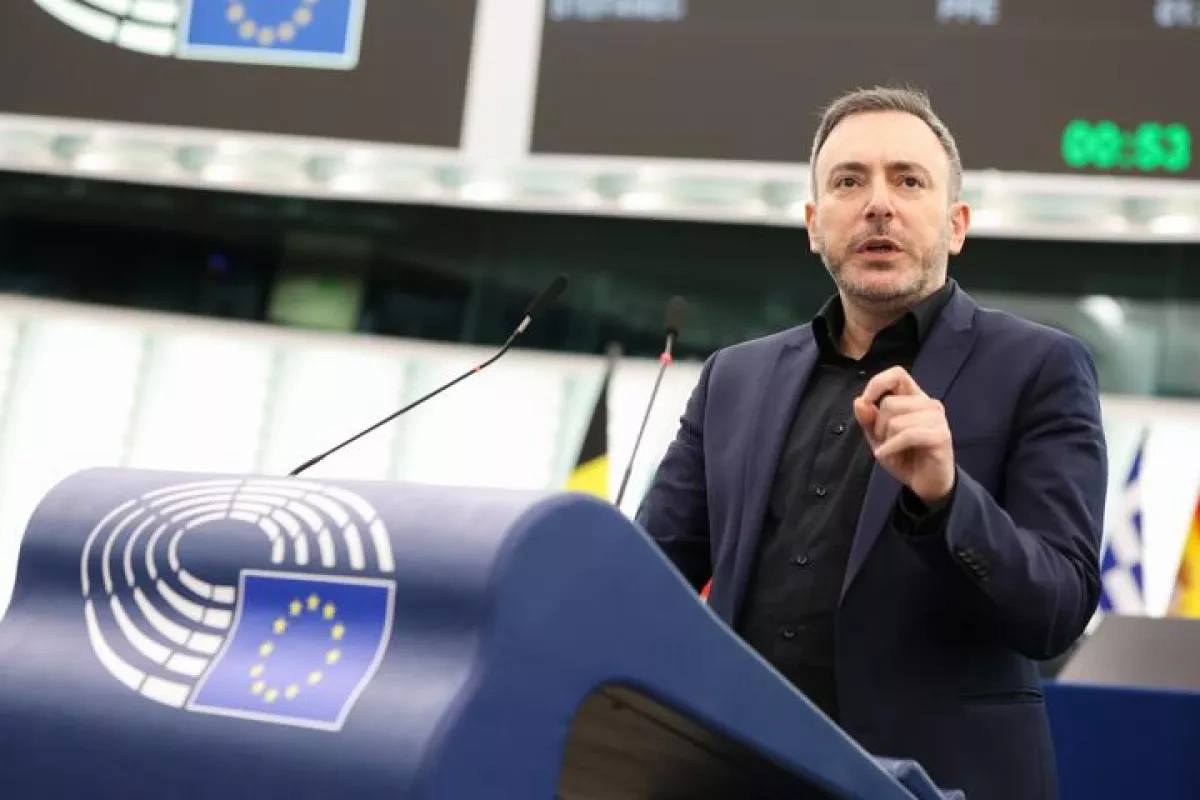
In this context, particular attention is drawn to the appeal to Baku made by the head of the European Parliament delegation to Euronest, Sergey Lagodinsky, who urged reconsideration of the decision to withdraw from the assembly. He justified his position by stating that Azerbaijan is an important part of regional dialogue within the framework of the “Eastern Partnership” programme, and that its participation is necessary for discussions devoted to the Black Sea strategy, transport connectivity, energy, digital infrastructure, and regional cooperation projects.
In other words, through his statement, Lagodinsky sent a message about the enduring value of Azerbaijan as a strategic partner of Europe in areas of vital importance for bilateral cooperation. And, as further developments showed, there were quite a number of supporters in the European Parliament of the view that Azerbaijan plays an important role for the EU, and in their speeches they all emphasised that it was precisely the actions of the European Union and the European Parliament that caused the crisis in relations with Baku.
At the same time, the speech of MEP Christian Terheș from the European Conservatives and Reformists group virtually amounted to an indictment of EU structures. He drew attention to the fact that the decision of the Azerbaijani parliament should serve as a wake-up call for Brussels, and accused the European Parliament of using the April resolution on Armenia as an instrument of pressure on Baku.
Particular attention was paid by Terheș to the fact that Armenia and Azerbaijan are currently attempting to reach a peace agreement, and in this context the actions of the European Parliament appeared politically short-sighted. Also noteworthy is the fact that the MEP criticised the general style of European policy: “This constant moralism, this obsession with ideological condemnation, is not foreign policy. It is political immaturity and geopolitical suicide.”
It is difficult not to agree with his statement, which points to a deep institutional and ideological crisis within the European Union and serves as a serious indication that the organisation is losing its status as an independent geopolitical actor.
In his speech, Terheș also did not fail to remind that it was precisely thanks to Azerbaijani “blue fuel” that Europe was able to reduce its dependence on Russian gas. And here it should be added that Baku has increased supplies via the Southern Gas Corridor, and as a result exports to European countries have risen from 8 to nearly 13 billion cubic metres per year. And this figure is set to grow.
The statements made by MEP Angéline Furet, a member of the Patriots for Europe group, were also notably well-reasoned and came as a pleasant surprise. She described the crisis in relations with Baku as a failure of the European strategy in the region as a whole.
“Azerbaijan's decision to leave Euronest cannot be considered a mere procedural step. This is a strategic punishment for Europe. We are paying for your interference and for our approach to Armenia,” she said, noting that Europe had tried to simultaneously maintain energy cooperation with Baku while increasing political pressure.
The validity of Furet’s remarks is demonstrated by the fact that, for a long time, the European Union was effectively deaf and blind to the abuses committed by Armenians in the occupied Azerbaijani territories, and to the violation of the rights of more than one million Azerbaijanis who became refugees and internally displaced persons as a result of Armenia’s aggressive policy. And when in autumn 2020 the Azerbaijani state, relying on international law and the UN Charter, restored justice on its own and liberated its territories, a fierce campaign against the country was unleashed in the European political space.
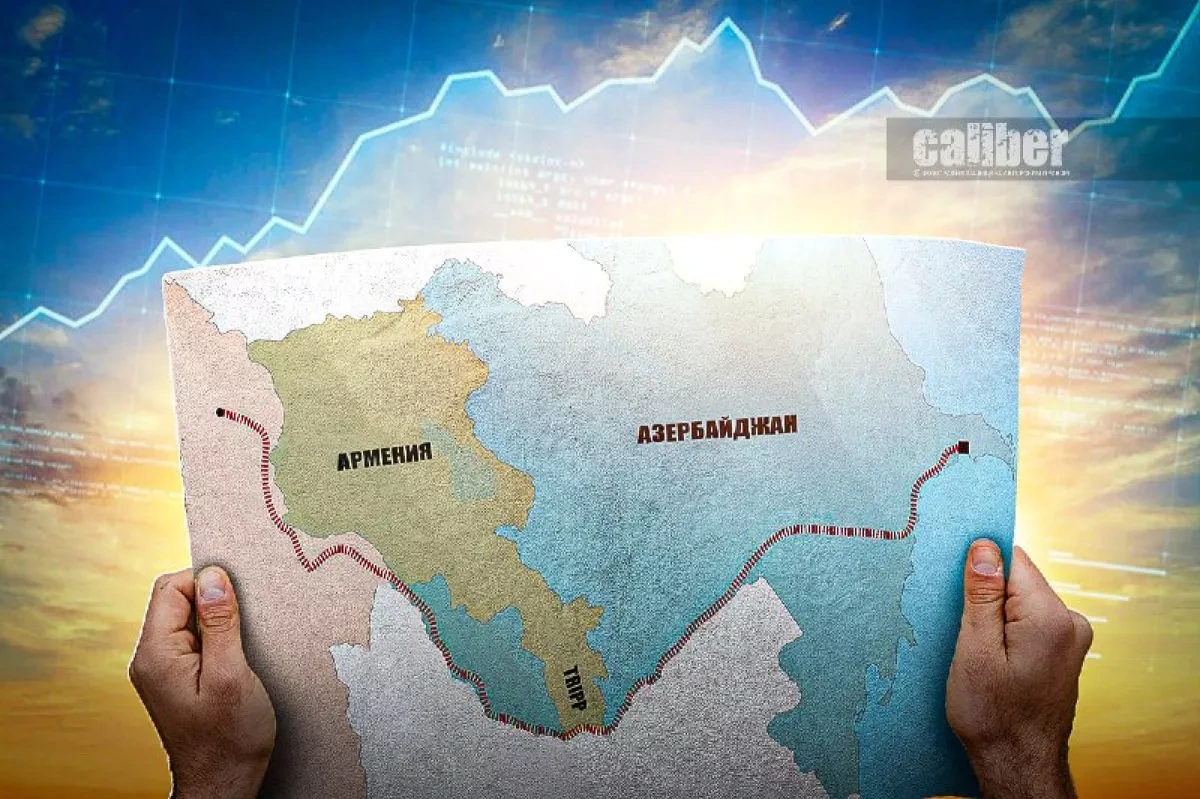
Returning to Furet’s statement, it is worth noting the geopolitical dimension she raised, directly concerning the South Caucasus in the context of U.S. policy. She emphasised that while the European Parliament was busy with declarations, the region began to reshape itself without Europe, and that the U.S. administration was able to create a transit corridor by aligning the interests of Baku and Yerevan. She paid particular attention to the fact that the new route (the “Trump Route”, TRIPP — ed.) has already acquired an economic dimension.
In essence, the MEP expressed concern that Europe has found itself isolated from key regional processes in the South Caucasus, which runs counter to the strategic interests of the Old Continent. In this regard, it is worth recalling that the European Union is actively negotiating with the United States and Armenia about its full participation in the development of TRIPP, which clearly indicates Brussels’ desire to become involved in major regional projects.
A similar view is held by MEP Thierry Mariani, who believes that the European Parliament, by adopting destructive resolutions against the Azerbaijani state, is pouring fuel on the fire. He noted that Baku had sought constructive relations with the European Parliament but closed the door due to its legitimate concerns. This line of argument is also reflected in the statements of MEP Tomasz Froelich, who linked the crisis surrounding Azerbaijan to a broader problem in the EU’s foreign policy.
At the same time, those who took an openly pro-Armenian position effectively “challenged” the more balanced members of the European Parliament. For example, MEP Per Clausen stated that Azerbaijan’s decision is regrettable but stems from Baku’s unwillingness to accept criticism, and even did not hesitate to mention “the rights of Armenians of Karabakh to language and culture.” In a similar vein, Euronest member Günther Sidl described Azerbaijan’s decision as “a disgrace” and stated that countries wishing to cooperate with the EU must respect European values and democratic institutions.
However, such speeches within the walls of the European Parliament, already saturated with an openly anti-Azerbaijani spirit, can hardly cause surprise anymore and only confirm the view that these and similar corrupt individuals are merely earning their dirty money.
What is far more important in what happened in the European Parliament is something else. This sharp polemic demonstrated that, despite the “bottomless pocket” of the Armenian lobby, voices are becoming increasingly loud in the European Parliament arguing—on the basis of solid arguments—that the corruption and bias within this legislative body must be brought to an end, as Brussels is within millimetres of permanently losing all its strategic partners, with Azerbaijan occupying the first place on that list.