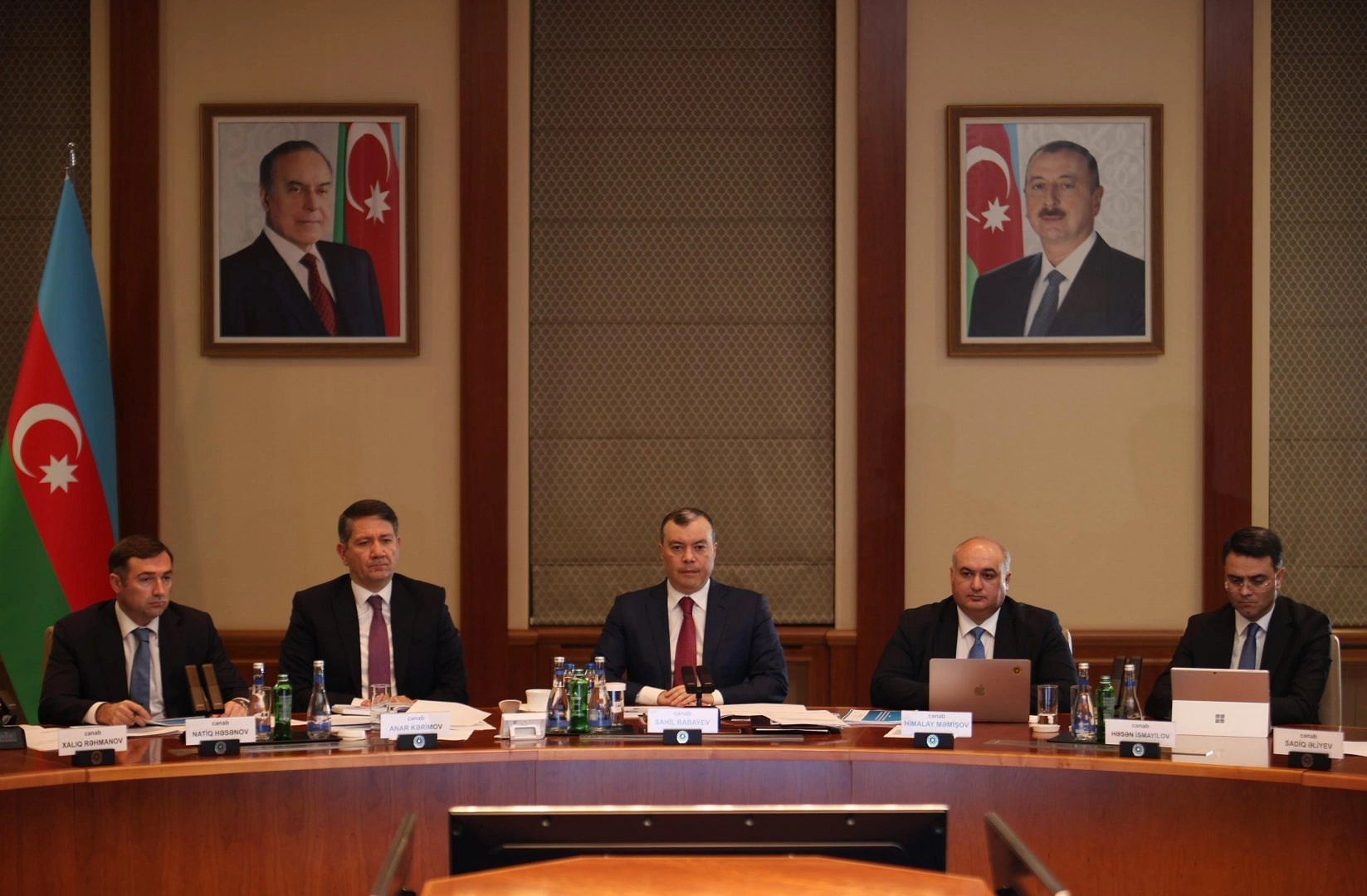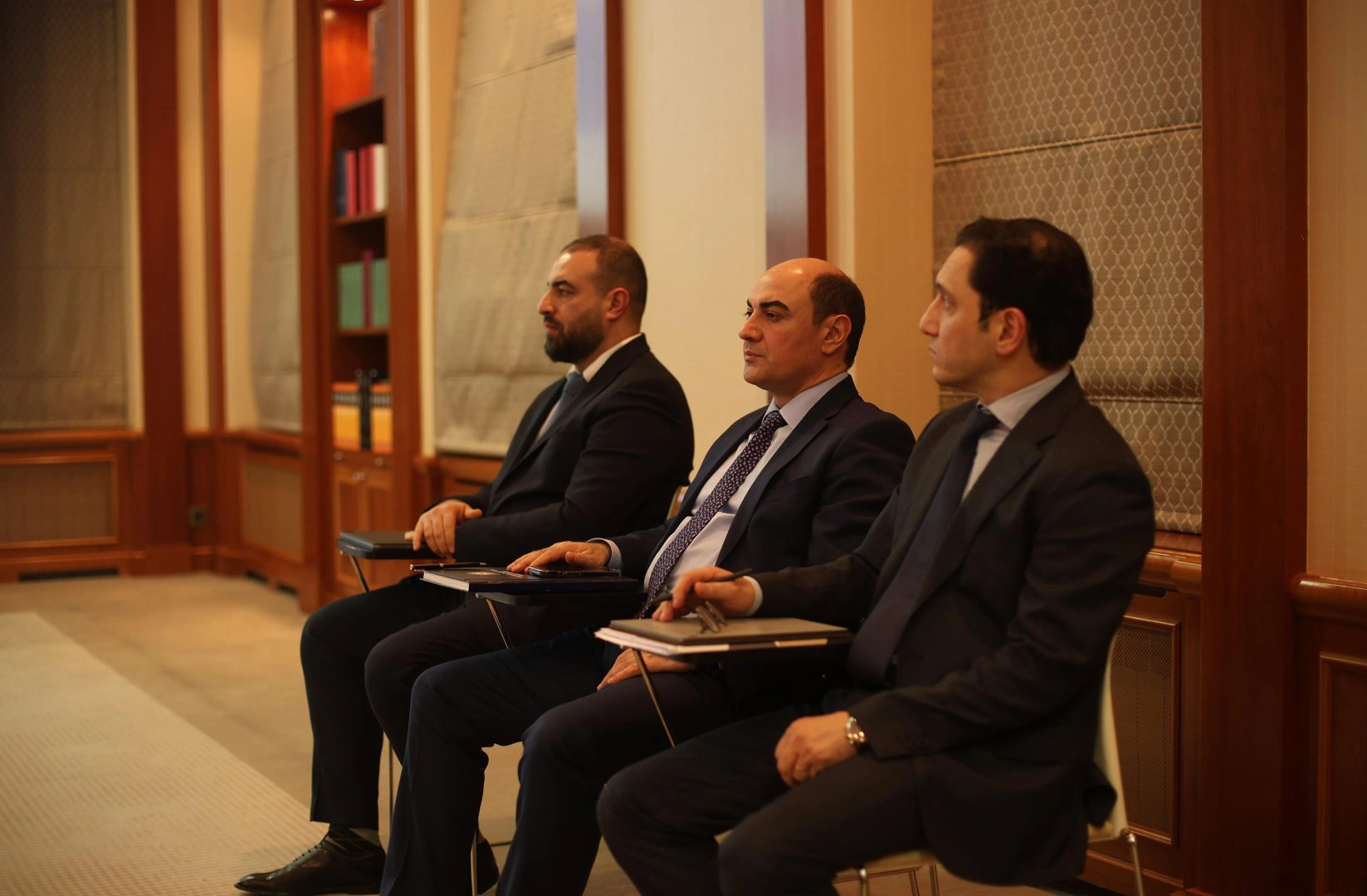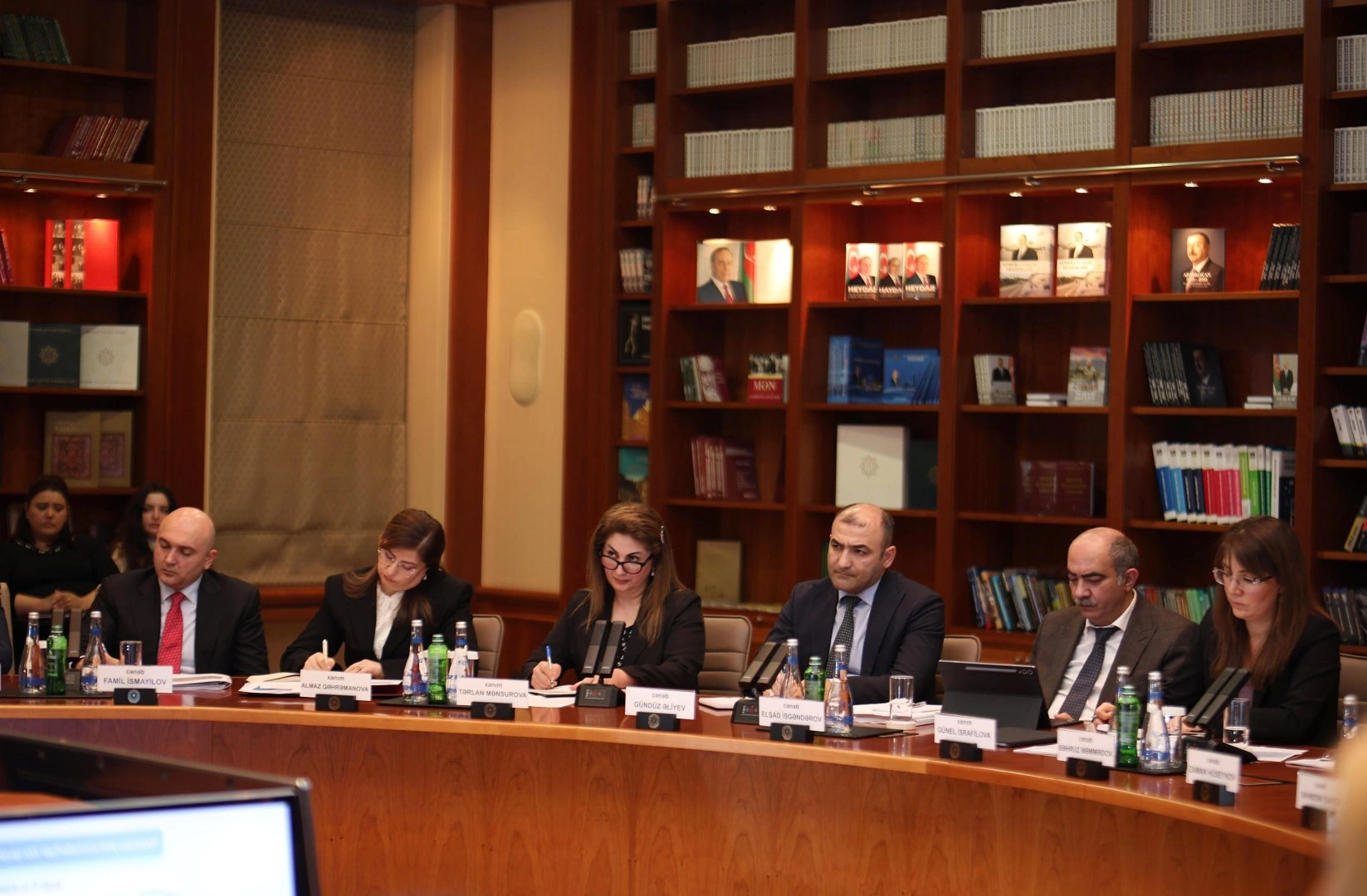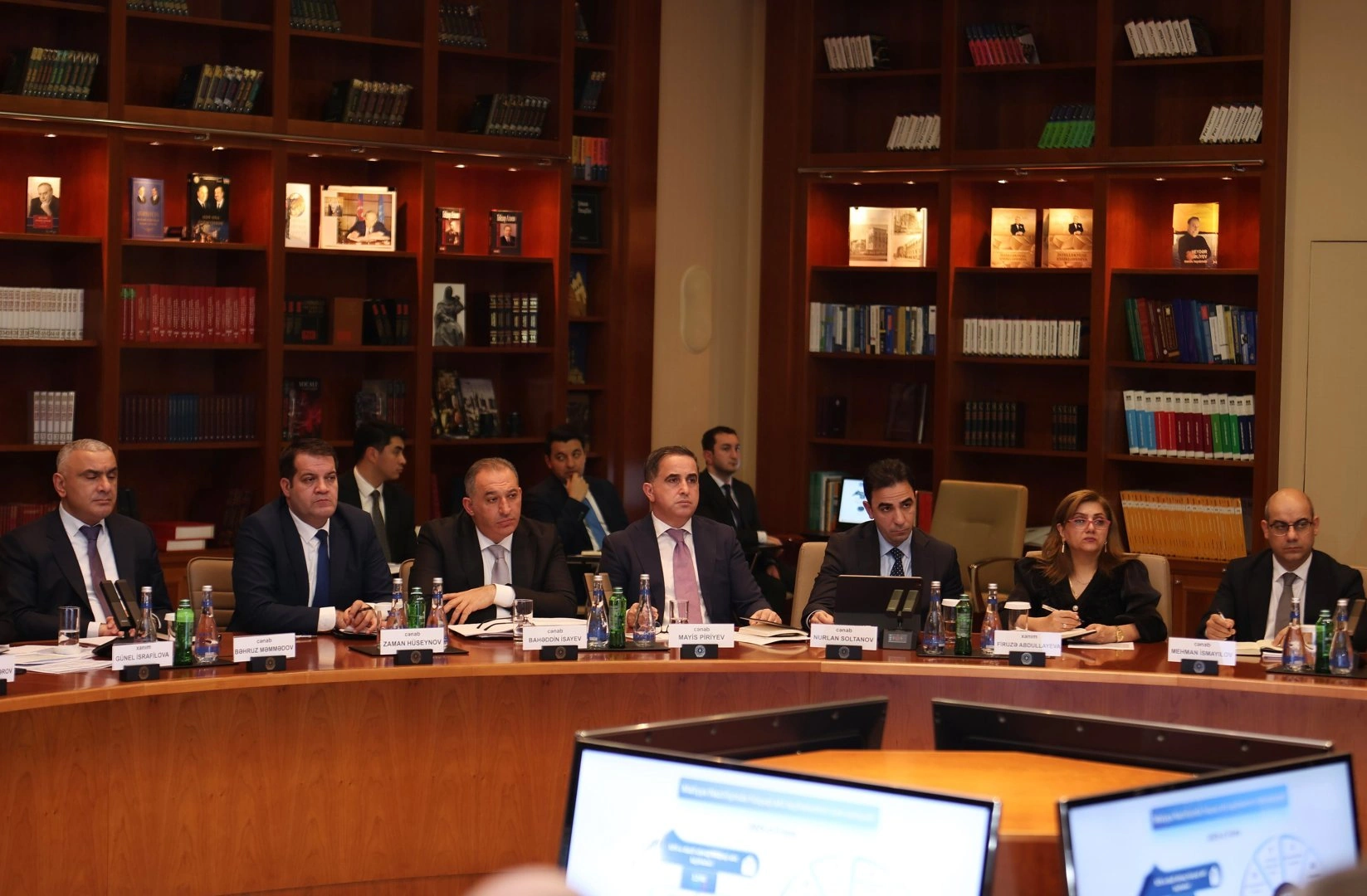
BAKU, Azerbaijan, February 18. On February 18,
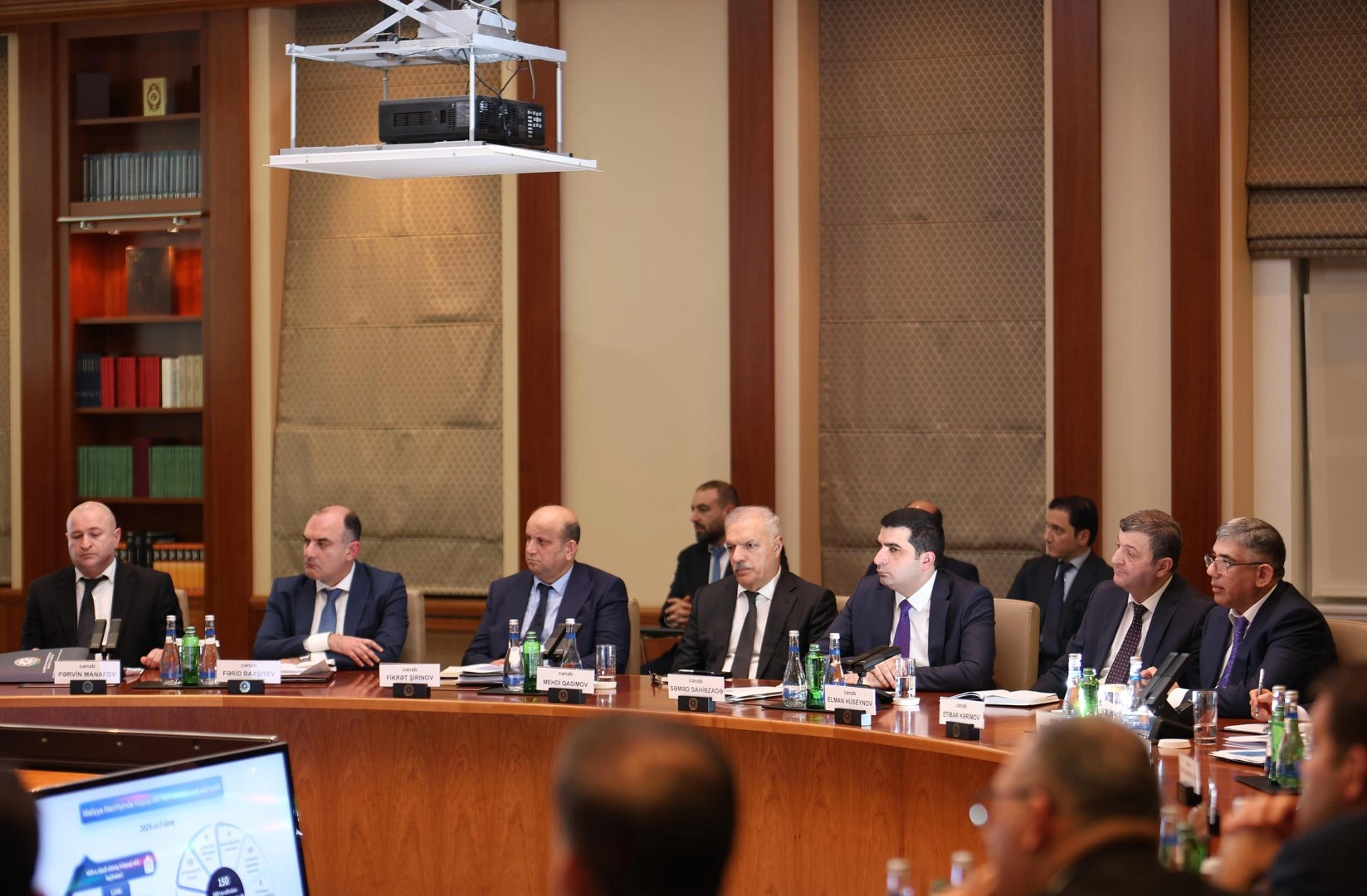
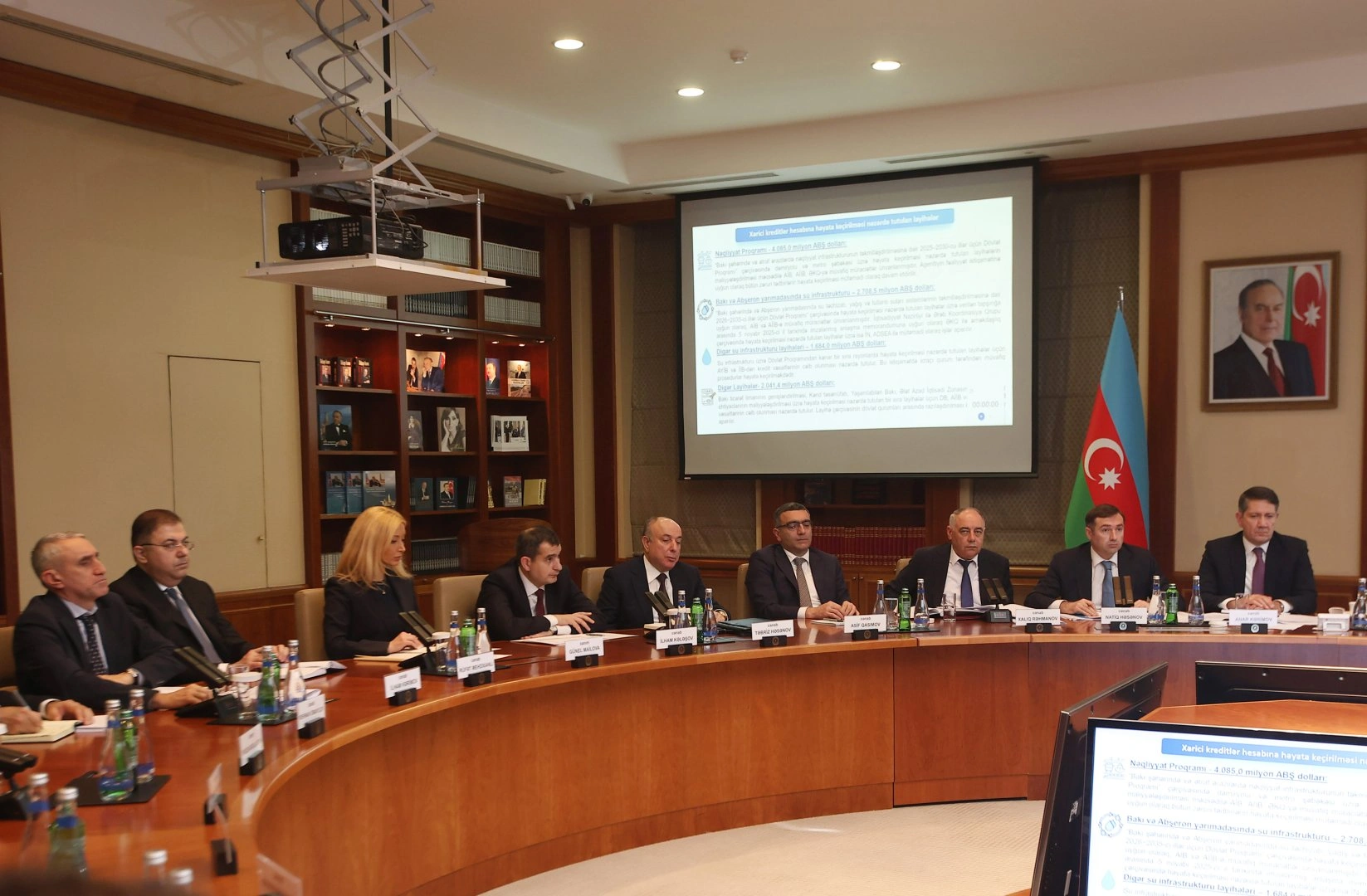
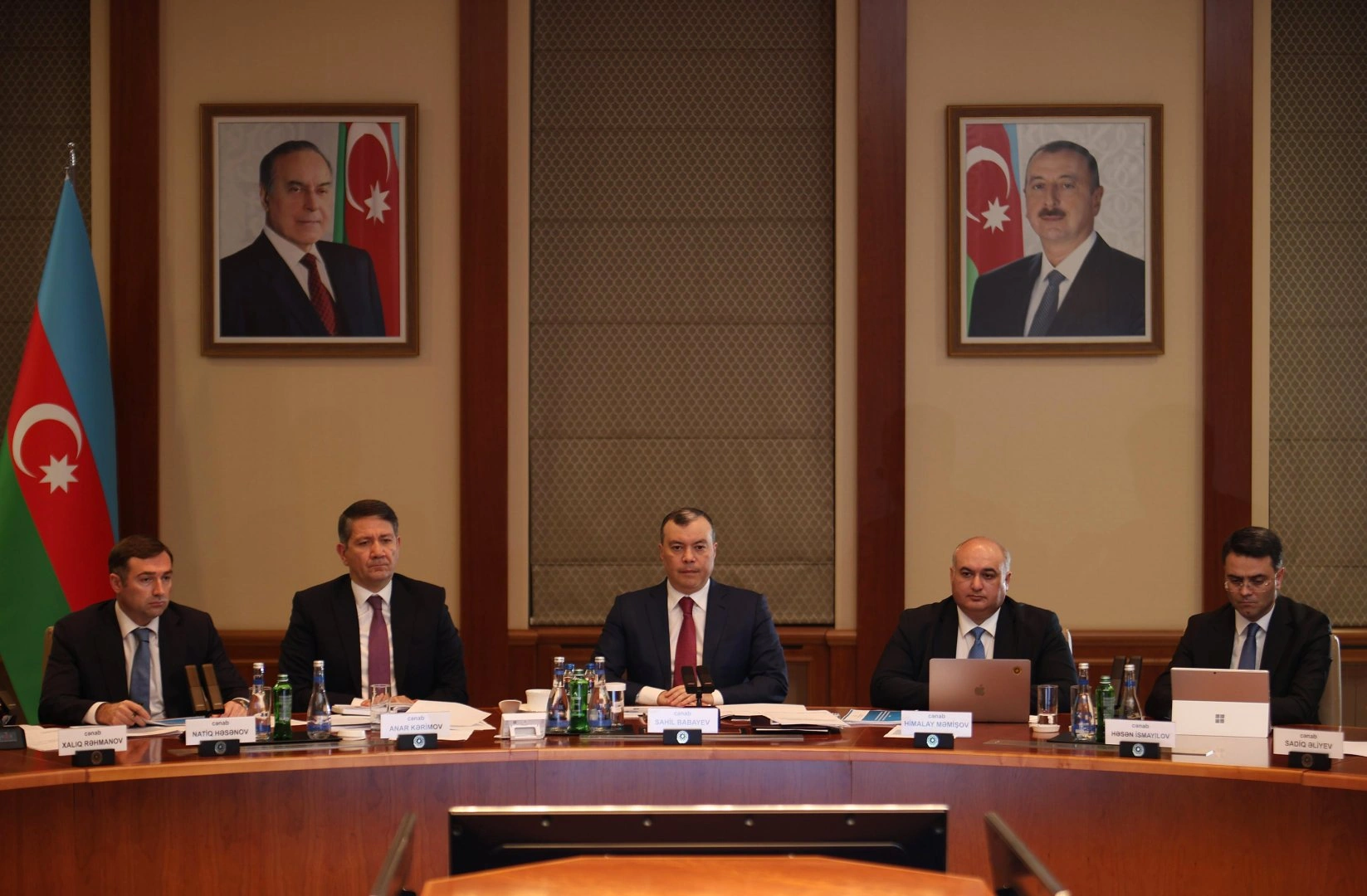
the Ministry of Finance of the Republic of Azerbaijan held a
regular board meeting to discuss the results of the work carried
out in 2025 by the Agency for the Management of Public Debt and
Financial Obligations, as well as current issues, Trend reports.
Speaking at the meeting attended by heads of structural
divisions and subordinate institutions, Finance Minister and
Chairman of the Board Sahil Babayev noted that the successful and
purposeful policy implemented in all areas under the leadership of
President Ilham Aliyev makes an important contribution to the
comprehensive development of the country, ensuring sustainable
socio-economic growth and macroeconomic stability. These factors
also have a positive impact on the execution of the state budget,
creating conditions for the full implementation of revenue and
expenditure forecasts, maintaining fiscal discipline, and further
strengthening financial positions.
Babayev stated that the strategic goals defined in the updated
Debt Strategy for 2022–2025 have been fully achieved, ensuring
compliance with priority measures, including keeping the ratio of
total public debt to GDP below 30 percent and preventing external
public debt from exceeding 10 billion US dollars. At the same time,
by the end of 2025, interest rate risk has been maintained at an
acceptable level by ensuring that the share of debt attracted at a
floating interest rate does not exceed 50 percent of the total
portfolio, expanding domestic borrowing while gradually reducing
external public debt, and progressively increasing the average
maturity of government securities.
The meeting heard a report on the work carried out by the Agency
for the Management of Public Debt and Financial Obligations in 2025
and the tasks ahead. As of January 1, 2026, the total public debt
of the Republic of Azerbaijan amounted to 25,987.5 million manats,
equal to 20.1 percent of GDP, representing a decrease of 5.1
percent or 1,392.7 million manats compared to the beginning of the
year. External debt accounts for 31.5 percent and domestic debt for
68.5 percent of the total. The volume of state-guaranteed debt also
decreased to 10,368.4 million manats, or 8 percent of GDP.
During the reporting year, efficient use of treasury funds made
it possible to save 300.1 million manats on public debt servicing
costs. At the same time, as part of refinancing operations,
short-term bonds were replaced with long-term ones, ensuring
positive changes in the structure of the debt portfolio. The
average maturity of government bonds increased significantly to 3.3
years.
It was noted that, in line with its functional responsibilities,
the Agency carries out state borrowing, ensures debt accounting and
reporting, and conducts analyses. Over the past year, new loan
agreements with international financial institutions totaling
approximately 235 million US dollars were approved. Coordinated
cooperation with international rating agencies, in conjunction with
other relevant state bodies, was also ensured to assess the
country’s sovereign credit rating.
The Chairman of the Board gave relevant instructions to expand
the application of international experience in public debt
management, prepare the “Public Debt Management Strategy” for
2026–2030, and improve a number of legal and institutional
frameworks in accordance with the Agency’s areas of activity.
The meeting also heard a report on the status of reviewing,
coordinating, and submitting draft legal acts received by and
prepared within the Ministry of Finance. It was noted that the
Ministry, as a subject of legislative initiative, participates in
the drafting, examination, adoption, amendment, and repeal of legal
acts. In 2025, the Ministry reviewed 1,248 draft legal acts
submitted by state bodies in accordance with established
procedures. At the same time, 150 draft legal acts were prepared at
the initiative of the Ministry and on instructions from higher
state authorities. Of these, 43 were laws, 50 decrees, 4
presidential orders, 9 Cabinet of Ministers resolutions, 40 Cabinet
orders, and 4 decisions of the Ministry of Finance Board, of which
45 documents were approved during the past year.
In particular, by a decree of the President of the Republic of
Azerbaijan dated August 25, 2025, important reforms in the field of
public finance management were launched, and this document may be
regarded as the foundation of reforms in public finance management.
It was noted that within the framework of these reforms, effective
management of customs revenues, state duties, dividends, and other
budget revenues from state-owned and public legal entities was
assigned to the Ministry of Finance. The “Digital Public Finance”
information system was created to establish an effective
implementation and control mechanism across the Ministry’s areas of
activity through the application of digital technologies and
innovations. At the same time, public legal entities were brought
under treasury support, and the Ministry was tasked with
establishing a treasury monitoring mechanism for all bank accounts
of state enterprises, organizing procurement of goods, works, and
services financed from state funds on the basis of electronic
contracts, and exercising state financial control over the targeted
and efficient use of funds by state enterprises.
In addition, the Agency for Monitoring State Enterprises was
established under the Ministry of Finance, and its charter was
approved. Relevant amendments were also made to the regulations of
the Ministry and other bodies within its structure to reflect new
powers.
Minister Sahil Babayev emphasized the importance of further
improving the process of implementing draft legal acts and
introducing electronic control mechanisms. In this regard, it was
deemed appropriate to implement draft acts not only through the
electronic document management system but also via the “Regulatory
Legal Acts” information system, to analyze cases of delays and
balance the implementation workload. The Chairman of the Board also
issued relevant instructions to prepare proposals on simplifying
coordination procedures and reflecting in legislation the
requirement to provide financial and economic justifications.
A presentation was also delivered at the board meeting on the
status of implementing assignments within the Ministry of Finance
and on reporting-related issues, and appropriate decisions were
adopted on the matters discussed.