BAKU, Azerbaijan, February 13. Developing
countries are facing a worsening development and debt crisis as
interest rates remain high, growth underperforms expectations and
trade disruptions intensify, Secretary-General of the United
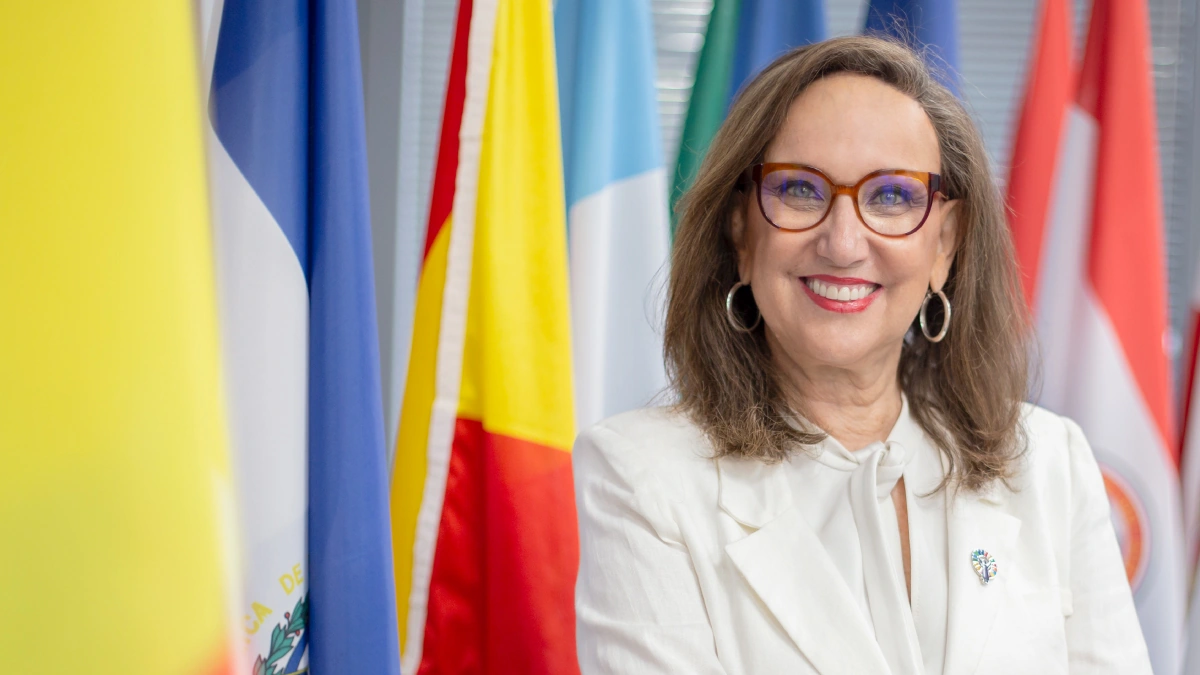
Nations Trade and Development (UNCTAD) Rebeca Grynspan said at the
Munich Security Conference, Trend reports.
Grynspan noted that the scale of the challenge is growing.
“3.3 billion people that we put in the research before, now it's
3.4. And 3.4 is 100 million people more. So it's not only a decimal
of that number,” she said.
She explained that progress has stalled due to tighter financial
conditions and weaker global growth.
“Part of the reason why things are not getting better is because
interest rates didn't go down as fast as we expected. Growth is not
picking up as we expected,” Grynspan stated.
She also pointed to trade disruptions that are
disproportionately affecting vulnerable economies.
“The trade disruptions that for many of these countries are the
only source of hard currency is affecting precisely more the
vulnerable countries that are already in debt,” she said.
Highlighting tariff barriers, Grynspan added: “These developing
countries today have 27% tariffs from the U.S. that is higher than
developed countries and higher than most countries in the world. So
they are being hit not only because tariffs are higher, but also
because they are higher than others. And so their competitiveness
is even more fragile today than it was before.”
While welcoming the one-year extension of the African Growth and
Opportunity Act (AGOA), she cautioned that short-term measures are
insufficient.
“GOA, that has been extended for one year, is good news, but one
year is not enough for investment,” she said.
Turning to the debt situation, Grynspan stressed that the human
impact is often overlooked.
“Nobody calls it a debt crisis because the markets are not in
crisis, people are. And so that's why it's not being taken so
seriously, because markets are not suffering yet,” she said.
She described the situation as a broader development crisis that
threatens stability. Calling for stronger multilateral engagement,
she emphasized the need for more decisive action.
Grynspan also underscored the lack of coordination among debtor
nations. "We have the Paris Club, but still, we don't have a
debtors club,” she said.