BAKU, Azerbaijan, January 19. Certain days in
Azerbaijan’s modern history are more than just dates on the
calendar; they are etched into the nation’s collective memory,
consciousness, and statehood thinking. January 20 is one such day,
symbolizing both a tragic loss and the enduring spirit of national
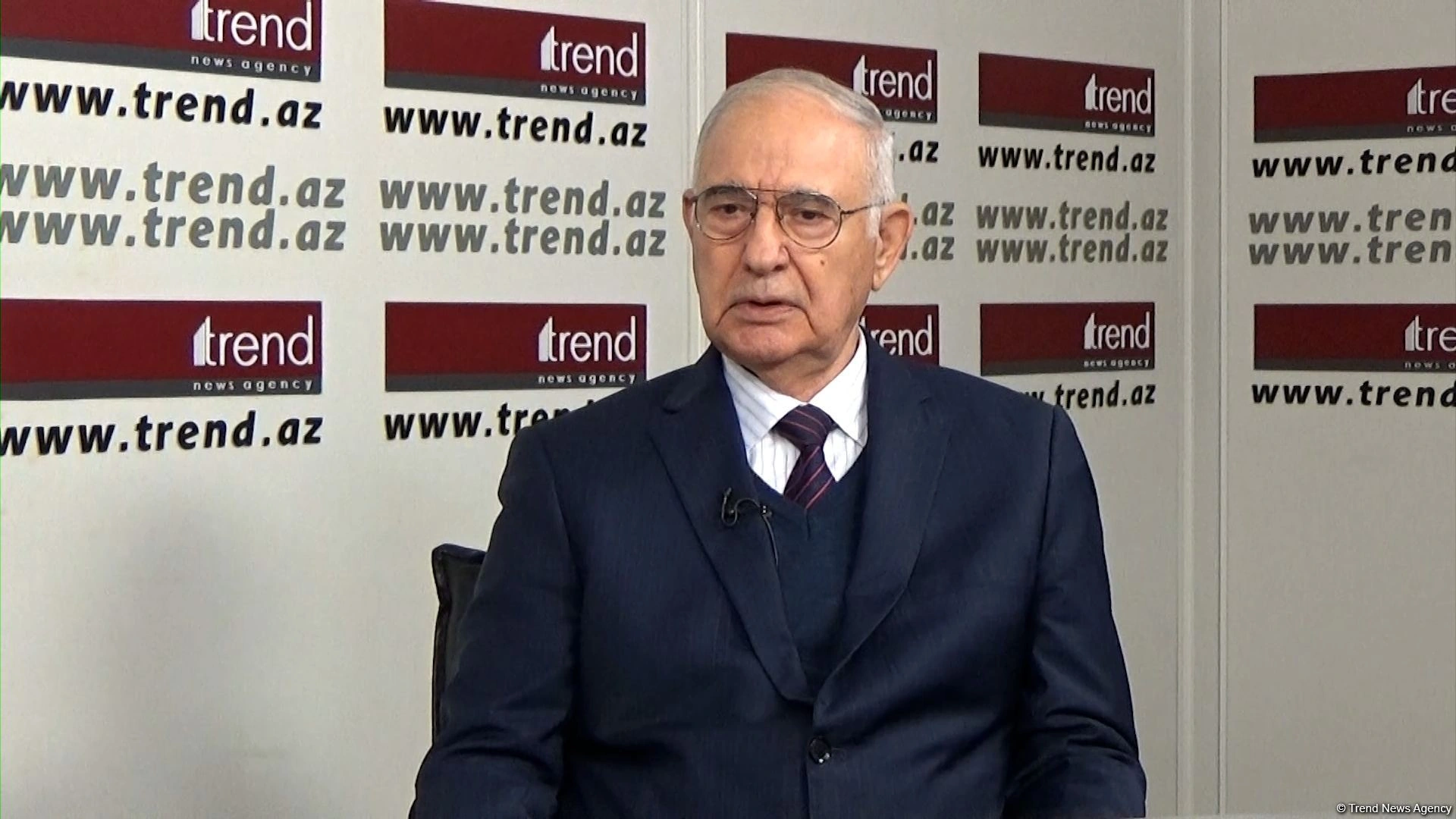
will and freedom, political analyst Azer Garayev told Trend.
"Each year, Azerbaijan commemorates this date with sorrow,
respect, and reflection, offering a moment not only to remember the
past but also to learn from it and assess its lessons in today’s
context. January 20 represents the pain of the past, the lesson of
the present, and the responsibility of the future.
The late 1980s were a time of deep political, economic, and
ideological crisis across the Soviet Union. Discontent with the
central government was growing in the national republics, including
Azerbaijan. A major challenge during this period was the outbreak
of the Karabakh conflict. From 1988 onward, Armenia’s territorial
claims, the forced expulsion of Azerbaijanis from their historic
lands, and the central Soviet government’s biased and passive
response fueled widespread frustration. At the same time, mass
demonstrations erupted in Baku and other cities, with citizens
demanding independence and the right to determine Azerbaijan’s own
future. By January 1990, the socio-political situation in Baku had
reached a boiling point. Thousands of people took to the streets,
demanding justice on the Karabakh issue and asserting that
Azerbaijan’s destiny should be shaped by its own people rather than
by Moscow. These protests were perceived by the Soviet leadership
as a serious threat," he said.
On the night of January 19–20, 1990, a large contingent of
Soviet troops entered Baku under the pretext of restoring public
order, but the true aim was to suppress the national liberation
movement, the analyst pointed out. The military’s disproportionate
actions against civilians, including women, children, and the
elderly, resulted in numerous deaths and injuries, while critical
communications infrastructure was targeted, effectively placing
Baku under an information blockade.
"January 20, 1990, is etched in the history of Azerbaijan in
blood. Soviet troops, armed and equipped with military hardware,
entered the city and opened fire on civilians without any warning.
Peaceful residents were killed in the streets, squares, and even
near their own homes. Women, children, and the elderly all became
victims of this brutal tragedy. Official reports state that dozens
lost their lives and hundreds more were injured. During the
violence, the explosion of the television center’s power unit cut
off the flow of information, effectively placing Baku under an
information blockade.
January 20 was far more than a military operation; it was a
deliberate act of political terror carried out by the Soviet regime
against its own people. This horrific event revealed the true
nature of the empire and its disregard for human life. Yet, for
Azerbaijani society, Bloody January sparked a powerful national
awakening. In its aftermath, the idea of independence began to
resonate with broader segments of the population. People came to
understand that justice and security could not exist under this
system. In this way, the tragedy of January 20 became a defining
turning point on Azerbaijan’s
Garayev highlighted that one of the first to provide a political
and legal assessment of the January 20 events was the National
Leader, Heydar Aliyev. Speaking at the Permanent Representation of
Azerbaijan in Moscow, he boldly condemned the Soviet leadership’s
actions. This courageous stance was crucial in defending the
interests of the Azerbaijani people. In the years that followed,
after Azerbaijan gained independence, January 20 was officially
recognized, and the memory of the martyrs was permanently
honored.
“Today, one of Baku’s most sacred sites is the Alley of Martyrs,
where the heroes of January 20 are laid to rest. Each year,
thousands gather here to pay their respects. The Alley is more than
a cemetery; it is a symbol of national memory and the struggle for
freedom. Every tombstone tells a story of sacrifice, every silence
speaks of a people’s resilience. The independent Azerbaijani state
we see today, its sovereignty, its foreign policy, its army, its
strategy rooted in national interest, was forged through the blood
of those who fell in 1990. In recent years, under President Ilham
Aliyev’s leadership, steps to restore the country’s territorial
integrity have reinforced that path. National will, unity, and
determination remain its pillars,” he said.
Garayev stressed that while events fade into history, their
meaning must endure. The lessons of January 20 must be passed on to
the younger generation. In schools, universities, the media, and at
home, this date should be remembered not only as a tragedy but also
as a testament to heroism and national dignity. Young people must
understand that the freedom they enjoy today came at a great cost
and that safeguarding it remains their responsibility.
“For many years, the events of January 20 were not fully
communicated to the international community. Thanks to recent
information and diplomatic efforts, this tragedy is now recognized
globally as an example of political repression. This recognition
restores historical justice and sends a clear warning to prevent
such events from happening again. January 20 is both a day of
tragedy and a page of honor in Azerbaijan’s history. Today,
remembering those who fell fills us not only with sorrow but with
pride. They became martyrs for a free Azerbaijan, and the
independent, strong, internationally respected state we have today
carries a historical duty to honor their memory. Every Azerbaijani
has the responsibility to keep their legacy alive, uphold their
ideals, and pass them to future generations,” the analyst
concluded.
Stay up-to-date with more news on Trend News
Agency's WhatsApp channel