BAKU, Azerbaijan, September 21. Tajikistan has
commissioned new education, recreation and social infrastructure
facilities in the Asht district of Sughd region.
According to the press service of the Tajik President, President
Emomali Rahmon remotely commissioned the facilities on September 21
as part of his working visit to the district.
In particular, a new building for the Asht district education
department was commissioned, providing working conditions for more
than 50 employees.
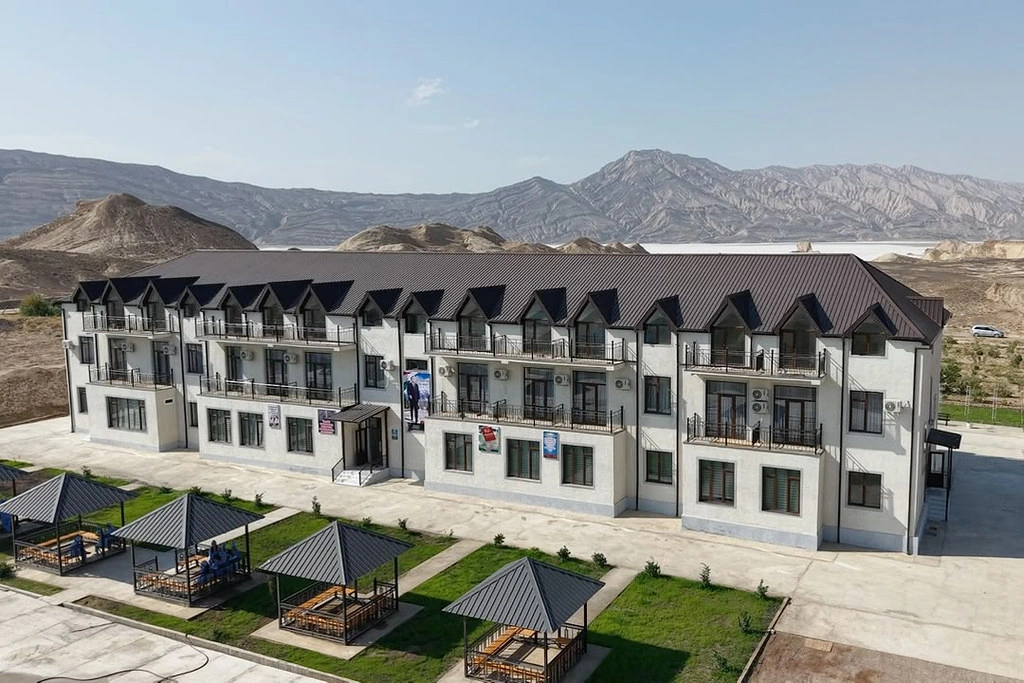
The Bunyod LLC sanatorium also started operations in the Aksikon
area of the Mehrobod rural jamoat. The facility has 120 beds and
created 30 permanent jobs following its launch.
A preschool educational institution for 180 children was
commissioned in the Dusti village. The facility was built at the
initiative of local entrepreneur Rakhmonzoda Zoir Abdusamad. The
launch of the kindergarten provided permanent employment for more
than 20 local residents.
In addition, a State Flag Square was opened in the Shaydon
settlement for public, cultural and other events.
An additional building of general education institution No. 9 in
the Oriyon rural jamoat was also commissioned, with capacity for
240 students. The facility was financed by the executive authority
of Sughd region.
Trend estimates
that the newly commissioned education facilities could accommodate
up to around 420 additional children and students, helping increase
local educational capacity and reduce pressure on existing schools
and kindergartens. If demand continues to rise, the additional
capacity could support a gradual expansion of preschool and school
enrollment in Asht district.
The new sanatorium could also contribute to the development of
local recreational and health-related services. At an average
occupancy rate of 60–70 percent, the facility could accommodate
roughly 26,000–31,000 occupied bed-days annually, creating
additional demand for transport, food, maintenance and other
services connected with the local tourism and recreation
economy.
Trend expects the expansion of education, healthcare and
recreational infrastructure to support broader local economic
activity over the next few years. If similar projects continue to
be implemented, employment generated directly and indirectly by
social facilities could increase by approximately 5–8 percent
annually, while growing demand for related services could provide
additional opportunities for local businesses. These figures are
Trend estimates based on the capacity of the newly commissioned
facilities and standard utilization assumptions, rather than an
official forecast.