2020 — 2023 — 2026… Just six years — a mere instant by historical standards. Yet in that time, Azerbaijan has travelled from victory in the Patriotic War and the 2023 anti-terror operation to a new stage in its development — its emergence as a powerful middle power.
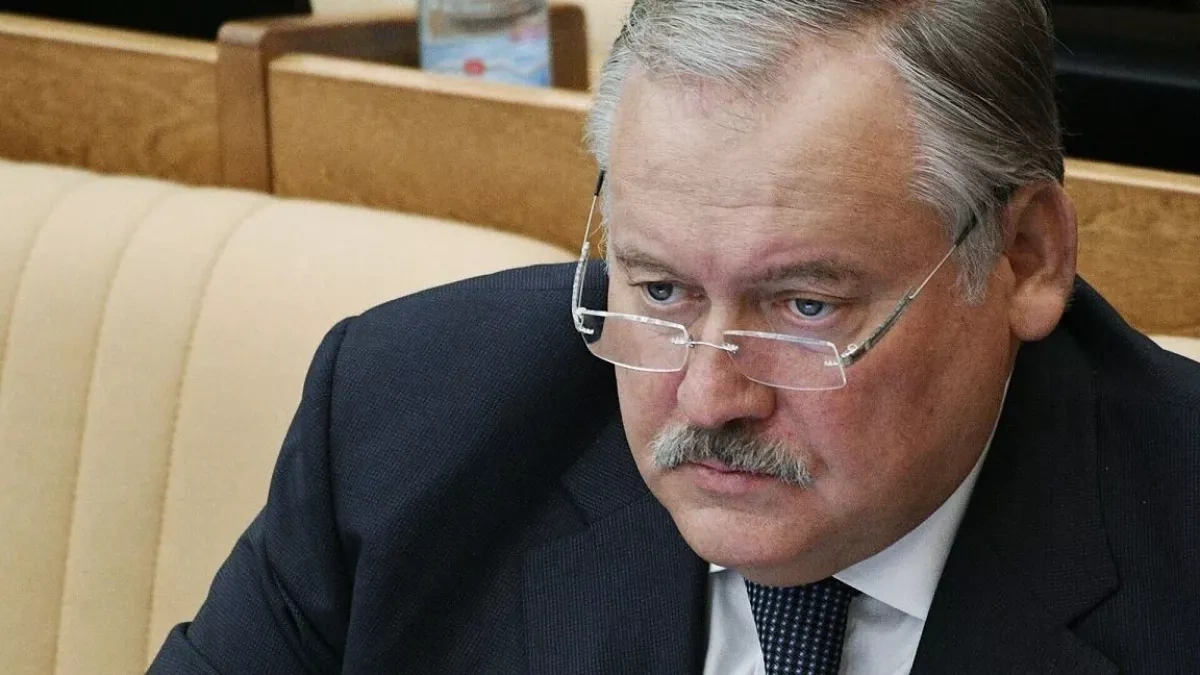
Let us go back to 2016, when, in the first days of April, Azerbaijani forces responded to Armenian shelling of Azerbaijani military positions and civilian areas by clearing occupying forces from the heights around the village of Talish in the Tartar district. At the same time, Azerbaijani forces took control of the strategically important Lalatapa height in the Jabrayil direction, as well as the Aghdara–Sugovushan road in the north. In Armenia and among its supporters, it was becoming clear that the situation was growing increasingly serious. Another wave of anti-Azerbaijani rhetoric followed, with Konstantin Zatulin playing one of the leading roles. He needs little introduction: in April 2016, he headed the Russian Civic Chamber’s working group on Eurasian integration.
At the time, during the Politika talk show hosted by Pyotr Tolstoy on Russia’s Channel One, Zatulin confidently stated: “Karabakh will never return to Azerbaijan. You can say whatever you want, but this will never happen.” Two years later, by then serving as First Deputy Chairman of the Russian State Duma’s Committee on Eurasian Integration and Relations with Compatriots, he stated that “justice requires recognising that Nagorno-Karabakh will never return to Azerbaijan. The grounds on which Azerbaijan claims this territory are vulnerable and unrealistic from the standpoint of realpolitik.”
We will not dwell here on the calls by a senior official to disregard international law. What is worth noting, however, is Zatulin’s firm conviction that Baku would never succeed in liberating the country’s occupied territories.
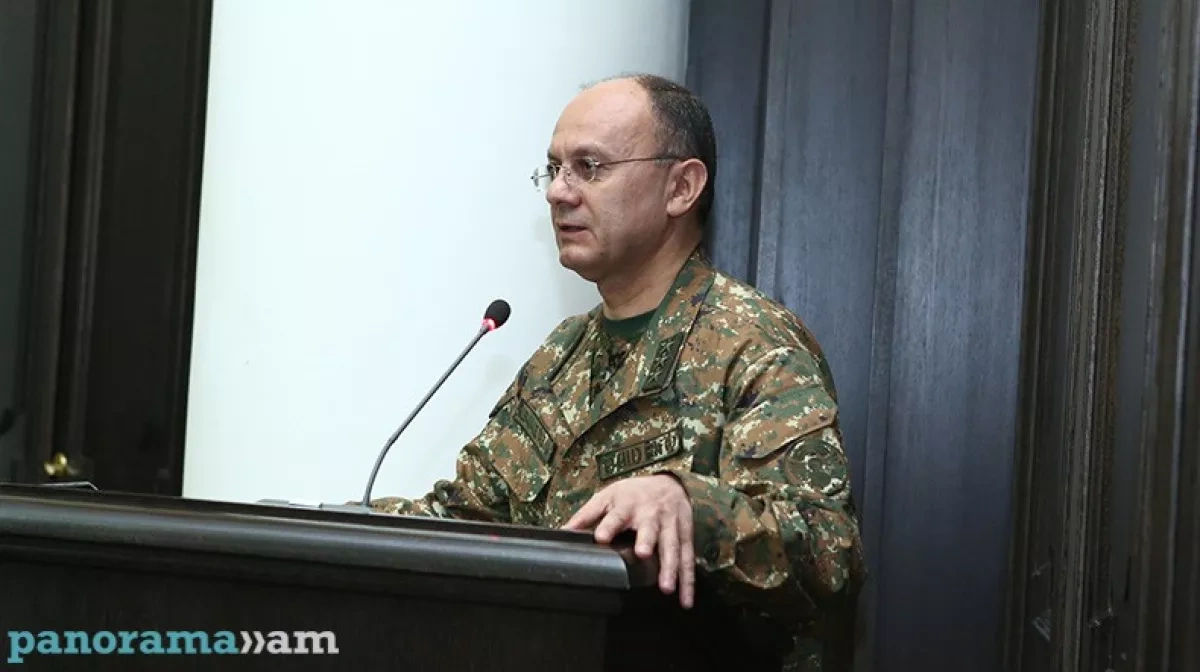
At the same time, the Armenian political and military leadership also stepped up its rhetoric. In April 2016, Armenian Defence Minister Seyran Ohanyan, displaying considerable confidence, declared that the Armenian army was ready to carry out any task, particularly as the reforms implemented in recent years and the armed forces’ development plan “correspond to the nature of warfare today”.
This was the same Ohanyan whose so-called “defensive lines” in the occupied territories of Azerbaijan had repeatedly and enthusiastically been described as impregnable. Yet even Armenian sources have acknowledged that the “Ohanyan Line” failed to withstand “the onslaught of the Azerbaijani army” in late 2020. But more on that below.
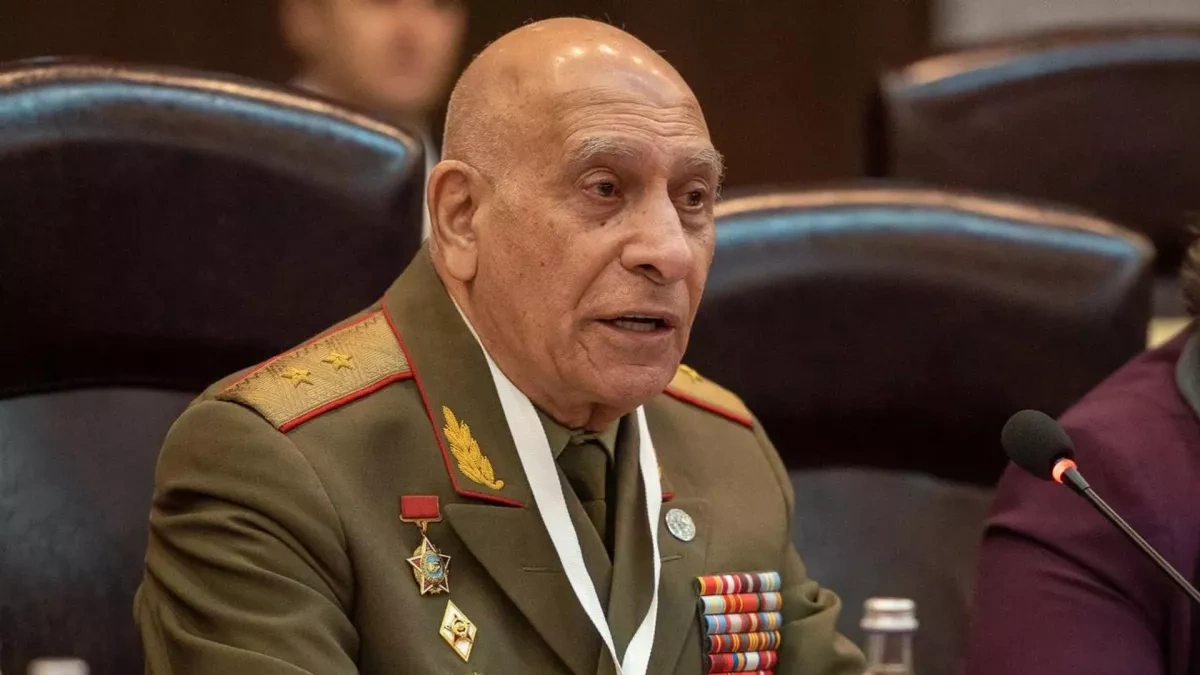
There is more. In April 2016, a month marked by a series of anti-Azerbaijani statements, Norat Ter-Grigoryants, former Deputy Chief of the General Staff of the USSR Ground Forces, who is often presented as one of the founders of Armenia’s armed forces, claimed that “the Azerbaijani armed forces constantly use the civilian population as cover”.
It was against this backdrop that the Second Karabakh War unfolded, as Azerbaijani forces broke through the much-publicised “Ohanyan Line” and advanced day after day. At the same time, according to Human Rights Watch, the use of “military bases and dual-use infrastructure” in Khankendi by Armenian forces and separatists subjected civilians to undue risk. This assessment, one might ask, raises an obvious question about Ter-Grigoryants’ earlier claim.
Moreover, the Azerbaijani cities of Ganja, Mingachevir and Yevlakh, as well as the districts of Beylagan, Barda and Tartar and other areas, were subjected to shelling with ballistic missiles and other heavy artillery systems. According to Azerbaijan’s Prosecutor General’s Office, 93 civilians were killed as a result of Armenia’s military aggression, including 12 children and 27 women, while 454 civilians were wounded. Around 13,000 residential and non-residential properties, nearly 300 vehicles and more than 1,000 farms were damaged.
This inhumane policy pursued by the occupying forces, accompanied by attacks on civilians and civilian infrastructure, can hardly be described as anything other than an outright act of vandalism. The head of state stressed that “We never take any action against civilians. All our goals are military”.
Azerbaijan retaliated. It punished the aggressors. It taught them a lesson. The culmination of it all was the brilliant Shusha operation. In this regard, it is worth noting that, in the immediate aftermath of the liberation of Shusha, one European Union media outlet described our Pearl as an impregnable fortress city, known as the “Jerusalem of Karabakh” and surrounded on three sides by sheer cliffs, with only one steep road leading into the area through the gates of the former citadel of the Karabakh khans.
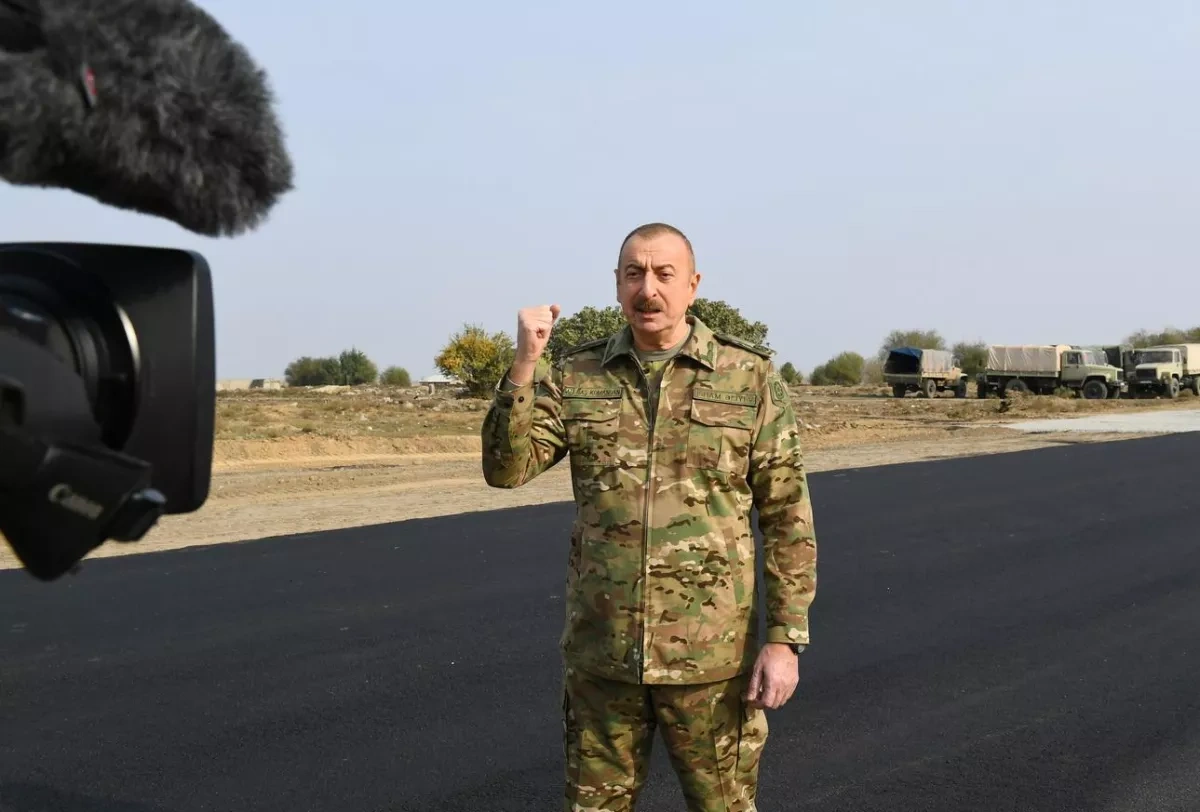
Symbolically, eight days after the liberation of Shusha, on November 16, 2020, during his first visit to the regions liberated from occupation — the Fuzuli and Jabrayil districts — President Ilham Aliyev officially launched construction of the new Fuzuli–Shusha motorway, which was named the “Victory Road”, because, as the head of state put it, “this road leads us to Shusha – Karabakh's crown jewel”. It became the first project to be implemented in the lands liberated from occupation. At the time, the country’s leader also expressed confidence that the Shusha operation would occupy a special place in world military history, as our brave servicemen, armed only with light weapons, accomplished the task by crossing mountains, forests and trails.
That is why, two months later, President Ilham Aliyev described as an outrageous lie the claims made by Armenian representatives and their supporters abroad that “Shusha was allegedly handed over to us just like that, without a fight, that the Armenians left Shusha of their own free will”. The head of state went on to specify that, in liberating the city, Azerbaijani soldiers and officers demonstrated heroism, professionalism, physical strength and a high national spirit. They approached the city from different directions, climbing sheer cliffs, and liberated Shusha fighting at close quarters — with bayonets, knives and light weapons against artillery and tanks. As a result, hundreds of occupying forces were killed.
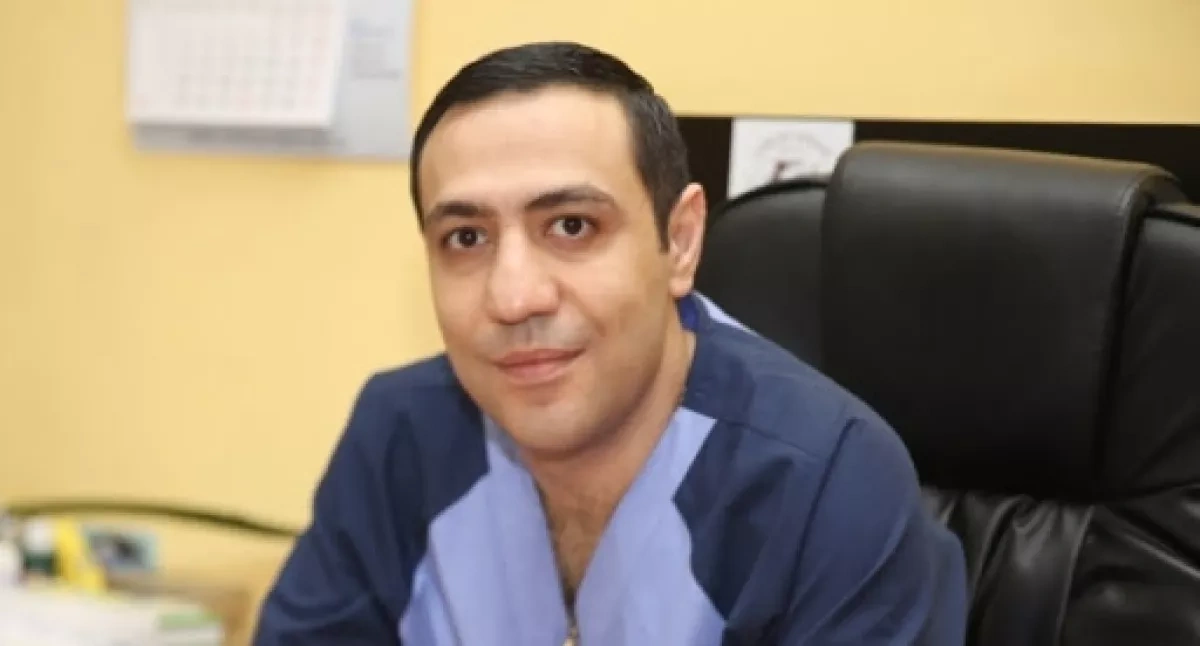
On November 28, 2020, Hayk Balayan, the son of Zori Balayan, also commented on the operation. He had been in Azerbaijan as a surgeon during the Second Karabakh War, serving with the Armenian forces. In an interview with Moskovsky Komsomolets, he openly expressed his astonishment at the heroism, patriotism and professionalism of Azerbaijani servicemen: “I’ll tell you honestly. I was on the heights around Hadrut and saw everything myself. I don’t understand how the Azerbaijanis managed to take those heights. But I’m not a military expert. Perhaps these Azerbaijanis were simply well trained for such mountain operations. Because when they were taking Shusha, our artillery was hitting them very effectively. But they kept breaking through nonetheless. Hundreds, thousands of new men would take the places of those who had been killed, and they just kept coming.”
For those who have questioned or challenged Azerbaijan’s account of the liberation of Shusha, these remarks offer a revealing perspective.
In a 1995 interview with France’s Le Monde diplomatique, National Leader Heydar Aliyev outlined the conditions for ending the state of war between Armenia and Azerbaijan: the withdrawal of Armenian armed forces from the occupied territories of Azerbaijan; the return of Azerbaijani citizens forcibly expelled from their permanent places of residence to their native regions; and the restoration of Azerbaijan’s territorial integrity.
As the saying goes, the task has been accomplished, while the “Great Return” programme is now being implemented at an accelerated pace. However, these objectives could not be achieved through peaceful means, as Armenia did not comply with the applicable requirements of international law.
The foundation of what happened was highlighted by President Ilham Aliyev. As he emphasised, “we have created a model of development in our country that is very rare in the world”. National unity and solidarity around a common idea gave us additional strength, preventing certain despicable external circles from carrying out their dirty plans in Azerbaijan.
By demonstrating political will and unity, we foiled these attempts, defending our pride and our independent choice and proving that no one can interfere in our affairs. Without this unity and national solidarity, we would never have managed to liberate our lands from the occupiers. The Iron Fist is a symbol of our unity.
It would be fitting to conclude this article by highlighting how the victorious spirit of the Patriotic War spread throughout the Azerbaijani people, regardless of the field in which they applied their efforts. One symbolic example is the Aghdam-based Qarabag football club, which, in the play-off round of the UEFA Europa League qualifiers, defeated Legia Warsaw away in Poland 3–0 on October 1, 2020, securing a place in the Europa League group stage. On November 23, Azerbaijani chess grandmaster Teymur Rajabov defeated Armenian grandmaster Levon Aronian at the Skilling Open, an online tournament in the Champions Chess Tour. Teymur also defeated him in the second stage of this prestigious series, the Airthings Masters final, in early January 2021. He subsequently received congratulations from President Ilham Aliyev and First Vice-President Mehriban Aliyeva, who noted how much his success had delighted the Azerbaijani people. This was further evidence of the unity, solidarity and cohesion in our society of which President Ilham Aliyev had spoken.
May Allah have mercy on all our martyrs.