BAKU, Azerbaijan, July 14. Uzbekistan plans to
overhaul pension system with new state-backed savings incentives,
the press service of the Uzbek president says.
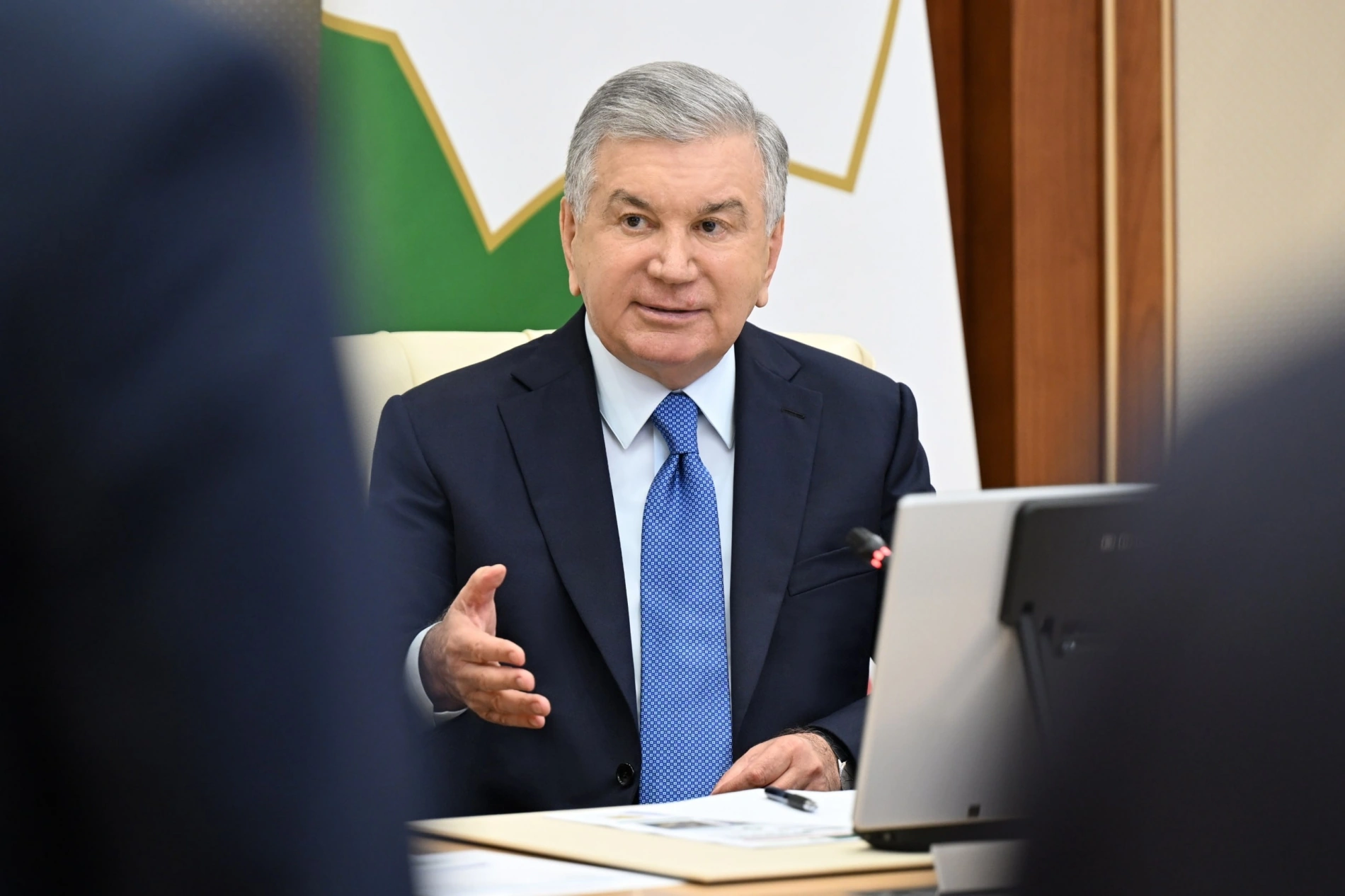
The initiative was discussed during President Shavkat
Mirziyoyev's review of a comprehensive strategic reform package
designed to modernize the national pension system by introducing
state-backed matching funds for private savings and adjusting
long-term benefit calculations.
The targeted structural shift focuses on developing robust
funded, private, and corporate pension models to generate
sustainable, long-term capital for the national economy while
elevating retirement security. Under the proposed framework, the
state will introduce an co-financing mechanism where citizens
earning up to 7.6 million soms ($629) monthly who contribute 5% of
their income to personal funded accounts will receive an additional
2.5% match from state funds.
For higher earners, 1% of their paid social tax will be routed
directly into their personal retirement accounts. To ensure broader
social equity, the government will phase out the restrictive
five-year salary history limit, extending the earnings calculation
period to 20 years while systematically raising the maximum salary
cap used for baseline pension assessments to 6.6 million soms
($546.89) by 2027.
"The heads of responsible agencies were instructed to thoroughly
study advanced foreign experience and submit a draft law on the
creation of private and corporate pension systems," the press
service stated.
Meanwhile, official statistical report, published by the Central
Bank of Uzbekistan, shows that perceived inflation among
Uzbekistan’s population declined in May, with respondents
estimating annual price growth at 10.3%, down from the previous
month.
"According to the results of a survey conducted at the end of
May 2026, household inflation expectations decreased compared to
the previous month, registering 10.3%." the statement said.
The findings reflect how consumers assess changes in the cost of
living based on their everyday spending experiences.
Among demographic groups, pensioners reported the highest
perceived inflation at 13%, while students recorded the lowest rate
at 8.9%.