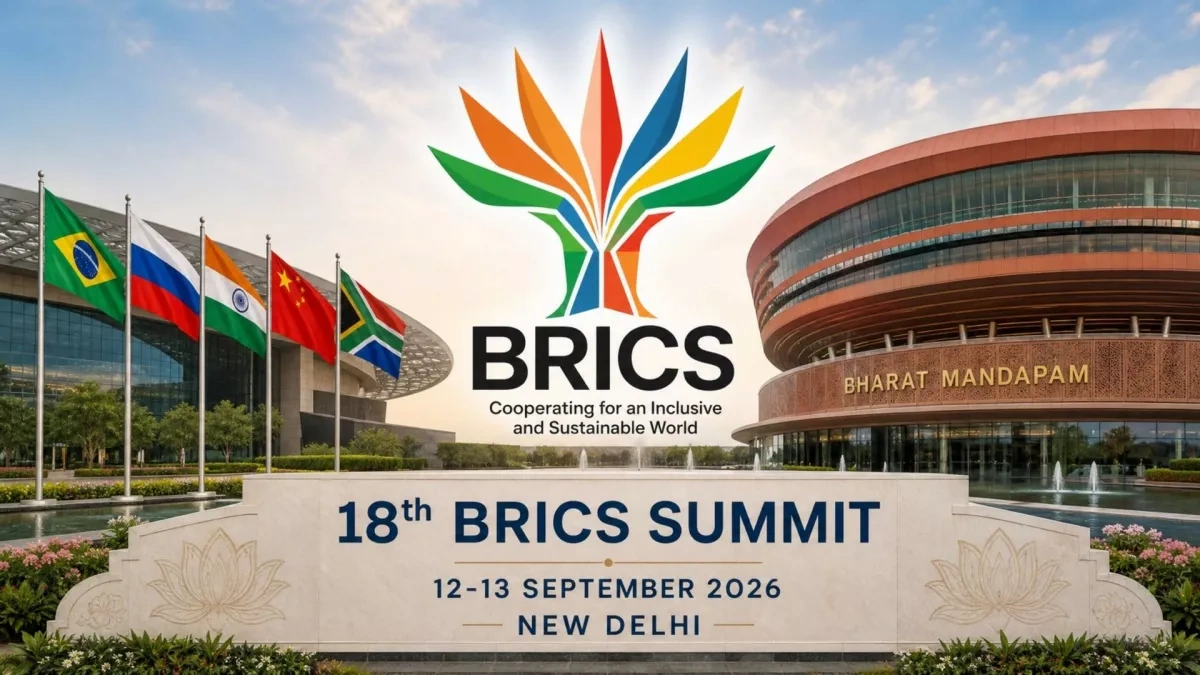
The 18th BRICS Summit, being held in New Delhi on September 12–13, 2026, marks an important milestone: the 20th anniversary of the grouping’s emergence. As chair, India is promoting an agenda centred on the motto “Building for Resilience, Innovation, Cooperation and Sustainability”, while seeking to position BRICS as a constructive bridge between developed countries and the Global South.
The summit is taking place against the backdrop of some of the most acute geopolitical crises in years, with the war in Ukraine and the conflict involving Iran in the Middle East creating a particularly challenging environment for both multilateral and bilateral diplomacy. Despite these tensions, several leaders directly involved in today’s major geopolitical rivalries have travelled to New Delhi in person, including Russian President Vladimir Putin, Iranian President Masoud Pezeshkian and Chinese President Xi Jinping.
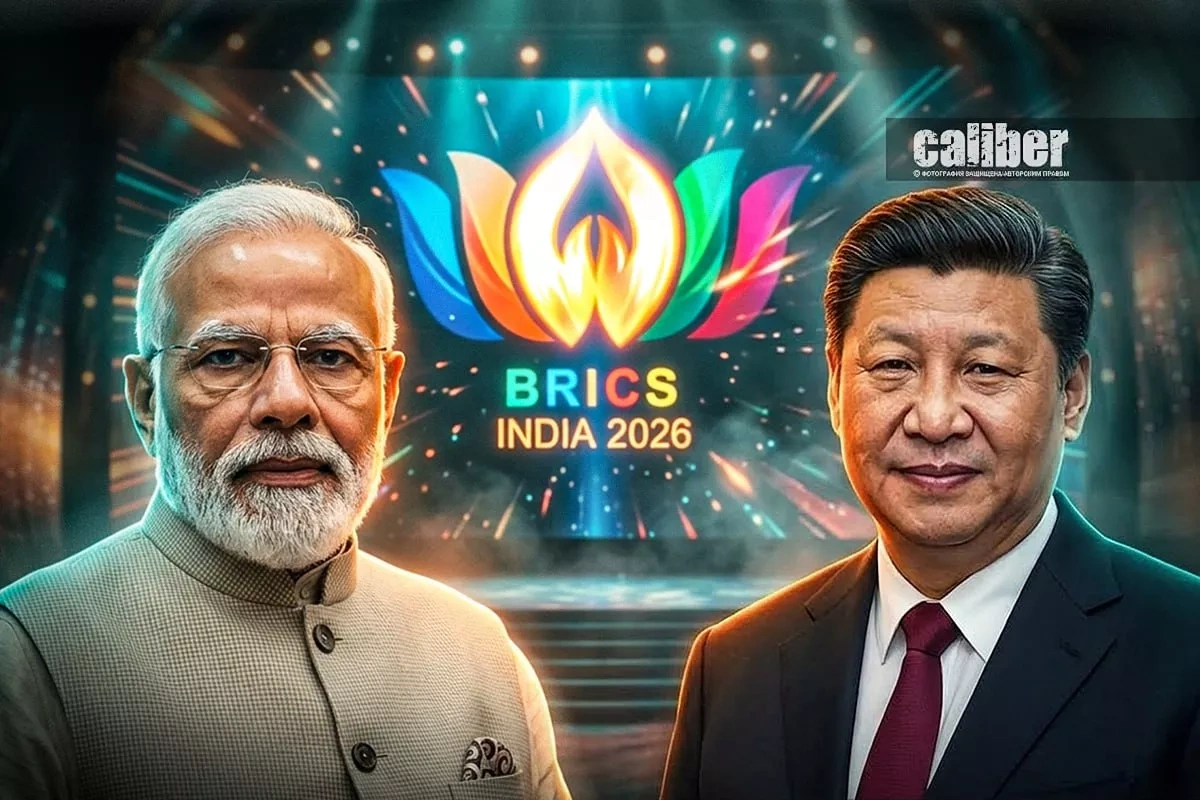
However, unlike the previous BRICS summit in Rio de Janeiro in July 2025, the current summit takes on historic significance as Narendra Modi and Xi Jinping hold their first full-fledged meeting on Indian soil in seven years. The event serves as a test of two processes at once: BRICS’ ability to act as an independent centre of global politics and India and China’s readiness to restore relations after the severe crisis of recent years.
The architecture of rivalry: India and China on the
For Narendra Modi, talks with Xi Jinping are particularly important because China remains India’s main strategic rival in Asia while also being one of its key trading partners.
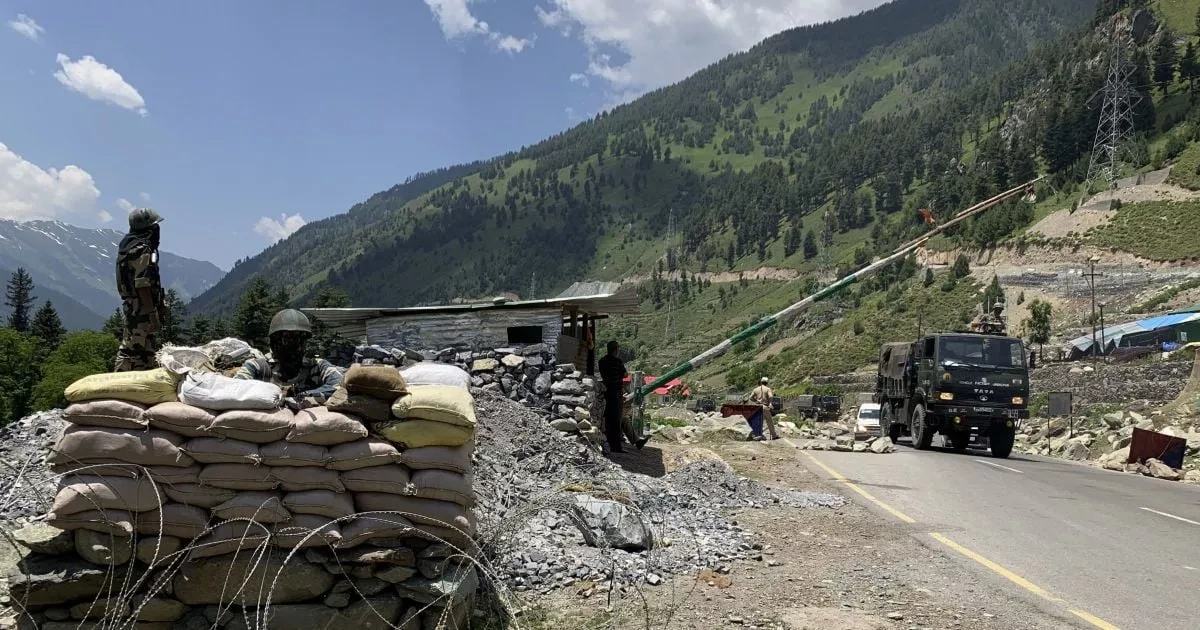
Echoes of the border crisis: Following the clashes in 2020, relations between the two sides were effectively frozen. Today, the two giants are cautiously returning to dialogue, seeking to build a new model of competitive coexistence.
The military factor: After years of confrontation, the two sides have made gradual progress in disengaging their forces and have begun restoring channels of communication. Nevertheless, the border remains an unhealed wound, as recent summer incidents during patrols have clearly demonstrated. The leaders’ main task is therefore to prevent a return to large-scale military confrontation.
Economic pragmatism: India is interested in Chinese investment, technology and supplies of components, while at the same time seeking to reduce its huge trade imbalance. According to the Financial Times, bilateral trade has already reached approximately $155 billion and continues to grow rapidly. The talks may raise the possibility of launching a strategic economic dialogue to ensure greater access for Indian companies to the Chinese market.
Geopolitics takes centre stage: New Delhi’s strategy
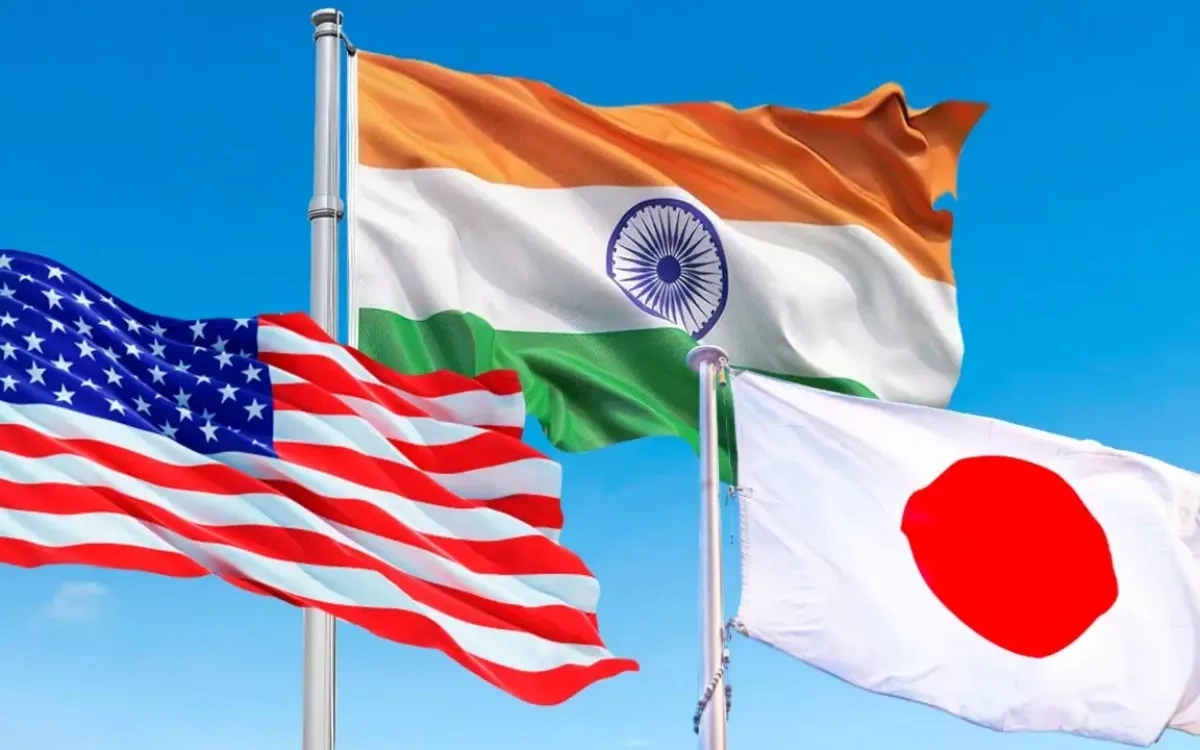
India has been steadily developing ties with the United States, Japan and Australia as part of efforts to contain Chinese influence in the Indo-Pacific. In these circumstances, BRICS serves as an optimal instrument for New Delhi. It allows India to deepen cooperation with Washington, maintain its traditional partnership with Moscow and engage with Beijing, without becoming a junior partner of the United States or joining a rigid Chinese-Russian confrontation with the West.
China and Russia are objectively interested in seeing BRICS gradually transform into a political and economic counterweight to the West. India, while supporting the organisation’s expansion, is in no hurry to turn it into an anti-American military-political bloc. That is why the summit in New Delhi is expected to show whether BRICS is a genuine centre of a multipolar system or remains merely a platform for coordinating interests. For Beijing itself, closer ties with India are a way to reduce the costs of its growing competition with the United States and prevent the formation of a united coalition of unfriendly states around China.
The territorial knot: The Himalayan factor
The territorial dispute between India and China has its roots in their colonial past:
Aksai Chin: A high-altitude plateau in the west, in the broader Kashmir and Xinjiang region, controlled by China but claimed by India. A strategically important road linking Xinjiang with Tibet runs through the area.
Arunachal Pradesh: A vast mountainous region in the east, fully administered by India as a state but referred to by Beijing as “Southern Tibet”.
Thus, the two nuclear powers are separated by a disputed Line of Actual Control stretching more than 4,000 km, without a clearly defined legal settlement. This was at the heart of the bloody Galwan Valley clash in 2020. Given the scale of their disagreements, the current meeting is unlikely to produce a breakthrough. Rather, the focus is likely to be on establishing basic rules for preventing incidents and restoring regular contact between Modi and Xi.
What are Moscow’s interests?
From a geopolitical perspective, closer ties between New Delhi and Beijing within BRICS would be a positive scenario for Moscow, which has an interest in ensuring that internal contradictions do not undermine the organisation from within. If the leaders can shift from confrontation to managed competition, this would strengthen BRICS’ international standing.
However, there is an important nuance: the stronger direct Chinese-Indian rapprochement becomes, the narrower Russia’s role as a traditional mediator between the two sides will be. Moscow benefits from a delicate balance rather than from a monopoly over the reconciliation of the two giants.
The summit in New Delhi is therefore a clear signal to Washington: India will continue to pursue its own national interests, manoeuvring between the major centres of power. If the Xi–Modi meeting produces practical results, BRICS will reinforce its status as a geopolitical heavyweight. If the talks reach an impasse, however, the grouping risks remaining little more than a symbolic platform for diplomatic discussions, unable to exert a real influence on the key crises of our time.