BAKU, Azerbaijan, July 13. UAE hails the IsDB
Baku meetings as a catalyst for regional integration.
“These meetings once again served as an important platform for
constructive dialogue among member countries to shape development
priorities, exchange knowledge and best practices, and strengthen
economic cooperation. Against the backdrop of the rapidly evolving
geopolitical and economic landscape, particularly the recent
developments affecting the Gulf region, the discussions held during
this year's meetings carried added significance. They provided an
opportunity to address emerging challenges, enhance economic
resilience, and identify new avenues for sustainable and inclusive
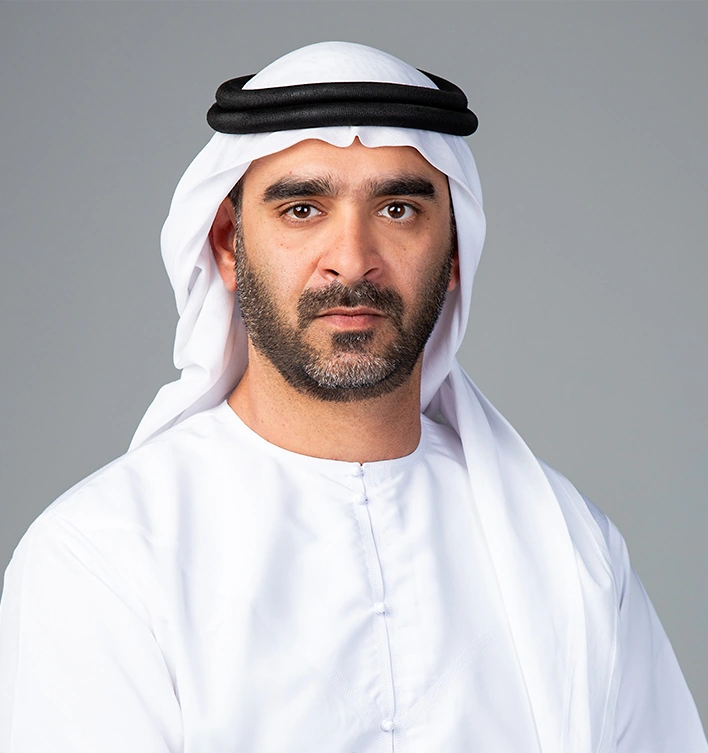
growth,” Ali Abdullah Sharafi, Assistant Undersecretary for
International Financial Relations of the Ministry of Finance of the
United Arab Emirates (UEA) said in an exclusive interview with
Trend.
He pointed out that the candid and forward-looking conversations
held during these meetings will contribute to shaping policies and
initiatives that support long-term development objectives,
strengthen regional connectivity, and promote greater economic
integration among member countries.
“The meetings also advanced cooperation in key areas such as
infrastructure development, trade facilitation, private sector
participation, food and energy security, digital transformation,
and climate resilience. A key highlight of this year's meetings was
the opportunity to reinforce partnerships between governments,
multilateral institutions, and the private sector, while mobilizing
resources for high-impact development projects. At a time of
heightened uncertainty in the global economy, these discussions
helped reinforce the importance of coordinated responses that
support stability, prosperity, and sustainable development across
member countries,” Sharafi added.
He went on to add that this year’s theme of the IsDB meetings
closely aligns with the UAE vision.
“The main theme of this year’s Annual Meetings was “Regional
integration is a driver of sustainable prosperity,” which
reaffirmed IsDB’s commitment to strengthen regional cooperation and
foster sustainable growth among its member countries. This theme
closely aligns with the vision of the United Arab Emirates, which
believes that strengthening economic and development cooperation
among nations is a fundamental pillar for achieving sustainable
growth and shared prosperity,” said Sharafi.
He noted that the UAE has a long-standing commitment to
sustainable development and economic growth, in line with the
objectives of the UAE Centennial 2071, which seeks to build a
competitive knowledge-based economy driven by innovation and
sustainability while further strengthening the country's position
as a global hub for development and economic opportunities.
“In this context, the UAE underscored the importance of
collective action and multilateralism in addressing global
challenges. The UAE reaffirmed its support for IsDB’s continued
efforts aimed at enhancing regional economic integration and
advancing cooperation mechanisms among member countries, thereby
contributing to the achievement of sustainable development goals,
improving the economic and social well-being of their peoples, and
laying the foundations for long-term prosperity for future
generations. Furthermore, the UAE believes that regional
integration extends beyond merely strengthening economic and trade
ties; it also entails knowledge exchange, capacity building, and
addressing shared challenges, which ultimately fosters more
inclusive and sustainable development across member countries,”
Sharafi said.
UAE urges IsDB members to diversify economies to boost
resilience
“To strengthen the resilience of member countries’ financial
systems within the Islamic Development Bank (IsDB) framework, a
multi-dimensional approach that blends proactive risk management
with long-term structural transformation is essential. Economic
diversification remains the most effective hedge against external
shocks. By drawing lessons from the UAE’s experience, where
deliberate efforts to build a knowledge-based, innovation-driven
economy contributed to real GDP growth of 5.6% in 2025, supported
by 6.1% growth in non-oil sectors, member countries can effectively
insulate themselves from commodity price volatility,” Ali Abdullah
Sharafi noted.
Moreover, he believes that institutionalizing foresight is
equally critical.
“Countries must move beyond reactive measures by investing in
sophisticated, data-driven early finance risk identification
models. The IsDB’s Response, Recovery and Resilience (3R) Facility
provides a useful blueprint for this, offering a mechanism to
provide rapid emergency financing and strengthen preparedness.
Expanding such frameworks ensures that even the most fragile member
states can develop buffers against macroeconomic and
climate-related shocks,” said Sharafi.
Furthermore, according to him, leveraging the intrinsic
stability of Islamic finance, which links capital to real economic
production, helps prevent speculative bubbles that often exacerbate
global downturns.
“This must be coupled with an unwavering commitment to
multilateral cooperation. By using the IsDB platform to exchange
best practices and foster South-South collaboration, member
countries can align their policy reforms to transform systemic
vulnerabilities into sustainable growth opportunities. In this era
of global uncertainty, resilience is not a solitary endeavor; it is
rather a shared goal achieved through integrated planning,
inclusive finance, and strategic, long-term economic
diversification,” Sharafi explained.
Development of Islamic finance in UAE
He believes Islamic Fintech represents the "next frontier" for
the UAE’s Islamic banking sector.
Sharafi recalled that in 2025, global Islamic finance assets
reached approximately USD 6 trillion, with Islamic banking assets
accounting for about USD 4 trillion of that total.
“The sector continues to maintain a strong 10% growth
trajectory, largely driven by the Middle East (specifically the
GCC) region, which remains the industry's epicenter, holding
approximately 50–55% of total Islamic bank assets. The UAE is
consistently ranked among the world’s leading Islamic finance hubs,
alongside Malaysia and Saudi Arabia. Beyond our established banking
infrastructure, the UAE is recognized as a key leader in the growth
of the Islamic fintech ecosystem, supported by a highly progressive
and favorable regulatory environment. As a pioneer and active
driver of digital transformation, I believe Islamic Fintech
represents the "next frontier" for the UAE’s Islamic banking
sector. By leveraging our state-of-the-art digital infrastructure,
we are well-positioned to scale these innovations globally,” he
said.
Furthermore, he highlighted a significant momentum in green
sukuk and ESG-linked Sharia-compliant finance.
“According to Fitch data from earlier this year, the UAE was the
second-largest dollar sukuk issuer globally in 2025, trailing only
the leaders in the primary market. It also solidified its position
as the third-largest ESG sukuk issuer worldwide,” Sharafi
added.
UAE expects CEPA to deepen economic integration with
Azerbaijan
“The United Arab Emirates and Azerbaijan maintain a robust
strategic partnership, further cemented by the Comprehensive
Economic Partnership Agreement (CEPA), which entered into force on
15 April 2026. This agreement serves as a vital framework to
promote investment flows, enhance trade, and foster growth in
financial services, including the expansion of financing options
for small and medium-sized enterprises (SMEs),” Abdullah Sharafi
said.
He recalled that by the end of 2022, the UAE has invested more
than USD 1.1 billion in the Azerbaijani economy.
“Utilizing the CEPA’s dedicated chapter on services, which is a
first for Azerbaijan, may further deepen economic integration and
create new avenues for private-sector cooperation between the two
nations in a manner that serves our shared interests and advances
mutually beneficial trade in services as well as sustainable
development objectives,” said Sharafi.
He pointed out that the UAE and Azerbaijan have a signed Double
Taxation Avoidance Agreement (DTA) that has been in effect since 28
August 2007.
“Designed to prevent the double taxation of income and capital,
this treaty provides clarity on taxing rights for investors and
businesses operating across both jurisdictions and further supports
bilateral investment,” added Sharafi.