BAKU, Azerbaijan, July 9. Azerbaijan’s
macroeconomic indicators remain stable, but the transition to a
diversified, non-oil economy is no longer a long-term goal but an
urgent necessity, the World Bank’s senior economist for the South
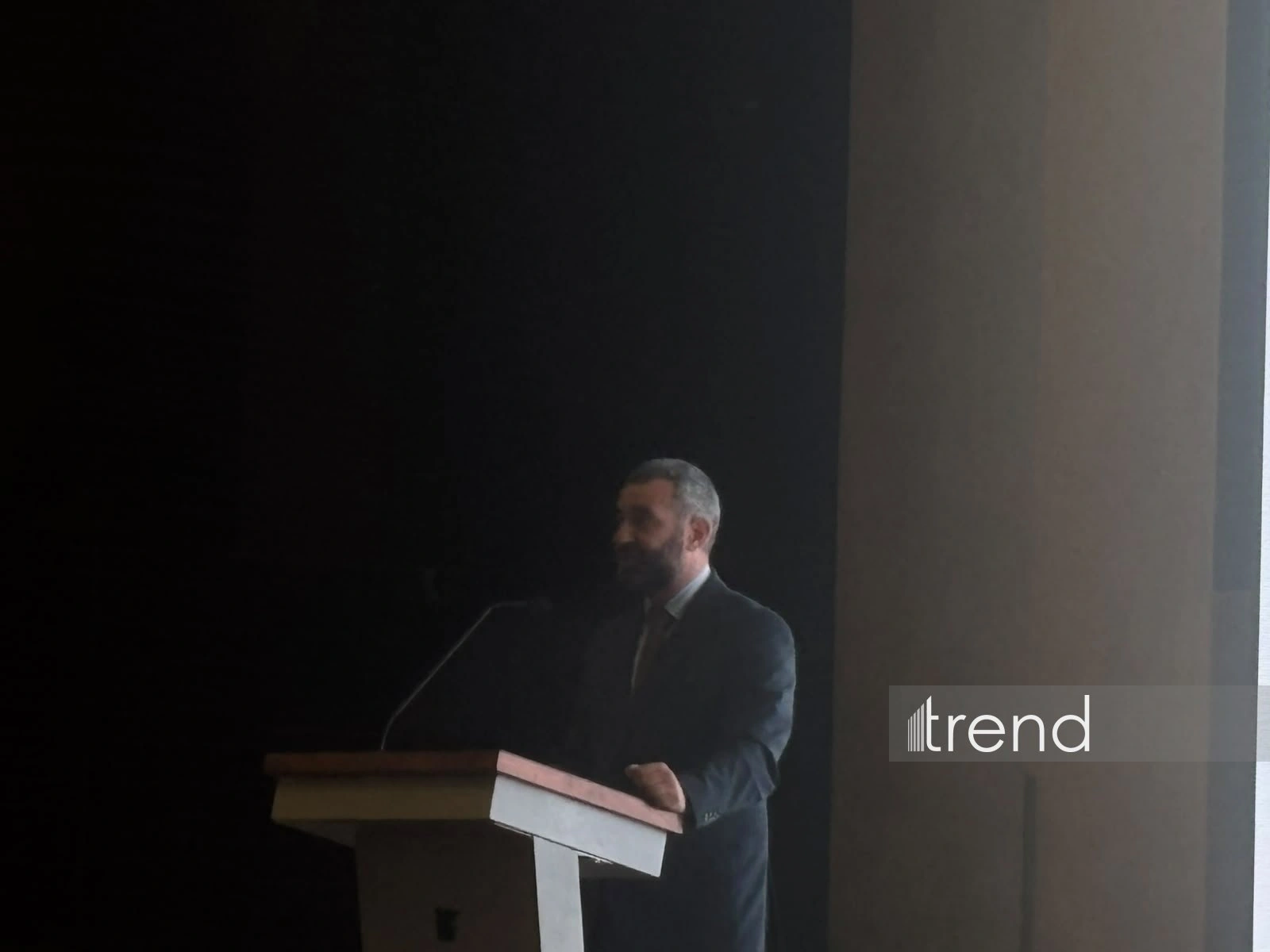
Caucasus, Wael Mansour said, Trend's correspondent reports from the event.
He made the statement at the event “Unlocking Tourism's
Potential to Drive Economic Growth and Diversification.”
According to him, despite changes in economic growth dynamics,
the economy’s fundamentals remain stable.
“The government has maintained a budget surplus, public debt
remains low, international reserves are at a sufficient level, and
the banking sector remains stable,” the World Bank representative
emphasized.
Mansour stated that as the role of the oil and gas sector as the
main source of growth diminishes, the economy needs new drivers of
development.
"That is precisely why today’s World Bank report focuses on
tourism, a sector with high potential for regional development, job
creation, and growth in the service sector. The hotel industry and
the information and communications technology sector have
maintained relatively stable growth. The labor market has shown
positive trends. Employment growth continued throughout the year.
More importantly, new jobs were created primarily by the private
sector, not the public sector,” he said.
According to Mansour, the unemployment rate fell from 5.3% to
5.2%, and approximately 75,800 net jobs were created over the
course of the year.
"As external conditions improved, the overall inflation rate
fell significantly. Against the backdrop of slowing inflation, the
Central Bank of Azerbaijan cut the discount rate twice in the
second half of 2025, by a total of 50 basis points. The current
account surplus in 2025 amounted to about 4.6% of GDP, and the
budget remained in surplus. Public debt remains very low—at about
20% of GDP. This allows the country to maintain significant fiscal
space to respond to potential external shocks and finance measures
to diversify the economy. In 2026, the World Bank expects economic
growth to accelerate thanks to the stabilization of the oil sector
and a gradual recovery in consumption in the non-oil economy. In
the medium term, the government intends to maintain a balanced
macroeconomic policy. “Medium-term fiscal policy is geared toward
the long-term sustainability of public finances. A prudent fiscal
policy helps strengthen market confidence and has a positive impact
on credit ratings, borrowing costs, and foreign direct investment
inflows,” the World Bank representative said.
According to him, steady progress toward a peace agreement in
the Caucasus, along with the implementation of new regional
connectivity projects, has the potential to significantly boost
Azerbaijan’s medium-term economic growth rates.
He added that the key role in ensuring further economic growth
and creating new jobs should shift to the private sector.
“The economy needs new drivers of growth to create jobs, attract
investment, and capitalize on opportunities related to the
development of regional connectivity. As our report shows, the
tourism sector has unique potential to become one of those
drivers,” Mansour emphasized.