BAKU, Azerbaijan, July 7. Uzbekistan is
accelerating the digital transformation of its public
administration, startup ecosystem, and telecommunications
sector.
This was reflected in the statement published by the press
service of the Uzbek president.
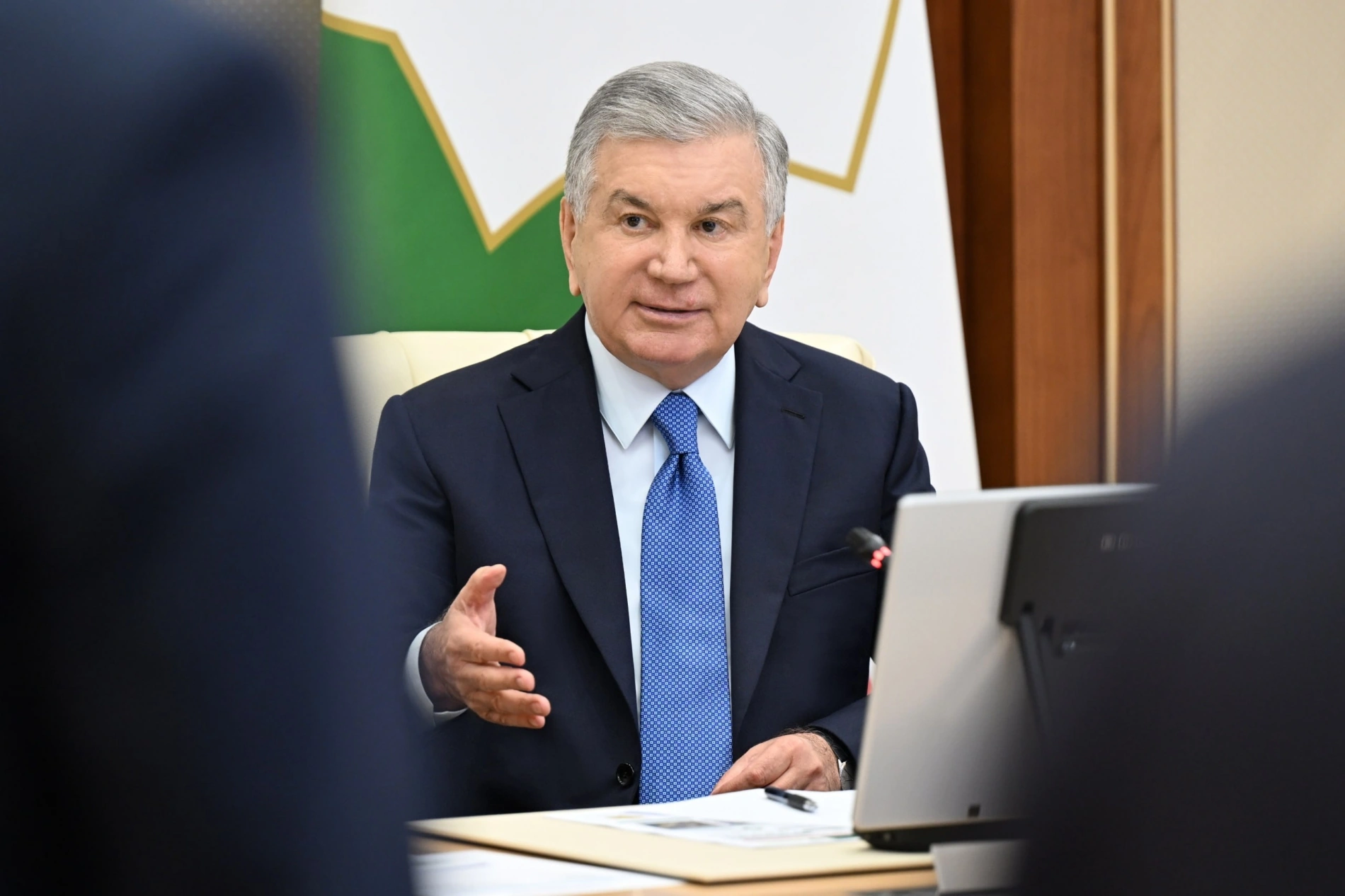
According to the statement, President Shavkat Mirziyoyev
reviewed proposals for the introduction of a unified integrated
digital platform for public administration, the development of the
national startup ecosystem, and measures to improve the business
environment in telecommunications.
The initiatives come as Uzbekistan continues expanding digital
government services. The country has moved up 24 positions in the
United Nations e-government development ranking, with authorities
setting a target of entering the top 30 countries globally by
2030.
The number of digital public services is expected to reach 860
in 2025, with the number of users projected at 15.5 million people,
compared with 525 services used by 4 million people in 2024.
“The development of digital public services is becoming one of
the key priorities of Uzbekistan’s modernization agenda, aimed at
improving convenience for citizens and reducing administrative
barriers for businesses,” it was said during the presentation.
The proposed integrated digital governance platform will combine
data on regional economies, investments, environmental indicators,
security issues, public concerns, mahalla welfare levels, and
geospatial information. Using artificial intelligence technologies,
the system will analyze data, identify regional challenges in
advance, monitor the implementation of government decisions, and
improve resource allocation.
President Mirziyoyev instructed authorities to launch the
digital management system in Tashkent this year and expand it to
all regions starting from 2026.
Another major initiative involves the creation of a unified
national classification system for goods and services. Currently,
customs, tax, statistical, and other government agencies use
separate classification systems, creating additional costs for
businesses and complicating data exchange.
The new system is expected to reduce bureaucratic procedures,
improve coordination between state institutions, and increase the
accuracy of statistical reporting.
Uzbekistan also plans to establish a national navigation system
to reduce reliance on foreign platforms. The system will provide
standardized geospatial data and support transportation, logistics,
emergency services, urban planning, and digital government
services.
The country is also targeting significant growth in the IT
sector. By 2030, Uzbekistan aims to increase IT service exports to
$5 billion, create 5,000 active startups, and attract $2 billion in
investment into the sector.
According to the presentation, Uzbekistan improved its position
by 31 places in the StartupBlink global ranking, becoming the
world’s fastest-growing startup ecosystem. Tashkent ranked first
among Central Asian cities, while Samarkand and Fergana entered the
global top 1,000 startup cities for the first time.
“Uzbekistan is creating conditions to attract international
talent, investors, and technology companies by expanding startup
support mechanisms and improving access to global markets,” the
government noted.
As part of these efforts, authorities plan to launch the Talent
Hub program, allowing foreign specialists and investors to remotely
register companies, open bank accounts, and obtain international
banking cards. The government also proposed extending tax
incentives for IT Park resident companies until 2040 and expanding
programs such as IT Visa and Zero Risk.
Additional support measures include partial compensation for IT
exporters’ expenses related to employee salaries, relocation of
foreign customers and specialists, and international certification
costs. More than 20 acceleration programs are also planned in
Bukhara and Fergana to help startups enter international
markets.
The telecommunications sector remains another focus area of
reform. Over recent years, Uzbekistan has increased telecom service
coverage from 41 percent to 98 percent, while overall internet
capacity has expanded 65 times.
However, authorities noted that telecom businesses remain less
attractive for domestic entrepreneurs, particularly in remote areas
where fixed internet penetration remains low.
To improve the sector’s investment environment, Uzbekistan plans
to merge two types of licenses related to telecommunications
network design and construction and reduce the licensing period
from 25 to 10 working days.
The government will also introduce requirements for new
apartment buildings to include high-speed internet infrastructure
during construction, supporting wider access to fiber-optic
connectivity.
Young entrepreneurs entering the telecommunications sector will
be eligible for preferential loans of up to 530 million soms (about
$44 075) for seven years, including a two-year grace period, at an
interest rate of 15 percent under the “Kelajak tadbirkori”
program.