BAKU, Azerbaijan, July 4. Uzbekistan produced
505.9 trillion soms ($42.3 billion) worth of industrial goods in
the first five months of 2026.
Data released by Uzbekistan’s National Statistics Committee of
Uzbekistan showed that the industrial production index stood at
107.9% compared to the same period last year.
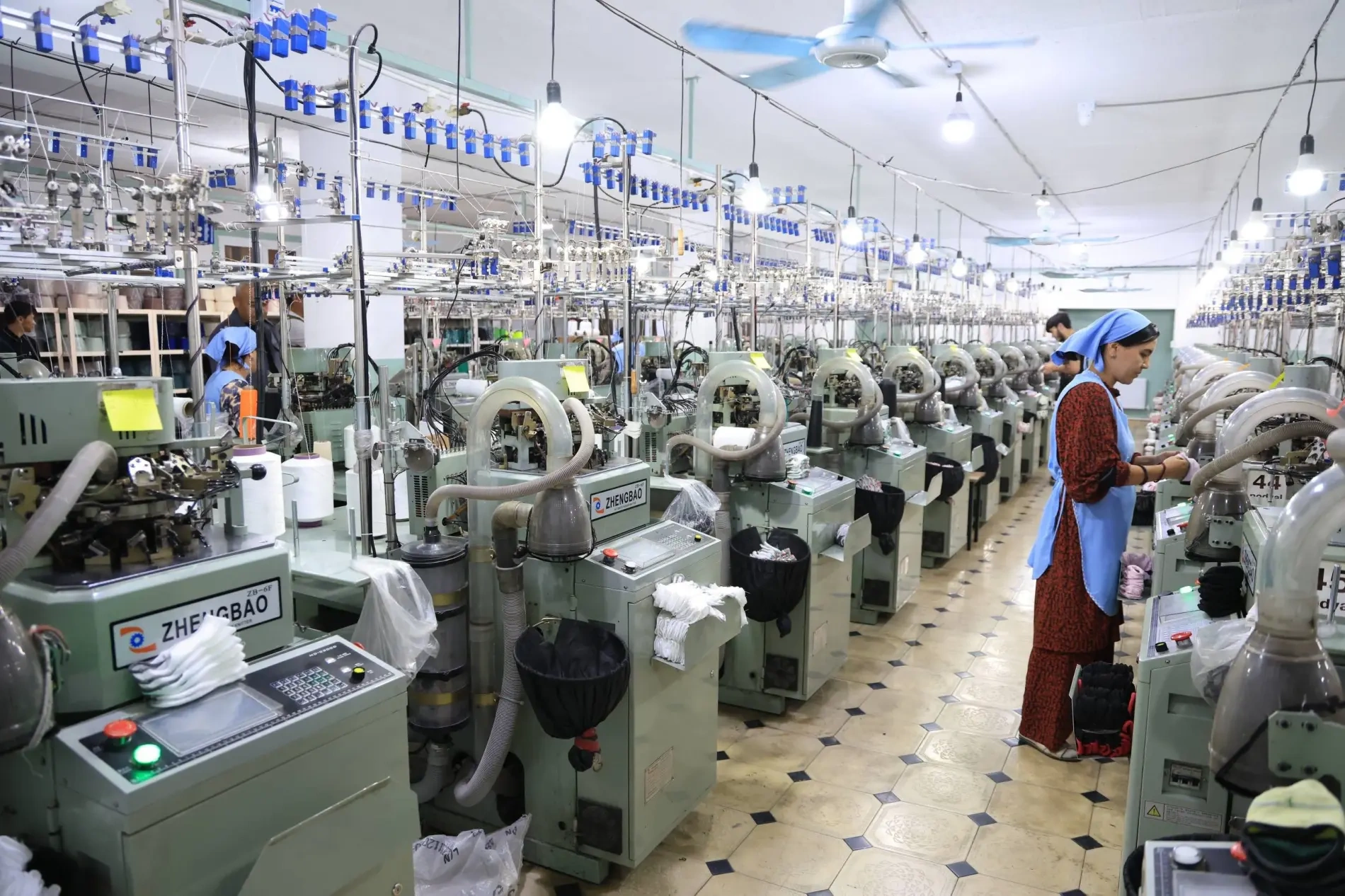
The country’s manufacturing sector remained the dominant
contributor, accounting for 86.2% of total industrial output. The
mining sector made up 6.9%, while electricity, gas, steam and air
conditioning supply represented 6.4%. Water supply, sewerage, waste
collection and disposal accounted for the remaining 0.5%.
Growth in industrial production was mainly driven by
manufacturing, which expanded by 8.6% year-on-year. Output in the
utilities sector rose by 3.7%, while mining increased by 6.3%.
Water and waste management posted the highest sectoral growth at
7.7%.
Among manufacturing branches, the strongest growth was recorded
in the production of machinery and equipment, which nearly doubled,
rising 1.9 times compared to January-May 2025. Production of wood
and cork products, excluding furniture, as well as straw and
plaiting materials, increased 1.7 times.
At the same time, some industries recorded declines. Output in
the tobacco sector fell to 91.6% of the previous year’s level,
while metallurgical production slipped to 98.3%.
The figures show that Uzbekistan’s industrial growth remains
solid, though more moderate compared to the rapid expansion seen in
trade and services. With industrial output at over 505 trillion
soms (about $42.3 billion), the sector remains one of the largest
contributors to GDP and a key pillar of economic diversification,
due to Trend's
analysis.
The fact that 86.2% of industrial production comes from
manufacturing highlights the country’s continued shift away from
raw-material dependence toward value-added production. This aligns
with Uzbekistan’s long-term strategy to expand domestic processing
and reduce reliance on imports.
The strongest signal in the data is the 1.9-fold increase in
machinery production, suggesting rising investment in industrial
equipment, infrastructure, and modernization. This often reflects
broader capital spending trends and can indicate stronger future
productivity.
At the same time, weaker performance in tobacco (-8.4%) and
metallurgy (-1.7%) points to uneven sectoral demand. Since
metallurgy is closely linked to construction and exports, even a
slight decline may signal softer external demand or adjustments in
commodity markets.
"Overall, the 7.9% industrial growth rate remains above regional
averages and supports Uzbekistan’s broader economic momentum.
However, sustaining this pace will likely depend on continued
investment, export diversification, and energy stability as
industrial demand expands." the Trend's analysis said.