BAKU, Azerbaijan, March 27. Freight rates for
shipping crude oil from the Middle East to Asia surged to their
highest level in decades in March, highlighting mounting pressure
in global energy logistics, Trend reports citing the data from Argus Freight.
The U.S. Energy Information Administration (EIA) notes that the
price increase followed Iran’s closure of the Strait of Hormuz on
March 2.
“The Strait of Hormuz is an important chokepoint, connecting the
Persian Gulf to the Gulf of Oman and Arabian Sea. The physical risk
of attacks on vessels attempting to traverse the Strait of Hormuz,
as well as the high cost of war risk insurance for vessels to do
so, drove crude oil tanker rates from the Middle East Gulf to all
destinations to record highs,” said the EIA.
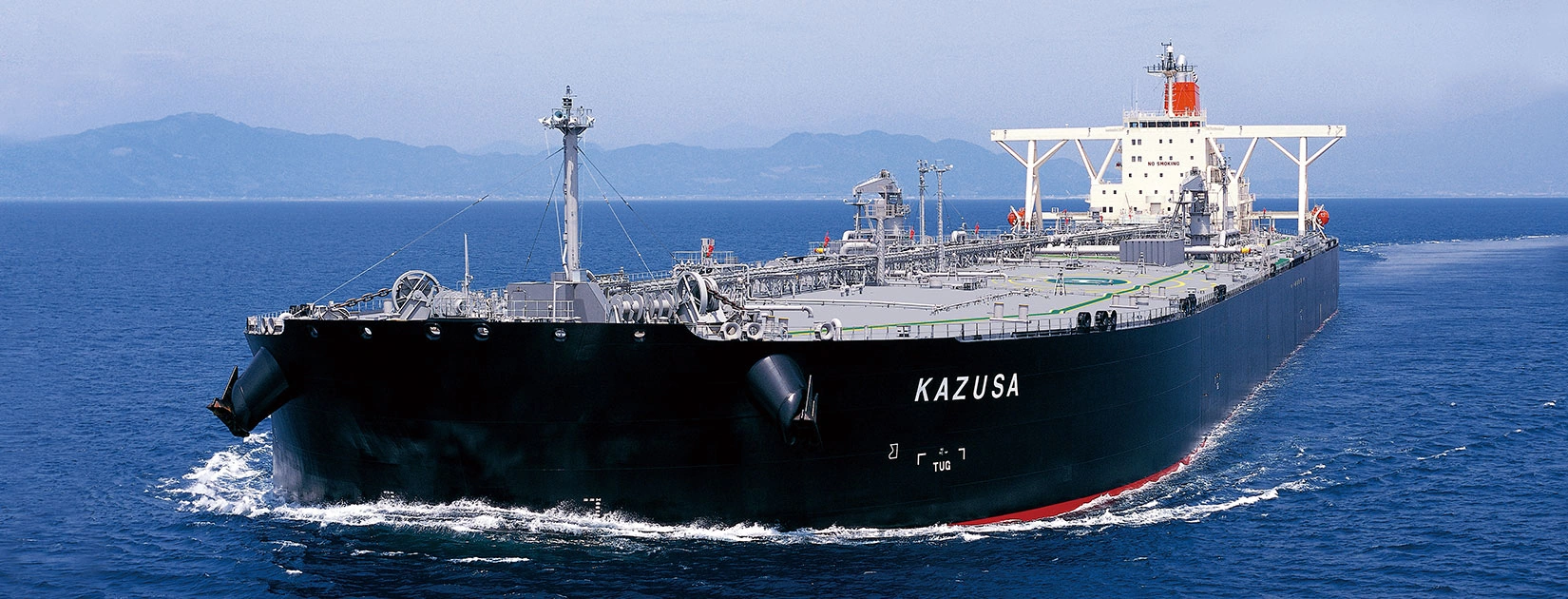
Weekly rates for Very Large Crude Carriers (VLCCs) on the key
Middle East–Asia route spiked to around $14 per barrel, a sharp
jump from typical levels of $1–$3 per barrel seen over much of the
past decade, the data showed.
The latest spike significantly exceeds previous peaks, including
those recorded during the 2008 financial crisis, when rates briefly
climbed to about $6–$7 per barrel, and in 2020, when disruptions
during the COVID-19 pandemic pushed rates above $6 per barrel.
For most of the period between 2010 and 2023, tanker rates
remained relatively subdued, fluctuating largely between $1 and $3
per barrel, reflecting stable supply-demand conditions and ample
shipping capacity. However, since late 2024, rates have shown
increased volatility, culminating in the sharp March surge.
EIA notes that the high risk and effective closure of the Strait
has led to a backup of vessels confined in the Persian Gulf that
had already loaded crude oil from various Gulf countries. The
confined vessels reduce the availability of global tanker capacity,
which increases tanker rates.
“Crude oil tanker rates from the Americas, especially the U.S.
Gulf Coast, also rose to record highs because of high demand for
crude oil and fewer vessels available for shipment.
Clean tanker (used for petroleum products) and natural gas
carrier rates have also increased. On March 17, the U.S. Department
of Homeland Security issued a temporary waiver for compliance with
the Jones Act, which may contribute to additional shifts in global
shipping and tanker availability,” said the EIA.