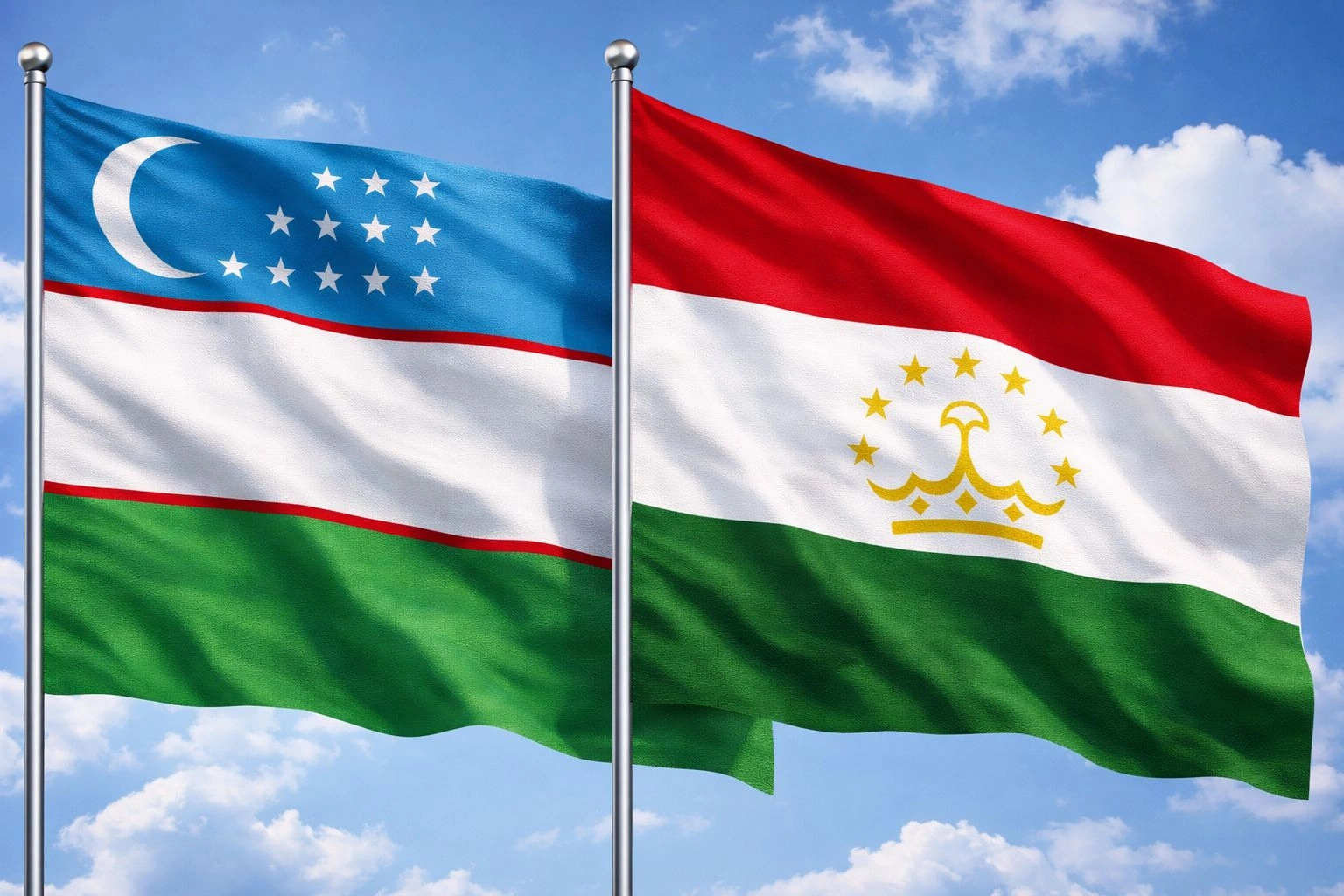
BAKU, Azerbaijan, March 24. The II
Interregional Forum “Uzbekistan–Tajikistan” will be held in the
Jizzakh region on March 24 and is viewed by the two sides as
another step toward deepening economic cooperation and expanding
interaction at the regional level.
The forum is expected to focus on strengthening trade and
economic ties, launching new investment projects, and enhancing
industrial cooperation between the border regions of the two
countries.
The growth of bilateral trade makes such a format particularly
relevant. In 2025, trade turnover between Uzbekistan and Tajikistan
reached $912.3 million, increasing by nearly 85% compared to 2020,
when mutual trade amounted to $493.1 million. Uzbekistan’s exports
accounted for the largest share, totaling $683.1 million, or 74.9%
of total bilateral trade, while imports from Tajikistan reached
$229.2 million, or 25.1%. In the long term, the two countries aim
to increase trade turnover to $2 billion.
According to experts, the potential for further growth remains
significant and could increase by another 30-40% through the
replacement of Tajikistan’s imports from third countries with Uzbek
products, particularly in the industrial sector, including
automotive manufacturing, household appliances, the chemical
industry, and textiles. Additional opportunities are linked to the
development of joint processing facilities, the creation of
agro-logistics centers, and the expansion of cooperation in border
regions.
At the same time, the two sides increasingly emphasize the need
to strengthen the regional dimension of the partnership. Under
existing agreements, plans include expanding ties between the
Andijan, Namangan, Syrdarya, Fergana, and Khorezm regions of
Uzbekistan and the Sughd region of Tajikistan, as well as between
the Kashkadarya and Khatlon regions. Projects related to the
creation of joint ventures, development of the agro-industrial
sector, and expansion of cross-border trade are expected to be
discussed during the forum.
The growing number of joint projects is accompanied by increased
investment activity. As of February 1, 2026, 410 enterprises with
the participation of Tajik capital operate in Uzbekistan, including
102 joint ventures and 308 companies fully owned by investors from
Tajikistan.
An important mechanism supporting such initiatives is the
Uzbek-Tajik Investment Company, established following the first
interregional forum. The structure, with an authorized capital of
$50 million, where 75% is formed by the Fund for Reconstruction and
Development of Uzbekistan and 25% by TajInvest, serves as a
financial platform for implementing joint projects, and new
investment initiatives are expected to be discussed in Jizzakh.
An important area of cooperation likely to occupy an important
place on the forum’s agenda is also the development of transport
and logistics infrastructure. Growing trade requires expanding the
capacity of border crossings, creating logistics centers, and
modernizing road and railway routes. In particular, the sides are
working on expanding the capabilities of the Jartepa–Sarazm
crossing and developing border infrastructure, which should
accelerate cargo movement and reduce transport costs for
businesses. At the same time, discussions continue on connecting
the regions to international transport corridors linking Central
Asia with the markets of Iran, Türkiye, and Europe.
Another important area of cooperation remains the water-energy
sector, where Uzbekistan and Tajikistan have moved toward a more
coordinated approach in recent years.
The sides are developing cooperation in hydropower and the
rational use of water resources, including projects for the
construction of the Yavan and Fandarya hydropower plants, which are
viewed as elements of strengthening energy stability and expanding
economic cooperation. Energy cooperation issues are also expected
to be discussed during the interregional forum.
The II Interregional Forum “Uzbekistan–Tajikistan” is seen as a
transition to a more practical stage of cooperation. It is expected
that concrete projects in industry, logistics, energy, and
investment will be defined following the forum, which should
accelerate economic integration, strengthen ties between regions,
and create conditions for further growth in mutual trade.