European leaders are increasingly concerned that Donald Trump’s military focus on Iran could divert U.S. attention and resources away from supporting Ukraine, as noted by Politico.
According to four EU diplomats, governments fear the U.S. president could retaliate against allies for not assisting in the Middle East, “primarily by cutting off what’s left of U.S. help for Kyiv.”
French President Emmanuel Macron emphasised the importance of maintaining focus on Ukraine, saying, “The war in Iran ‘must not divert our attention from the support we give Ukraine.’”
Trump has criticised European countries for failing to help unblock the Strait of Hormuz and linked NATO involvement to Middle East efforts. In a Truth Social post, he wrote:
Further deepening EU concerns, Moscow proposed stopping intelligence-sharing with Iran if the U.S. ceased supplying Ukraine with intelligence, highlighting a potential tradeoff between Ukraine and the Middle East.
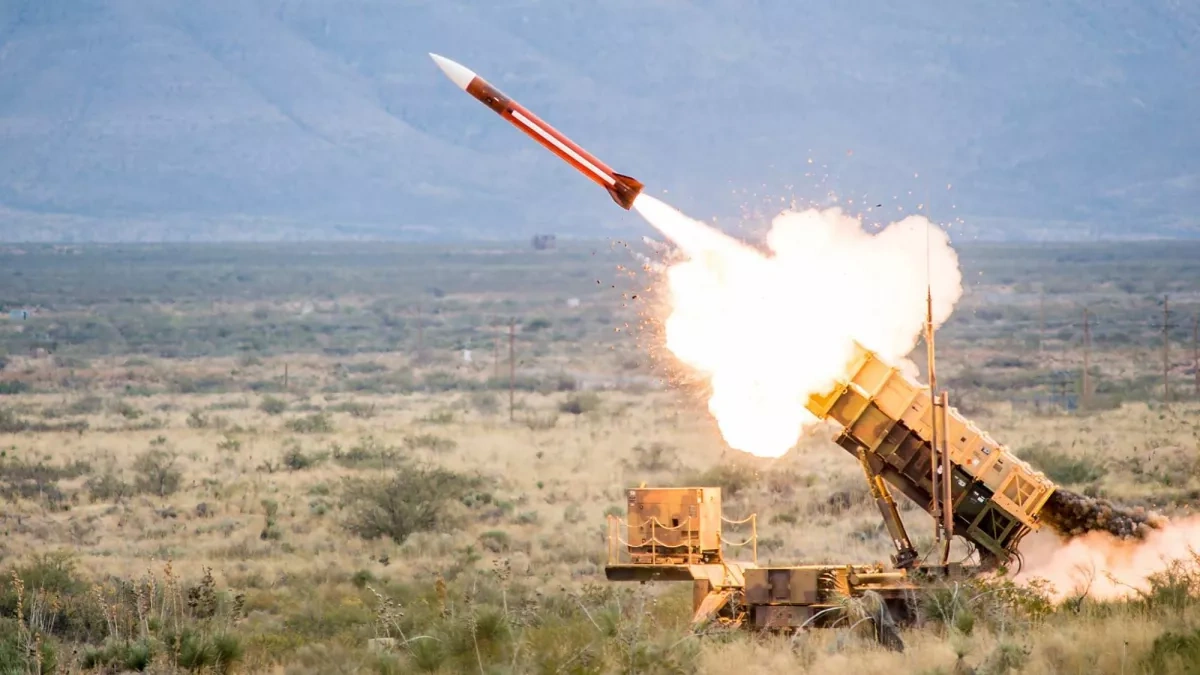
Diplomats warn that missile and air defence munitions used in the Middle East could reduce Ukraine’s defensive capabilities. One diplomat noted:
Another diplomat added:
Ukrainian President Volodymyr Zelenskyy expressed similar worries, telling the BBC he had a “very bad feeling” about the Middle East war’s impact on Ukraine and lamenting that U.S.-led peace negotiations with Russia are “constantly postponed.”
European leaders are ramping up efforts to support Trump’s Middle East objectives. Macron reassured Trump in calls that France would help clear the Strait when possible. A diplomat explained:
UK Prime Minister Keir Starmer also gave the U.S. permission to use British bases for strikes on Iranian sites and helped organize a statement from seven EU and allied countries expressing readiness “to contribute to appropriate efforts to ensure safe passage through the Strait.”
While Macron and German Chancellor Friedrich Merz have stated they do not intend to engage militarily in Iran, the focus remains on demonstrating European activity in the Middle East, which diplomats say is crucial both “in our interests, but also in Ukraine’s.”
By Aghakazim Guliyev