Ukraine has encountered another obstacle on its
Formally, the EU describes this as another technical pause in the negotiation process—a so-called "delay" before the summer recess of the expert groups. However, the situation has once again exposed the main challenge facing Kyiv today: even the successful fulfilment of Brussels' stringent requirements still does not guarantee real progress toward membership in the Union.
The accession negotiations with the European Union are divided into six thematic clusters, encompassing 33 negotiating chapters, each covering a separate area of reforms. To move from one stage to the next, the consent of all 27 member states is required. According to the European Commission's assessment, Ukraine has fulfilled the technical criteria necessary to open all six negotiating clusters. Nevertheless, at the meetings of the Council of the European Union's Working Party on Enlargement (COELA), the political factor once again proved stronger than technical preparedness.
Budapest's official position is presented through the prism of fairness. The Hungarian authorities oppose any accelerated procedure for Ukraine, arguing that Kyiv should not enjoy more favourable conditions than other candidate countries. This primarily refers to the Western Balkan states, which have been following this
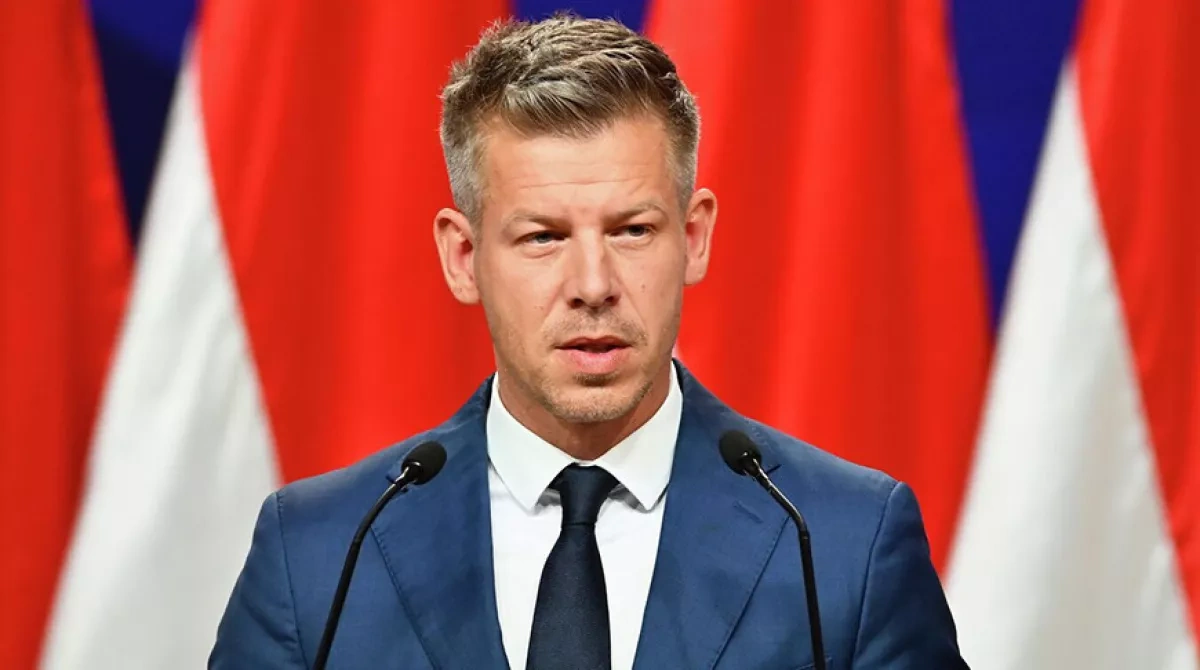
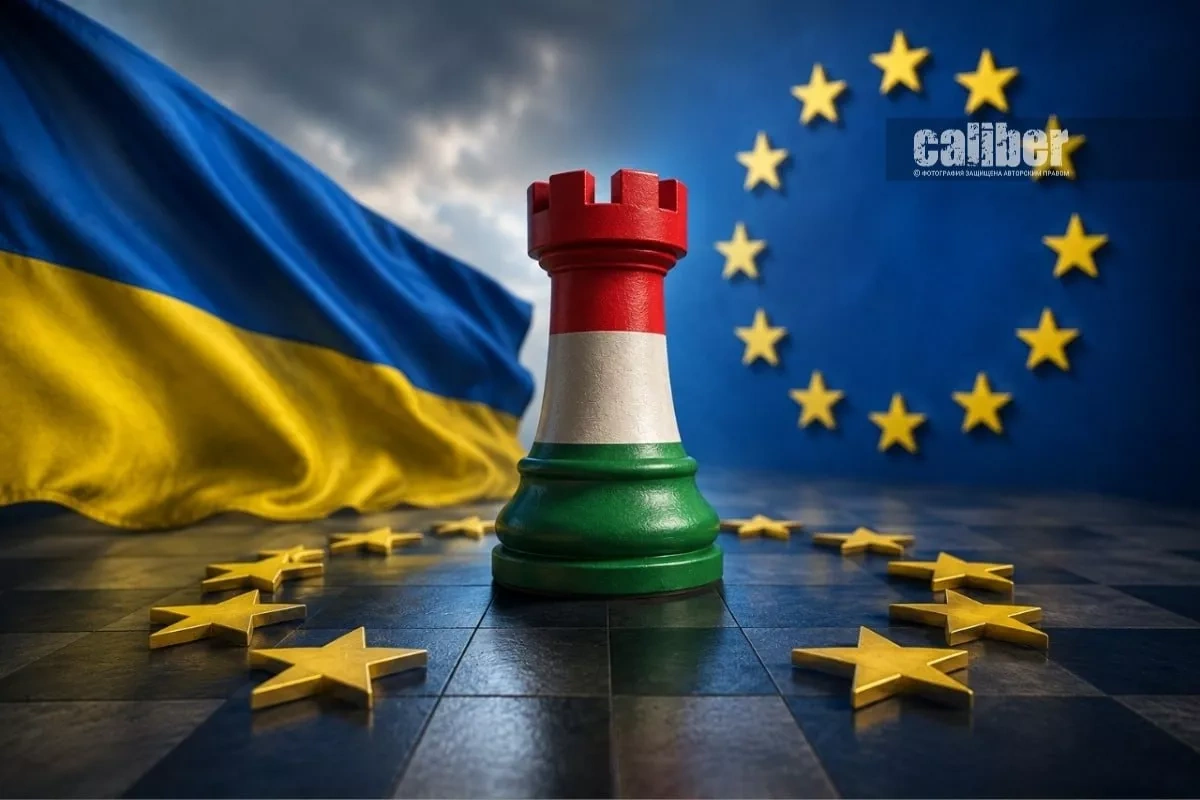
Interestingly, the radical change of government in Hungary has done little to alter this paradigm. After the departure of long-time leader Viktor Orbán, many in Brussels expected the new Prime Minister, Péter Magyar, to adopt a much more flexible and conciliatory position. Indeed, in June, Budapest agreed to unblock the launch of the overall accession negotiations and the opening of the fundamental Cluster No. 1 ("Fundamentals") after Kyiv signed a historic agreement concerning the rights of the Hungarian minority in Zakarpattia and incorporated these provisions into its EU Action Plan on National Minorities, committing to gradually integrate these changes into Ukraine's national legislation. Despite this, only a few weeks after the agreement was reached, the new Tisza Party government led by Magyar once again exercised its veto power.
At the recent COELA meeting, the Hungarian delegation took a distinct position: it approved Moldova's progress under Cluster No. 3 but vetoed similar steps for Ukraine. Since the majority of EU member states refused to artificially separate the "package approach" for Kyiv and Chișinău, the process was blocked for both countries. This suggests that Hungary's firm stance toward Ukraine's integration is not merely the personal position of a particular politician, but rather a consistent state policy and a pragmatic economic approach.
At the same time, Brussels is not publicly inclined to dramatise the situation. According to the Financial Times, one European diplomat described the delay as merely a "temporary obstacle," expressing confidence that the disagreements could be resolved through political means. The European Union expects the issue to return to the agenda immediately after the summer recess, at the next meeting of experts scheduled for September 1. However, EU officials acknowledge that overcoming Hungary's veto will now require direct and substantial political pressure from the key capitals of the EU member states.
The situation has once again clearly demonstrated a key feature of the European Union's enlargement mechanism. As long as the process concerns the fulfilment of purely technical criteria and legislation, much depends on the candidate country itself. However, the closer the negotiations come to the issues of actual membership and market integration, the greater the role played by the national economic and political interests of individual EU member states.
It is possible that Hungary is not the only country approaching the prospect of rapid European Union enlargement with caution. However, Budapest has assumed the public role of the principal opponent of Ukraine's accelerated accession, while most other member states prefer to maintain their unwavering political support for Kyiv.
The history of EU enlargement also shows that the opening of accession negotiations does not, in itself, mean a swift conclusion. Montenegro has been negotiating for more than a decade, while Türkiye, despite retaining its candidate status, has remained in the process for over two decades. Thus, the current delay is unlikely to be the last obstacle on Ukraine's