BAKU, Azerbaijan, March 23. On March 15,
Kazakhstan held a referendum in which 87.15% of voters supported
the adoption of a new Constitution. This event signaled the start
of a major restructuring of the country’s economic model.
Authorities emphasize that the updated Basic Law serves as a
foundation for attracting high-quality capital.
The need for such changes is confirmed by the numbers: in the
first nine months of 2025, Kazakhstan’s inflow of foreign direct
investment rose by 10.9%, reaching 14.9 billion dollars. To
maintain this trend, the government needs to offer businesses
long-term predictability.
In today’s economy, especially in the banking and technology
sectors, data is effectively treated as a core asset. The absence
of strong legal guarantees in cybersecurity creates direct risks
for investors, including the loss of intellectual property or
client databases. In this context, enshrining data protection in
Article 21 of the Constitution becomes a tool for minimizing
operational risks. Plans include restricting the export of data
from state databases. Strengthening liability and introducing
technical standards for data masking aim to assure businesses of
the security of their digital assets in Kazakhstan. Fines for
violations will rise to 5,000 MCI (Monthly Calculation Index), and
criminal liability is being considered for large-scale data
breaches.
Another important instrument is decentralization and the
creation of new economic growth points. Article 5 of the new
Constitution allows for the introduction of a “city of accelerated
development” regime. The first such project will be Alatau. The
draft law on its special status, which the Mazhilis plans to review
in the second reading on March 27, provides for the use of
international standards, special tax conditions, and the
development of the digital asset market.
At the same time, a special constitutional law is planned to
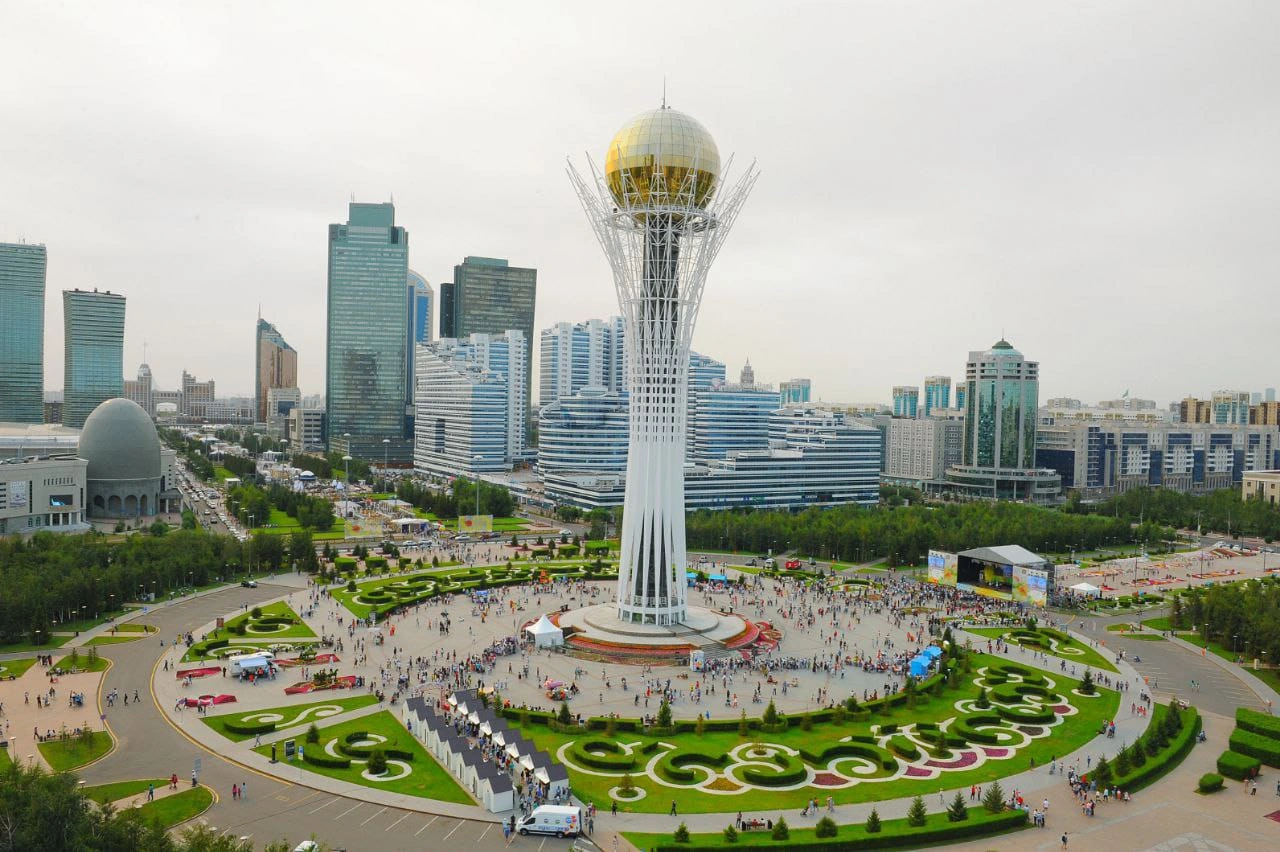
formalize the status of Astana. The capital will have special
management mechanisms in urban planning, migration, and
transportation. According to Deputy Prime Minister and Minister of
National Economy Serik Zhumangarin, these initiatives aim to
attract investment and increase the efficiency of local
governance.
The approach to human capital is also changing. Updated Article
3 effectively transforms science into a direct productive force in
the economy. Universities will gain greater academic freedom, and
endowment funds are being established to support them-the first
such fund was registered in February 2026.
Meanwhile, on December 31, 2025, the government approved a new
Investment Policy Concept through 2030. Its primary goal is to make
the capital attraction system flexible and modern.
An important step is the reform of social-entrepreneurial
corporations (SECs). They are now full-fledged regional development
institutions. Their task is to create industry clusters around
which small and medium-sized businesses can grow. At the same time,
procedures in special economic zones are being simplified, making
it easier for investors to enter sites and start production.
Special attention is given to a “legal shield” for business. The
functions of the Investment Ombudsman have been transferred to the
General Prosecutor. This sends a strong signal: the protection of
investors’ rights is now handled at the highest supervisory level.
To ensure operational control, special investment prosecutors will
be appointed in the regions, tasked with supporting projects and
preventing administrative pressure locally.
In addition, a “green corridor” is being introduced for reliable
market participants, an accelerated procedure for obtaining public
services. All business requests will now flow through a single
window, the Kazakhstan Investment House - relieving investors from
navigating multiple offices.
In a context of global uncertainty, the new Constitution,
together with complementary measures, is intended to reduce
investment risks for Kazakhstan. Enshrining investors’ rights, the
status of innovation zones, and data protection at the highest
legal level makes the economic environment more predictable. In the
long term, this will help the country reduce its dependence on the
raw materials sector, turning intellectual potential and
transparent law into key factors of sustainable economic
growth.