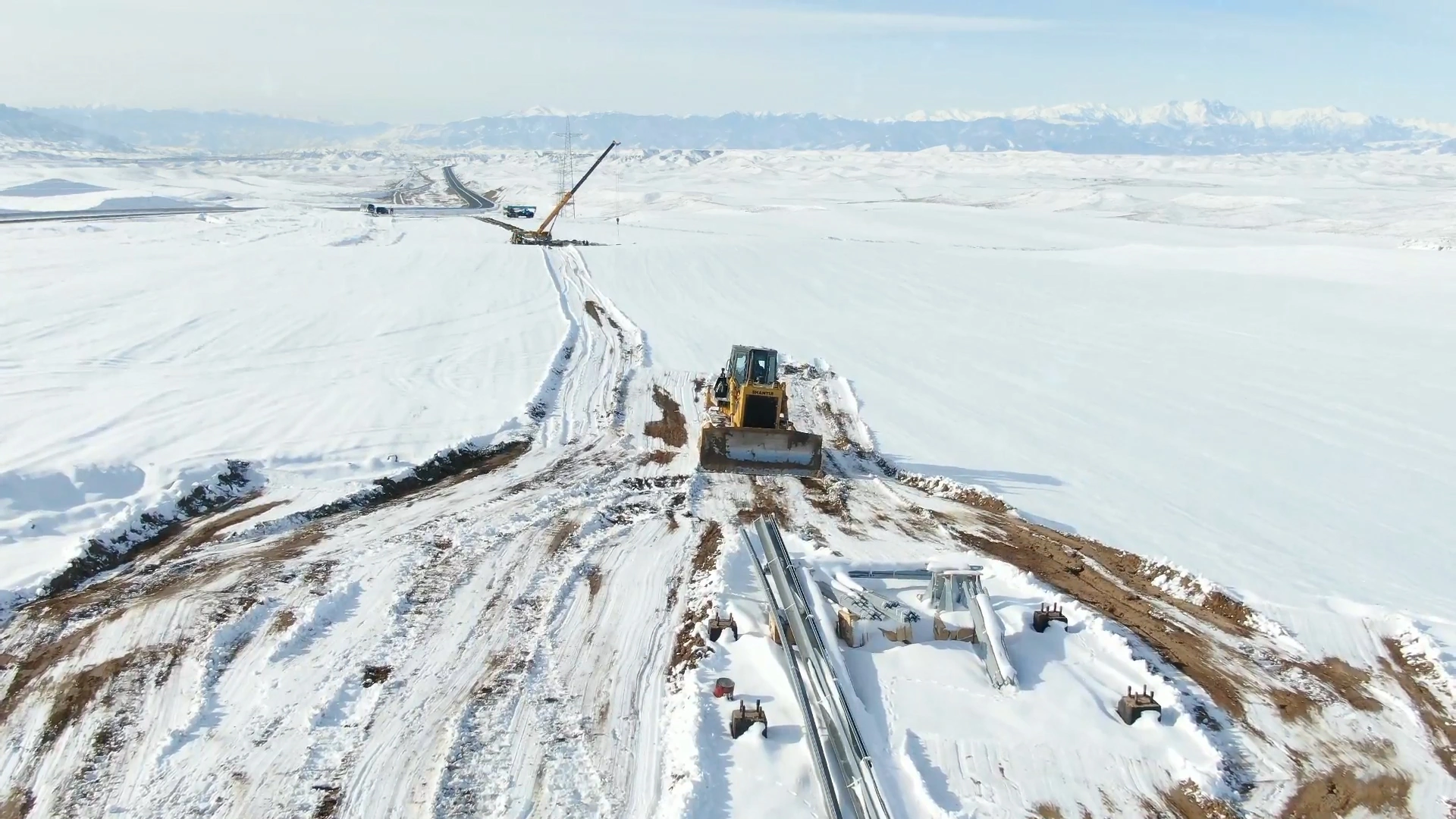
BAKU, Azerbaijan, February 2. The construction
of the Zangazur high-voltage power line, aimed at linking
Nakhchivan to Azerbaijan’s main energy grid and paving the way for
the Azerbaijan-Türkiye-Europe international energy corridor, is
shaping up to be one of the South Caucasus’ most pivotal
infrastructure projects in recent times. The initiative aims not
only to integrate the isolated region internally but also to create
a new framework for cross-border electricity supply between the
Caspian region and European markets.
The project involves building a 74-kilometer, 330-kilovolt,
1,000-megawatt double-circuit high-voltage power transmission line
linking Jabrayil to Aghband, while a 105-kilometer line from
Nakhchivan to the Ordubad border is also under development. The
route runs along the Araz River and cuts through mountainous and
rocky terrain in several sections, making the project both
technically complex and capital-intensive.
The next phase involves building an additional 44-kilometer
transmission line through the Zangezur Corridor, connecting to the
Aghband and Ordubad routes. In Nakhchivan city, a new 330-kilovolt
substation is taking shape on 49 hectares of land, with
mobilization work already underway.
The Azerbaijan-Türkiye-Europe Energy Corridor project will
continue with a 230-kilometer, 400-kilovolt power line from
Nakhchivan to Türkiye and the construction of the country’s first
400-kilovolt converter station. This development elevates the
initiative beyond national infrastructure, transforming it into a
vital international transit route.
For Nakhchivan, the project is a game-changer. Historically
isolated from Azerbaijan’s main power grid and dependent on
external sources for frequency regulation, Nakhchivan’s connection
to the national network enhances energy stability, reduces
operational risks, and strengthens local supply resilience.
The region already boasts a diversified energy mix. In 2025,
power plants in Nakhchivanenergy LLC’s operational zone generated
507.6 million kWh of electricity, with 321.7 million kWh (63.4%)
from thermal plants, 125.1 million kWh (24.7%) from hydroelectric
plants, and 60.7 million kWh (11.9%) from solar and hybrid
solar-wind facilities. In total, 36.6% of generation comes from
alternative and renewable sources, positioning Nakhchivan not just
as a consumer but also as a potential exporter of “green”
electricity.
Beyond Azerbaijan, the Zangezur line is shaping up as an
electrical counterpart to the region’s transport and gas corridors,
positioning the country as a strategic energy logistics hub between
East and West. For Türkiye, the project diversifies electricity
imports, eases domestic grid pressures, and opens pathways for
further renewable integration. European countries, meanwhile, gain
access to Caspian hydro and solar power, supporting decarbonization
goals and the development of interconnectors.
In essence, the Zangezur line is more than a power transmission
project; it is the foundation for a new regional energy ecosystem.
It bolsters Azerbaijan’s position as a key player in transit and
export, gives Türkiye a leg up with extra capacity and flexibility,
and serves Europe a dependable and possibly eco-friendly energy
option.
As the project advances, the South Caucasus’ energy landscape is
becoming increasingly interconnected, proving that large-scale
interconnection projects, not individual power plants, are now
defining the balance of power in the modern energy sector.
Stay up-to-date with more news on Trend News
Agency's WhatsApp channel