BAKU, Azerbaijan, December 30. A developed
Middle Corridor has the potential to foster fintech growth across
borders, increase trade flows, and deepen economic integration,
says the Asian Development Bank (ADB), Trend reports.
“For the corridor to achieve digitalization, arrangements for
cross-border data exchange and digital infrastructure governance
will be needed, matched by timely coordination and a cross-sector
approach. Mutual recognition of licenses would be helpful, and
could be allied with the approach embodied in the mBridge and
Aperta projects for cross-border trade finance and cross-border
open banking (both involving Georgia),” reads the latest ADB
report.
The Bank analysts point out that fintech-enabled regional
cooperation among the Middle Corridor countries—including
Azerbaijan, China, Georgia, Kazakhstan, and Turkmenistan, along
with Türkiye—could serve as a new financial infrastructure enabler
within a broader CAREC perspective.
“The Middle Corridor concept could evolve into an interesting
fintech value proposition for other countries within the region.
The potential for fintech-enabled regional cooperation throughout
the Middle Corridor could be thought-provoking, even for those most
skeptical about the real benefits of cross-country fintech
cooperation. The identification of fintech-related enablers and
actions under the Middle Corridor road map could be a starting
point for the establishment of a cross-border sandbox, drawing in a
wider range of regional authorities, and promoting common
principles for open banking through relevant regional forums,” the
report says.
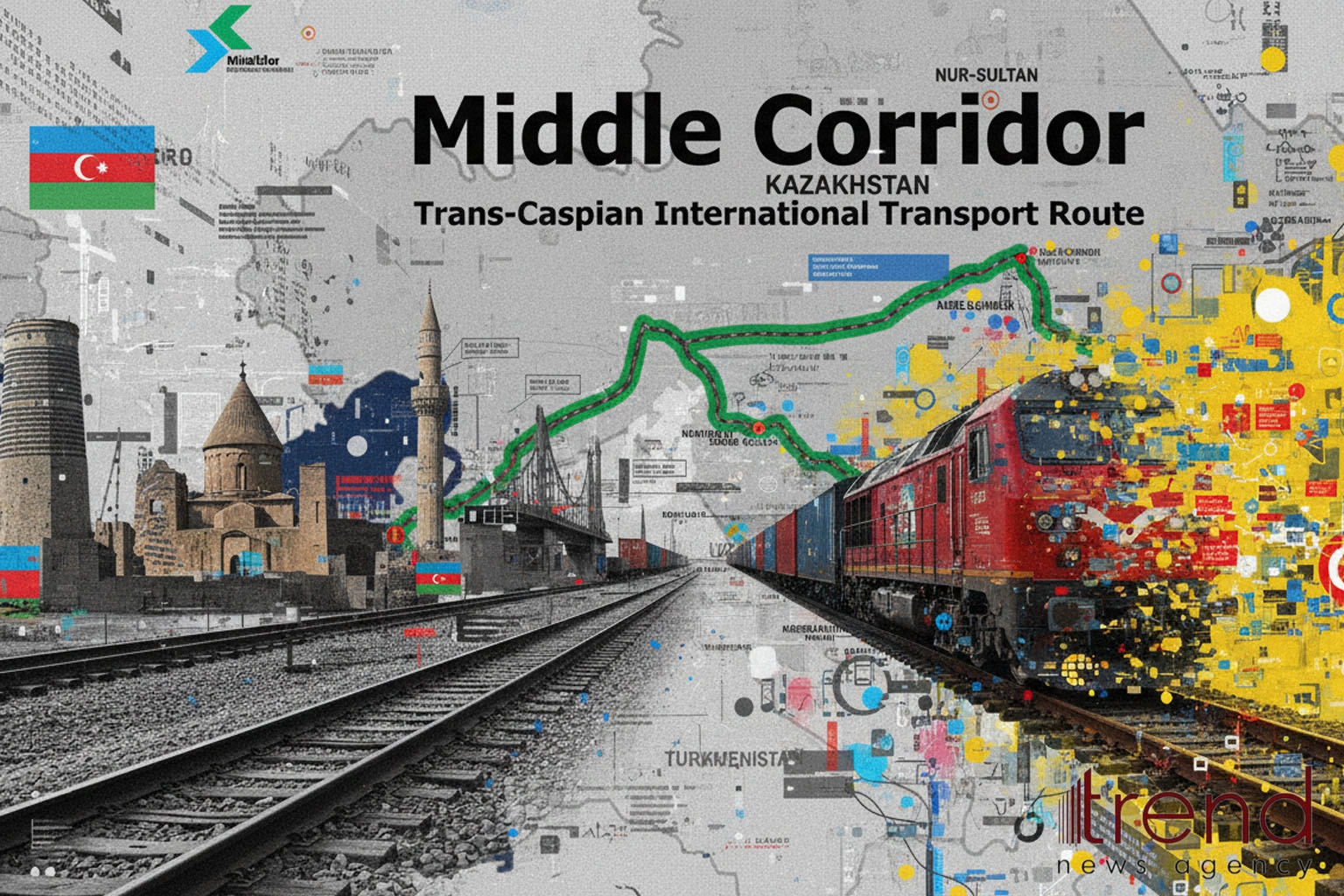
The Middle Corridor (also known as the Trans-Caspian
International Transport Route, TITR) is a transport and trade route
connecting Asia with Europe, serving as an alternative to the
traditional Northern and Southern corridors. It begins in China,
passes through Central Asian countries such as Kazakhstan,
Uzbekistan, and Turkmenistan, crosses the Caspian Sea via
Azerbaijan, continues through Georgia and Turkey, and finally
reaches Europe. This overland route bypasses longer maritime paths,
linking eastern Asia, including China, directly to Europe.