BAKU, Azerbaijan, December 29. Iran welcomes
the support for the constructive efforts of regional countries
aimed at reducing tensions in the region, said Esmaeil Bagaei,
spokesman for the Iranian Ministry of Foreign Affairs (MFA),
Trend
reports.
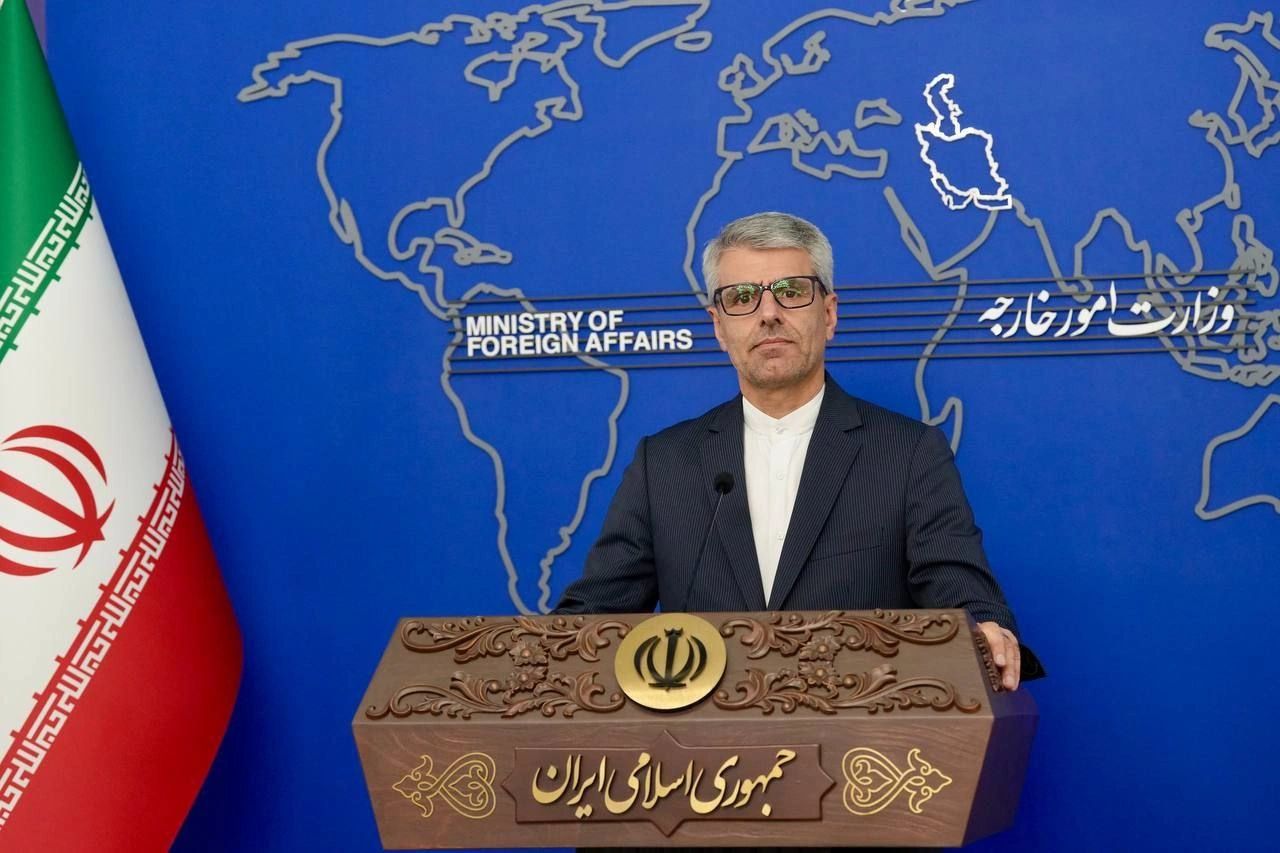
Speaking at a press conference in Tehran regarding Iraqi Prime
Minister Mohammed Shia Al-Sudani’s plan to hold a meeting in
Baghdad between Tehran and Washington to facilitate dialogue,
Bagaei emphasized that, based on the experience of the past five to
six months, Iraq and other regional countries understand the
importance of adhering to discussion procedures to initiate a
proper process. He noted that discussions cannot reflect reality if
the issue is not kept at the center of attention.
The spokesman underscored that Iran has consistently upheld its
dedication to diplomatic engagement, which functions as a strategic
mechanism for safeguarding the nation’s sovereign interests.
“If it is determined that this process is an effective means of
safeguarding national interests, it will be immediately utilized,”
he said.
Meanwhile, on April 12, 19, and 26, and May 11 and 23, five
rounds of indirect talks on Iran's nuclear program were held
between Iran and the U.S. The indirect talks were organized through
the mediation of the Minister of Foreign Affairs of the Sultanate
of Oman, Sayyid Badr bin Hamad Al Busaidi, and were led by Foreign
Minister Seyyed Abbas Araghchi on the Iranian side and Steve
Witkoff on the American side. The first, third, and fourth rounds
of talks were held in Muscat, the capital of Oman, and the second
and fifth rounds were held in Rome, the capital of Italy.
On the morning of June 13, Israel launched a series of
airstrikes targeting Iran, resulting in the deaths of numerous
high-ranking military officials, generals, nuclear scientists, and
other senior figures.
That same evening, Iran retaliated with Operation True Promise
III, a large-scale missile and drone assault on multiple targets,
including Tel Aviv, which caused civilian casualties and extensive
damage.
On June 22, the United States conducted airstrikes on three
Iranian nuclear facilities, with reports indicating the destruction
of these sites.
The following evening, June 23, Iran launched airstrikes on a
U.S. military base in Qatar, further escalating tensions in the
region.
On June 24, the Israeli Prime Minister’s Office announced that
Israel had agreed to a ceasefire with Iran, facilitated by U.S.
President Donald Trump. In response, Iran’s Supreme National
Security Council issued a statement confirming the cessation of
hostilities.
Stay up-to-date with more news on Trend News
Agency's WhatsApp channel