More than a year has passed since the peace agreement between Azerbaijan and Armenia was initialled in Washington on August 8, 2025. In the meantime, a convenient narrative has taken shape in Western commentary: Armenian Prime Minister Nikol Pashinyan is portrayed as a politician who showed courage and chose peace despite resistance at home. Yet the narrative can be tested against the chronology — and that is precisely what we will do.
What kind of war was it?
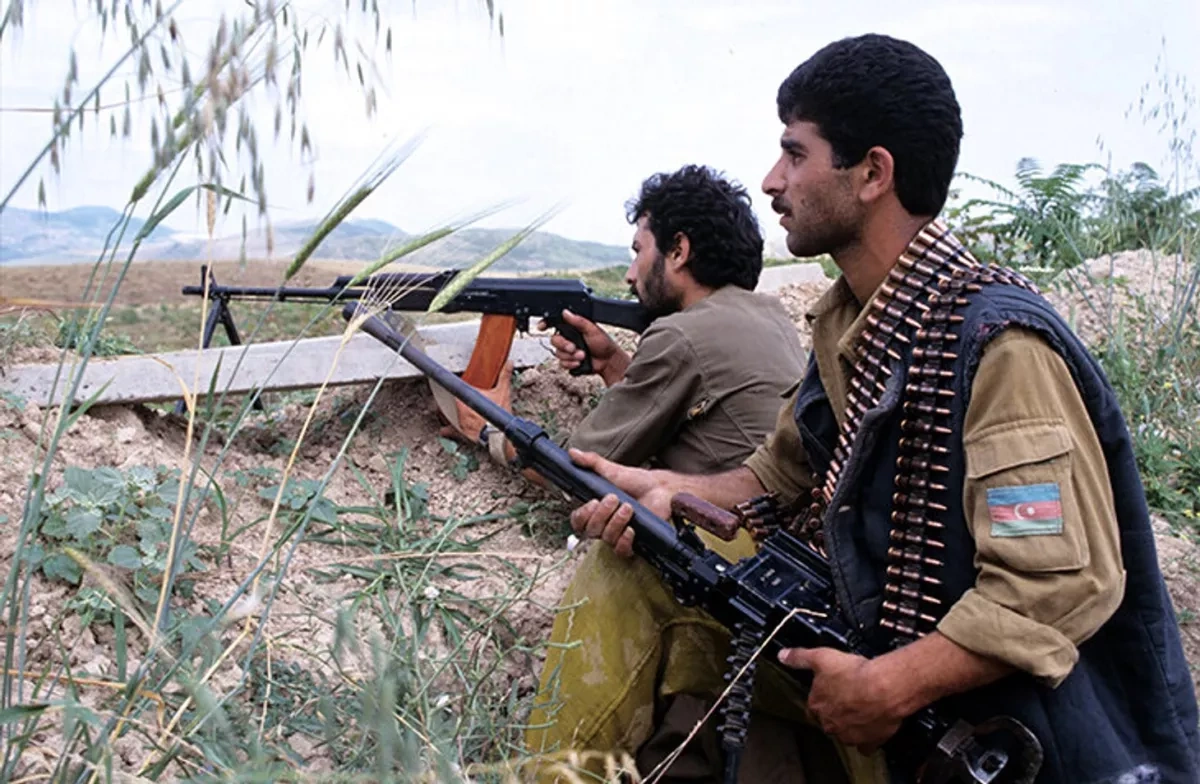
Let us begin with the definition, because everything else depends on it. The war that began in the 1990s was a conflict between two sovereign states: Armenia unlawfully used force and occupied Azerbaijani territories, and crimes against humanity and war crimes were committed during the occupation, including the Khojaly genocide. There was no “internal” dimension to this conflict — only aggression by one state against another.
In 1993, the UN Security Council adopted four resolutions demanding the immediate and unconditional withdrawal of Armenian armed forces from the occupied territories. Armenia ignored these documents, while the international community, above all the OSCE Minsk Group, failed to ensure their implementation. To conceal the fact of the occupation, a puppet regime was established in the captured territories.
The Minsk Group has now passed into history, and its work can be judged by its results. Over nearly three decades, it did nothing to end the occupation. The substance of its activities was the prolongation of the process and the gradual legitimisation of the status quo. Azerbaijan, for its part, remained committed to negotiations to the very end, while Armenia, unwilling to alter a status quo that served its interests, treated negotiations as a means of buying time.
How the negotiation process was undermined
After Nikol Pashinyan came to power in 2018, the process ceased to be even a formality. The new prime minister declared that negotiations would begin “from scratch” and sought to change their format by bringing the separatists into the process as an independent party. What followed was a series of steps, each of which is documented.
On March 30, 2019, Armenian Defence Minister David Tonoyan, who was visiting the United States, told a meeting with the Armenian community in New York that he had replaced the “territories for peace” principle with the formula “new war — new territories”, and announced that the army was shifting from a defensive posture to an offensive one. The statement came just hours after Pashinyan and Aliyev had met in Vienna. In other words, while peace was being discussed at the negotiating table, outside it there was talk of expanding the country’s territorial ambitions.
In August 2019, Pashinyan made an illegal visit to occupied Khankendi and declared: “Karabakh is Armenia, and period.” Legally, this amounted to a claim to annexation; politically, it marked the end of the negotiation process. President Ilham Aliyev’s response was symmetrical in form but opposite in substance: “Karabakh is Azerbaijan, and an exclamation mark!”
In the summer of 2020, a new phase began in the illegal settlement of the occupied territories by people of Armenian origin from the Middle East — a practice expressly prohibited under international humanitarian law.
On July 12, 2020, the Armenian army launched a military provocation in the Tovuz direction, far from the line of contact between the forces in Karabakh and near an area crossed by export pipelines. Pashinyan sought to portray the fighting as a “new Sardarabad” and handed out awards. He subsequently presented Azerbaijan with seven conditions that were clearly unacceptable.
This is not the behaviour of a party seeking an agreement. It is the behaviour of a party convinced that time is on its side.
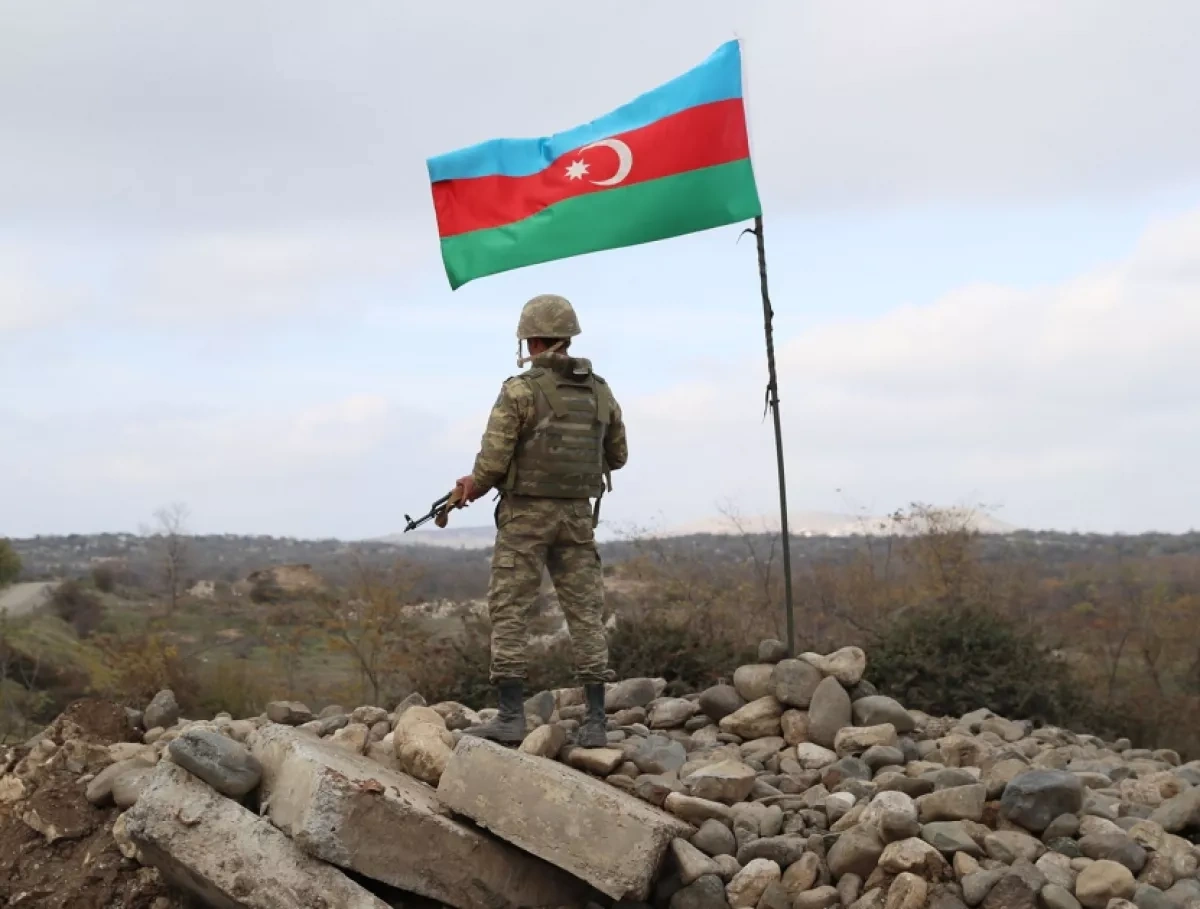
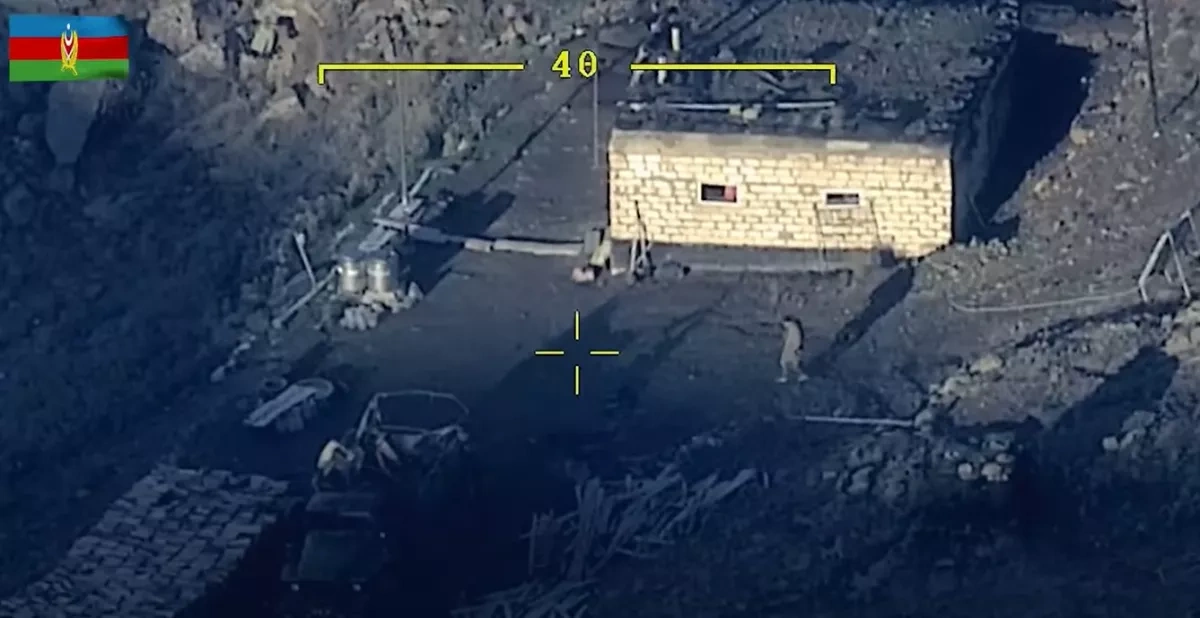
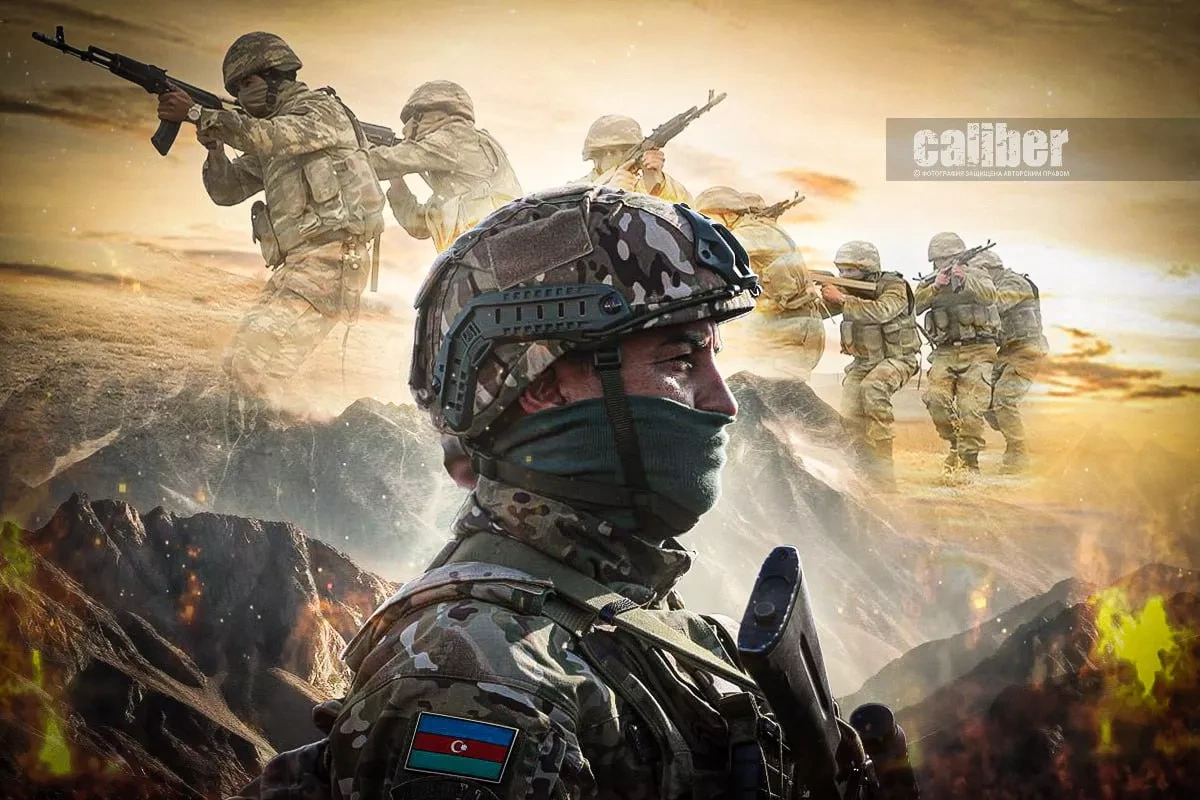
On September 27, 2020, in response to another military provocation, the Azerbaijani Army launched a counter-offensive operation and, over 44 days, liberated most of its sovereign territories.
Three years after the war
If Yerevan had drawn the necessary conclusions from its defeat, a peace agreement would have been signed in 2021. Yet it was not signed for another four years — and the reasons are documented in the facts.
Armenia did not recognise Azerbaijan’s sovereignty and territorial integrity, violated the provisions of the November 10, 2020 Trilateral Statement, and failed to withdraw the remaining armed forces from Karabakh. Contrary to the agreements, it also failed to ensure the opening of the Zangezur Corridor and unimpeded communication between the mainland of Azerbaijan and Nakhchivan.
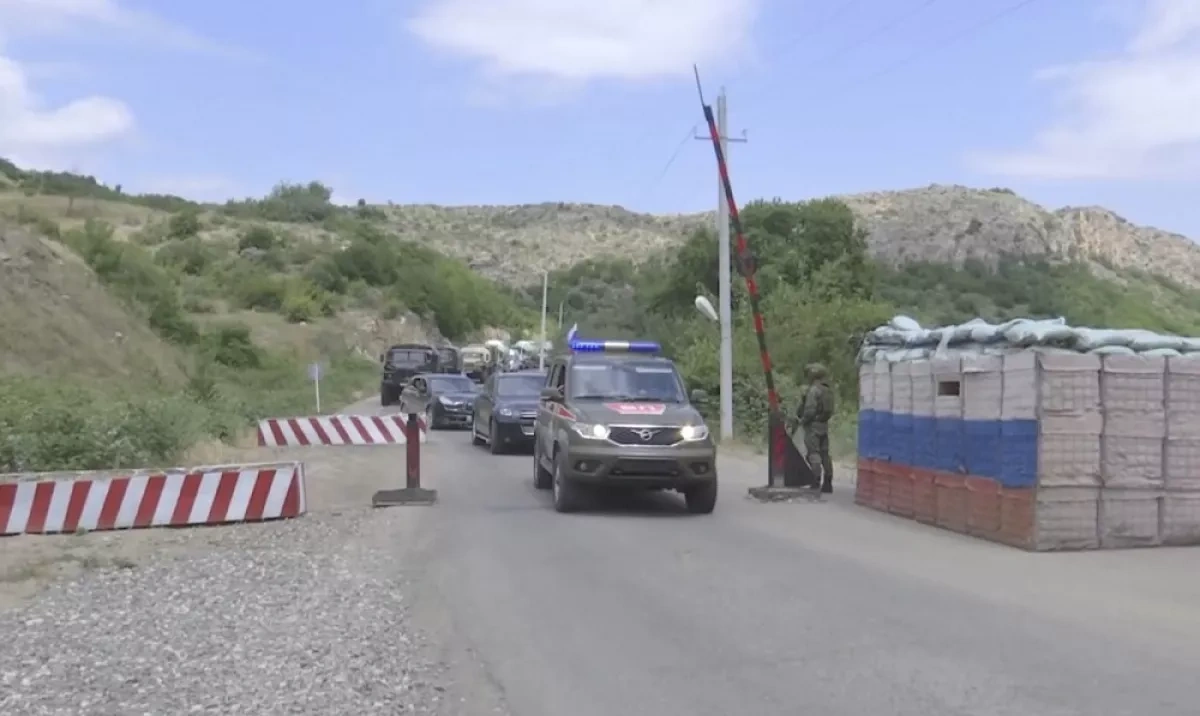
The Lachin road, intended for humanitarian purposes and to connect the Armenian residents of Karabakh with Armenia, was used to transport weapons and rotate personnel. The evidence is direct: during Operation Saribaba in 2022, Armenian-made mines manufactured in 2021 were discovered — meaning they had been produced and delivered after the war. At the same time, Yerevan demanded the creation of a demilitarised zone around Karabakh, effectively insisting on restrictions on Azerbaijan’s sovereignty over its own territory. In response to attempts by the remnants of Armenian armed formations to establish new positions, Baku was forced to conduct local operations — Farrukh and Revenge.
At the same time, funding for the puppet regime continued. The case of Ruben Vardanyan, who was subsequently convicted in Azerbaijan, is also telling. He could enter Khankendi only through Armenia, and if the Armenian authorities had not wanted him to go there, they would not have allowed him to do so. Once there, he obstructed the integration of the Armenian residents into Azerbaijan’s legal framework, called on them to resist and openly threatened Azerbaijan’s leadership with terrorism.
The line did not change after the 2022 Prague agreements. Yerevan passed letters from separatist structures to Charles Michel and provided political cover for provocative visits by Western politicians to Khankendi — a practice that had begun as early as December 2021 with a visit by Valérie Pécresse, president of the Île-de-France regional council. The purpose of these actions was the same: to keep the issue on the international agenda and put pressure on Baku.
On September 2, 2023, Pashinyan issued a congratulatory message marking the “day of the adoption of the declaration of independence” of the puppet regime, and separatists subsequently held so-called “elections” for its leadership. This directly contradicted the agreements reached in Prague. That same summer, a campaign was launched around claims of “starvation” and a “humanitarian catastrophe” in Karabakh — despite Azerbaijan’s offer to provide supplies through Aghdam, which the Armenian side rejected for political rather than humanitarian reasons.
The issue of the “rights and freedoms of the Armenian population” was used for the same purpose: to turn an internal issue of Azerbaijan into a matter for a bilateral document and thereby restrict the country’s sovereignty over its own territory.
The date after which negotiations began
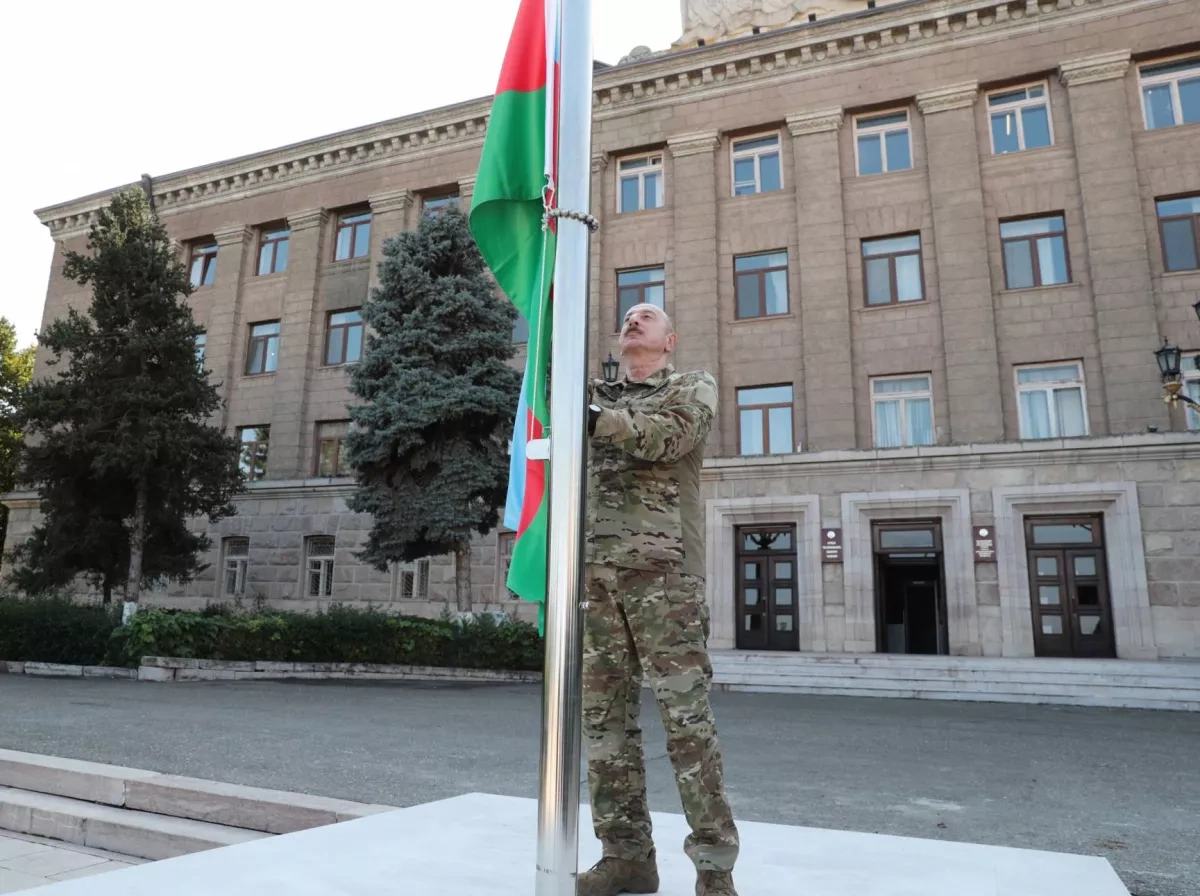
On September 19, 2023, the anti-terrorist operation resulted in the full restoration of Azerbaijan’s territorial integrity. Genuine negotiations on peace began only after that.
The operation lasted less than 24 hours. By September 20, an agreement had already been reached on a complete ceasefire, the disarmament and withdrawal of the remnants of the Armenian armed formations. On September 28, the head of the puppet regime signed a document dissolving all of its so-called “state institutions” effective from January 1, 2024. Thus, the structure created 30 years earlier solely to provide cover for the occupation was dismantled.
This was a complete capitulation, albeit of a particular kind. Normally, the defeated side remains a political entity and signs an instrument of surrender. Here, the entity ceased to exist by a decision that exposed the very nature of the structure: by its essence, it was a derivative of Armenia’s military presence, and it disappeared precisely when that presence disappeared.
This is what is meant by coercion for peace. The term is not offensive but descriptive: it reflects the fact that the agreement resulted from the exhaustion of alternatives, rather than from a moral choice by either side. Nikol Pashinyan is not a peacemaker — he is a politician who tried to preserve the gains of the occupation until the very end and agreed to peace only when there was nothing left to preserve. President Ilham Aliyev’s determination left him with no other choice.
The cost and reconstruction
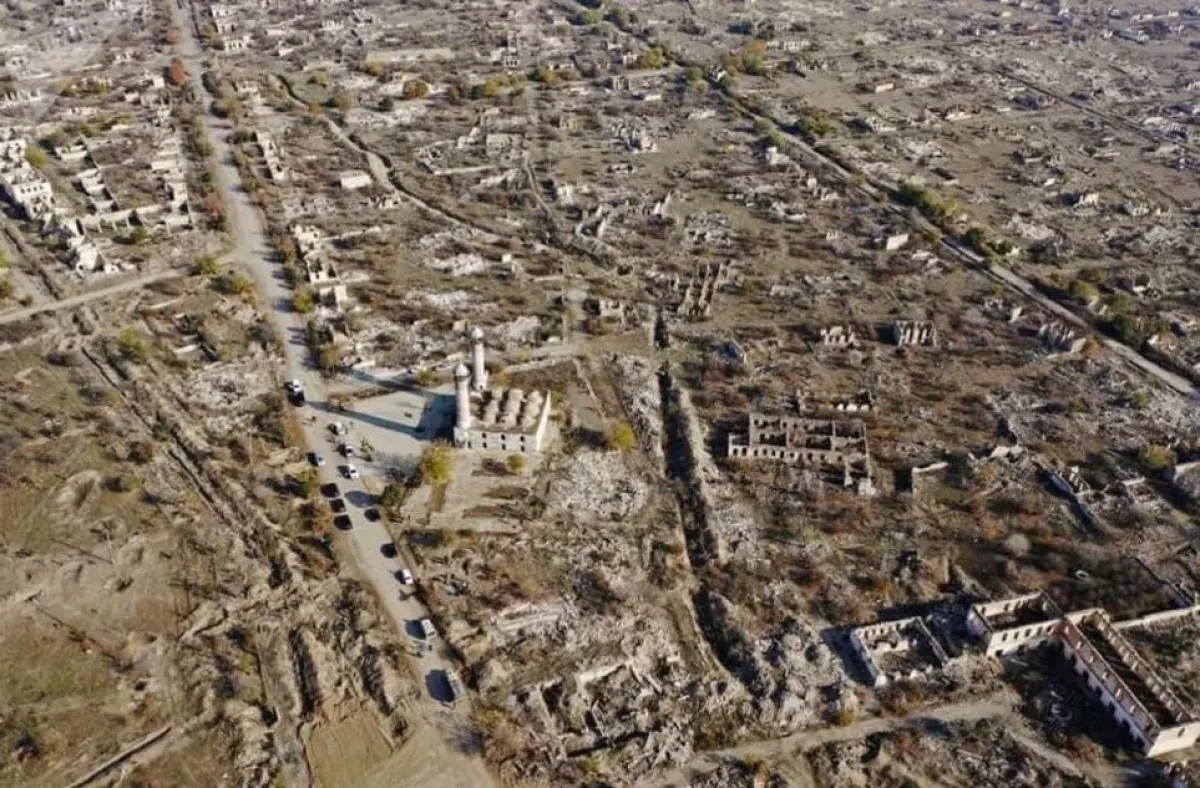
During the years of occupation, the liberated territories were looted and devastated: cities were wiped out, the landscape was scarred, and cultural heritage was destroyed — urbicide, ecocide and culturicide in the literal sense of these terms. The Azerbaijani state is carrying out reconstruction at its own expense, while the State Programme for the Great Return is being implemented according to schedule. Against this backdrop, claims emanating from Yerevan to Azerbaijan’s material and cultural heritage appear to be a continuation of the same policy by other means.
The implications
Victory was achieved twice — on the battlefield and at the negotiating table — and the second part proved no easier than the first. It was this second stage that transformed the military outcome into a legal framework recognised by the international community.
This leads to the main conclusion, one that goes beyond bilateral relations. Azerbaijan has created a precedent for the modern world: a state restored its territorial integrity through its own efforts, without the backing of a military bloc or external guarantors, and then consolidated the result in a negotiated document. International law was restored not through resolutions that no one was prepared to enforce, but through the actions of the party whose rights those resolutions had reaffirmed for 30 years.
Today, Azerbaijan is stronger than at any point in the past two centuries. This is not a figure of speech, but a reflection of the realities on the ground — and a direct result of the policy pursued by President Ilham Aliyev.