Bangladesh has recorded more than 1,000 suspected and confirmed measles deaths since March despite an emergency vaccination campaign that has administered nearly 20 million doses, with public health experts pointing to gaps in previous immunisation efforts and uneven coverage, Al Jazeera reports.
Health authorities recorded 1,009 deaths as of September 9, including 100 among laboratory-confirmed measles patients and 909 classified as suspected measles deaths. The figures compare with 132 measles cases and no deaths recorded in Bangladesh last year.
The emergency campaign began in April and had vaccinated 19.75 million children by September 9, exceeding its original target of 18 million.
Experts said the figures highlighted weaknesses in the way vaccination needs were estimated and how national coverage rates were measured.
Bangladesh's 2023 Coverage Evaluation Survey showed that first-dose measles-rubella coverage had fallen to 86% from 88.6% in 2019, while second-dose coverage dropped to 80.7% from 89%.
Routine immunisation was disrupted during the COVID-19 pandemic, while misinformation and vaccine hesitancy also contributed to missed vaccinations, according to UNICEF.
The country had not conducted a nationwide supplementary measles-rubella campaign since December 2020-January 2021, leaving vaccination coverage below the roughly 95% level considered necessary to interrupt transmission.
Political upheaval after the July 2024 uprising further disrupted the immunisation programme. Mushtuq Hussain, a former principal scientific officer at Bangladesh's Institute of Epidemiology, Disease Control and Research, said the change in government delayed vaccine procurement and contributed to shortages in 2024 and 2025.
Cases began rising sharply in January and surged through March. Bangladesh notified the World Health Organization of a nationwide outbreak on April 4, with cases reported in 58 of the country's 64 districts by mid-April.
Authorities launched emergency vaccination in high-risk areas on April 5 before beginning a nationwide campaign later that month.
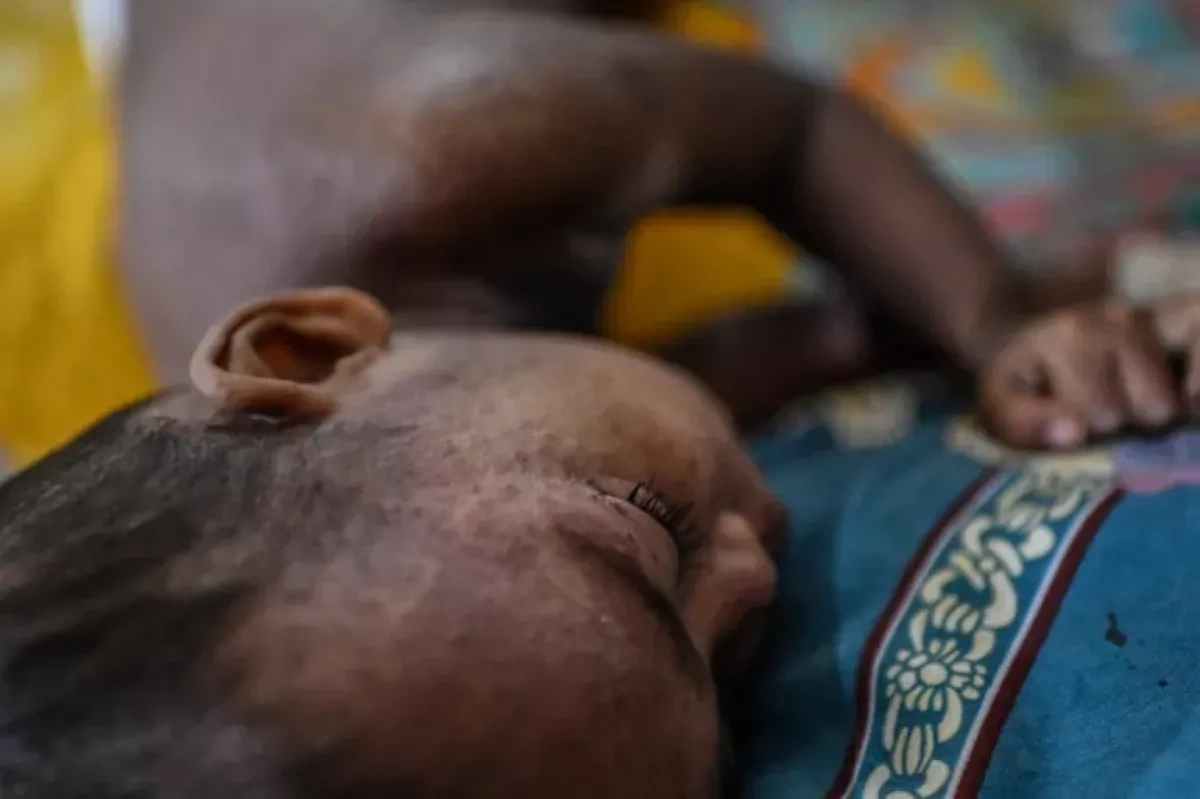
A child rests as he receives treatment for measles in a hospital in Dhaka, September 8, 2026
But the original target of 18 million children aged six months to under five years may have underestimated the number requiring protection. A government Vitamin A campaign launched in June targeted about 24 million children in the same age group.
Hussain said national figures could also conceal localised gaps in immunity.
“You have to maintain equity,” Hussain said, arguing that at least 95% coverage must be achieved across communities, including hard-to-reach and mobile populations.
At Dhaka's Infectious Diseases Hospital, doctors have found that most measles patients being admitted were unvaccinated. Shrebash Paul, a junior consultant at the hospital, said some children had missed the vaccination campaign because they were ill at the time.
Hospital admissions have fallen from their peak, Paul said, suggesting that the vaccination campaign has had a substantial effect, although children continue to arrive.
The hospital's mortality review found that very young children accounted for most of its measles deaths. As of August 23, it had recorded 3,167 suspected measles cases, 537 laboratory-confirmed cases and 57 confirmed or suspected measles deaths.
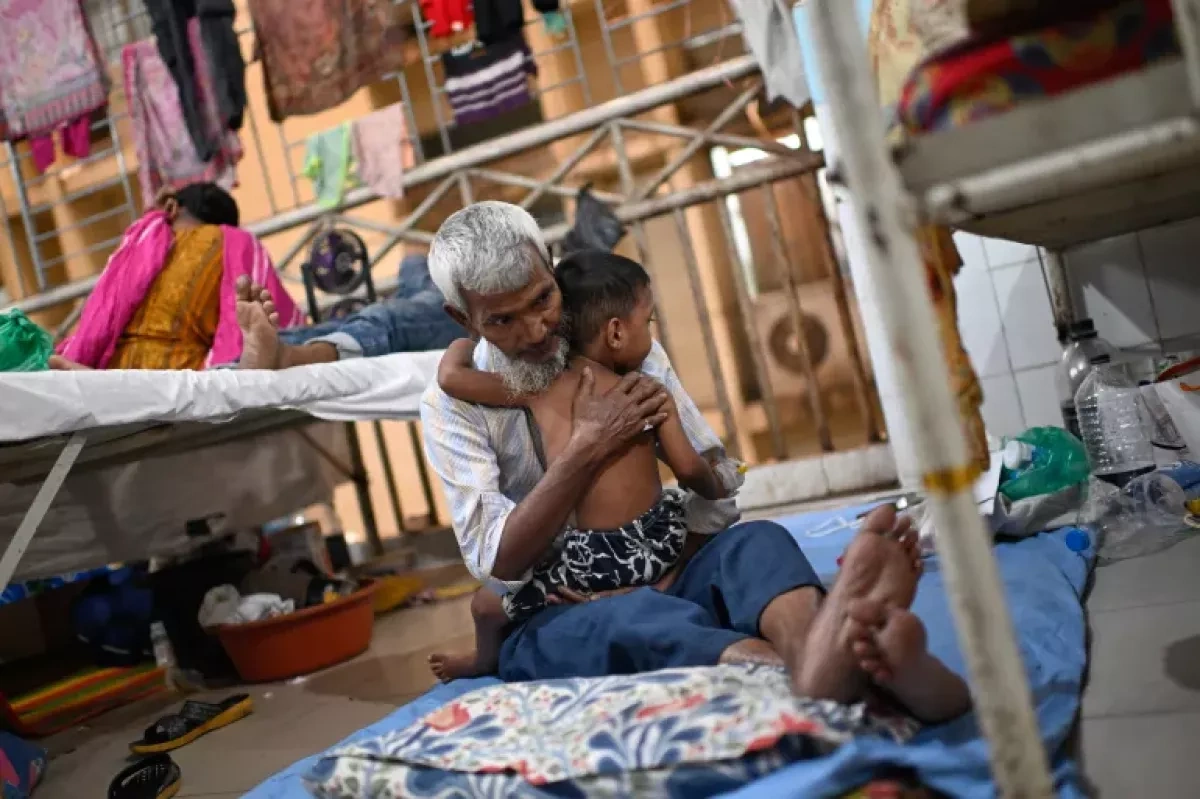
A person takes care of his grandchild while getting treatment for measles in a hospital in Dhaka, September 8, 2026
Of those who died, 49 were younger than 15 months and 31 were younger than nine months, the age at which children in Bangladesh routinely receive their first measles-rubella dose. Forty-seven of the 57 had received no measles vaccine, according to the hospital's analysis.
Pneumonia was recorded in 50 of the deaths.
Paul said doctors were particularly concerned about infants who became infected before reaching the routine vaccination age. He said the hospital was studying children infected before nine months of age and their mothers, while cautioning that the hospital's figures were not nationally representative because it receives serious cases from Dhaka and elsewhere.
Halimur Rashid, director of disease control at the Directorate General of Health Services, said authorities were preparing another vaccination round expected to begin within two weeks.
Experts said the next campaign would need to focus on identifying susceptible children community by community rather than relying solely on national coverage figures. Hussain said authorities should consider vaccinating older children in areas where surveillance identified significant immunity gaps.
An epidemiologist with extensive experience in Bangladesh's immunisation programme, who requested anonymity, said vaccination may need to reach children up to 15 years old in affected areas.
For some families, however, the campaign has come too late. Mostakim, a nine-month-old from Kishoreganj district, had not been vaccinated against measles. He died at the Infectious Diseases Hospital on August 30.
By Aghakazim Guliyev