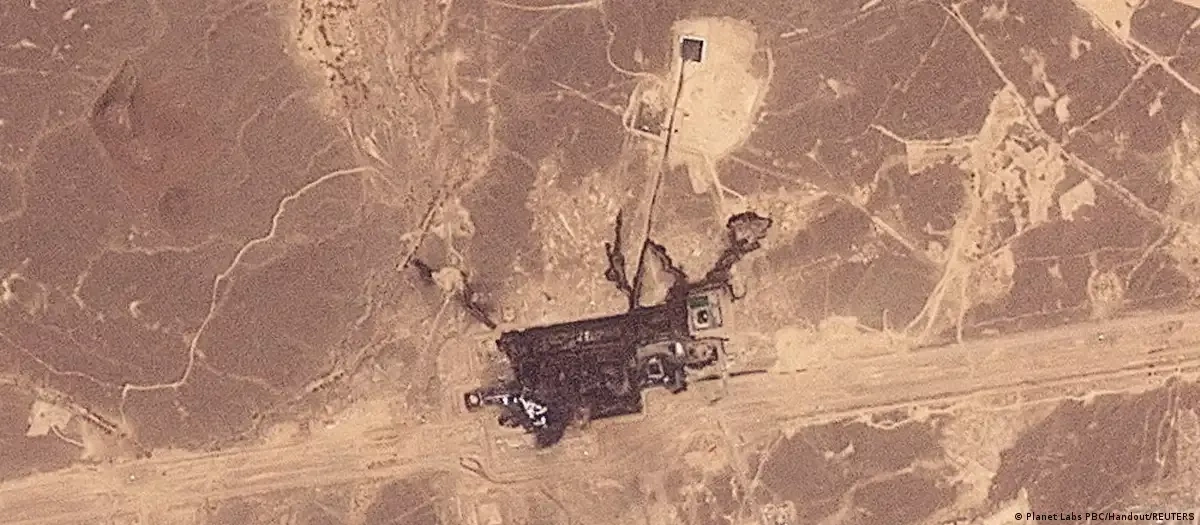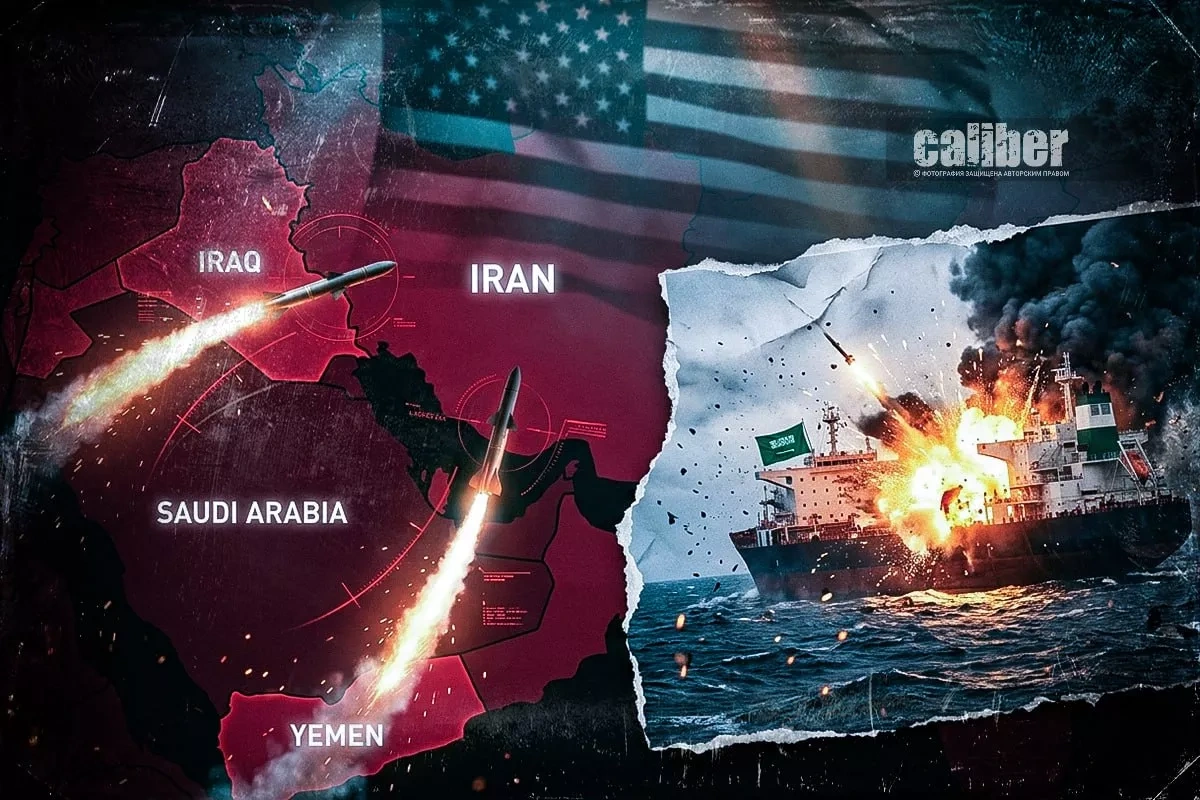
Iran is stepping up pressure on the United States and its allies, operating on several fronts simultaneously. As Iran-backed Houthi forces advance in Yemen, Saudi Arabia has reported a drone attack launched from Iraqi territory against its East-West oil pipeline. The attack sparked a fire and forced the pipeline to suspend operations. The strikes targeted facilities in the Medina region and near Riyadh.
Saudi Arabia chose not to retaliate militarily, instead calling on Iraq to take measures to prevent attacks originating from its territory.
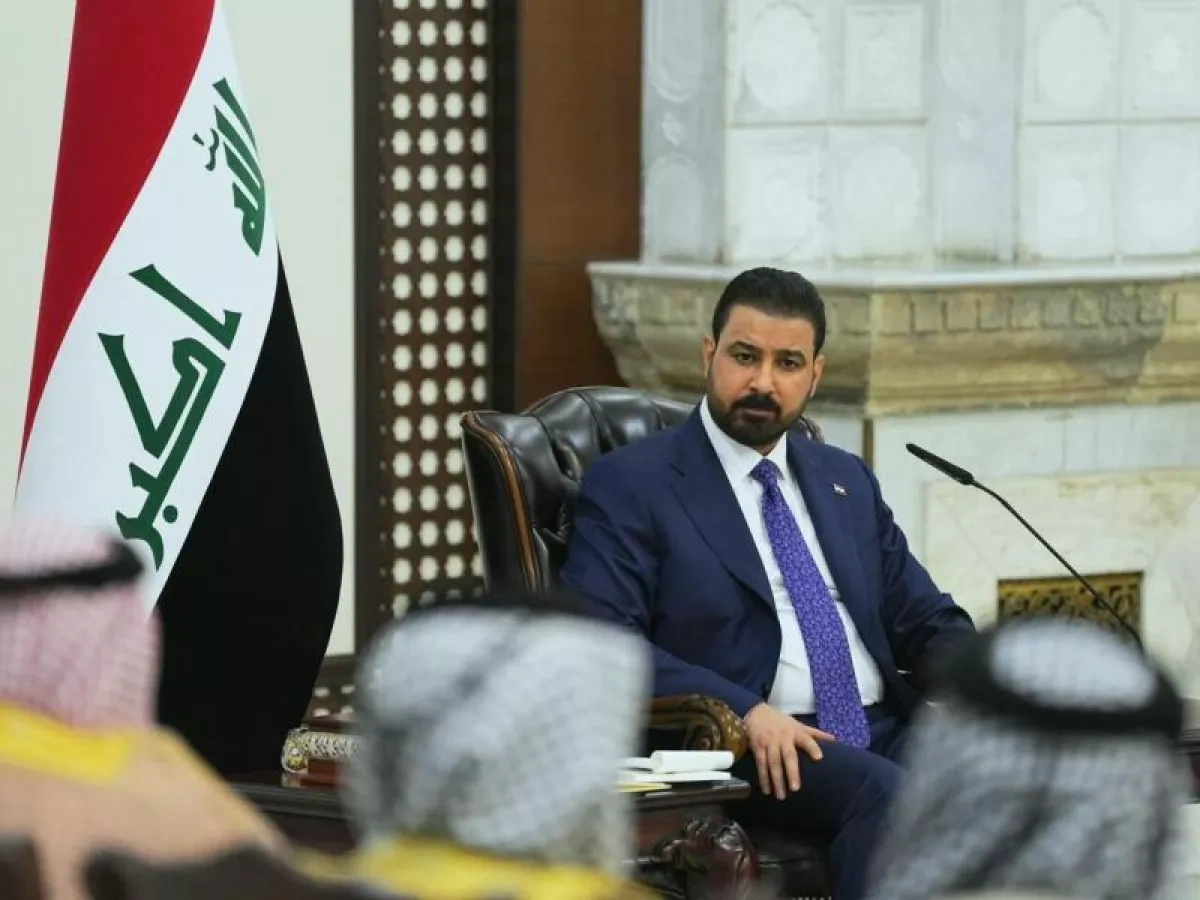
Iraqi Prime Minister Ali al-Zaidi responded by dismissing the governor of the Iraqi province from which the drones were reportedly launched.
Al-Zaidi, a banker whose political opponents have previously accused him of involvement in Iranian money-laundering operations, heads a country where pro-Iranian Shia political parties and armed militias wield considerable influence. These forces control the largest parliamentary bloc, command around 200,000 armed militiamen, and exercise significant influence over the country's financial flows.
Iraq exports roughly $100 billion worth of oil each year, but much of this revenue is distributed through networks linked to political parties and affiliated militias. Over time, these groups have become some of the country's most powerful holders of wealth and owners of businesses.
Iraq has long turned into the jewel in the crown of the Iranian empire and a money-laundering hub for Iranian funds. The Iranians have established branches of companies with mixed ownership in the country — partly owned by Iraqis — with billions of dollars in turnover, allowing them to circumvent US sanctions. Because Iraq is connected to the international banking system, unlike Iran and its allies — the Houthis and Lebanon’s Hezbollah — other members of the Iranian alliance can use Baghdad to conduct international financial transactions.
Iraqi armed militias such as Asaib Ahl al-Haq, Kataib Hezbollah, Badr and several others have long operated with impunity in Iraq. To finance them, a diversified state-owned conglomerate called Muhandis was established, into which budget funds are channelled with little oversight. The conglomerate can also make decisions on allocating land plots without approval from the Cabinet.
Iraqi pro-Iranian militias receive funding and weapons from both the Iraqi and Iranian budgets. They are part of Iran’s “Axis of Resistance” coalition, alongside the Houthis in Yemen and Lebanon’s Hezbollah, and are engaged in a struggle to expand their influence across the Middle East against the United States and its allies — Israel, the UAE and Saudi Arabia. Although pro-Iranian forces lost their key logistics hub, Syria, in 2024 following the fall of the regime of Bashar al-Assad, a close ally of Iran, they remain powerful. The attack on the Saudi oil pipeline was part of a new campaign by the “Axis of Resistance”, whose members are acting in coordination.
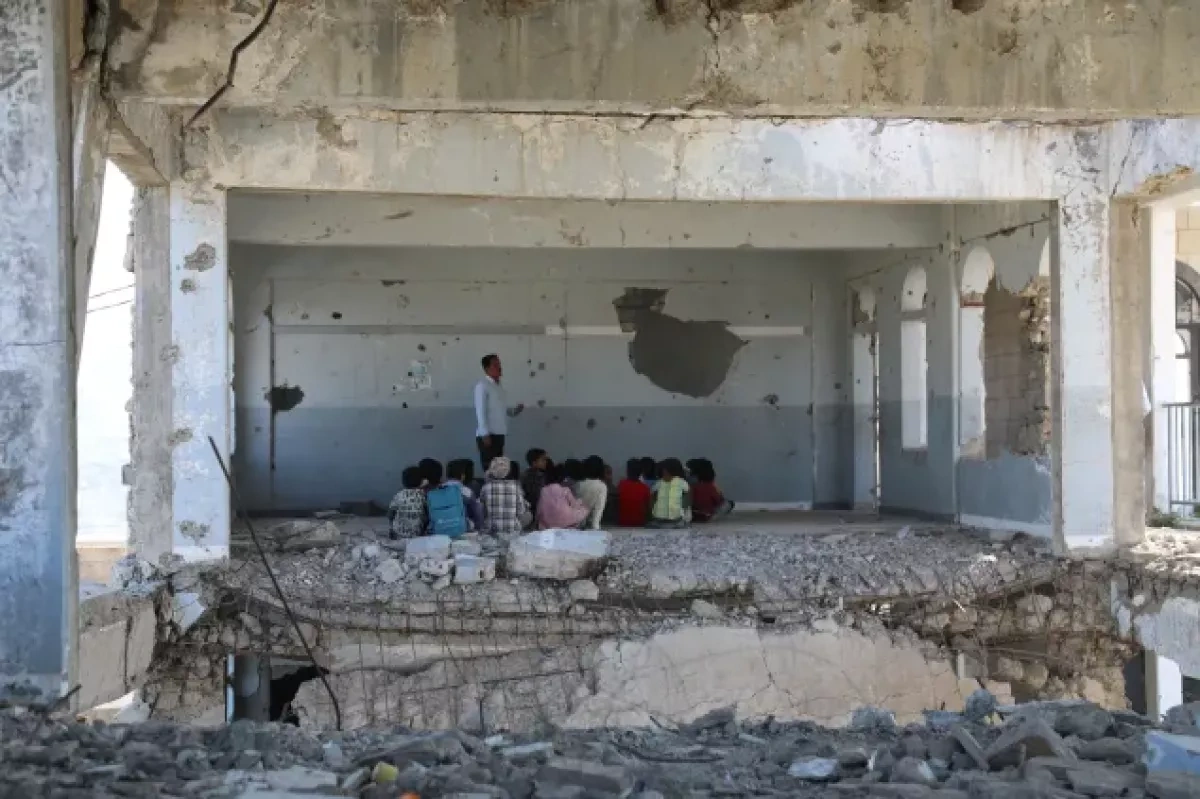
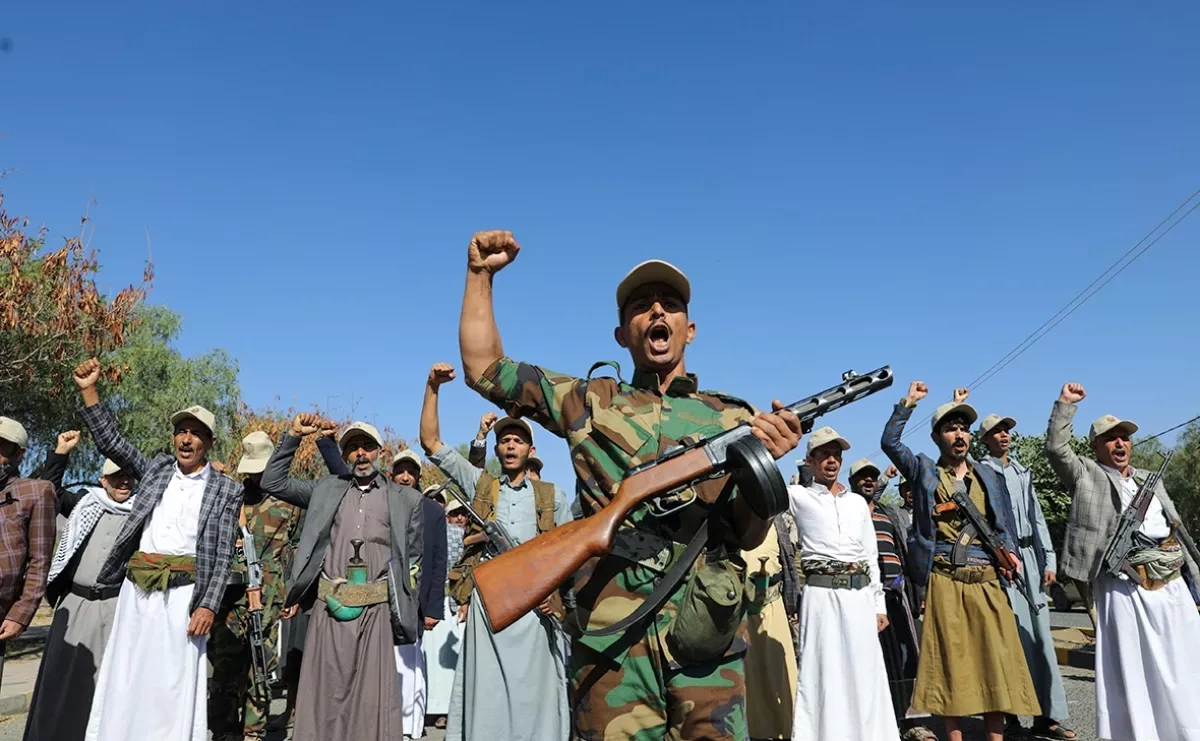
In recent days, Yemen’s Houthis — a tribal militia controlled by the local wealthy elite — have launched a lightning offensive against their opponents, the internationally recognised government of Yemen, which is supported and financed by Saudi Arabia. During the offensive, the pro-Iranian group seized almost the entire western coast of Yemen and a number of islands, taking control of the strategically important Bab el-Mandeb Strait, a major artery for global maritime trade and energy shipments.
The Houthis are not acting alone. Their 50,000-strong force, backed by tribes numbering several million people, includes hundreds of Iranian military personnel. The Iranians produce drones and ballistic missiles, deliver them to Yemen, and organise attacks using these weapons against Saudi territory, striking military bases, oil refineries and oil storage facilities.
The Houthi-Iranian hybrid force is now close to inflicting a final defeat on the forces of Yemen’s pro-Saudi government, capturing the major trading port city of Aden, as well as the country’s oil and gas fields and facilities. If this happens, the Houthis and Iran could ultimately gain control of the whole of Yemen — a country of around 40 million people, roughly the size of France, and strategically located in the south of the Arabian Peninsula.
Many experts today compare these operations with the offensive by the Syrian armed opposition against Bashar al-Assad’s government, which ended with the defeat of the Assad regime and the capture of Damascus in just 11 days.
This may not happen. Yemen is a country divided by tribal wars and their numerous militias. Half of the population is Sunni, unlike the northern tribes allied with the Houthis, which follow Zaidism, a branch of Islam close to Shia Islam. But the Houthis have already taken control of key positions around the Bab el-Mandeb Strait, significantly strengthening Iran’s position in the area.
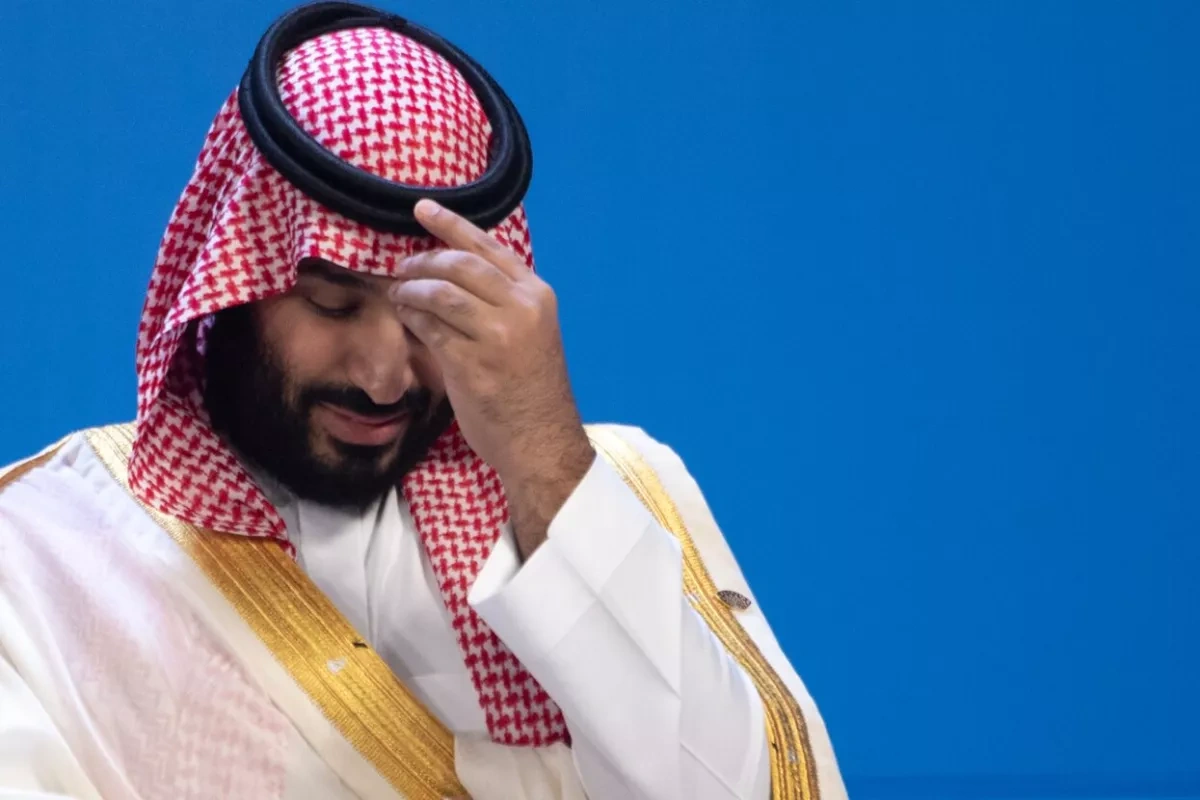
Interestingly, Saudi Arabia has called on the United States to intervene and halt the Houthi offensive. The country’s de facto ruler, Crown Prince Mohammed bin Salman, called Trump twice, but was turned down.
Türkiye and Pakistan, Saudi Arabia’s allies, which are bound to it by the Mecca Pact providing for mutual defence, have also so far taken no action, apart from a message Pakistan conveyed to Iran urging it to halt the Houthi offensive. The Pakistanis did, however, warn that if the Houthis do not stop, the Pakistani Air Force could intervene in the conflict on the side of Saudi Arabia and the Yemeni government loyal to it.
But this is unlikely to change the situation on the ground. First, these are only words for now. Second, the Houthis are a guerrilla or semi-guerrilla force with highly autonomous units that move at great speed in machine-gun-mounted pickup trucks and have recently begun attacking their opponents with FPV drones. Air strikes against them are not exactly ineffective, but they are clearly incapable of stopping the Houthis completely. Saudi Arabia, which possesses a large air force, has already learned this lesson.
The Houthi offensive cannot be viewed in isolation from other developments in the region. And not only because officers and drone operators from Iran’s Islamic Revolutionary Guard Corps (IRGC), as well as units of Iran’s Quds Force, are taking part in the fighting alongside them. The Houthis are merely one part of the web that Tehran has managed to weave across the Middle East.
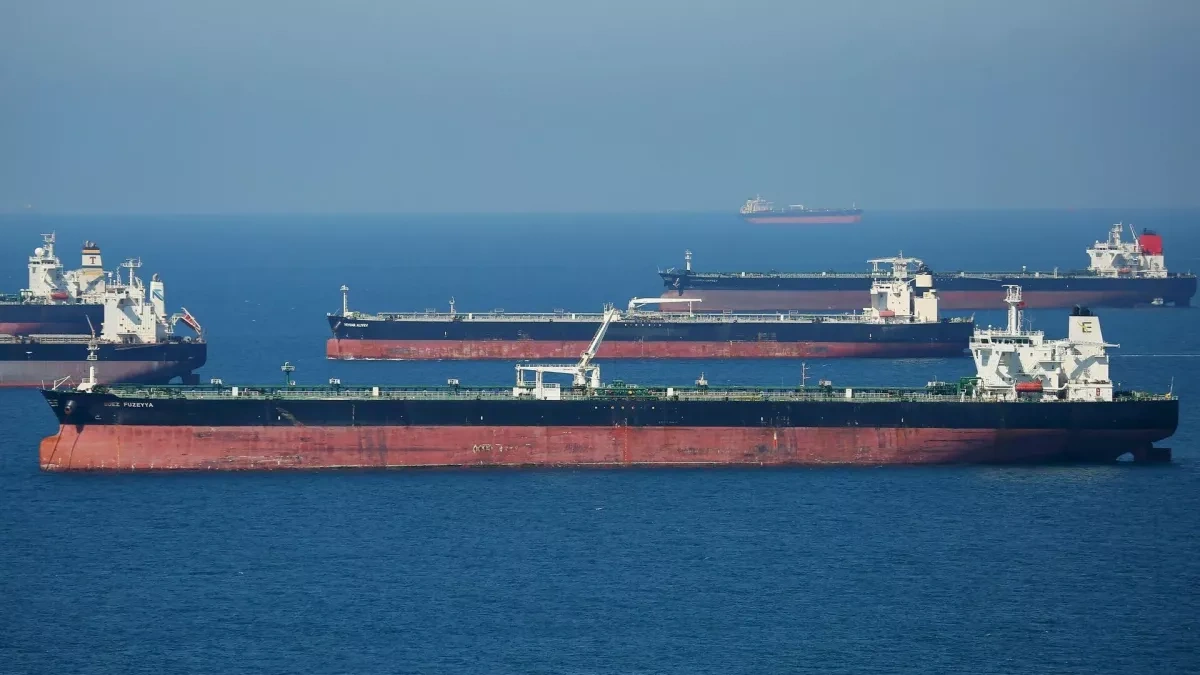
The Iranians, who are waging a struggle against the United States and its allies — Israel and Saudi Arabia — for control of the region, responded to US and Israeli strikes by blocking the Strait of Hormuz as early as March. Before the war, around 20 per cent of the world’s oil trade — approximately 20–22 million barrels per day — passed through the strait. By attacking tankers and other commercial vessels with drones and missiles, Tehran managed to sharply reduce shipping traffic, driving up oil prices and dealing a major blow to the global economy, while also contributing to a decline in Donald Trump’s approval ratings. Most US voters are unhappy about rising petrol prices. For the ruling Republican Party, with congressional elections due in November, the situation is highly dangerous. Not to mention that the war with Iran itself is unpopular in the United States: around 60 per cent of Americans oppose it.
Understanding this, the United States made its move: it blockaded Iranian ports, inflicting enormous financial damage on the country by depriving it of the ability to export oil and import goods. In addition, the US Air Force began destroying Iranian missile systems and radar installations along the coast of the Strait of Hormuz and has been successfully clearing the strait of Iranian mines. Finally, the UAE and Saudi Arabia began using their ports outside the Strait of Hormuz, where oil is delivered via pipelines. Iran’s blockade of the strait — its main strategic and geopolitical weapon — has begun to lose its effectiveness.
Now it was Iran’s turn, and it launched a combined strike. The Houthi offensive can be viewed as one element of its strategy. At the same time, the Houthis — or, more precisely, Iranian operators — have been using territory in Yemen to launch attacks on Saudi oil refineries and storage facilities. They have now been joined by Iraqi militias from the “Axis of Resistance”, while the Saudi oil pipeline came under a drone attack launched from Iraqi territory. Oil prices have already exceeded $107 per barrel.
Iran should not be underestimated — the Iranians are formidable strategists. But the United States and its allies vastly outmatch Iran in military, economic and scientific-technological power. Let us see how Washington responds. It appears that, at present, Washington is somewhat taken aback by the events unfolding and the speed at which they are developing.