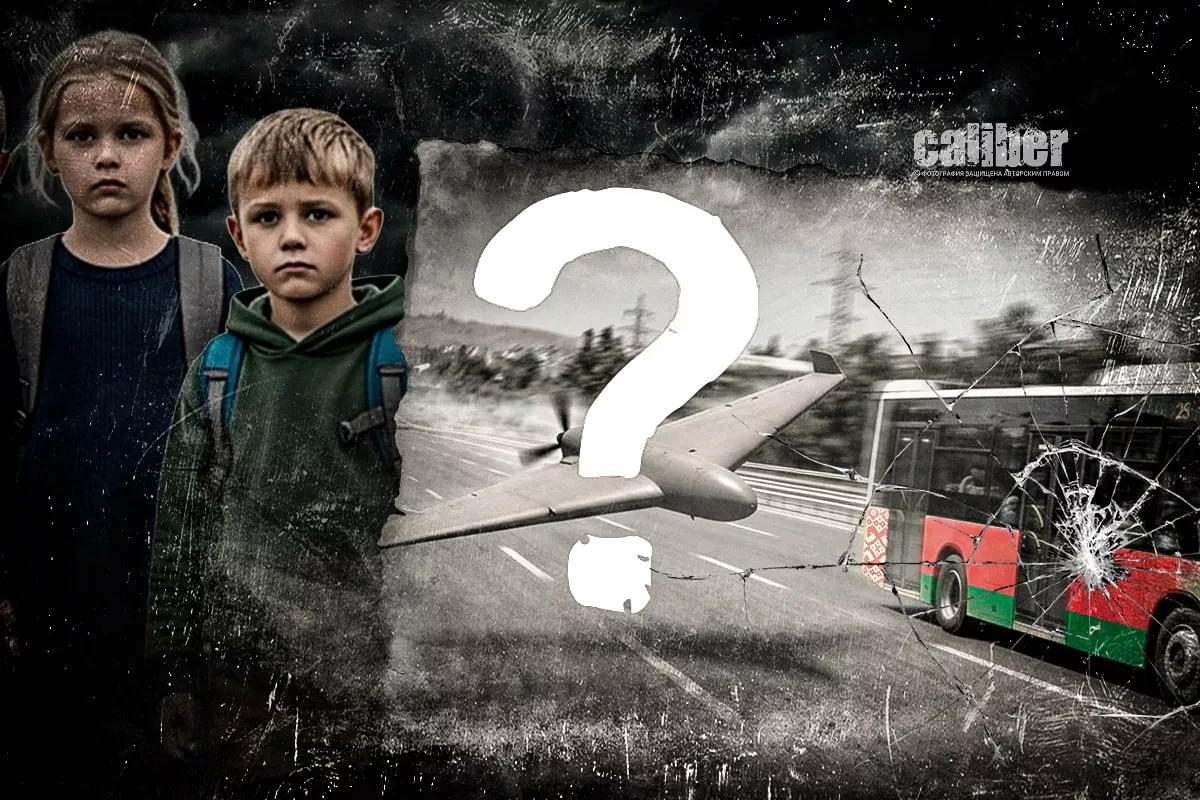
The Russian-Ukrainian war has claimed the lives of Belarusian civilians for the first time. The death of a woman accompanying a children's football team, along with injuries sustained by several children, has sparked widespread public concern. However, almost immediately, the tragedy became the subject of political speculation by a segment of the Belarusian opposition.
Attack on a bus with children
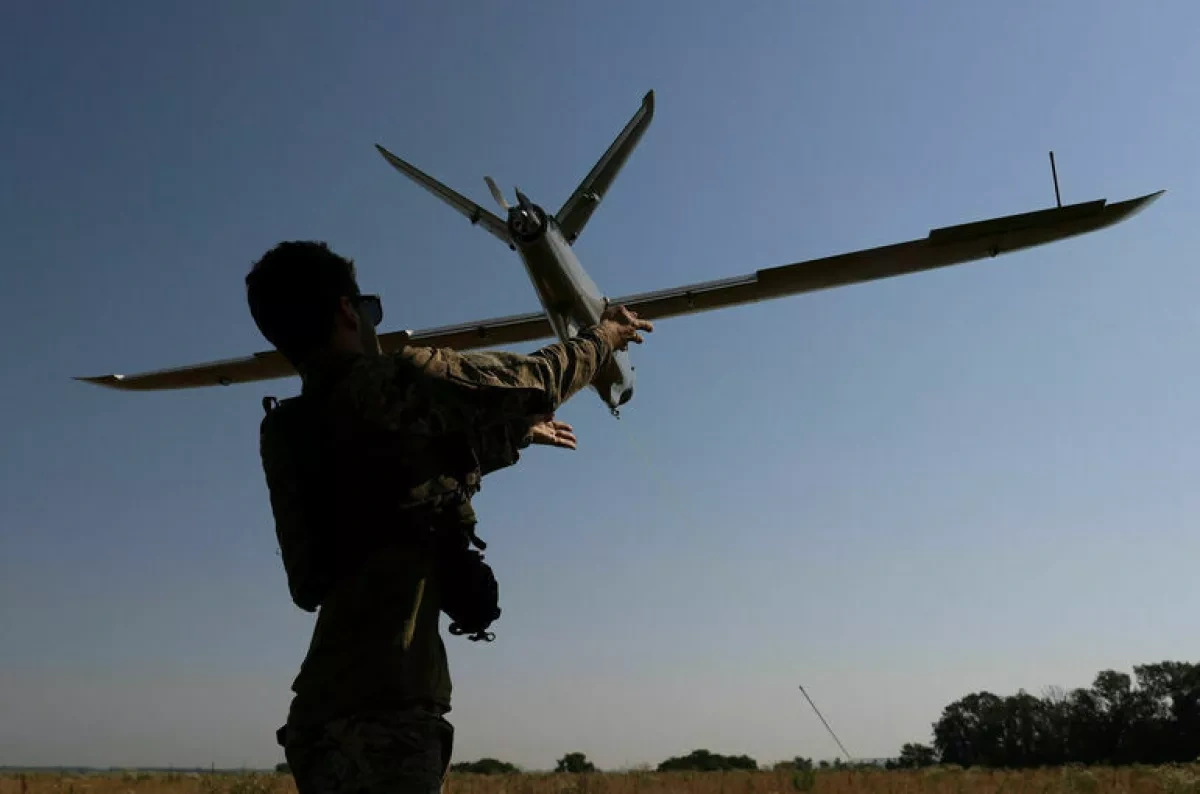
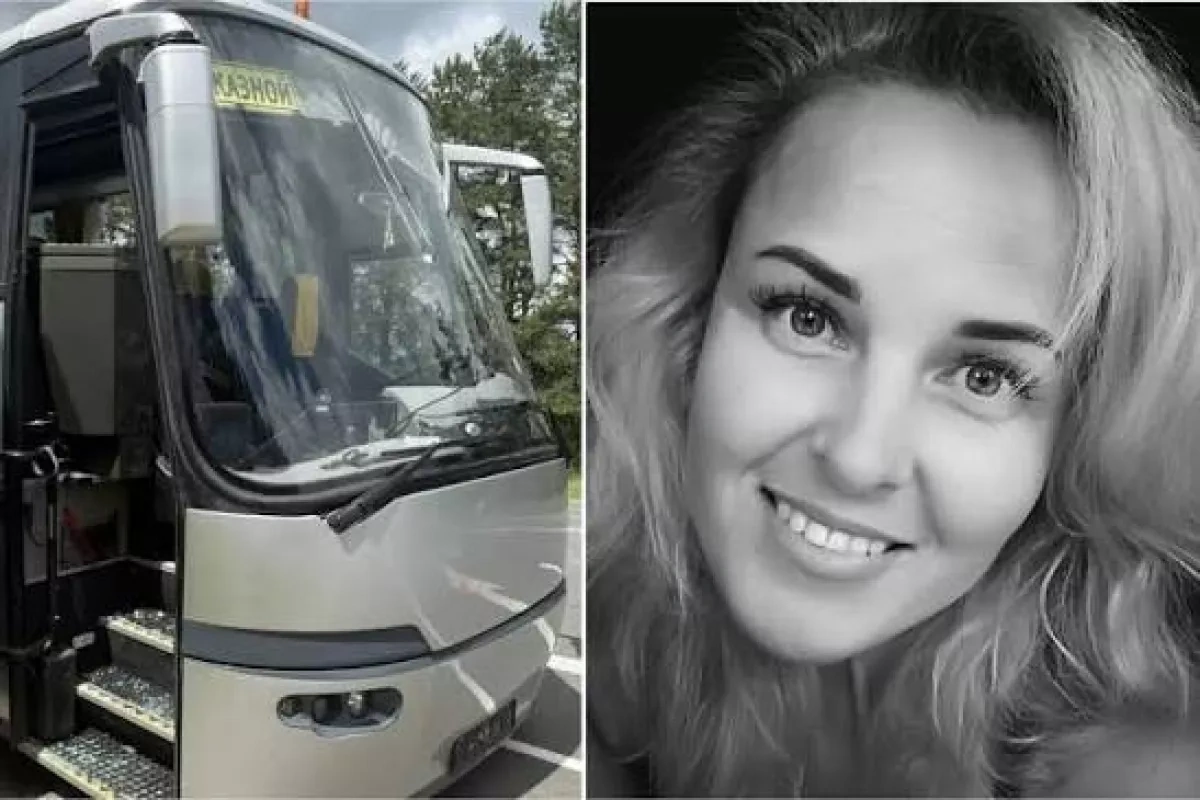
At around 11:00 a.m. on June 17, a UAV struck a passenger bus near the village of Rudnya in Russia's Bryansk Region. On board were young football players from Rechytsa's Specialized Youth Sports School No. 2 and football clubs from Gomel, as well as their parents and coach. In total, 44 people were traveling on the bus, including 28 children.
The young footballers were on their way to a children's camp in Gelendzhik for training and recreation. The combat drone hit the front right side of the bus, near the wheel. As a result of the strike, a woman accompanying the group was killed, while eight people — six children and two adults — sustained injuries of varying severity. Most of the injured children were between 11 and 12 years old.
One child and the team's coach suffered serious injuries. The deceased, Victoria Goroshko, was the coach's wife. Their twin daughters were left without a mother.
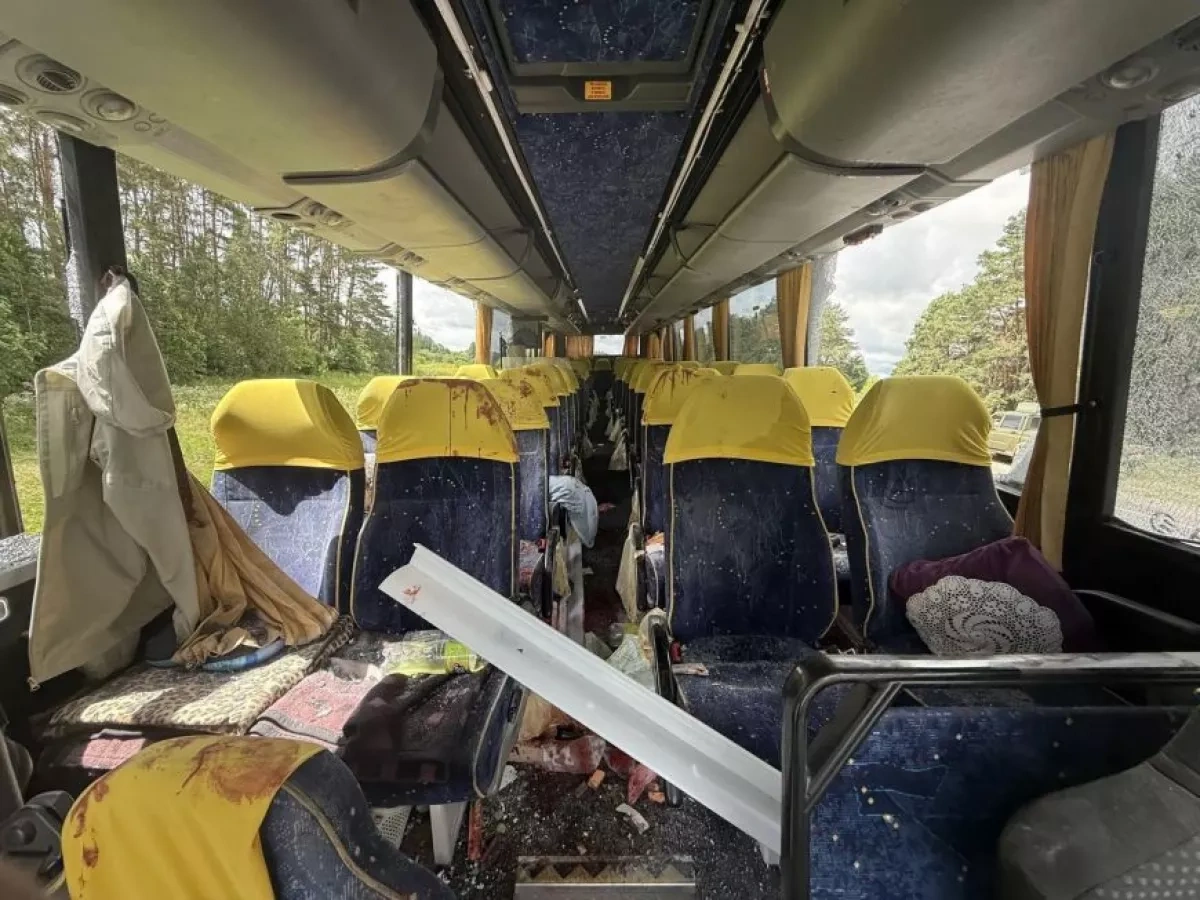
Based on the blood-soaked seats visible in footage from the scene, all the injured were likely seated in the front section of the bus. The photographs also show a dent and numerous holes in the vehicle’s body. It is likely that the drone’s warhead was equipped with shrapnel-type fragmentation elements.
Witnesses said that by the time of the tragedy, the bus, which had departed from Gomel at around 5:30 a.m., had turned on cartoons. The children started laughing, and at that very moment the explosion occurred. The injured were evacuated by passing motorists and ambulance crews. They were initially taken to the nearest hospital and later transferred to Bryansk.
All those injured were promptly provided with medical assistance at the Bryansk Regional Children's Hospital. The seriously wounded child and the coach were placed in intensive care. The other children were accommodated in a school building in Pochep under the protection of Russian military personnel. They were provided with hot meals, places to rest, as well as medical and psychological support. Russian President Vladimir Putin instructed officials to take measures to assist the victims, while the leadership of the Bryansk Region remained in contact with the authorities of the Gomel Region from the very first hours.
At the same time, another bus carrying Belarusian children from dance schools was heading to Gelendzhik. Following the incident, it was stopped and returned.
Three medical teams from Belarus, including intensive care specialists, pediatric surgeons, and experts in gunshot wounds, were promptly sent to Bryansk under the leadership of First Deputy Health Minister Elena Bohdan. They were accompanied by Emergency Situations Ministry personnel and traffic police officers. A team of specialists also arrived from the Moscow Center for Disaster Medicine.
The Investigative Committee of Russia opened a criminal case under the article “Terrorist Act.” Belarusian investigators also arrived at the scene. The Investigative Committee of Belarus has also launched a criminal case.
The Belarusian Ministry of Foreign Affairs condemned the attack on a civilian bus carrying children and described it as another act of terrorism against the civilian population. The ministry demanded comprehensive explanations from the Ukrainian side.
The Gomel Football Federation stated that this was not the first trip by young athletes to the Russian Black Sea coast for health and training purposes. The Belarusian Football Federation informed UEFA and FIFA about the tragic incident.
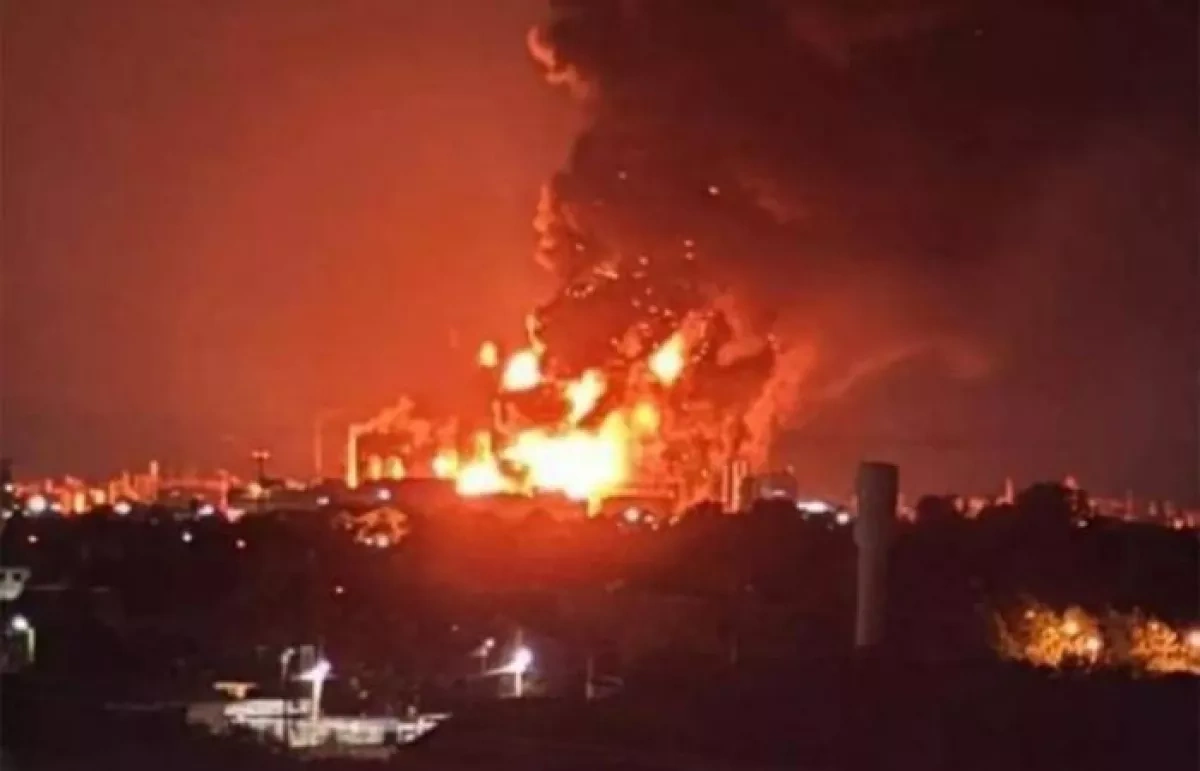
In May, during Ukrainian strikes on Tuapse, which led to fires at oil storage facilities and an environmental emergency, groups of schoolchildren from Gomel were also there at a children's sanatorium.
By order of Belarusian President Alexander Lukashenko, all those injured were transferred to medical facilities in Belarus. The seriously wounded child, who had previously undergone surgery, was transported with medical equipment support. The other victims were conscious. During the night of June 17–18, all other participants of the tragic trip also returned to Belarus.
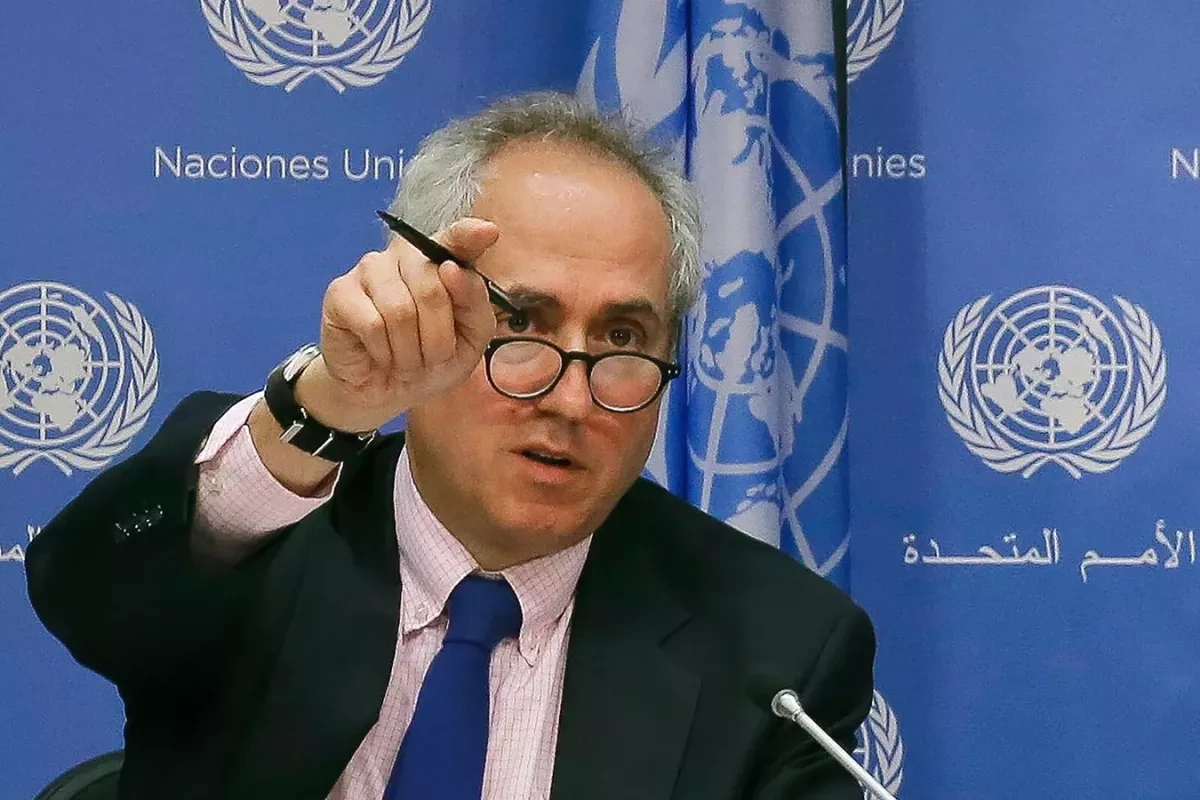
“We strongly condemn any attacks against civilians and civilian infrastructure, wherever they occur,” said UN Secretary-General’s spokesperson Stéphane Dujarric, commenting on the incident. The attack on the bus carrying Belarusian children was also condemned by the Secretary General of the CIS and the CSTO.
Who is behind the attack?
The General Staff of the Armed Forces of Ukraine rejected accusations of involvement in the attack, stating that it had not conducted any UAV operations in the area that day and that the Ukrainian military targets exclusively military facilities.
The Security Service of Ukraine (SBU), in turn, claimed to have intercepted a document from the Regional Segment of the Operational Headquarters of the Unified National Center for the Bryansk Region, which states that no Ukrainian drones were detected flying in the area.
However, on the same day, a UAV attacked a passenger car on this road, carrying a pregnant woman and children. According to official reports, residents of the Bryansk Region are killed or injured almost daily as a result of drone attacks.
While analyzing the document allegedly intercepted by the SBU, Belarusian experts drew attention to one detail: the document uses the wording “Republic of Belarus.”
Meanwhile, in official Russian document circulation, the name “Belarussia” has traditionally been used. However, even if Russian air defense systems indeed failed to detect the passage of the drone, this alone does not prove anything. Radar systems are often unable to detect low-flying, small-sized targets. In addition, drones can be launched by sabotage groups from a short distance. So-called “loitering” quadcopters are also widely used — they remain on the ground and take off immediately before approaching the target.
The Belarusian side claims that the UAV that attacked the bus carrying children was of Ukrainian origin. A report by the TV channel Belarus 1 presented a version suggesting that it may have been a deliberate provocation aimed at pushing Minsk into taking harsh retaliatory measures against Ukraine and thereby causing further escalation of the conflict.
However, independent experts have put forward other versions of what happened. During the Russian-Ukrainian war, drone operators have often directed their devices at the first available target in cases of critically low battery levels. The possibility of an error in the automated guidance system is also not ruled out, as it may have mistaken a civilian bus for a military target.
A protest note was handed to Ukraine’s Chargé d’Affaires in Minsk. The Belarusian Foreign Ministry stated that it intends to seek an international assessment at the UN and the OSCE of the “deliberate strike by a Ukrainian combat UAV on a civilian bus carrying children.”
“Belarus will not allow the deaths of civilians and the suffering of our children to go unnoticed,” the foreign policy ministry emphasized.
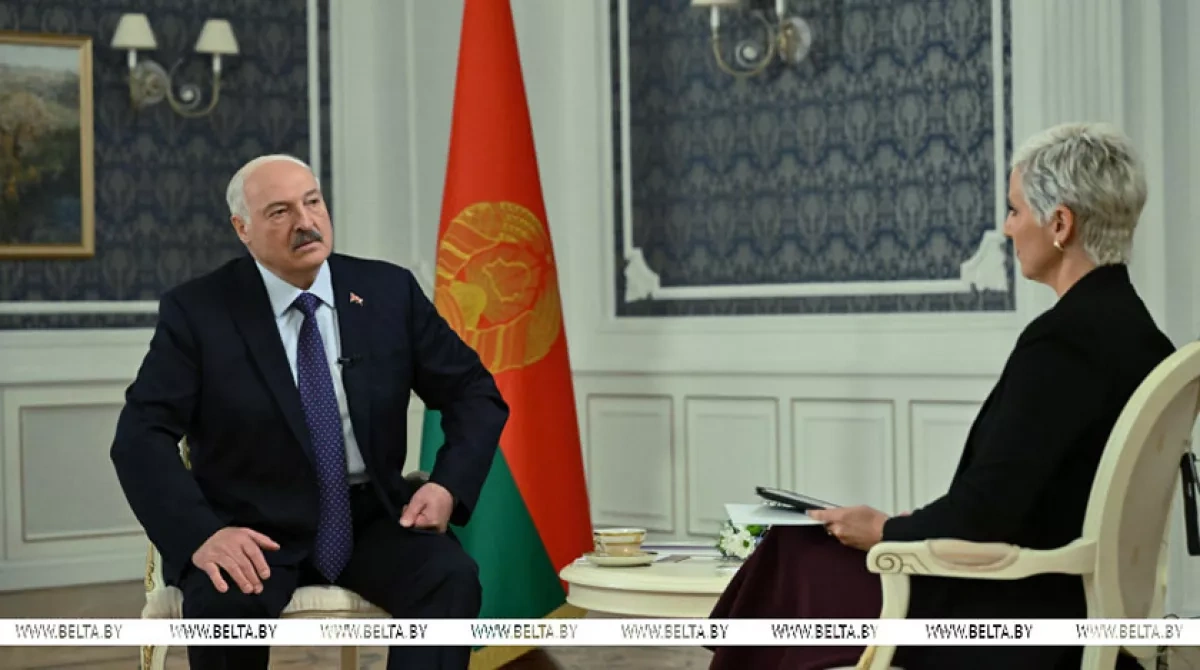
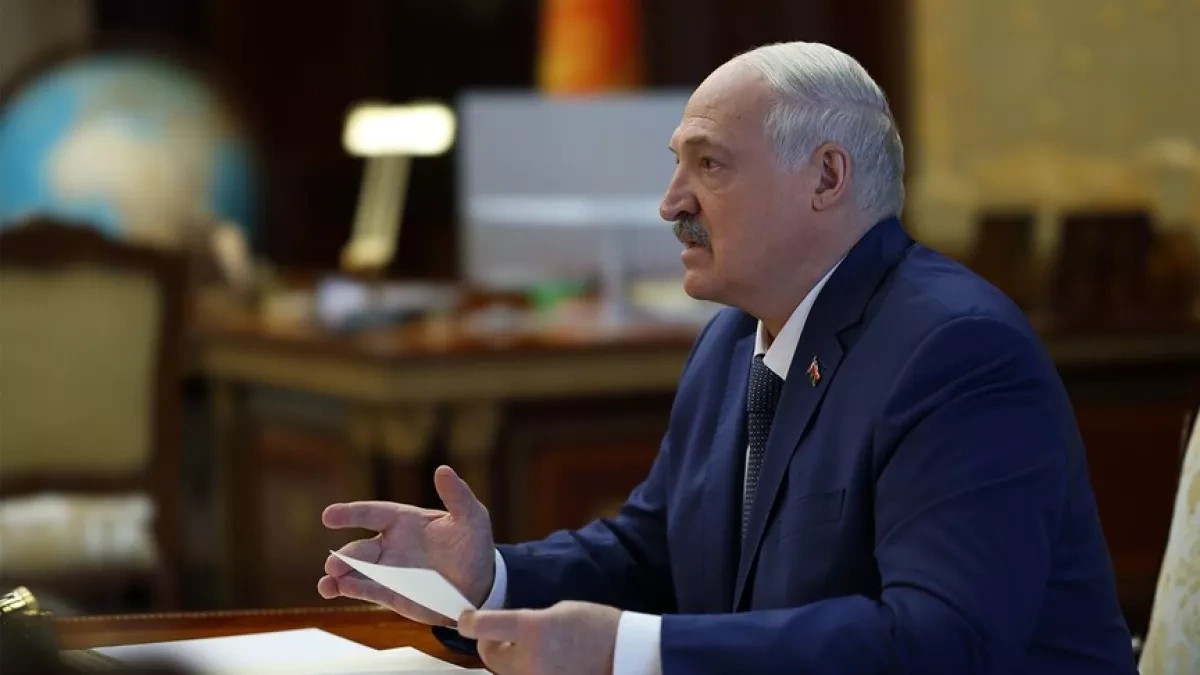
“If someone is provoking us and trying, as some people say, to drag us into the war, I think it will end badly for those who are attempting to do so. We are behaving calmly. Some people do not like the fact that Belarus is a peaceful state. That is why all of this is happening,” said Lukashenko.
According to him, Minsk expects an honest and objective response from the Ukrainian side.
“We hear statements, justifications, and different versions. But we need the truth. And we are waiting for this truth, or for a real, fair, and honest response from Ukrainian government officials and military personnel. We will establish the truth anyway,” the Belarusian leader stated.
Lukashenko also drew attention to the growing tensions along the southern border and the need for enhanced protection of the area.
“This is another act of banditry. And this is not even a terrorist attack — this is open fascism, when children are targeted. We are not rushing to draw any conclusions, but we clearly state the fact: this is a UAV of Ukrainian origin. It is a Ukrainian drone,” the Belarusian president said.
At the same time, he noted that the Ukrainian side was trying to explain what happened by suggesting that such devices could have been acquired by third parties, and he instructed officials to thoroughly investigate all circumstances of the tragedy.
It is noteworthy that the incident occurred shortly after Alexander Lukashenko once again called for a peaceful settlement of the Russian-Ukrainian conflict in an interview with the TV channel Al Arabiya. In addition to Belarus’s principled commitment to peaceful conflict resolution, entering the war would also be extremely difficult for the country from a military and technical standpoint.
On June 18, during a meeting with the leadership of the Armed Forces of Belarus, Lukashenko once again stated that the country’s involvement in the war would be a suicidal step. According to him, neither Belarus nor Russia has sufficient forces to conduct large-scale military operations along the entire Ukrainian-Belarusian border, which stretches for more than a thousand kilometers.
The Belarusian president also ordered that trips by children’s groups be prohibited without state oversight and appropriate authorization. The Belarusian Foreign Ministry also stated that travel to regions adjacent to the combat zone was unacceptable.
For Belarus’s tourism industry, growing military risks create additional challenges. Under the new circumstances, Belarusian tour operators may increasingly focus on safer destinations, including holidays on the Caspian coast, particularly in Azerbaijan.
Politics at the expense of blood
The reaction of some representatives of the Belarusian opposition turned out to be extremely cynical. It is noteworthy that just days before the tragedy, opposition media outlets had been actively discussing the risks of Belarusians traveling to Russia for holidays.
After the incident, they began promoting several different versions. According to one of them, responsibility lies with the Belarusian authorities, who allowed such a trip to take place. According to another, the strike was allegedly carried out by the Russian side in order to drag Belarus into the war against Ukraine.
Some Belarusian journalists and publicists who had emigrated even allowed themselves statements bordering on gloating. In their interpretation, the tragedy was supposed to serve as a lesson for Belarusian society. At the same time, they acknowledged that the children were victims, but simultaneously argued that Belarusian citizens themselves should feel the consequences of the war.
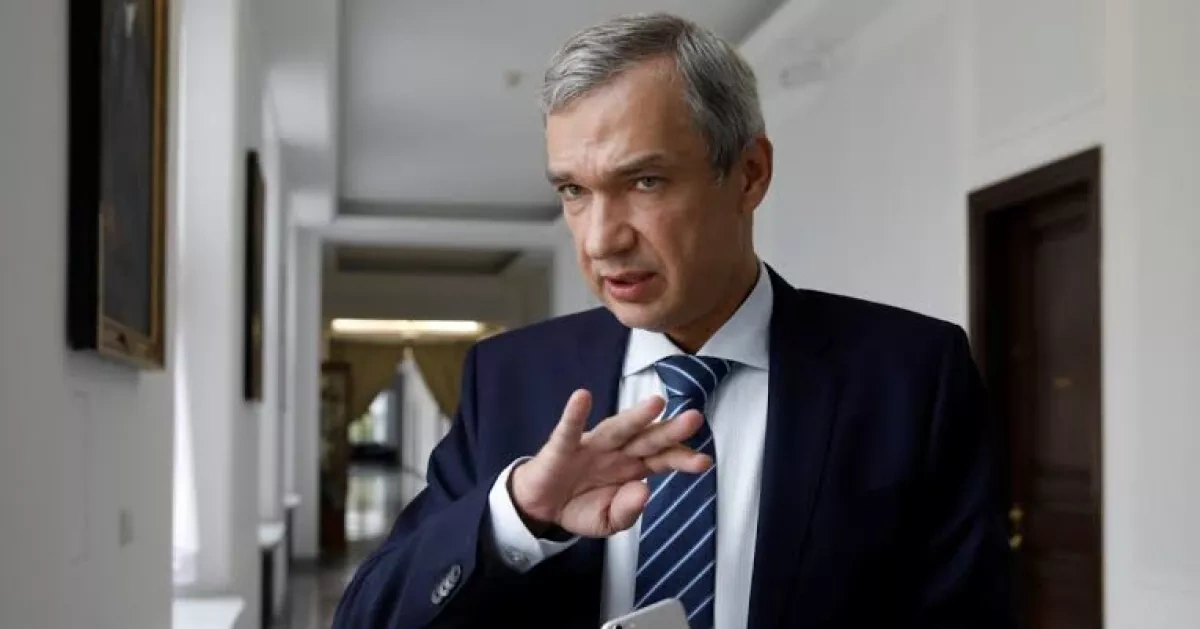
Such toxic interpretations were actively spread on social media and opposition platforms. However, even Pavel Latushko, deputy of Sviatlana Tsikhanouskaya, was forced to admit, while commenting on the drone attack, that neither Lukashenko nor Belarusian society are interested in this war.
Unfortunately, today civilians are increasingly becoming victims of hostilities on both sides of the front line. However, ordinary Belarusians, just like the people of Ukraine or Russia, are not responsible for the decisions of politicians. The war was not their choice. The majority of Belarusian citizens are genuinely interested in ending the conflict and restoring peace. For ordinary people, war means only losses, suffering, and destruction. That is why any attempts to use such tragedies to further escalate the situation deserve the strongest condemnation.