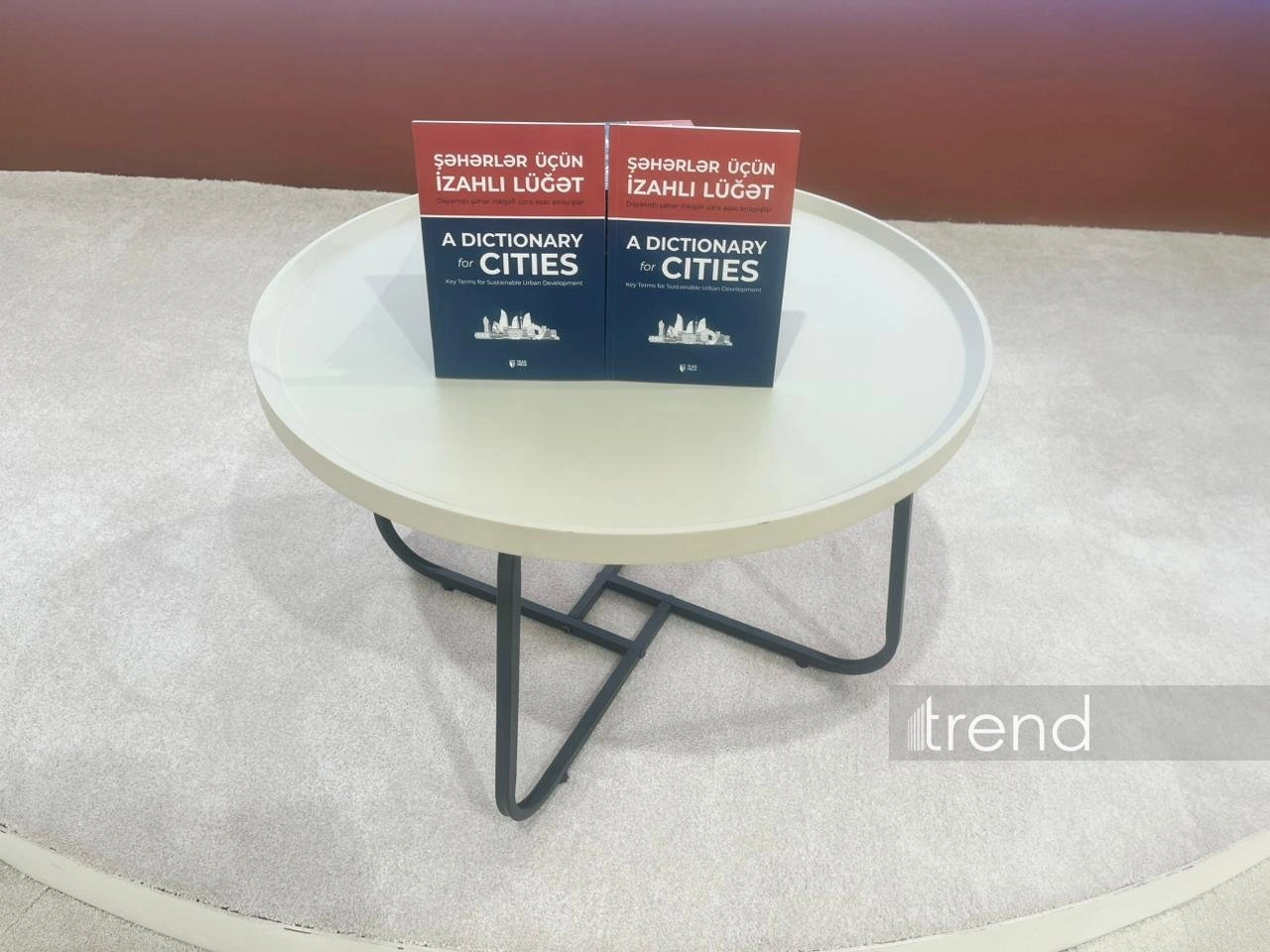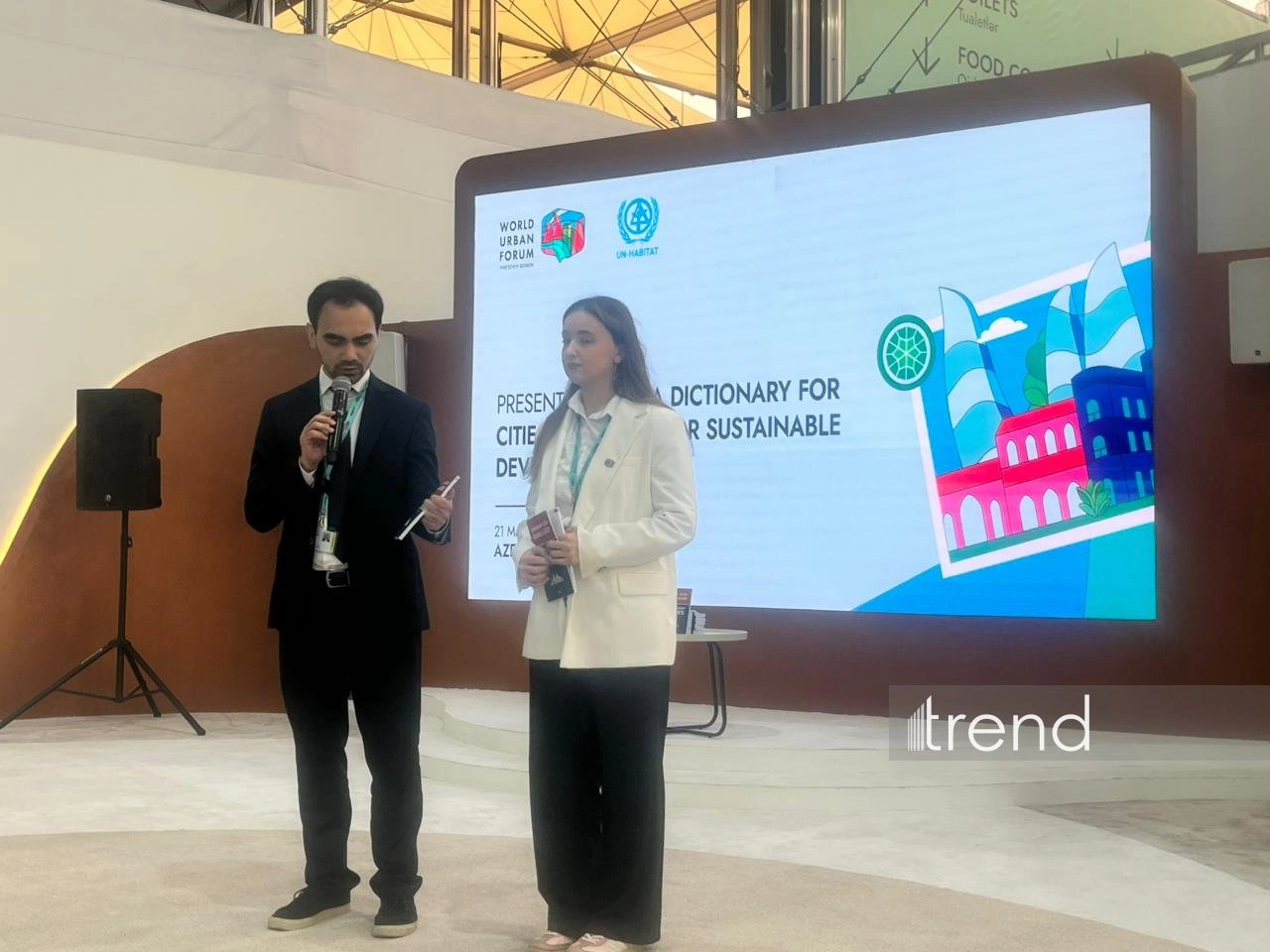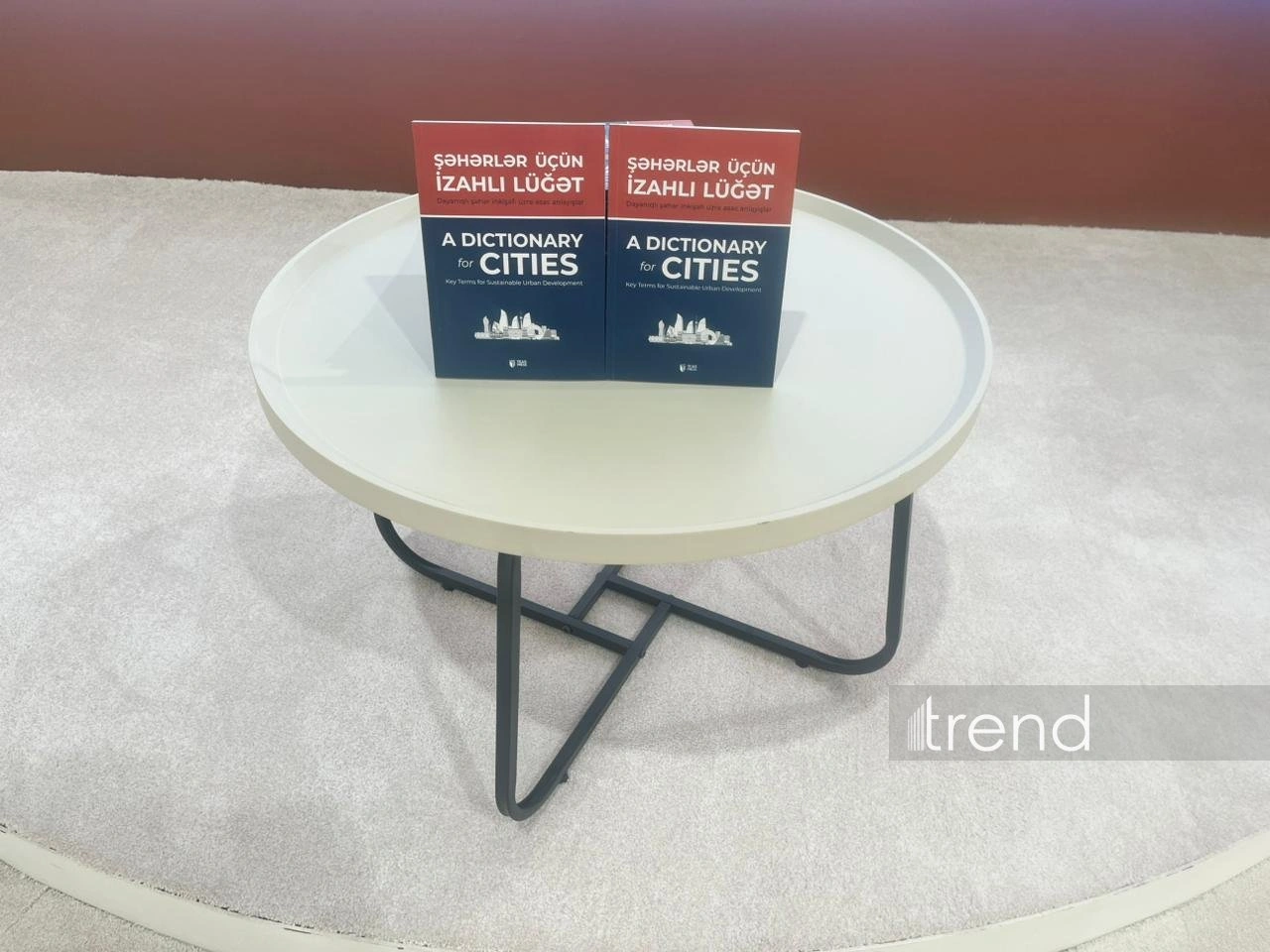
BAKU, Azerbaijan, May 21. A ceremony to present
the “Explanatory Dictionary for Cities” was held as part of the
13th session of the World Forum on Urbanism (WF13), Trend reports.
The main goal of compiling the glossary is to provide a clear
and systematic understanding of the key concepts of urban
development that shape global discussions on urban planning.
The “Explanatory Dictionary of Urban Planning Terms” provides a
systematic explanation of key terms used in the broader discourse
on sustainable urban planning, the UN’s sustainable development
agenda, and cities and human settlements. The “Explanatory
Dictionary of Urban Planning Terms” is intended as a practical
reference source.
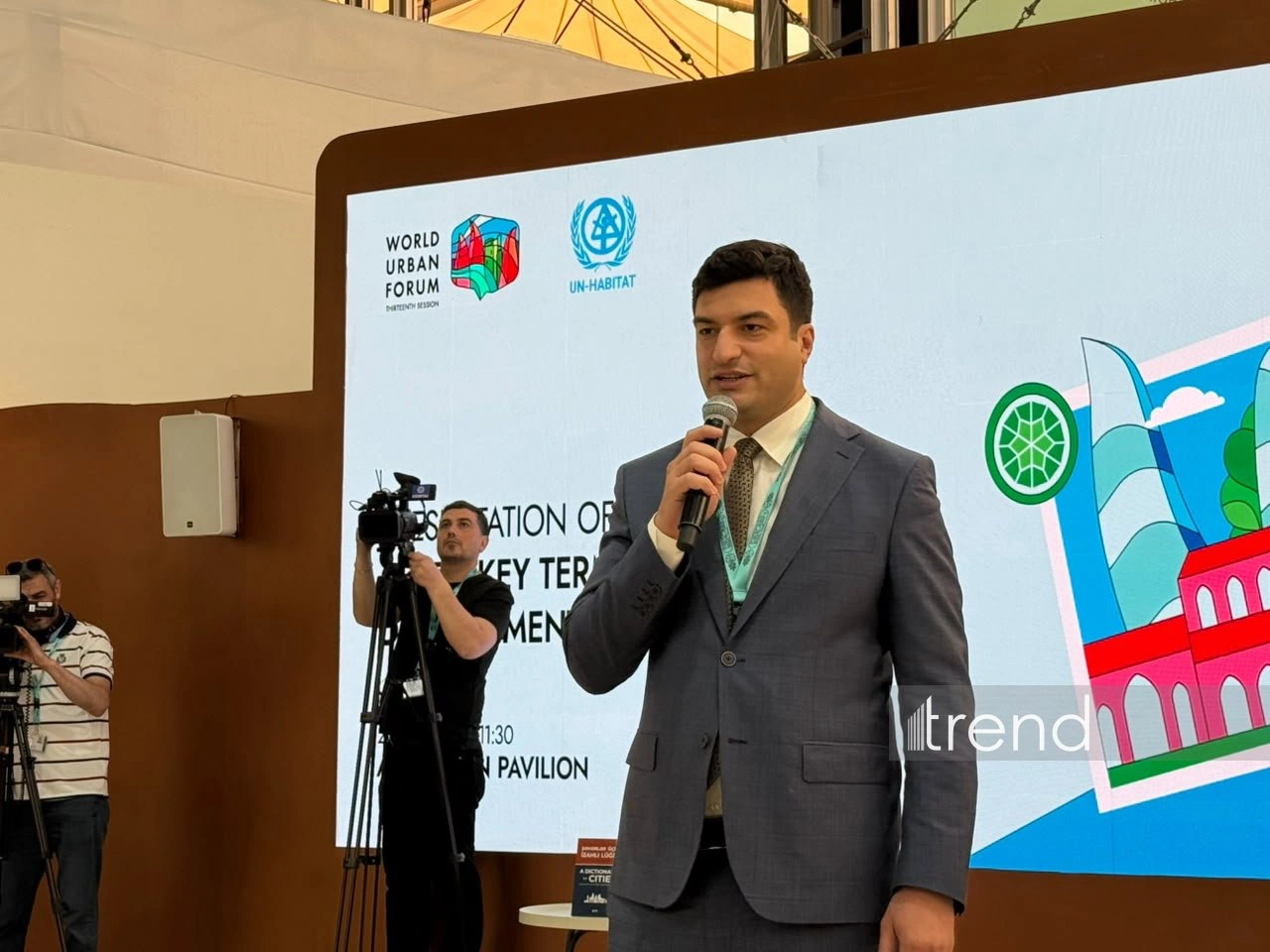
Speaking at the launch ceremony, Ramil Jahangirov, head of the
department at the State Committee for Urban Planning and
Architecture, noted that the compilation of the glossary is a
valuable initiative:
“Over the past five years, and even longer, we have been
actively collaborating with international partners. Not only we,
but especially young architects, young urban planning specialists,
and companies are working closely with international partners.
In such circumstances, having a common professional language is
extremely important. That is why we consider this dictionary to be
a very useful and practical tool for architects, urban planners,
and anyone interested in this field. This resource will help
standardize terminology, improve understanding of concepts, and
familiarize users with key ideas related to current trends.
He added that this dictionary is also very useful for students
and the academic community.
Meanwhile, the publication was evaluated based on opinions and
expert assessments by scholars from the Urban Planning Committee
and the Architecture Committee of Azerbaijan University of
Architecture and Construction, as well as the Nasimi Institute of
Linguistics at the National Academy of Sciences of Azerbaijan.
At the presentation ceremony, speakers also shared their views
on the new dictionary. At the conclusion of the event, participants
were presented with a copy of the new dictionary.
Today marks the fifth day of WUF13 in Baku.
The first day included a ministerial meeting dedicated to the
New Urban Agenda, a ministerial roundtable, assemblies for women
and civil society, business sessions, and discussions on urban
prosperity. An official ceremony marking the raising of the UN and
Azerbaijani flags also took place.
The second day stood out for the inaugural Leaders' Summit,
featuring high-level discussions on the global housing crisis,
urbanization policy, and urban resilience. Concurrently, the
opening of the Mexico City pavilion took place, serving as a
significant platform for expanding cooperation with the Latin
American region and preparing for WUF14.
The third day of WUF13 featured a comprehensive program of
events covering the global housing crisis, the formation of safe
and inclusive cities, climate resilience, artificial intelligence
and urban governance, green urbanization, social equity, and
sustainable transport.
One of the highlights of the third day was the signing of a
sister-city memorandum between the Azerbaijani city of Shusha and
the Turkish city of Trabzon.
The fourth day of WUF13 featured a broad program of events
dedicated to urbanization, climate change, inclusive urban
development, housing policy, and sustainable governance.
One of the important events of the UN Special Program for the
Economies of Central Asia (SPECA) Cities Forum, held on the fourth
day, was the announcement of Almaty’s official accession to the
“Declaration of Intent on the Establishment of the SPECA Smart
Climate-Resilient Cities Forum.”
Also, for the first time in WUF history and at Azerbaijan’s
initiative, the “WUF13 NGO Forum: Global Partnership and
Decision-Making” was held.
WUF13, which has attracted more than 40,000 registered
participants from 182 countries, will continue until May 22. Held
under the theme “Housing the world: Safe and resilient cities and
communities,” the forum brings together governments, international
organizations, experts, and representatives of civil society to
strengthen global cooperation in the field of sustainable urban
development.