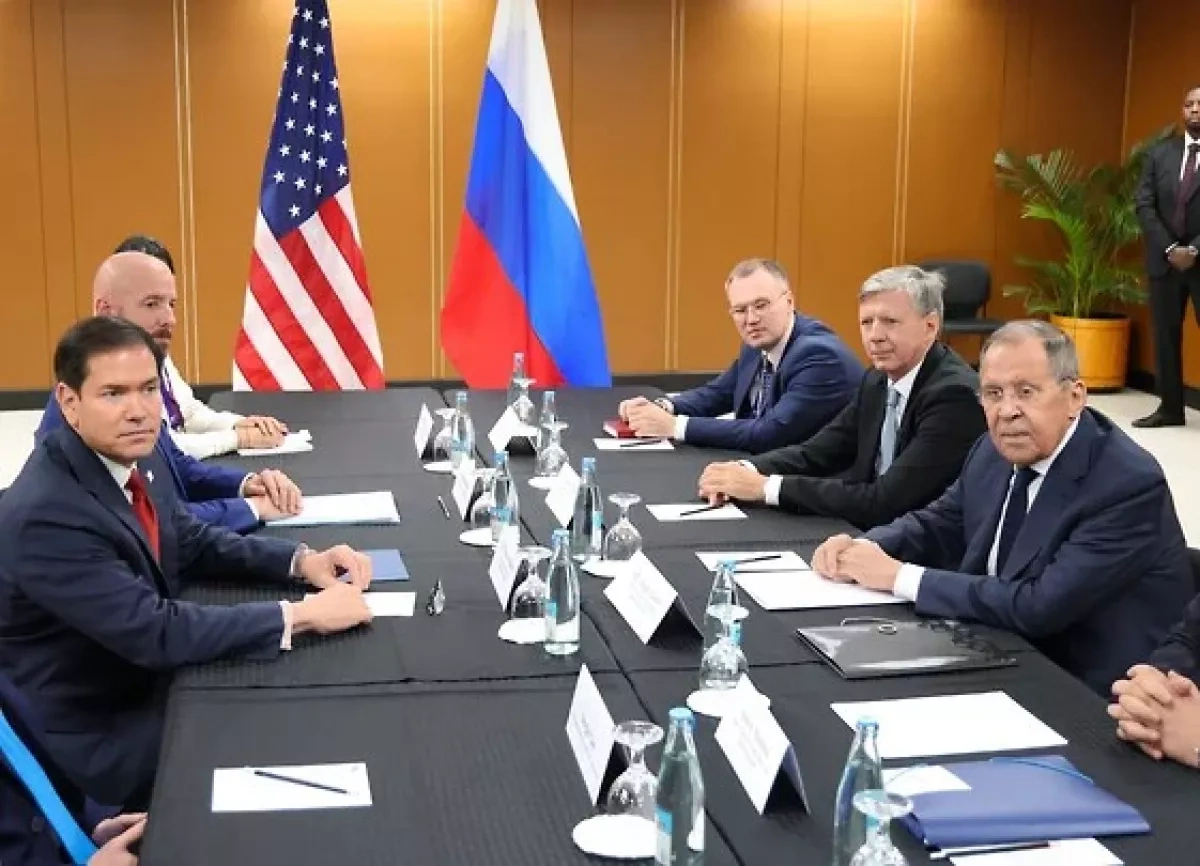
The meeting between Russian Foreign Minister Sergey Lavrov and U.S. Secretary of State Marco Rubio in the Philippine capital lasted only 35 minutes, and such a brief timeframe has opened the door to a wide range of interpretations.
Although the topics of the talks were predictably clear, the statements made by both sides afterward were not particularly substantive. Instead, attention was largely focused on the collapse of the Anchorage agreements, which in turn fueled a new wave of speculation. However, certain remarks made by Rubio drew the attention of the international analytical community.
Following the talks, the U.S. Secretary of State noted that the United States has “tried and we’ll continue to try to see if we can find a middle ground” that would bring the war to an end: “So if – when peace comes, it’ll be because of some new idea and some new concepts, and we’re prepared to offer some of those in the right setting and forum. If the opportunity presents itself and the conditions are right, we’re prepared to play that role in a positive way.”
So, what exactly did Marco Rubio mean by the “new idea and some new concepts”? And is there any chance that these “fresh” proposals could actually prove effective and lead to a positive outcome?
American and Ukrainian experts shared their views on these questions with Caliber.Az.
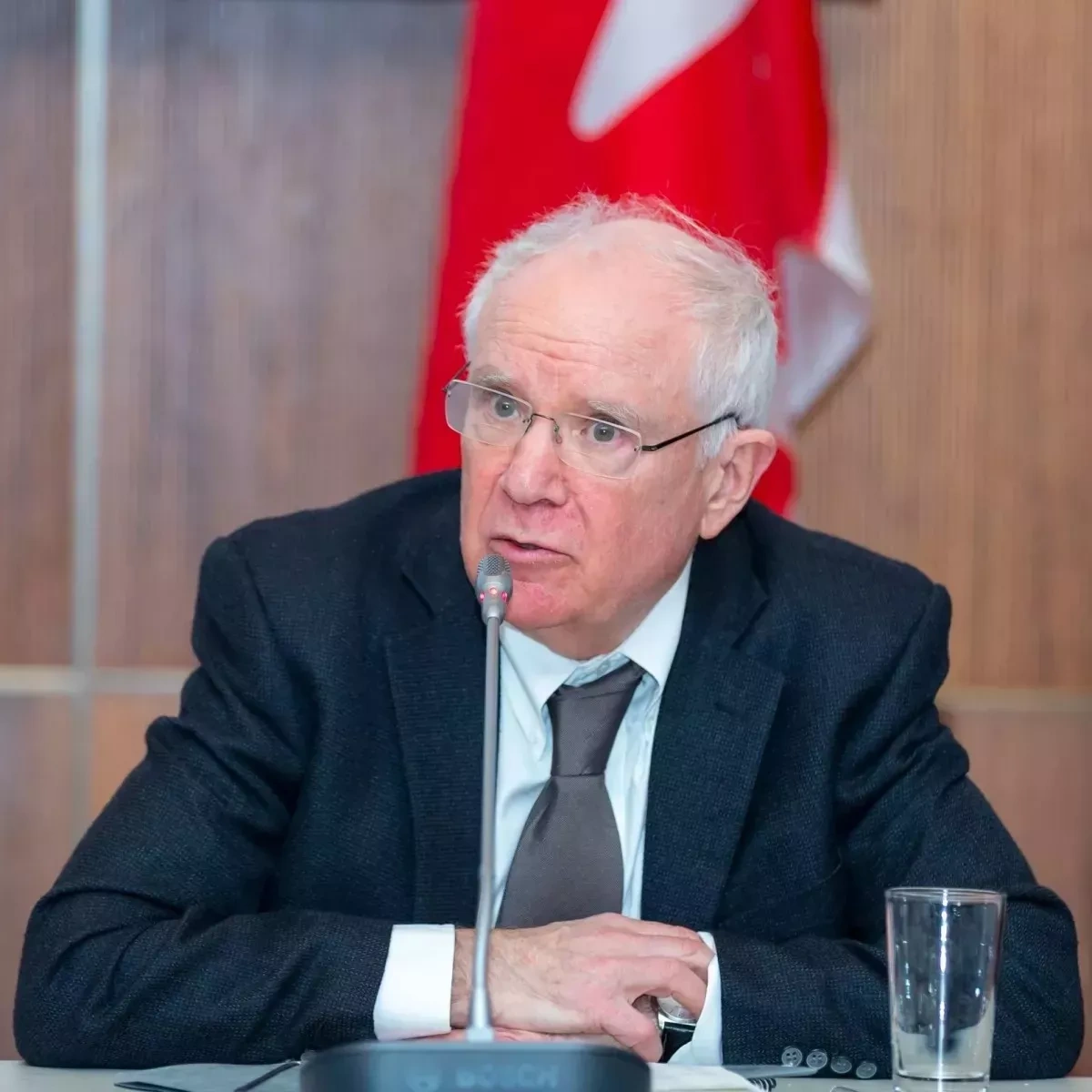
American political scientist, human rights advocate, and former Executive Director of the International Helsinki Federation for Human Rights Aaron Rhodes believes that Rubio was most likely using diplomatic language to signal that Russia’s current approach to the negotiations is not working.
“We have seen that Moscow has essentially shown no serious interest in ending the war through diplomacy. This is despite the fact that Russia is currently going through difficult times, facing significant economic and social challenges while effectively remaining in international isolation. All of this cannot but concern the Kremlin, yet the situation in the Russian-Ukrainian war remains unchanged. When Rubio speaks of ‘some new idea and some new concepts,’ he is most likely referring to something that has already surfaced during the negotiation process—for example, the argument that this bloody confrontation has resulted in a large number of civilian casualties and that it must be brought to an end,” Rhodes said.
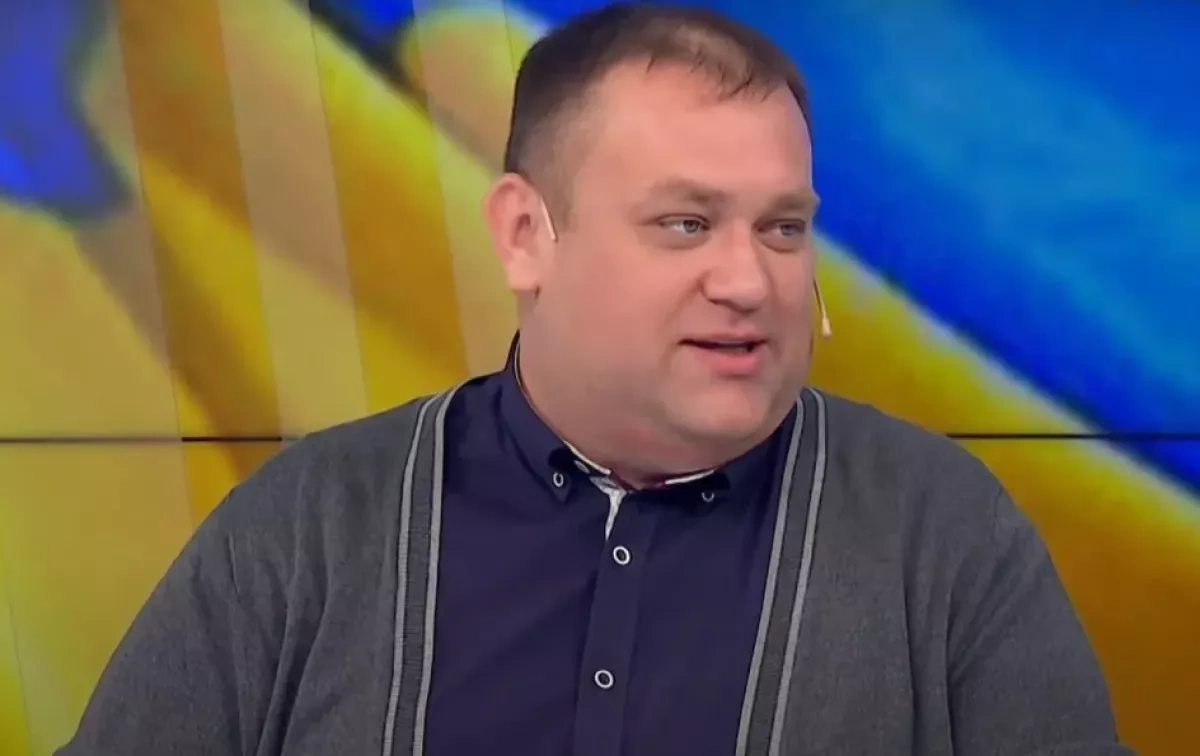
For his part, analyst, PhD in Political Science, and President of the International Security Studies Institute Oleksiy Buryachenko believes that the talks between Marco Rubio and Sergey Lavrov in Manila were primarily significant for Moscow, but they did not produce any major diplomatic breakthroughs.
“The meeting was extremely brief, lasting about half an hour, and was arranged less than 24 hours before it took place. This suggests that there was virtually no preparation for it: there were no pre-agreed decisions or draft documents. This was also reflected in Marco Rubio’s own remarks, in which he stressed that the United States would continue to do everything possible to help bring the Russian-Ukrainian war to an end by serving as a facilitator of the negotiation process, should a genuine opportunity arise. In other words, Washington did not, in principle, have overly high expectations for the meeting in Manila,” the expert noted.
In his view, the restrained reaction from the American side is explained by its experience from previous contacts with Moscow.
“Marco Rubio’s cautious remarks are entirely understandable. The Americans have no intention of falling into the same trap twice, as they clearly remember the outcome of their previous approach: President Donald Trump failed to achieve the political results he had expected, and his approval ratings suffered as a consequence. It is evident that Washington believes the Russian side misled the American negotiators during the talks in Anchorage. That is why the U.S. administration is now taking a much more cautious approach to negotiations while still preserving its role as a facilitator of the negotiation process.
It is also telling that Washington’s policy toward Ukraine did not change after the meeting in Manila. In particular, the United States did not accommodate Moscow’s requests to halt arms supplies to Kyiv. Thus, the United States continues to view Ukraine as a strategic partner and remains prepared to expand military-technical cooperation with the Ukrainian side, including the transfer of licenses for the production of Patriot systems, an issue discussed during the meeting between Donald Trump and Volodymyr Zelenskyy in Ankara on the sidelines of the NATO summit,” the analyst noted.
In his view, meaningful negotiations will only become possible if pressure on Russia increases substantially.
“At present, there is no negotiation framework that suggests Moscow is prepared for a constructive dialogue, and the pressure being exerted by Ukraine, Europe, and the United States is still insufficient to change Russia’s position. Therefore, even if the diplomatic process gains new momentum following the scheduled July 28 meeting between Zelenskyy and Trump, there is little reason to expect Russia to engage in serious negotiations without stronger pressure.
On the other hand, the European Union has adopted another package of sanctions, while the United States continues to discuss a new sanctions package that would impose significant restrictions on purchasers of Russian energy exports. Even if these measures fall short of the toughest possible sanctions, they will still encourage countries to diversify their oil and gas imports, which could inflict substantial damage on the Russian economy. Moscow understands this perfectly well, and, in my view, this largely explains why Russian diplomacy has sought to intensify contacts with Washington, including through the meeting between Lavrov and Rubio in Manila,” Buryachenko concluded.