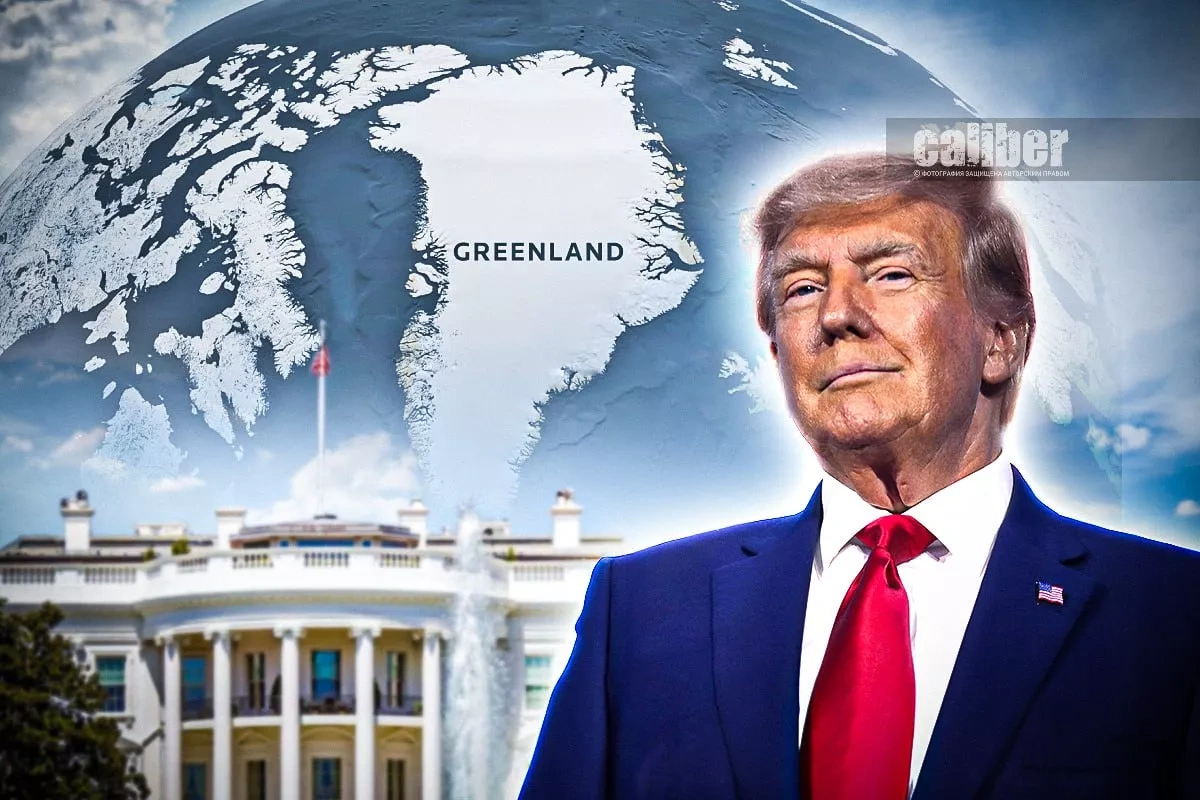
Recently, signs have emerged that the geopolitical crisis surrounding Greenland, triggered by Donald Trump’s statements about the need to establish U.S. control over the island, may be heading toward a diplomatic solution. In particular, The Washington Post reports that after no fewer than five rounds of negotiations, the United States and Denmark have moved closer to a compromise that would allow Washington to expand its military presence on the island without undermining Danish sovereignty or the authority of Greenland’s self-government.
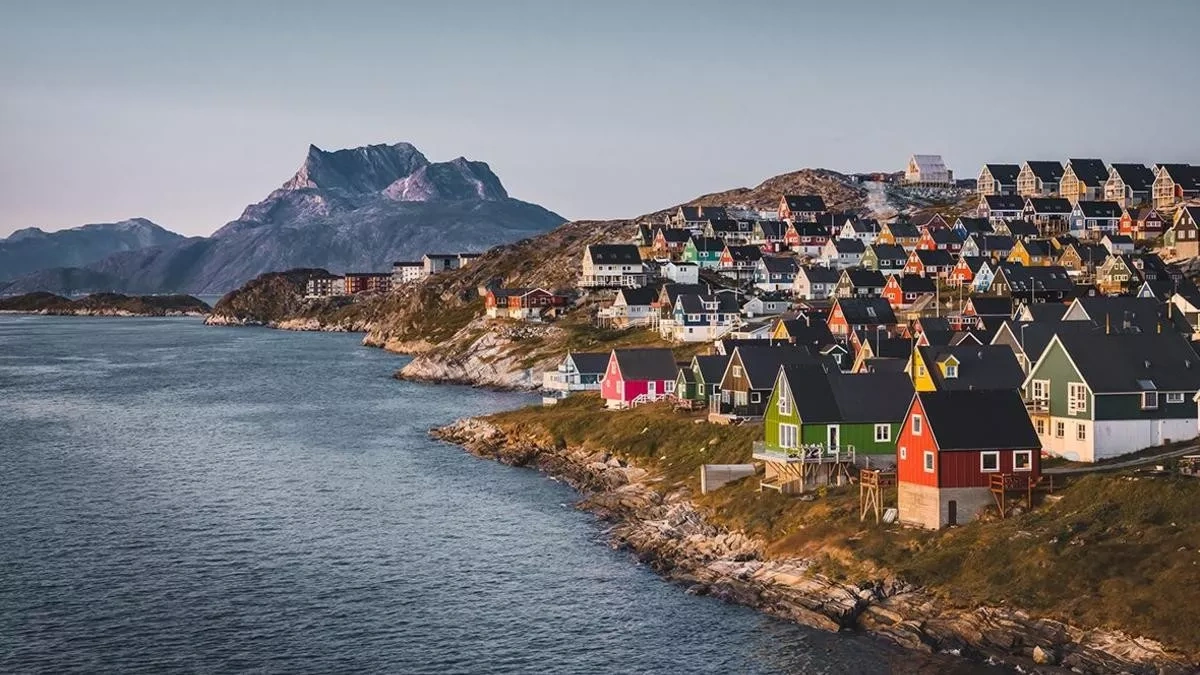
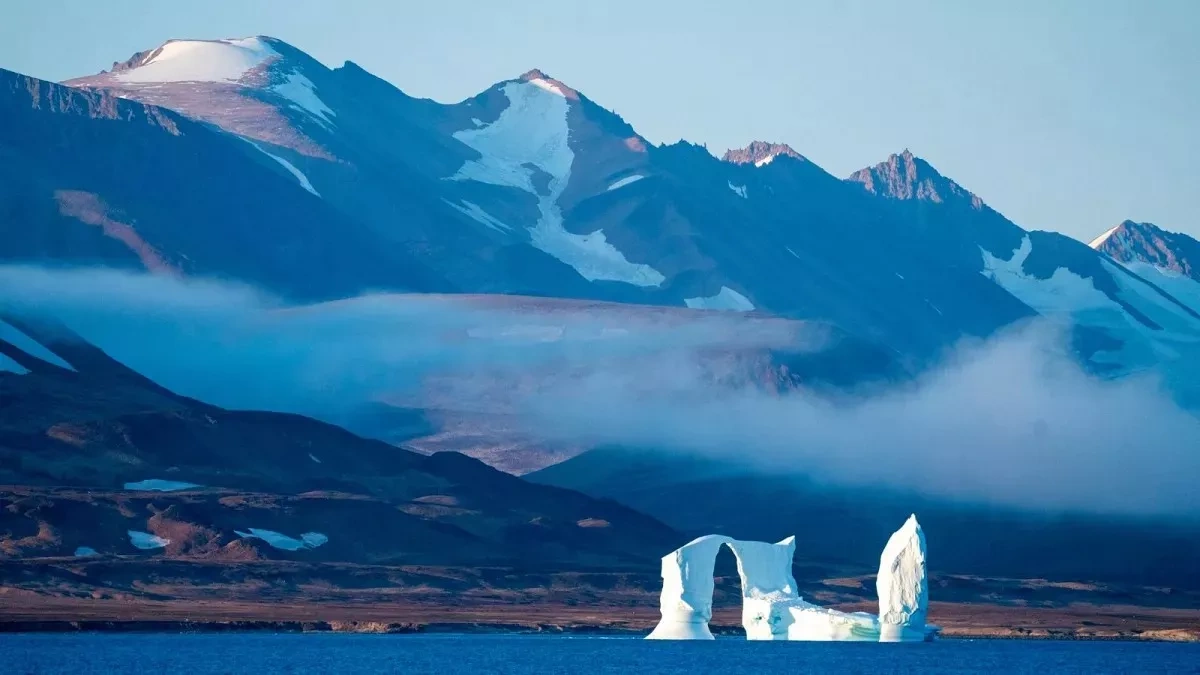
Greenland is an autonomous territory within the Kingdom of Denmark. In 1951, Washington and Copenhagen signed an agreement on its defence, under which the American side assumed responsibility for defending the island within the framework of allied relations in NATO. In the 21st century, following Donald Trump's return to the White House, the issue of the "Land of the Greenlanders" once again came to the forefront: the American president repeatedly stated that the island would "one way or the other" come under U.S. control, as it plays a key role in ensuring the security of the Arctic region, the United States, and North America.
Washington’s determination to acquire Greenland at any cost sparked a strong backlash both in Copenhagen and Nuuk (formerly Godthåb), including public protests. The authorities, for their part, stressed that the island’s future should be decided exclusively by its people. It is reasonable to assume that this wave of opposition, combined with the realisation that challenging the sovereignty of a NATO ally could trigger a serious crisis within the alliance itself, influenced Washington’s approach. As a result, the United States has effectively moved away from confrontational rhetoric, seeking instead to achieve its strategic objectives through diplomatic channels.
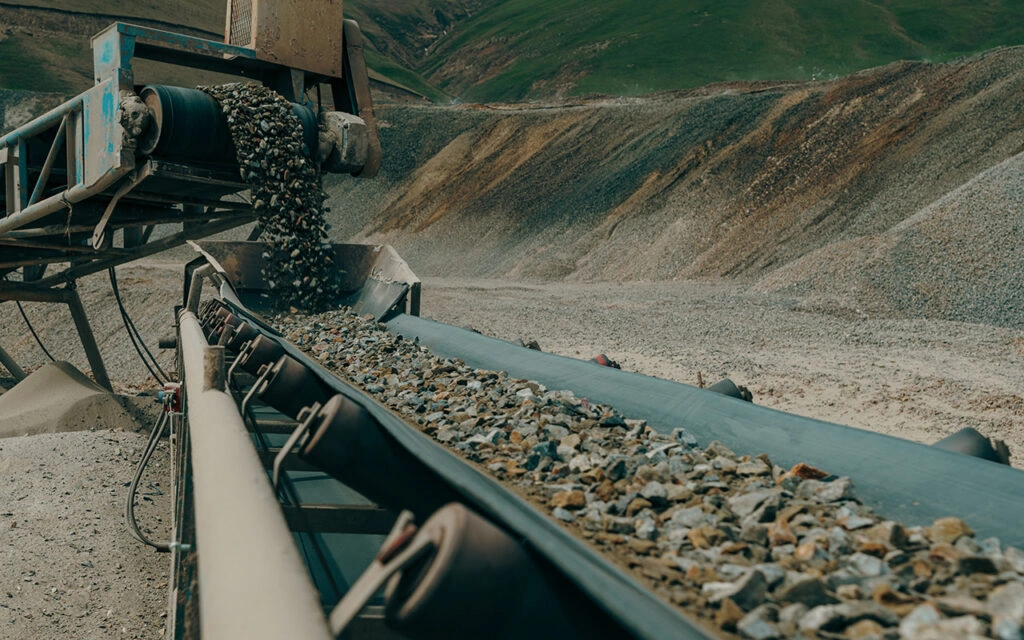
At the same time, Washington's interest in the world's largest island is driven by several factors. First and foremost, it concerns Greenland's exceptionally rich natural resources. The island possesses substantial reserves of oil, natural gas, and rare earth metals essential for the production of modern electronics and the development of green technologies. It also contains deposits of zinc, copper, iron, molybdenum, gold, and platinum. According to estimates by the U.S. Geological Survey, Greenland's continental shelf may contain around 31 billion barrels of oil equivalent and more than 4 trillion cubic meters of natural gas.
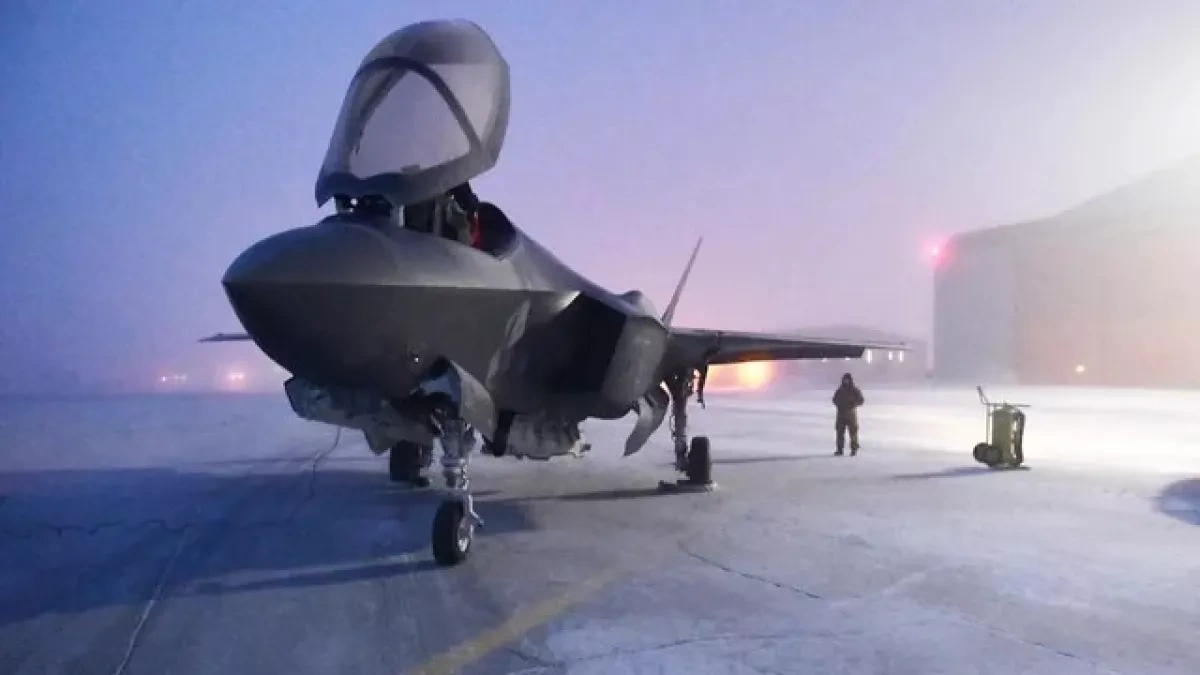
No less important is the military dimension. Owing to its geographic location, Greenland occupies a key position in the system of Arctic control. The U.S. Pituffik Space Base is already operating on the island, and the U.S. Northern Command is considering the construction of additional military facilities. Washington explains these plans by citing the growing activity of Russia and China in the Arctic region, which, in principle, corresponds to reality. For example, Moscow has for many years consistently strengthened its military presence in the Arctic by modernising Soviet-era infrastructure, constructing new military installations, and regularly conducting large-scale military exercises. A key role in this system is played by the Arctic Trefoil base, the Northern Clover base, and other facilities that ensure control over the Northern Sea Route and the protection of Russia's northern frontiers.
For its part, despite all the global challenges, Denmark's foremost priority remains the preservation of its sovereignty over the island. This is precisely why Copenhagen is willing to discuss expanding defence cooperation with the United States only on the condition that it retains control over the island. As a result, Danish Foreign Minister Lars Løkke Rasmussen did not rule out the possibility that an updated Greenland defence agreement could be signed before the end of 2026.
Greenland itself remains in the most difficult position. The island's authorities have consistently rejected any discussion of its sale, while at the same time demonstrating an interest in American investment and infrastructure development. This dual approach is explained by economic realities: the island remains financially dependent on Danish subsidies, although it seeks to expand its economic self-sufficiency.
Thus, the most likely outcome of the current negotiations will be a compromise under which Denmark will retain sovereignty over Greenland, while the United States will secure an expanded military presence both on the island in particular and across the Arctic region as a whole. However, such a scenario is likely to further increase tensions in U.S.–Russia and U.S.–China relations, which will inevitably accelerate the militarisation of the Arctic.
At the same time, Greenland’s own fate is likely to change as well. While the island will undoubtedly benefit from such a turn of events, internal divisions are likely to deepen, and the geopolitical rivalry among global powers in the Arctic could transform the “Ice Sphinx” into a focal point of competing interests.