ASHGABAT, Turkmenistan, April 13. Turkmenistan
has expressed concern over the escalating tensions in the Caspian
region, advising against any military action there in light of the
recent strikes on Iran's section of the Caspian Sea, Trend reports via the press
service of the Turkmen Government.
The statement was made by Chairman of Turkmenistan’s Halk
Maslahaty Gurbanguly Berdimuhamedov during a briefing which
followed his meeting with International Atomic Energy Agency
Director General, Rafael Grossi.
Berdimuhamedov recalled that the 2018 Convention on the Legal
Status of the Caspian Sea defines the region as a zone of peace,
excluding the presence of non-littoral military forces, which
serves as a foundation for regional stability and economic
cooperation.
“Turkmenistan is concerned about the military strikes carried
out on the territory of a neighboring Caspian state. Our country
categorically rejects such actions. Military operations in the
Caspian region are absolutely unacceptable,” Berdimuhamedov stated,
warning that it could pose risks to regional security and ongoing
economic cooperation.
The country is currently reviewing a draft joint statement of
Caspian states addressing the situation and may support the
document.
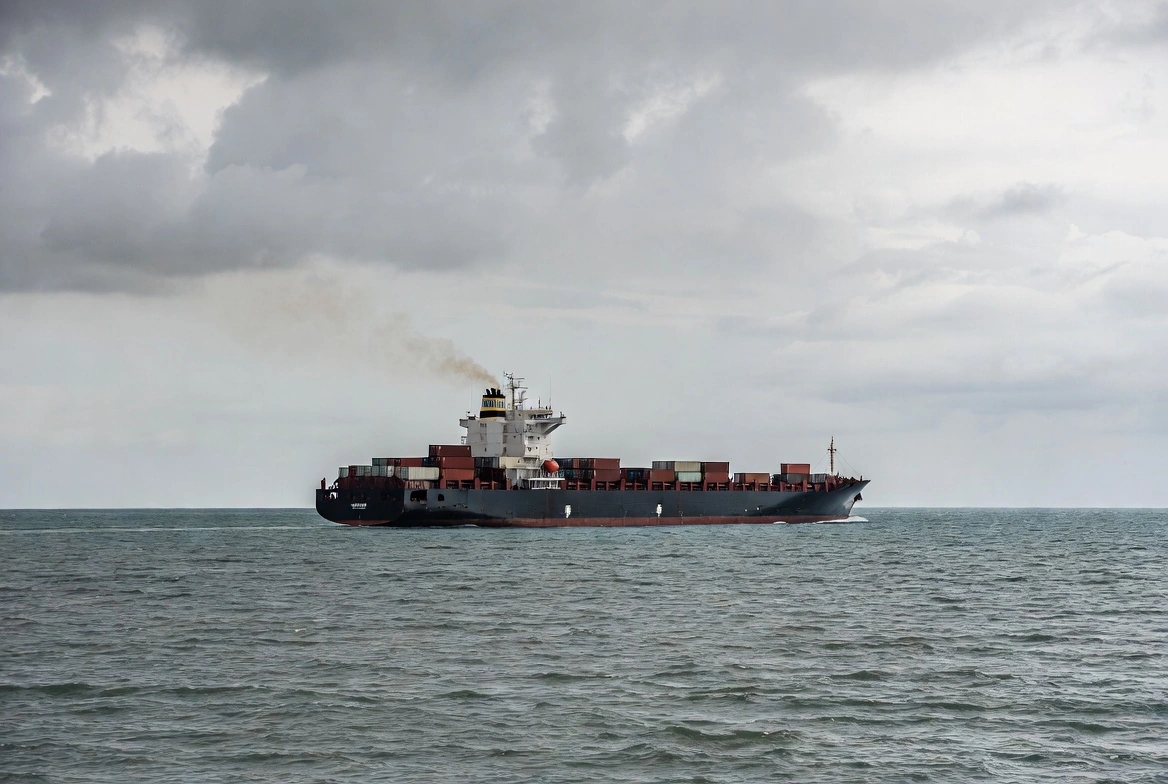
Meanwhile, Caspian economic cooperation has intensified in
recent years, with Turkmenistan playing as a key transit hub within
the Trans-Caspian International Transport Route (Middle Corridor),
linking China and Central Asia with Europe. Cargo volumes along the
route reached around 4.5 million tons in 2024, demonstrating rapid
growth, while capacity is expected to expand to up to 10 million
tons annually by 2027.
A central element of Turkmenistan’s strategy is the Turkmenbashi
International Seaport, whose capacity reaches up to 17 million tons
annually. The port is a major logistics hub on the Caspian Sea
coast, handling container, ferry, and general cargo, as well as
facilitating multimodal transport between Central Asia, the
Caucasus, and Europe.
Turkmenistan is also expanding cooperation with other Caspian
states, particularly Azerbaijan, boosting cargo flows between
Turkmenbashi and Baku and integrating them into East-West corridors
such as the Middle Corridor and the Lapis Lazuli route. These
routes are increasingly used for transporting energy resources,
industrial goods, and agricultural products, reinforcing the
Caspian’s role as a key trade and transit artery.