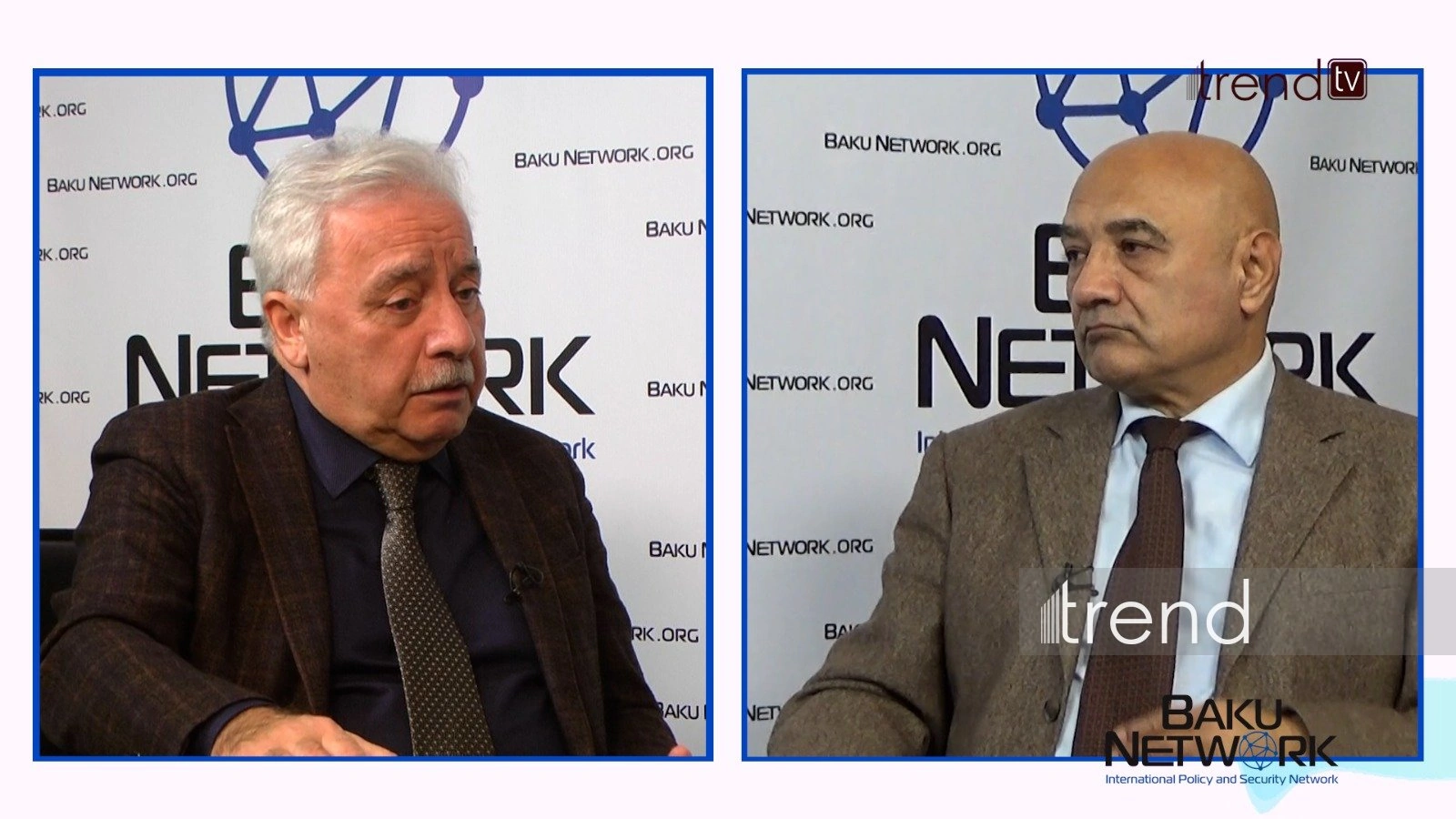
BAKU, Azerbaijan, December 24. The Baku Network
platform has released the latest episode of the analytical video
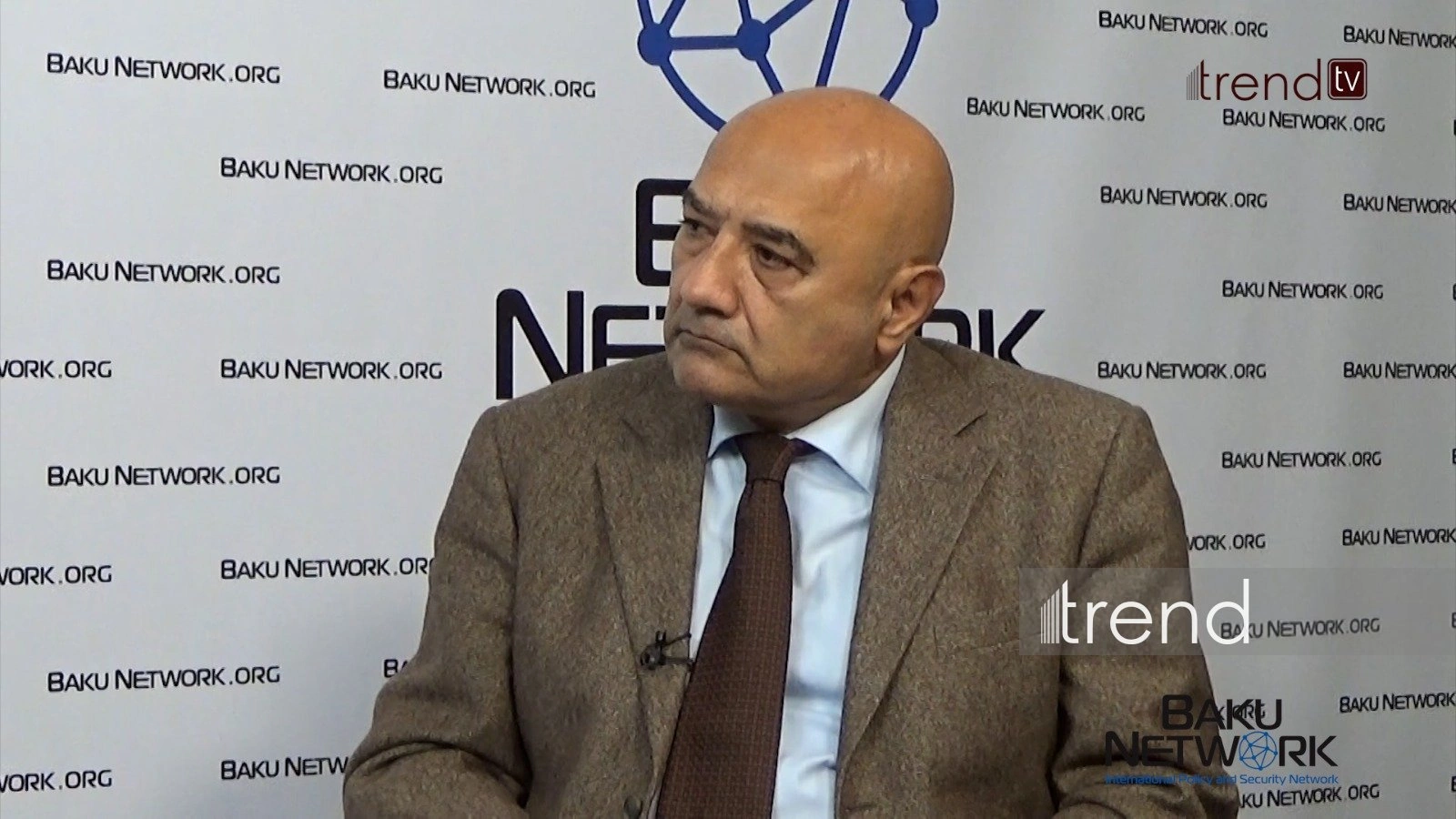
project “Dialogue with Tofig Abbasov,” Trend reports.
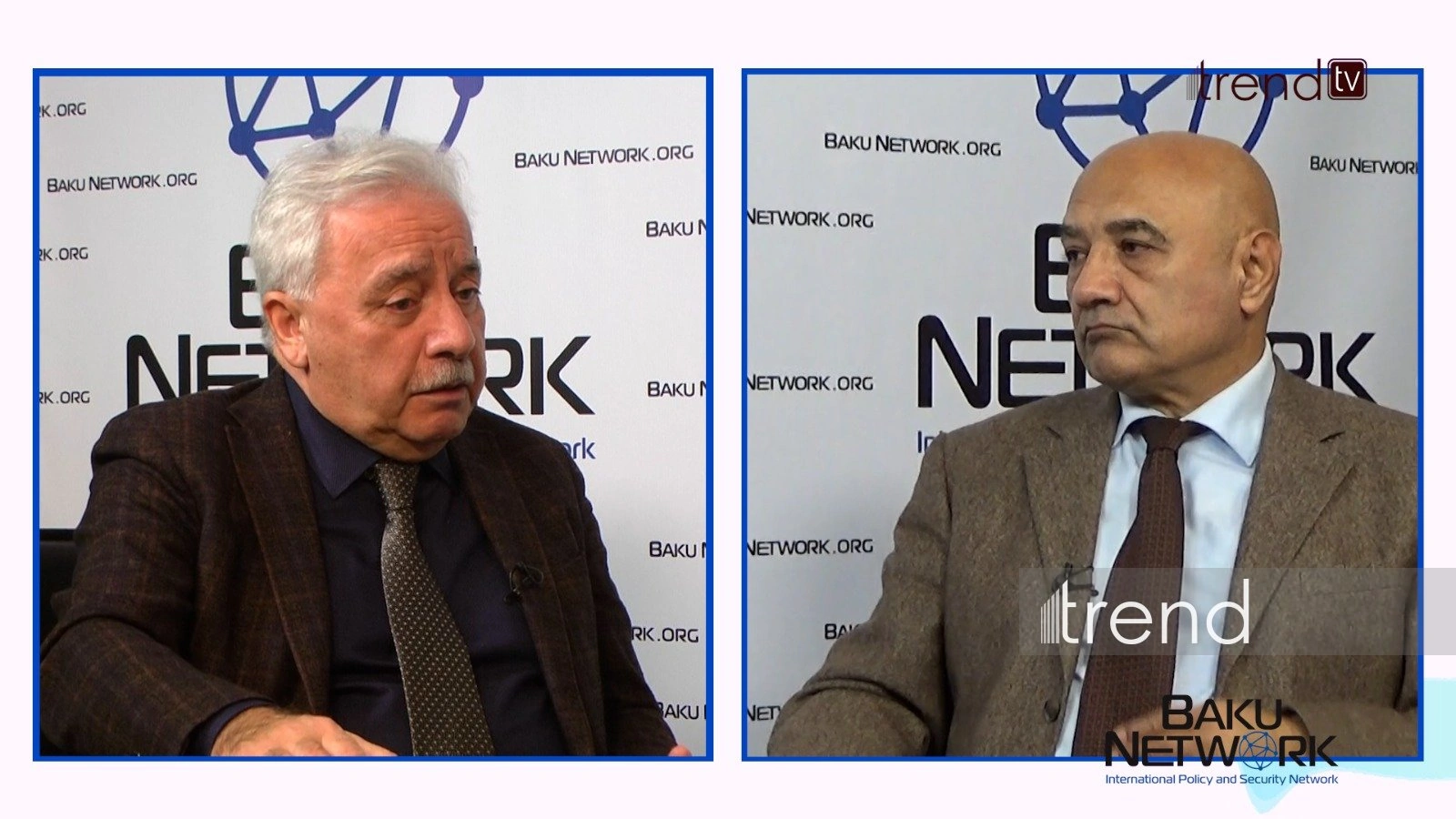
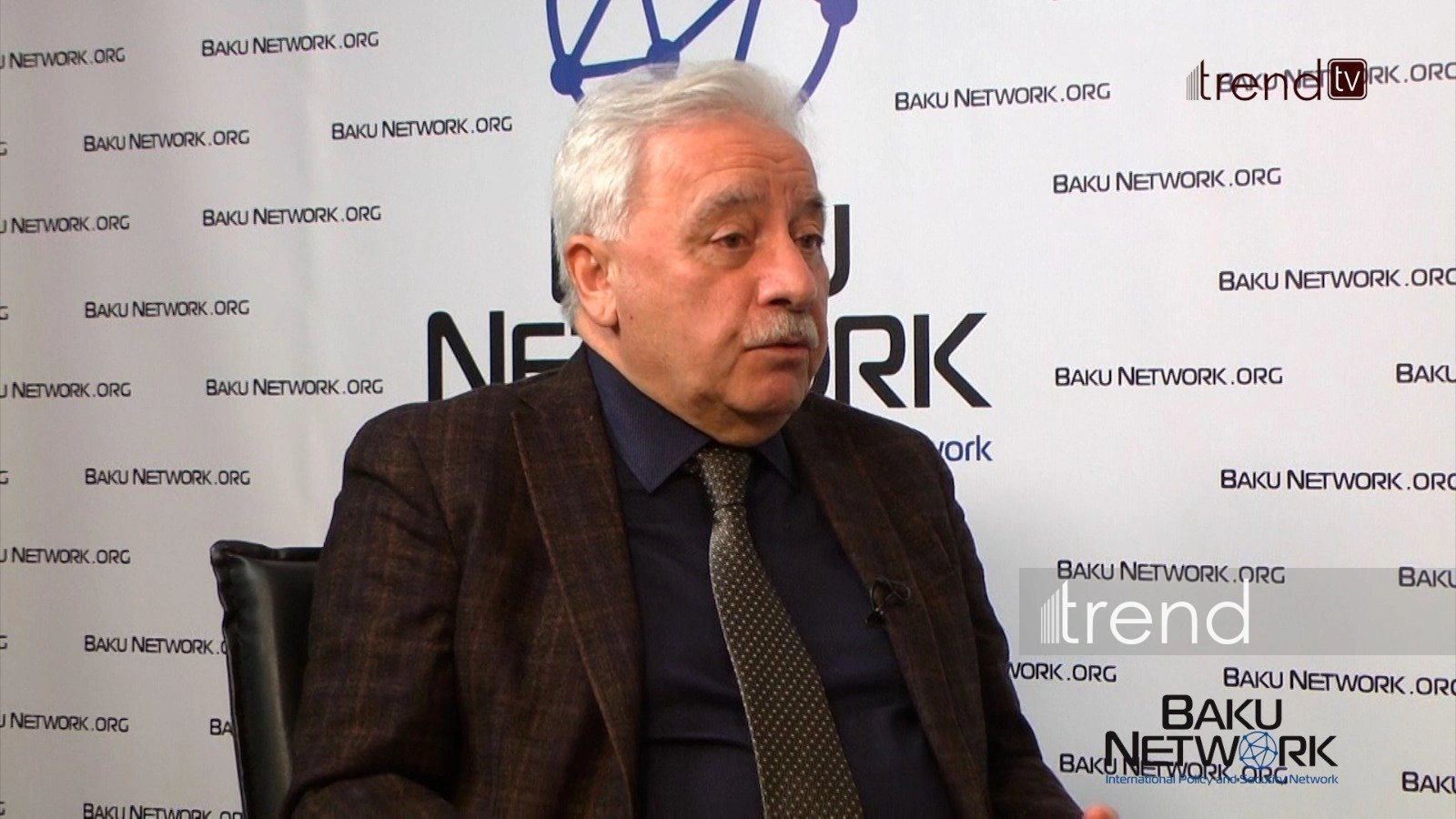
The guest of the program was Professor Ilham Mammadzade,
director of the Institute of Philosophy and Sociology of the
Azerbaijan National Academy of Sciences (ANAS).
During the discussion with the project’s host, Tofig Abbasov,
the interlocutors addressed the prospects of the peace process in
the South Caucasus, the domestic political situation in Armenia,
and the part played by religious institutions, along with elements
that might either pave the way for or throw a wrench in the works
of the region's ultimate stabilization.
Mammadzade noted that the establishment of a final and
irreversible peace is an inevitable process, although the path
toward it requires time and patience. According to him, Armenia’s
defeat has led to an internal split in society, where revanchist
circles remain active and pose a threat to the peace process.
Special attention during the program was paid to the role of the
Armenian Apostolic Church. The professor emphasized that the church
has historically performed not only spiritual but also political
functions, possessing significant resources and influence over
diasporas abroad. In his view, some church structures continue to
act as a destabilizing factor by supporting revanchist sentiments
and resistance to peace initiatives.
Additionally, Mammadzade pointed to the existence of internal
disagreements within Armenia’s church environment, which, in his
assessment, could play a positive role if part of the clergy aligns
with modern realities and supports a peace-oriented course.
Speaking about Armenia’s leadership, the professor stressed that
Prime Minister Nikol Pashinyan, despite pressure from internal and
external forces, remains a key figure associated with the
possibility of positive change and the advancement of the peace
process. He also noted the contradictory nature of Yerevan’s
official position, where statements about the importance of
regional communications are often accompanied by practical steps
aimed at blocking them.
The program also discussed the significance of regional
transport and logistics projects, including the Zangezur Corridor.
According to Mammadzadeh, these initiatives are objectively
beneficial for all countries in the region, including Armenia
itself, while resistance to them is often driven by the influence
of external actors and internal revanchist groups.
The professor further recalled that Azerbaijan has consistently
demonstrated its commitment to the peace process, combining a firm
stance on issues of sovereignty with pragmatic initiatives in the
fields of economy, energy, and humanitarian cooperation.
Summing up, Mammadzade expressed confidence that there is no
alternative to peace in the South Caucasus. According to him,
Azerbaijan will continue to move along the path of development,
strengthening communications and regional cooperation, while
remaining ready to respond to any challenges.
The full version of the program can be accessed through the Baku
Network platform.
Stay up-to-date with more news on Trend News
Agency's WhatsApp channel