Russia has begun commercial oil exports from Vostok Oil, the country’s largest new oil development since the collapse of the Soviet Union, with the first shipments heading to Asia aboard ice-class tankers through the Northern Sea Route.
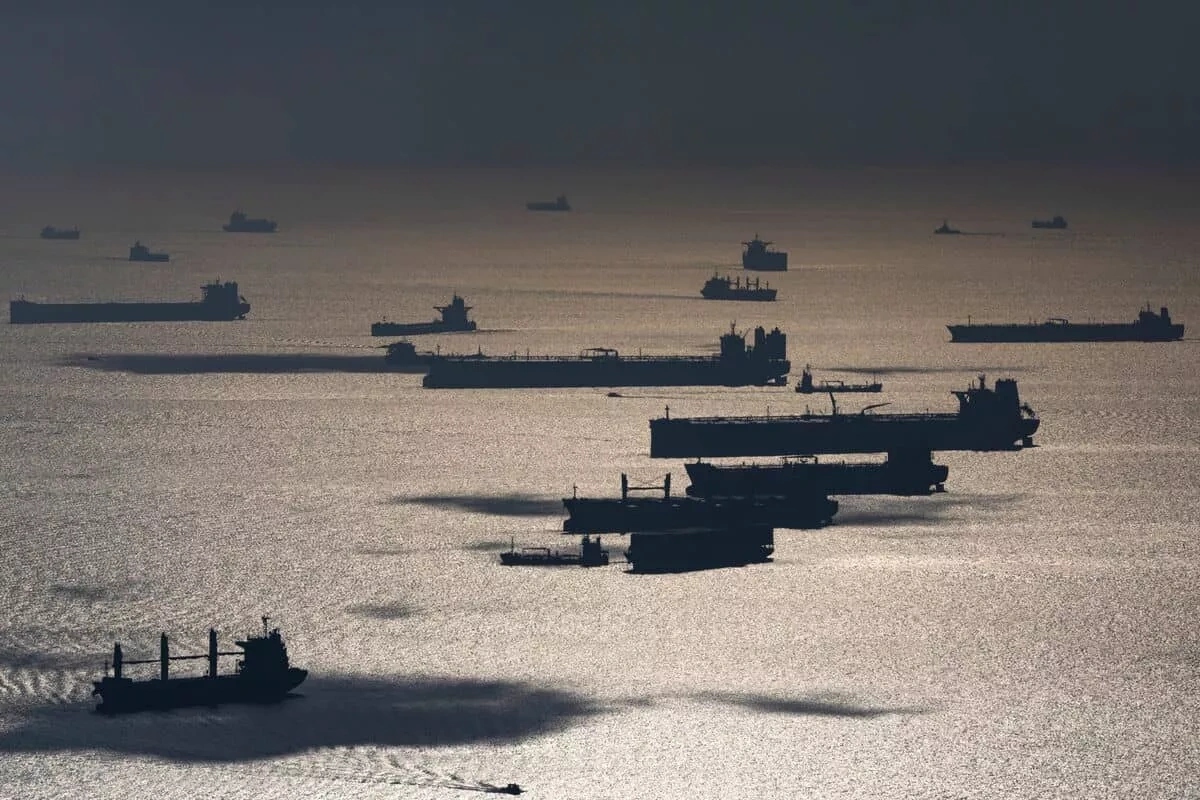
Russia’s state-controlled oil giant Rosneft has started loading four specialised tankers at the Bukhta Sever terminal, according to The Moscow Times.
The Aframax-class Akademik Gubkin and Panamax-class Valentin Pikul have already been loaded, while two more Aframax tankers, Vladimir Monomakh and Vladimir Vinogradov, are expected to be loaded in the coming days, based on LSEG vessel-tracking data.
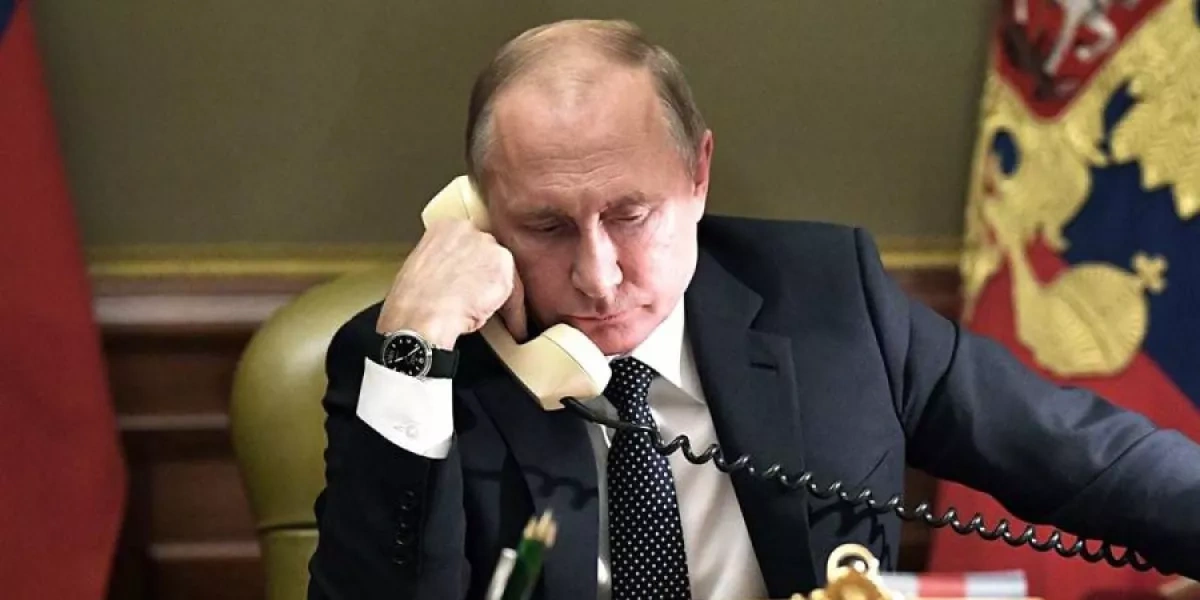
Russian President Vladimir Putin officially announced the launch of the project on September 5.
Initial exports are expected to reach about 150,000 barrels per day, with plans to increase shipments to 1 million barrels per day by 2030. The project's overall production potential is estimated at around 2 million barrels per day.
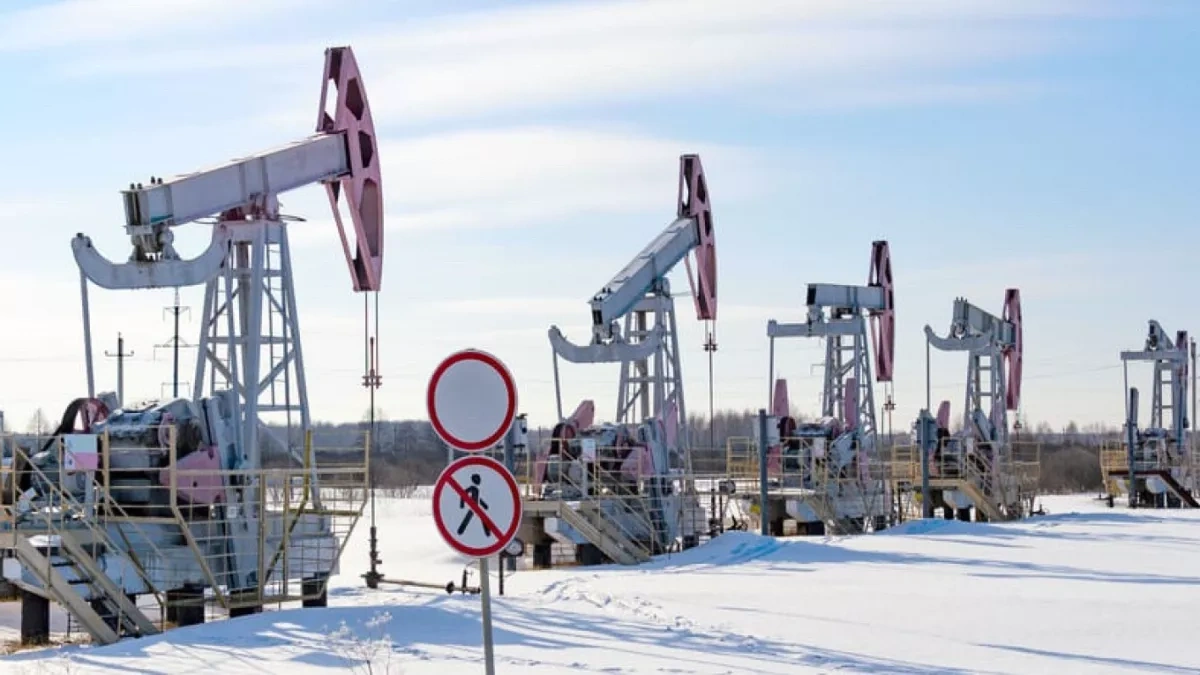
Vostok Oil comprises more than 13 oilfields across Taimyr and eastern Siberia, with estimated reserves of around 51 billion barrels. According to Russia’s Federal Agency for Mineral Resources (Rosnedra), this represents roughly one-fifth of the country’s total proven oil reserves of about 220 billion barrels.
The scale of the development makes Vostok Oil Russia’s largest oil project since the Soviet Union collapsed. To support its implementation, Rosneft CEO Igor Sechin secured 2.6 trillion roubles (about $31 billion) in tax breaks from the Russian government.
“There are no other fields with a similar resource base left in Russia,” the source quoted Rosnedra as saying.
The project also offers Moscow a logistical advantage amid the war in Ukraine. The Arctic terminal is located more than 3,000 kilometres from the Ukrainian border, allowing Russia to route oil to Asian markets through the Northern Sea Route while attacks on port infrastructure in the Black Sea and Baltic Sea have increased operational risks.
The oilfields were originally discovered during the Soviet era but were largely mothballed in the 1990s. Rosneft revived the project in 2019 and attracted foreign investment.
In 2020 and 2021, international commodity trader Trafigura and a consortium involving Vitol acquired stakes in Vostok Oil. However, following Russia’s full-scale invasion of Ukraine in 2022, Western companies, including BP, divested their Russian assets and withdrew from the project.
Western sanctions and the loss of foreign capital subsequently forced Rosneft to delay its original production and export plans.
In January 2025, the US Treasury Department imposed blocking sanctions directly on Vostok Oil and its operator, RN-Vankor, further restricting the project’s access to international markets.
By Sabina Mammadli