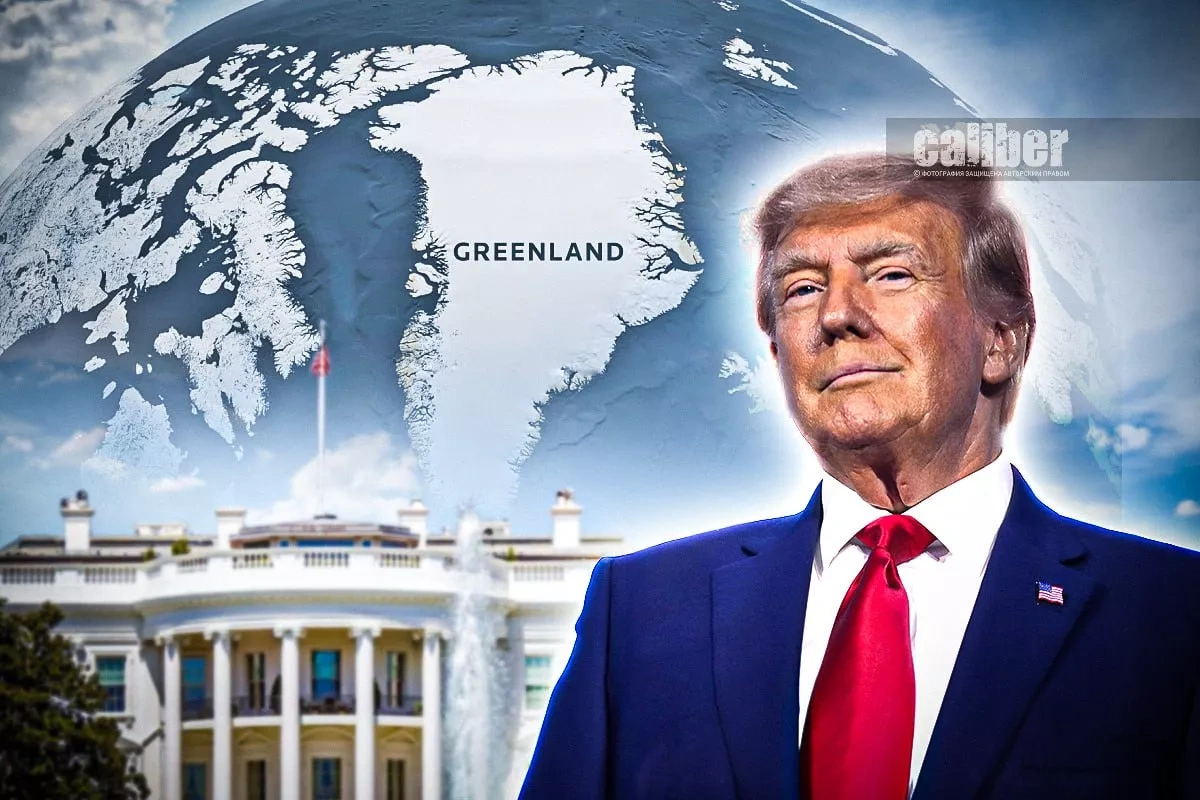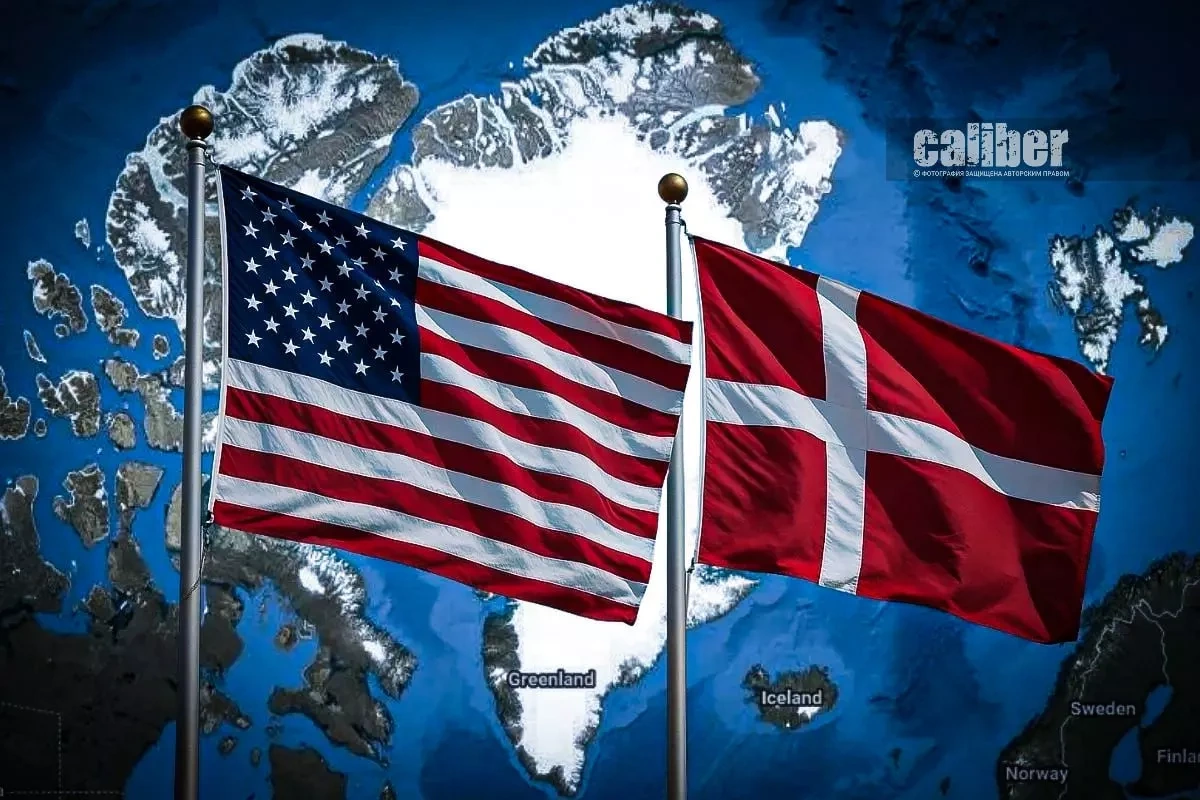
The dispute over Greenland between the United States and European countries has ended in a deal that fits well with Donald Trump’s tactic of asking for the maximum in order to secure what is necessary.
Washington, Copenhagen and Nuuk have agreed on a new security arrangement that preserves Denmark’s sovereignty while opening the way for the United States to significantly expand its military presence on the island and, at the same time, blocking potential US adversaries from gaining access to it. The parties are reportedly planning to sign the agreement next week on the sidelines of the UN General Assembly, after which it will have to undergo the necessary parliamentary procedures.
Trump described the agreement in the broadest possible terms. According to him, it gives the United States “permanent control” over Greenland’s security and guarantees Washington the ability to do whatever is necessary to protect the island and the United States itself. The US president also said that the United States would immediately begin the process of establishing a “large military presence” in Greenland.
Copenhagen and Nuuk have described the outcome much more cautiously. Danish Prime Minister Mette Frederiksen said the agreement strengthens security in the Arctic and North Atlantic while recognising the sovereignty and territorial integrity of the Kingdom of Denmark, as well as the right of the people of Greenland to self-determination. Prime Minister Jens-Frederik Nielsen stressed that the agreement takes Greenland’s interests into account and strengthens the security of the island, Denmark, the United States and the Western alliance.
The full text of the document in question has not yet been published, so the exact scope of the new US rights remains to be determined. Available descriptions indicate that the agreement provides for permanent access, as well as rights to station forces, establish bases and conduct overflights by US aircraft. At the same time, it introduces a fundamental restriction: countries outside NATO will not be allowed to establish military bases on the island, deploy troops or invest in sensitive sectors without Washington’s consent. In practice, this primarily limits the scope for Russia and China.
The economic component is of particular interest. Earlier versions of the agreement reportedly discussed the possibility of jointly developing Greenland’s natural resources and granting the United States access to mineral extraction. The island’s vast and largely untapped reserves of rare earth elements make it attractive to US industrial and technology policy, meaning that security in this case is closely linked to control over future supply chains for critical minerals.
Another detail under discussion is the deployment of US missile systems, including the possible stationing of elements of the “Golden Dome” missile defence system being developed by Trump. If these plans are incorporated into the final configuration of the agreement, Greenland’s importance to US defence will increase further: the island would become one of the components of the northern early-warning and missile-defence architecture of the United States.
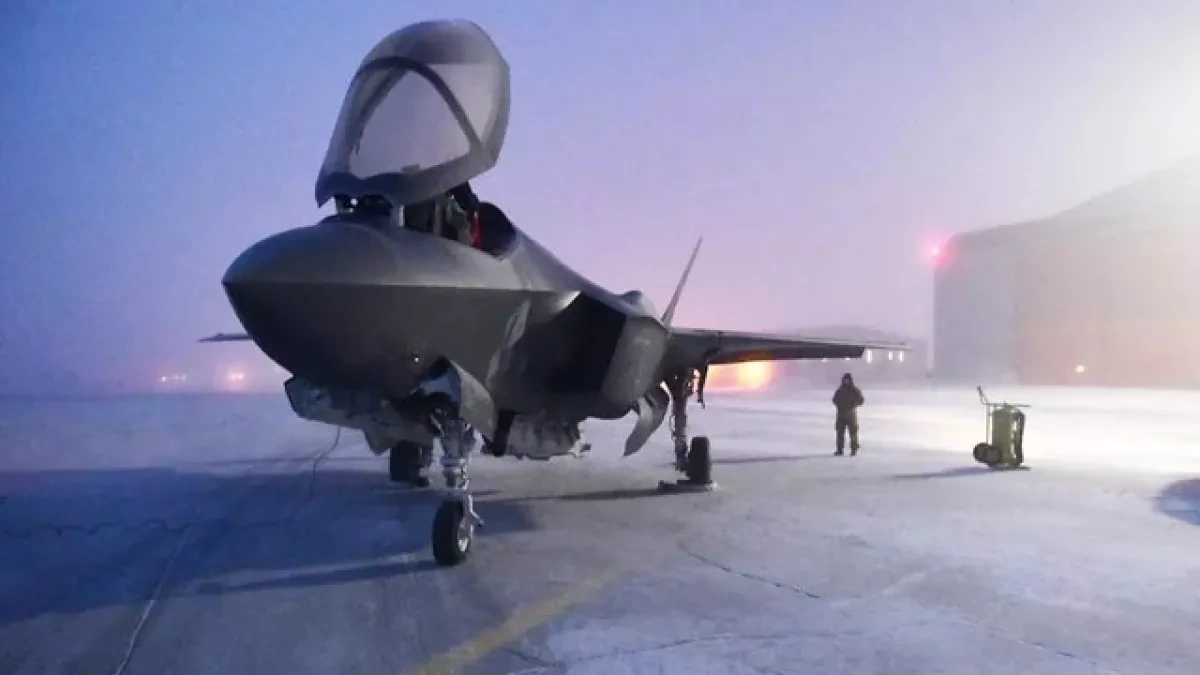
It should be noted that the 1951 agreement already granted the United States broad rights in designated defence areas: Washington could adapt territories for military purposes, construct and operate facilities and equipment, station personnel, and expand port and other infrastructure. Today, the United States maintains Pituffik Space Base in north-western Greenland, which is used for missile warning, missile defence and space surveillance.
The new agreement therefore appears to be more of a recalibration of the existing system than a revolution in the US presence. Washington is seeking a more clearly defined and long-term framework that reflects the current competition in the Arctic. At the same time, the United States is pursuing something the old agreement did not provide: clear restrictions on the capabilities of third countries and a closer integration of the US military presence with resources and infrastructure.
There is another important detail. In 2025, the Pentagon transferred Greenland from the area of responsibility of the US European Command to the US Northern Command, which is responsible for the defence of North America. Formally, this was an administrative decision, but it fits well with the new US approach: Greenland is viewed primarily as part of the North American defence space.
Another outcome of the deal is the easing of the acute conflict within NATO. After months of pressure on Denmark and threats to seize Greenland by force, Washington abandoned its pursuit of territorial acquisition while retaining the ability to achieve a significant part of its original strategic objectives by other means.
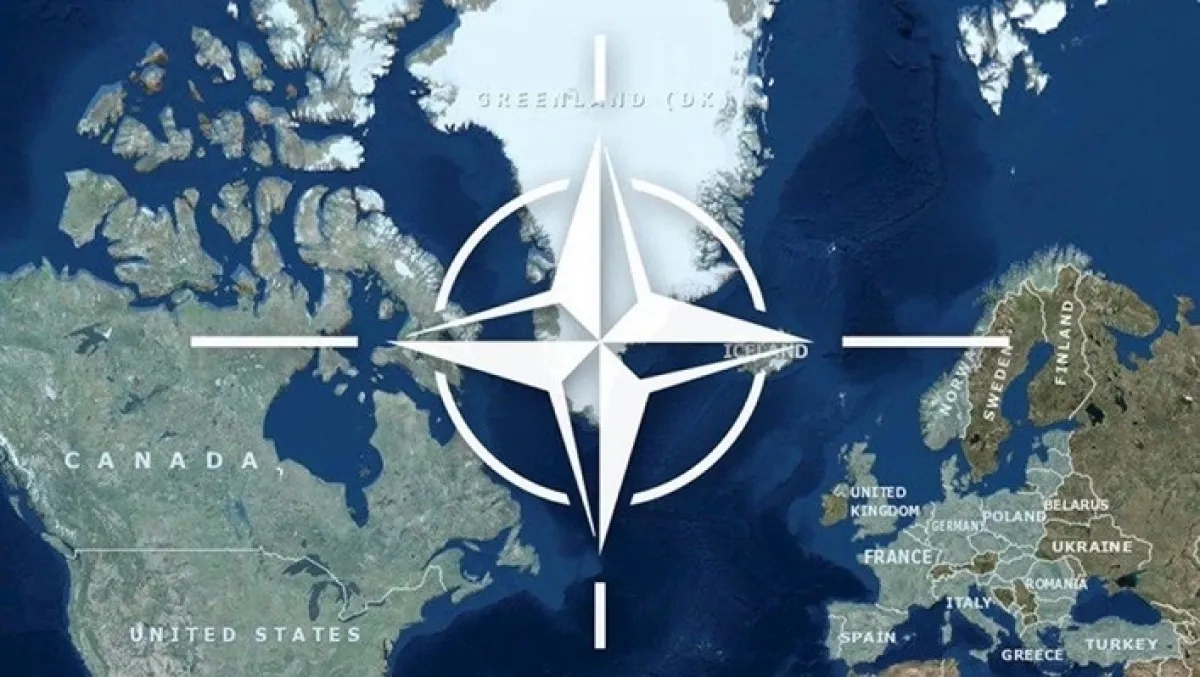
For NATO, this compromise has a dual significance. It removes the immediate threat of a conflict between two allies over the status of Greenland while simultaneously strengthening the alliance’s northern flank. The previously discussed idea of establishing a multinational NATO command on the island under US leadership suggests that a broader security architecture may be envisaged, rather than simply an American military base.
It would be premature to speak of stronger solidarity within NATO on the basis of a single deal. However, on the specific issue of Greenland, Washington and its European allies have managed to move from an acute dispute over territorial status towards a shared security agenda. Against the backdrop of continuing disagreements between the United States and Europe, this is in itself an important outcome.