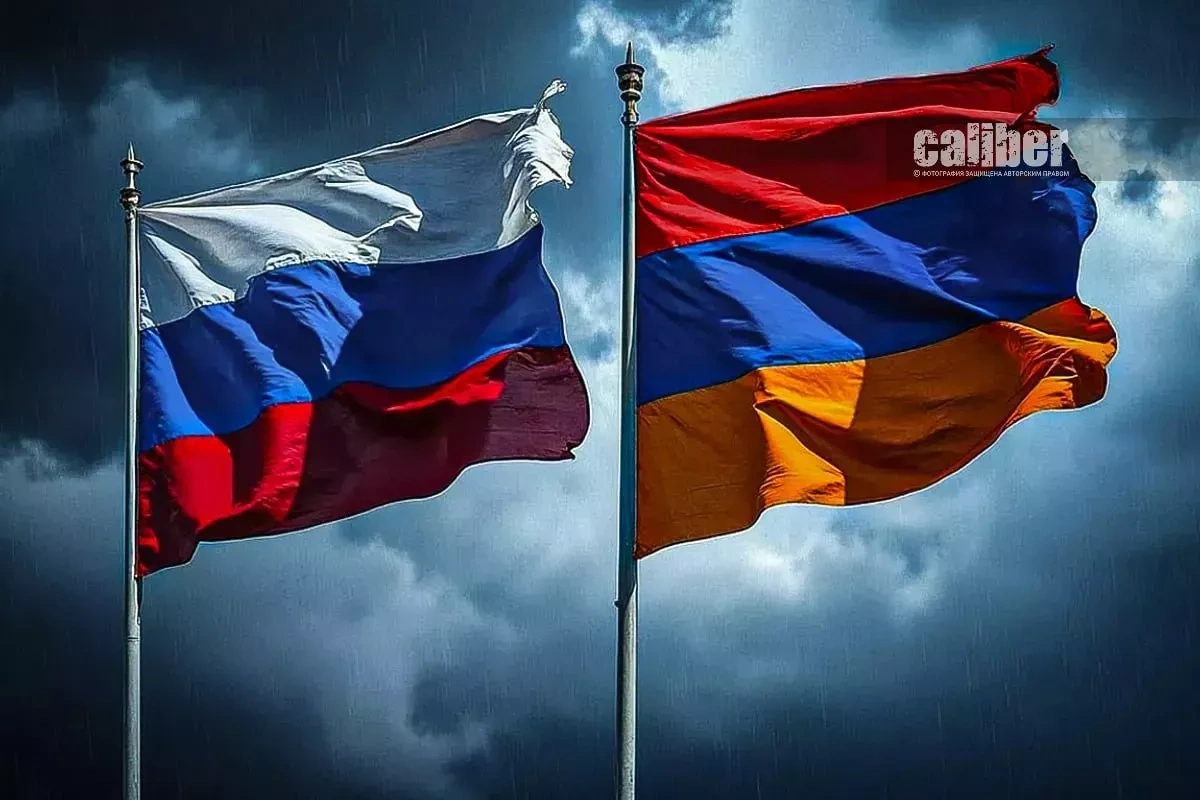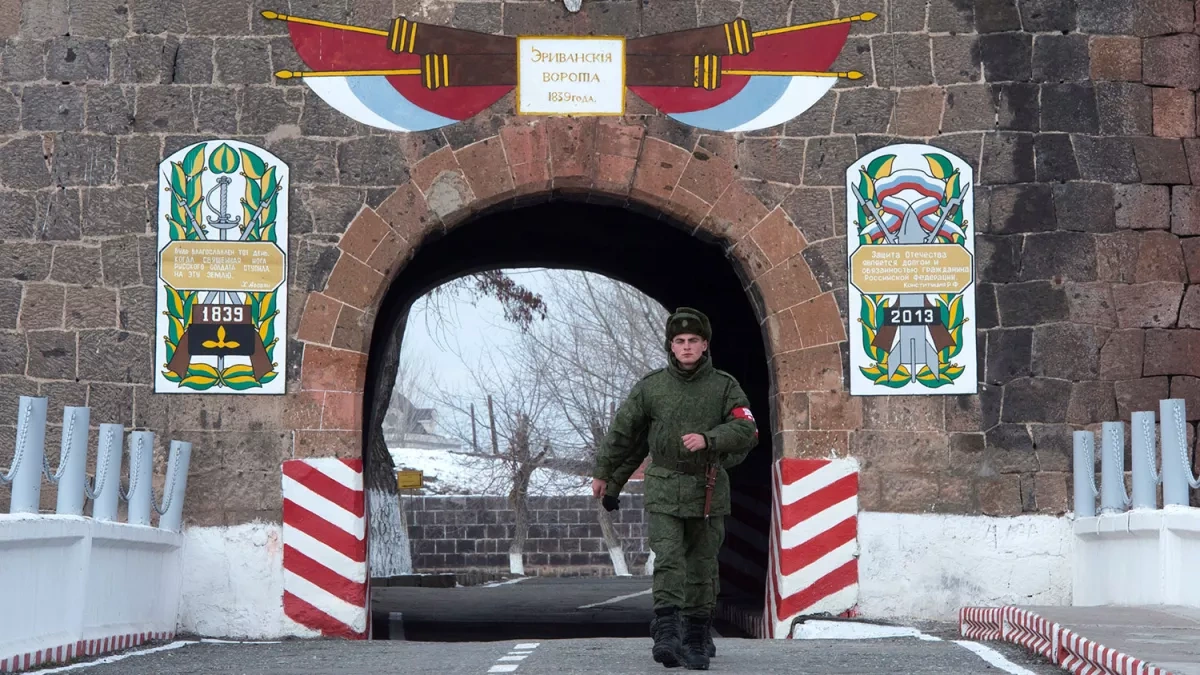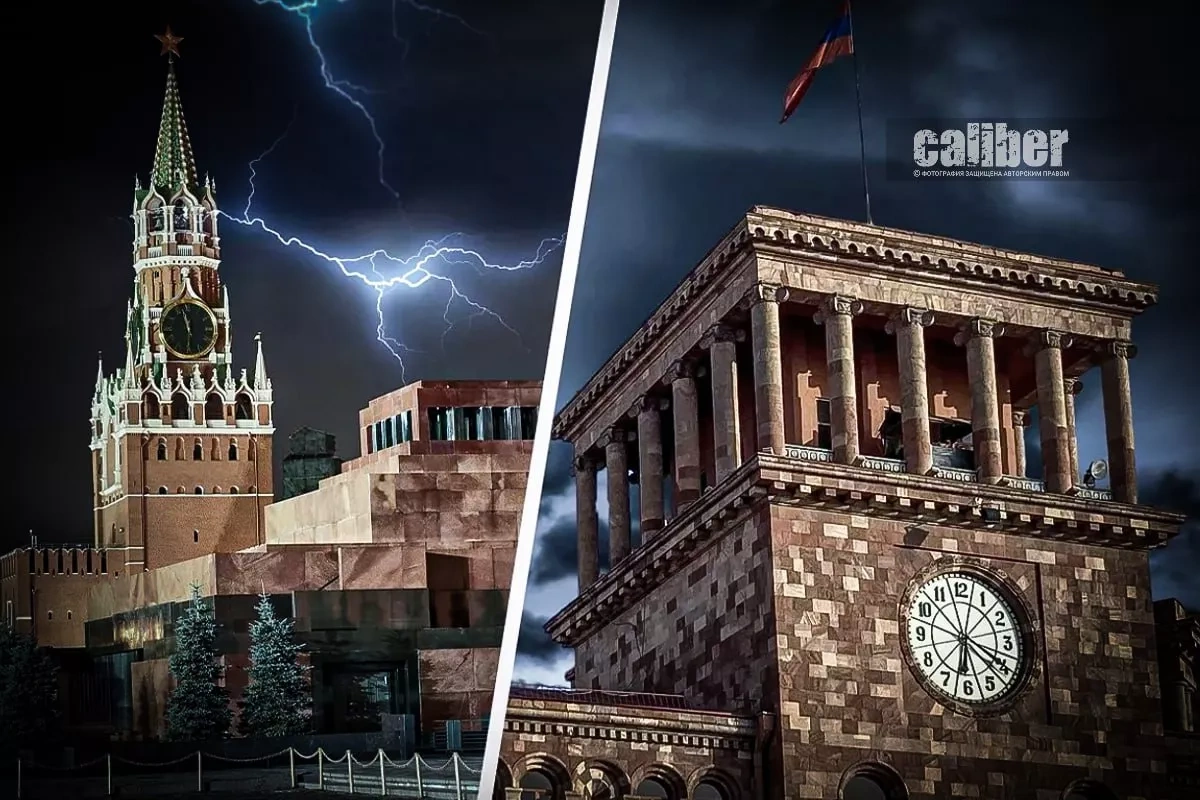
The latest round of rhetorical sparring between Yerevan and Moscow centres on the Russian 102nd Military Base in the Armenian city of Gyumri.
Recently, Russian President Vladimir Putin confirmed his readiness to withdraw the Russian contingent “as soon as tomorrow” if Armenia considers it unnecessary, while expressing willingness to continue cooperation if there is mutual interest. Armenian Prime Minister Nikol Pashinyan, for his part, stated that the 102nd Military Base is not of vital importance to the country’s security and adds nothing to it.
The discussion has been compounded by economic grievances. The Armenian side points out that maintaining the Russian base is costly for Armenia, as a significant share of infrastructure-related expenses falls on the republic. Moreover, amid discussions about a possible revision of tariffs on Russian fuel, representatives of the Armenian establishment have suggested that the cost of leasing the land on which the base is located could be directly linked to the price of Russian gas supplied to Armenia.
Such a sweeping reassessment of Armenian-Russian relations naturally raises questions, including about how the situation may develop further. Armenian and Russian political analysts shared their views on the matter with Caliber.Az.
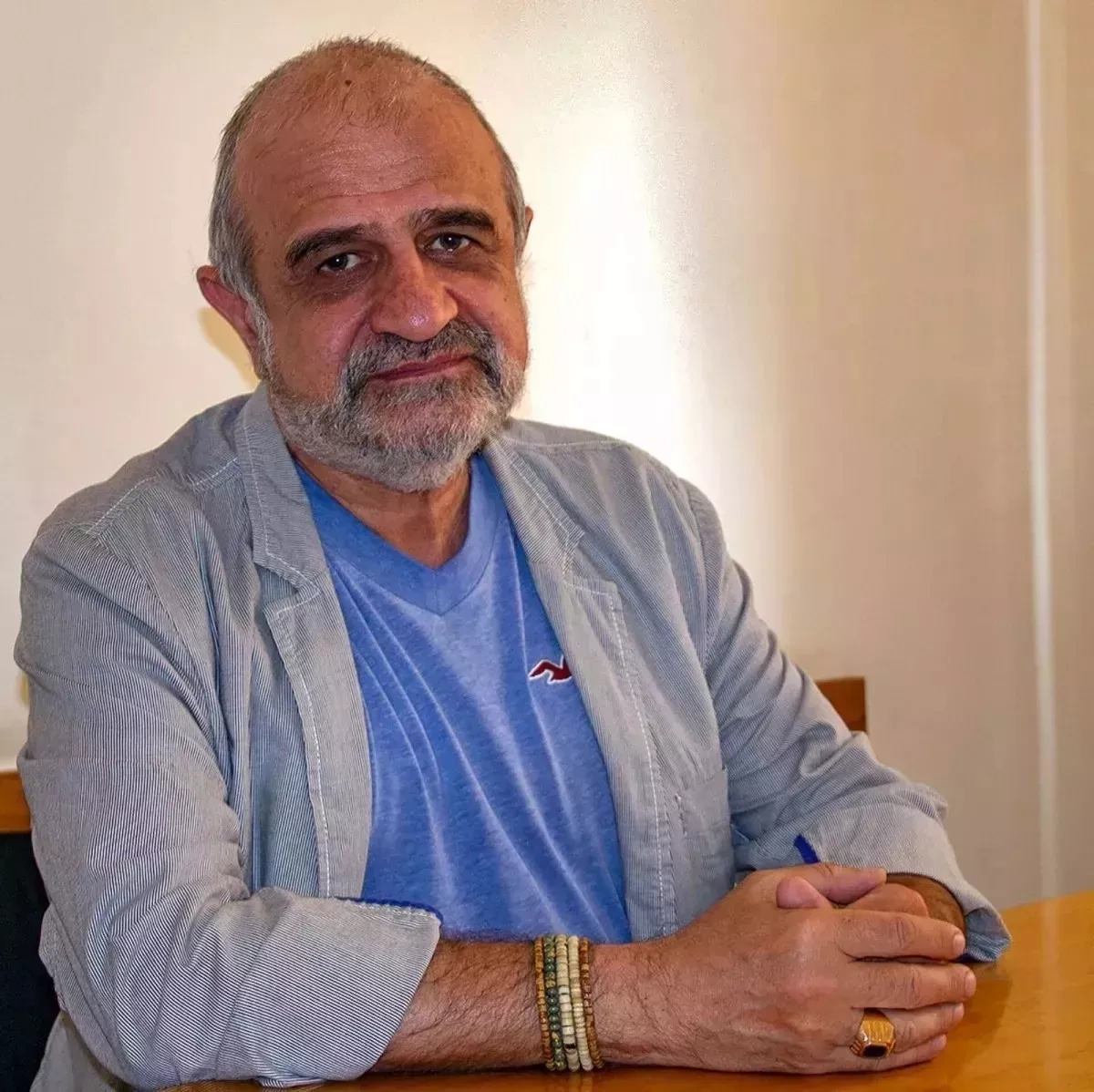
The expert, participant in the “Bridge of Peace” civil initiative, professor at the State Institute of Theatre and Cinema in Yerevan, and Honoured Artist Ruben Babayan believes that the Russian military base in Gyumri poses a threat to Armenia’s sovereignty.
“Vladimir Putin’s statement regarding the 102nd Military Base and Moscow’s readiness to withdraw it is most likely linked to an attempt by Moscow to once again play the card that only Russia can protect Armenians. In this context, the Russian side most likely implies that the withdrawal of the base would inevitably lead, for example, to a Turkish attack on Armenia, which, given the ongoing process of Armenian-Turkish normalisation, appears at the very least absurd.
If I am not mistaken, the 102nd Base is the only free military base in the world. Moreover, half of the base’s utility costs are borne by Armenian taxpayers, and, as far as I understand, the issue of the land lease cost could eventually be linked to the price of Russian gas. As for the Armenian railway, which is operated by South Caucasus Railway (a 100-per cent subsidiary of Russian Railways – editor’s note), the situation is much more serious. Russia is not interested in Armenia operating it, but it cannot operate it itself either. This is clearly a case of ‘the dog in the manger’, and, in my view, the railway issue is currently the most important one for Yerevan,” Babayan said.
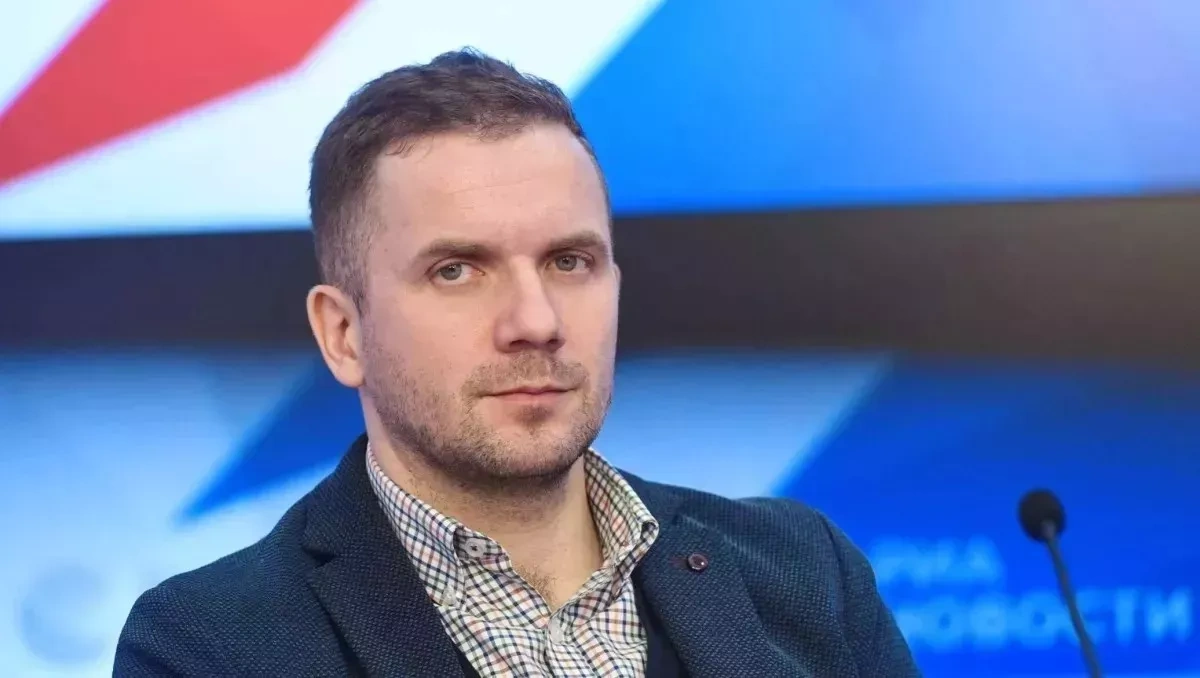
Meanwhile, Stanislav Pritchin, a Candidate of Historical Sciences and head of the Central Asia sector at the Institute of World Economy and International Relations of the Russian Academy of Sciences (IMEMO RAS), noted that there is currently no substantive dialogue between Moscow and Yerevan regarding the Russian 102nd Military Base in Gyumri, with the sides limiting themselves to public statements.
“There are no concrete negotiations on this issue yet; there are only statements by Vladimir Putin and Nikol Pashinyan, nothing more. As for the cost of leasing the base, this can only be discussed after negotiations have been held and a relevant agreement has been signed. Under the current agreement, Russia does not pay anything because its presence provides security for Armenia. Overall, there is a complex funding arrangement here, with the Armenian side covering part of the costs associated with the base’s operations, including utility expenses. Therefore, in order to take any reciprocal steps, such as introducing a lease fee in response to an increase in the price of gas, negotiations would first have to be held. At present, we are seeing nothing more than an exchange of public statements,” he said.
The expert also believes that the developments should be viewed more broadly through the prism of Russian-Armenian relations.
“Armenian authorities are extremely negative about the fact that Moscow is not abandoning its methods of exerting pressure on Yerevan and the Armenian leadership, which continues to undermine the strategic nature of bilateral ties. This, essentially, is the whole point of what is happening. The issue here is not about the Eurasian Economic Union or anything else; it is about Nikol Pashinyan seeking to dismantle the established relationship and push Russia out of the economy, particularly its strategic sectors, as much as possible in order to build relations with Western countries.
However, Russia has invested significant funds in developing those sectors of the Armenian economy where it is currently present, and the potential withdrawal of Russian companies will inevitably raise the issue of compensation and the revision of an entire range of arrangements — from gas prices to subsidies, from market access to visa-free travel, and so on. In other words, the Russian Federation has a fairly broad range of instruments at its disposal, but for some reason the Armenian leadership believes that all this is merely rhetoric and does not take Moscow’s steps and statements seriously. This is regrettable,” Pritchin concluded.