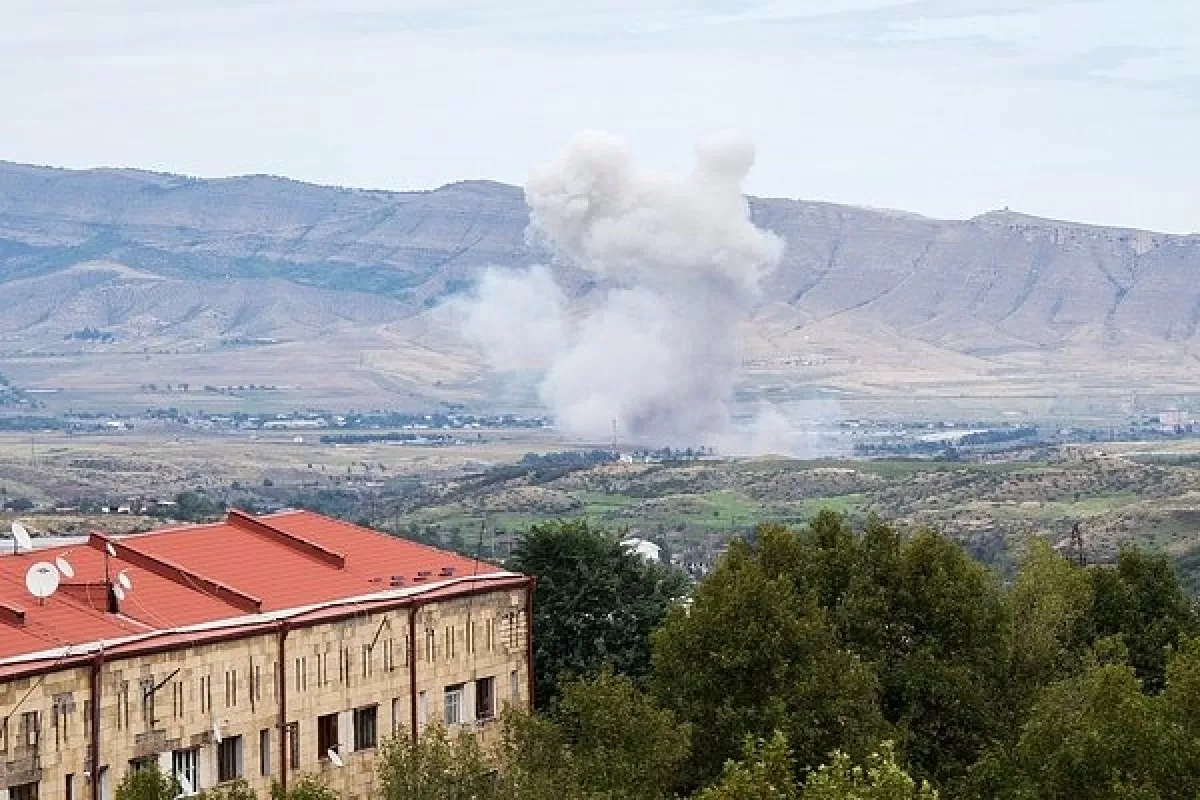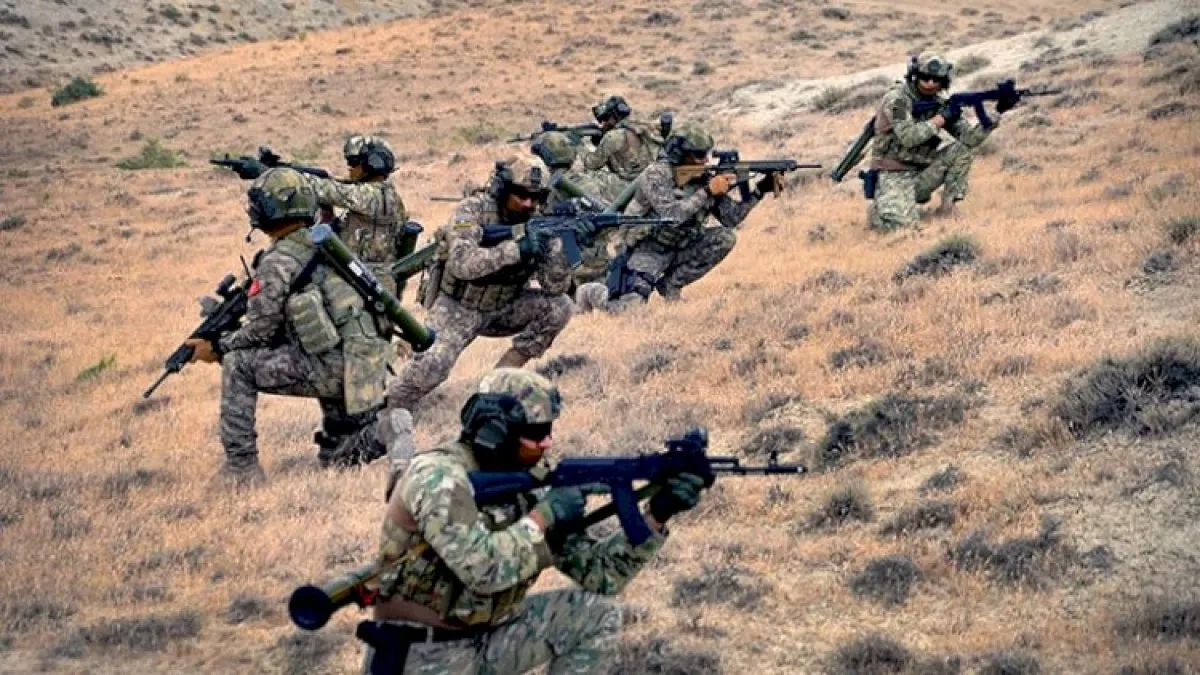
Three years ago, on September 19–20, 2023, Azerbaijan conducted a localised counter-terrorism operation that brought the 30-year conflict to its final conclusion. Much has been written about its political consequences. Less attention has been paid to how exactly the operation was organised, even though its planning and execution make it a valuable case study for military academies.
What came before 13:00
Following its victory in the 44-day Patriotic War in autumn 2020, Azerbaijan offered Armenia peace and normalisation based on mutual recognition of sovereignty and territorial integrity. Understanding the consequences of refusing this offer, Yerevan was ultimately forced to recognise Azerbaijan’s territorial integrity, including its jurisdiction over Karabakh. Instead of implementing the provisions of the Trilateral Statement, however, Armenia’s military-political leadership chose escalation.
The remnants of the armed formations were not withdrawn from Azerbaijani territory. On the contrary, personnel and weapons were transferred into the temporary area of responsibility of the Russian peacekeeping contingent, positions were being fortified, and new defensive fortifications were being constructed. On September 2, 2023, Nikol Pashinyan congratulated the leaders of the illegal regime on its so-called “Independence Day”. On September 9, the separatists held so-called “elections” and elected a so-called “president”.
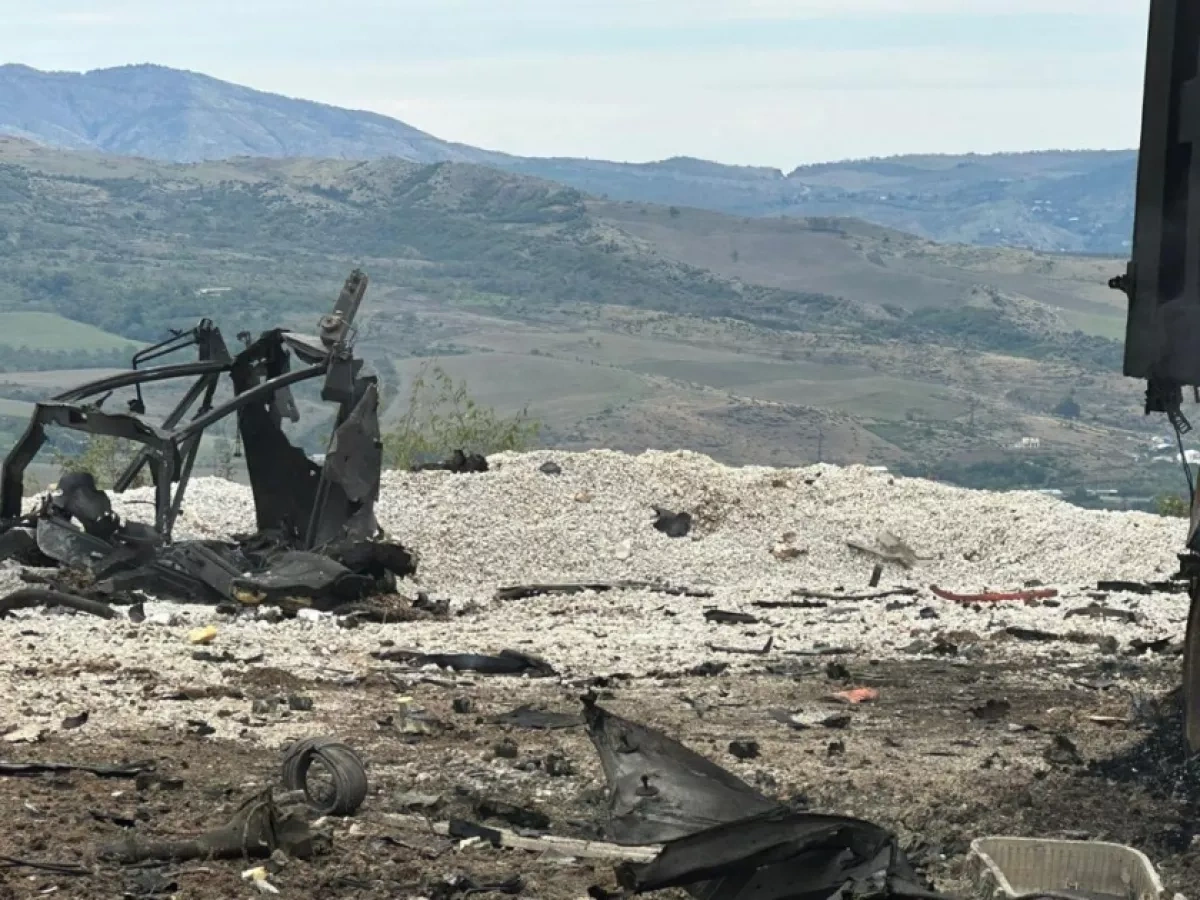
On September 19, the situation turned deadly. A mine planted by an Armenian sabotage group exploded on the Ahmadbayli–Fuzuli–Shusha road, killing civilians. On the same day, another Armenian reconnaissance and sabotage group blew up a vehicle belonging to Azerbaijan’s Interior Ministry, killing and injuring personnel of the Internal Troops.
What followed was not a choice but a duty of the Azerbaijani state: to halt large-scale provocations, disarm and withdraw the remnants of Armenia’s occupying forces, and restore the constitutional order throughout the country.
Paralysis instead of rout
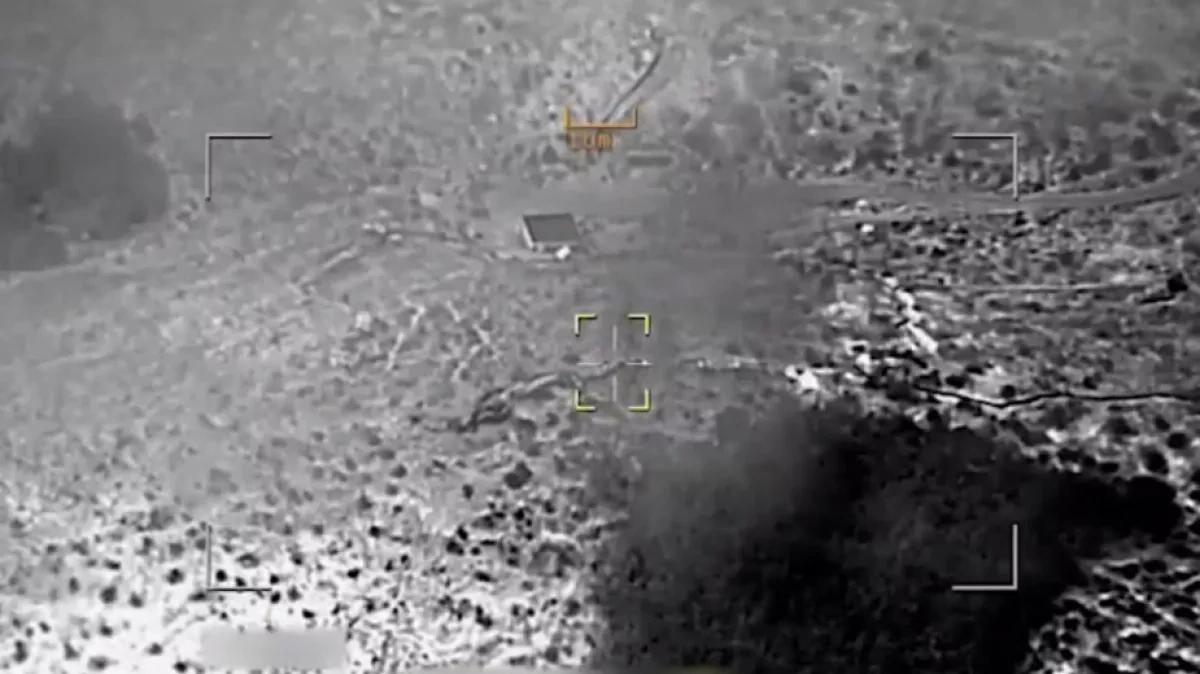
The first strike was not directed at manpower. At 13:00 on September 19, units and formations of the Azerbaijani Armed Forces simultaneously cut off the supply routes of Armenian formations and, through massive strikes, disabled their air-defence, command-and-control and electronic warfare systems. The objective of the first phase was to deprive the adversary of its sight, hearing and ability to make decisions.
The logic here is a modern one: paralysis precedes defeat, and the more complete the paralysis, the less force is required to defeat the adversary. The result is measurable — within nine hours, 99 per cent of the Armenian formations were encircled. They were not defeated, but precisely that: encircled, with no room for manoeuvre, resupply or coordination.
Thirteen directions
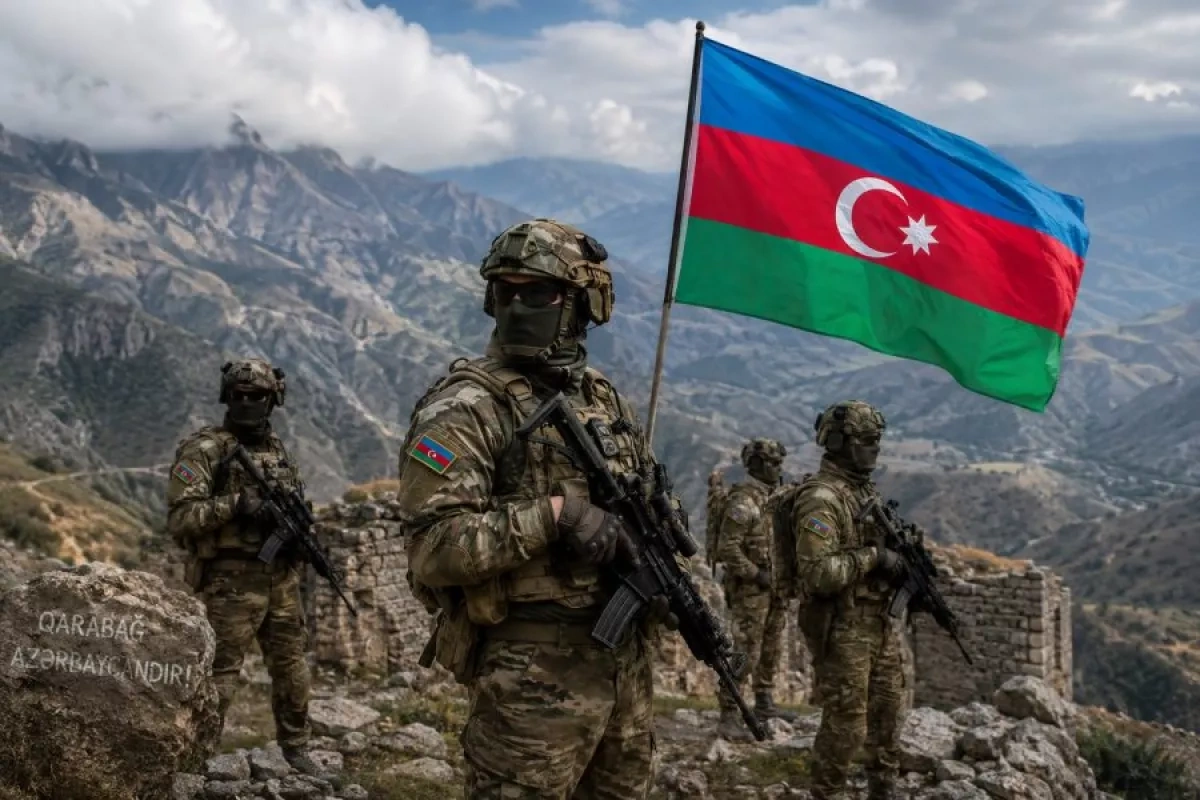
Precision weapons were used against confirmed targets, striking 1,761 targets. More than 90 combat positions were captured. The operation was conducted along 13 directions: five in the north and eight in the south. The advance into the depth of the adversary’s defences ranged from 5 to 26 kilometres along the Aghdara–Asgaran, Khankendi–Khojavand, Sugovushan–Vang, Tazakand–Sirkhavand and Khankendi–Khojaly directions, with control established over all roads in these areas. Units of the Special Forces advanced 9.5 kilometres into the depth within several hours and secured control over the entrances and exits to the area in all directions.
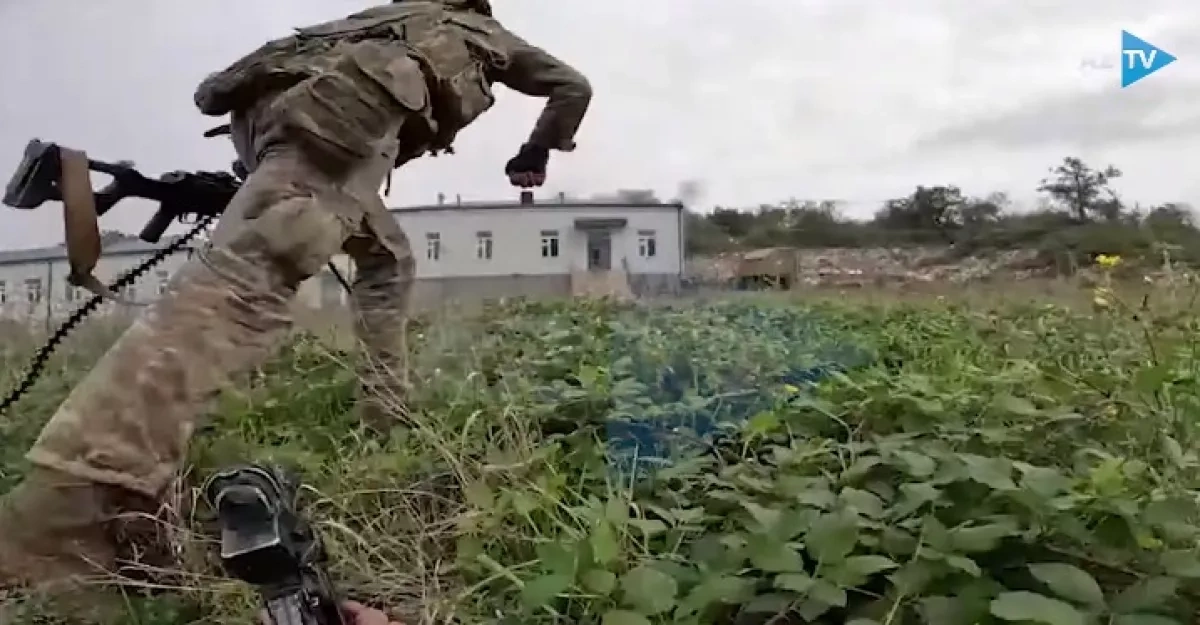
The tactical pattern was based on small groups — the experience of 2020 adapted to mountainous and forested terrain. Small groups provide speed and surprise, but place extreme demands on the training of every serviceman, communications and fire discipline: in such a structure, there is no time to coordinate decisions through headquarters; they are made on the ground. An army capable of operating in small groups across a broad front is professional at every level, not just at headquarters.
The adversary, meanwhile, was subjected to heavy fire and electronic warfare, enabling the forward positions to be rapidly cleared and the advance to proceed deep into the defences. The starting conditions deserve a separate mention. The operation began during the day, in adverse weather, in mountainous and forested terrain. Each of these three circumstances would normally be cited in military textbooks as an argument for postponing an operation. None of them did.
Economy of force
Now to something that most often goes unnoticed. Only part of the commando units, mechanised and motorised rifle units of the Ground Forces, individual Air Force, Navy and Special Forces groups, as well as a limited number of personnel and items of equipment from Azerbaijan’s missile-artillery and engineer-sapper units, were deployed in the operation. They faced a grouping of between 15,000 and 18,000 personnel.
In military theory, this is known as economy of force: the mission is accomplished with the minimum forces necessary, while the remainder is kept in reserve. The principle is well known, but almost never observed — the temptation to commit everything available is simply too strong, especially when the political stakes of failure are high. Azerbaijan applied it with surgical precision, and that says more about the quality of the planning than any figure relating to the adversary’s losses.
The arithmetic of a single day: 406 square kilometres were cleared and brought under full control. The adversary’s losses were 310 killed and 614 wounded. Eight tanks, 22 artillery systems, 14 mortars, three air-defence systems, eight electronic warfare systems and nine military transport vehicles were destroyed. A total of 1,731 pieces of military equipment — including artillery pieces, surface-to-air missile systems, military vehicles and specialised equipment — and 18,664 small arms were seized.
The last figure deserves a closer look. More than 18,000 firearms constituted an arsenal that, under the Trilateral Statement, should not have existed on Azerbaijani territory at all. For three years, Yerevan maintained that the agreements were being implemented. The arsenal seized in a single day contradicts those claims more convincingly than any diplomatic note could.
The most difficult condition
There is one constraint in this operation that a professional observer would notice before anything else. Neither civilians nor civilian objects were harmed. Azerbaijani army units did not enter populated areas or come into contact with the Armenian-origin civilian population. The Internal Troops, operating behind the advancing units, ensured the isolation of civilians from the combat zone. No strikes were carried out against populated areas or civilian infrastructure.
To appreciate the significance of this fact, one must consider the starting situation. The adversary was positioned among populated areas, in mountainous terrain and in prepared positions. The prohibition on entering villages and engaging built-up areas under such conditions was the most severe restriction that could be imposed on an advancing force: it slowed the tempo, reduced the choice of routes and made fire planning considerably more difficult.
Yet the restriction was imposed, a separate echelon of forces was allocated to operate under it, and the operation was still completed within 23 hours, in full compliance with the norms and principles of international humanitarian law. Humanitarianism here was not rhetoric from a communiqué, but a structural element of the operational concept, achieved at the cost of tempo.
The political consequence was immediate. In summer 2023, a campaign was launched around Karabakh alleging a “humanitarian catastrophe”. September provided an opportunity to test those claims not through declarations, but through facts. The test yielded nothing for that campaign.
The operation that was halted at the right time
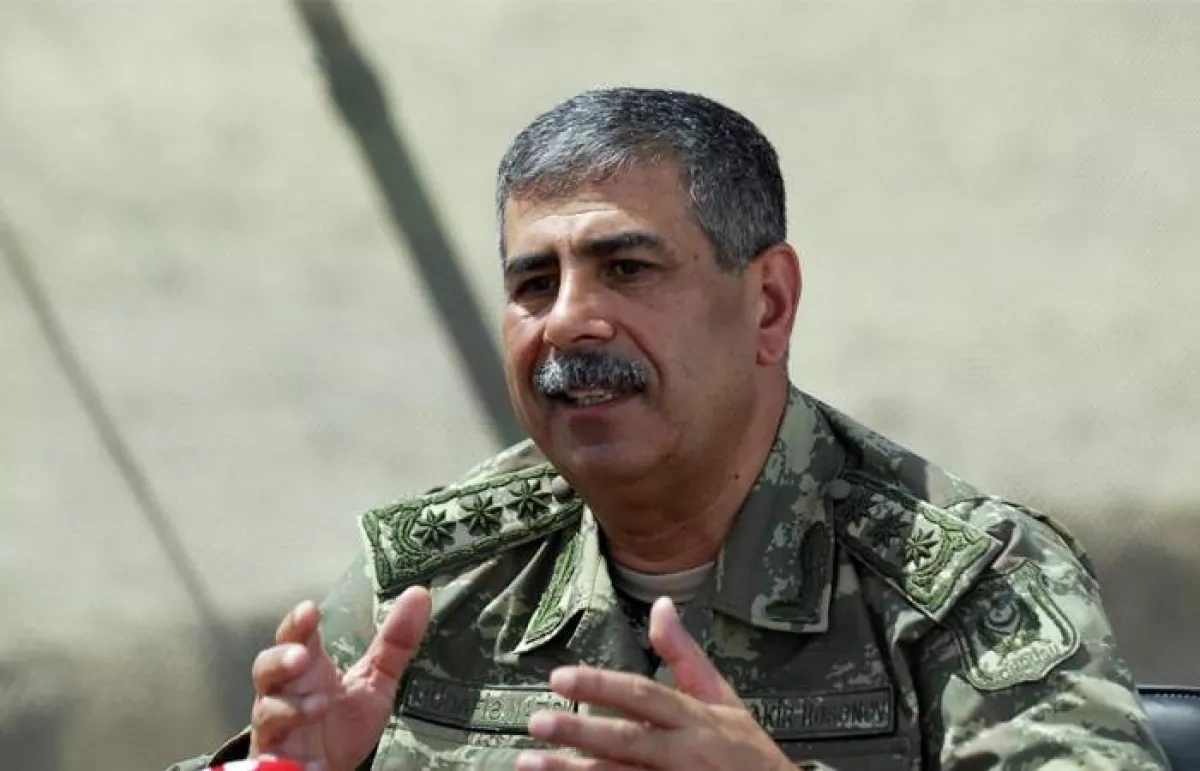
The most telling episode came not at the beginning, but at the end. Defence Minister Zakir Hasanov described it:
Baku refused to accept the surrender at 22:00 when it was offered because the mission had not yet been fully accomplished. By 9:00 a.m., the tasks assigned to the Ministry of Defence had been completed; when the Armenian side made a renewed request, it was referred to the political leadership, Azerbaijan’s conditions were accepted, the work was completed by 10:00, and a ceasefire was declared from noon. The Armed Forces, Ministry of Internal Affairs, security agencies and border troops operated in coordination under the leadership of the Supreme Commander-in-Chief.
The military action here was strictly subordinated to the political objective and ended precisely when that objective was achieved — with neither the inertia of success nor the temptation to go beyond the mission. There are few examples of such discipline in modern military history, and it is this, rather than records of territorial advance, that distinguishes a mature army from a merely powerful one.
The road to a single day
An operation that lasted less than a day had been prepared for three years.
The 2020 Patriotic War gave the army a doctrine, combat experience and a new operational geometry. It was followed by local operations — Farrukh and Revenge. Each addressed a specific threat while simultaneously improving the overall position. By autumn 2023, the Azerbaijani army controlled all the dominant heights, determining the speed of the September operation: it began not with a breakthrough of the defences, but from a position in which the adversary was already tactically encircled.
Twenty-three hours was only the tip of the iceberg. Beneath it lay three years of methodical work, with every step calculated with the next one in mind.
Two lines of a single strategy
At the same time, a second line was unfolding, without which the first could not have produced the same result.
The Prague agreements of October 2022 established mutual recognition of territorial integrity on the basis of the UN Charter and the 1991 Alma-Ata Declaration. Armenia recognised Karabakh as part of Azerbaijan. When September 19 came, the Azerbaijani army was operating within borders recognised both by the international community and by Yerevan itself, against armed formations that should not have been present on that territory, in response to terrorist attacks against civilians and military personnel.
The legal framework had been established in advance, leaving little room for substantive objections: criticism was reduced to general formulations because there were no concrete grounds for it.
This is the substance of the argument about the unity of President Ilham Aliyev’s military and diplomatic strategy. The military instrument delivered the result in 23 hours, while diplomacy had already made that result legally and politically defensible. Neither track would have worked on its own: 30 years of diplomacy alone had not liberated a single village, while a military operation without prior legal groundwork would have handed Yerevan precisely the argument it had sought.
What remained afterwards
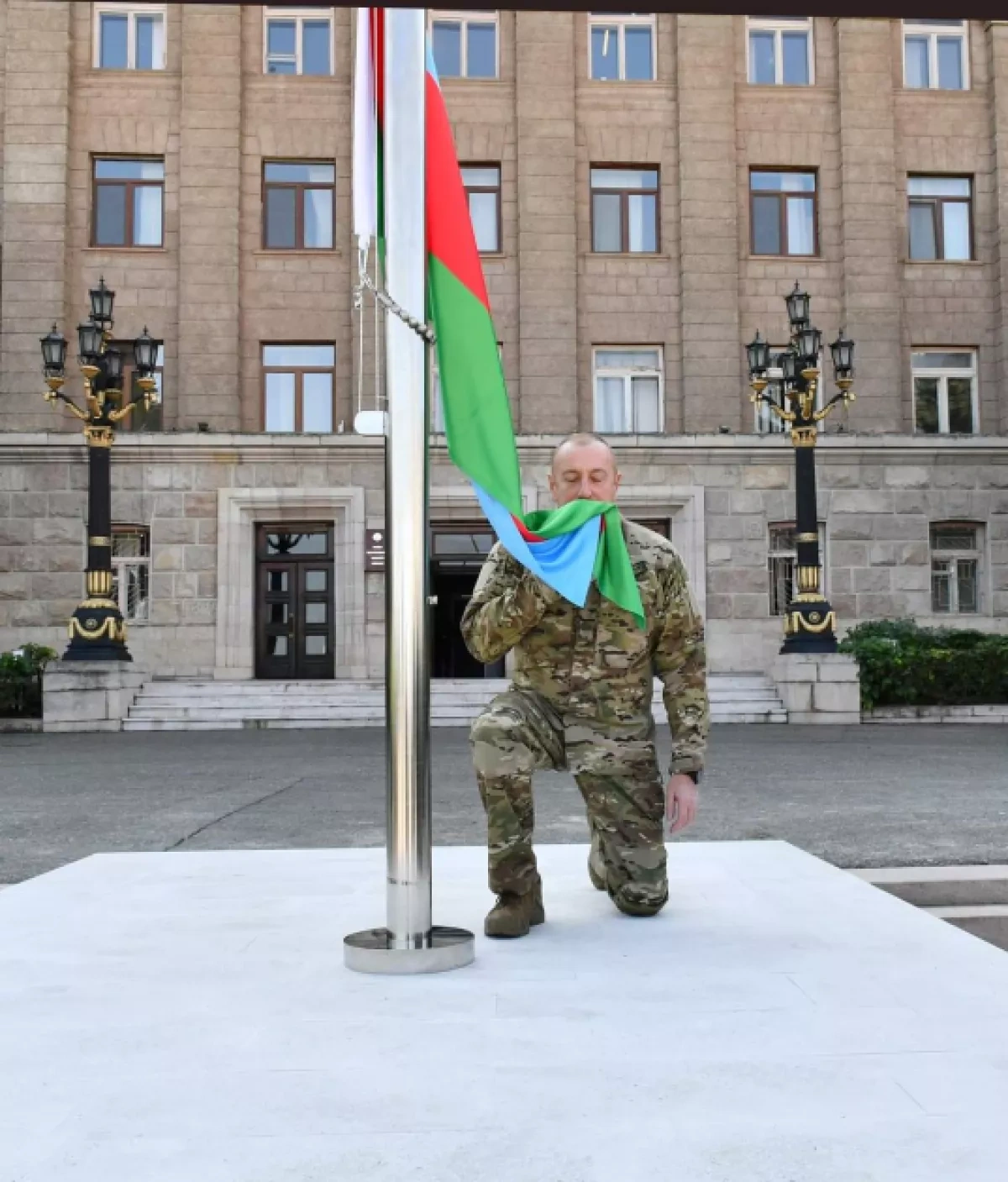
On September 19, Azerbaijan fully restored its sovereignty. Armenian separatism was finally eliminated in Khankendi, Aghdara, Asgaran, Khojavand and Khojaly, where the national flag was raised. On September 20, an agreement was reached on a complete ceasefire, the disarmament and withdrawal of the remaining Armenian formations. On September 28, the leader of the puppet regime signed a document dissolving all its so-called “state” institutions: the structure created 30 years earlier to conceal the occupation was dismantled, marking its complete and unconditional capitulation.
In his address to the nation on September 20, 2023, President Aliyev stated:
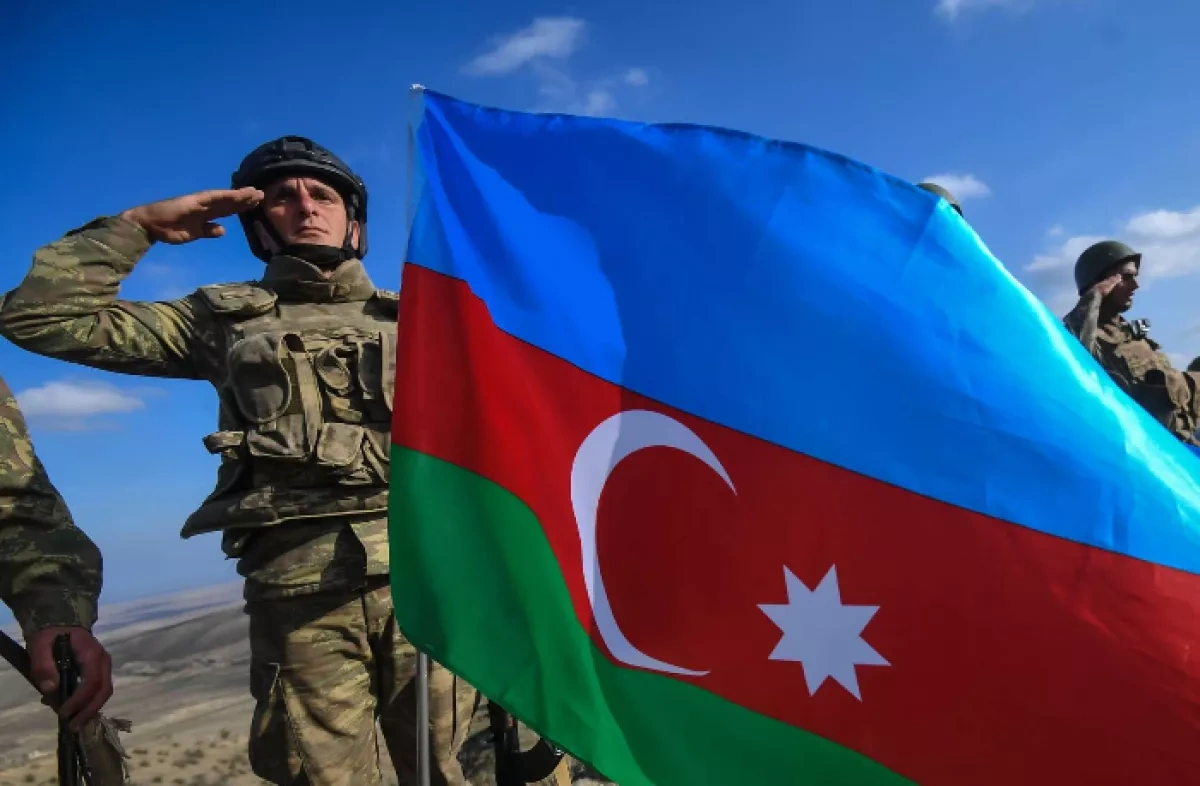
Three years later, there is little to add to this assessment in substance. One can only clarify who and what made the achievement of those objectives possible: an army that paralyses the adversary before beginning to defeat it; accomplishes its mission with only part of its forces; operates under the most demanding restrictions imaginable and completes the task within a day; and stops when dictated by political objectives, rather than when the momentum of success runs out.
The strength and power of the Azerbaijani Army are also vividly reflected in the words of Supreme Commander-in-Chief and President Ilham Aliyev: