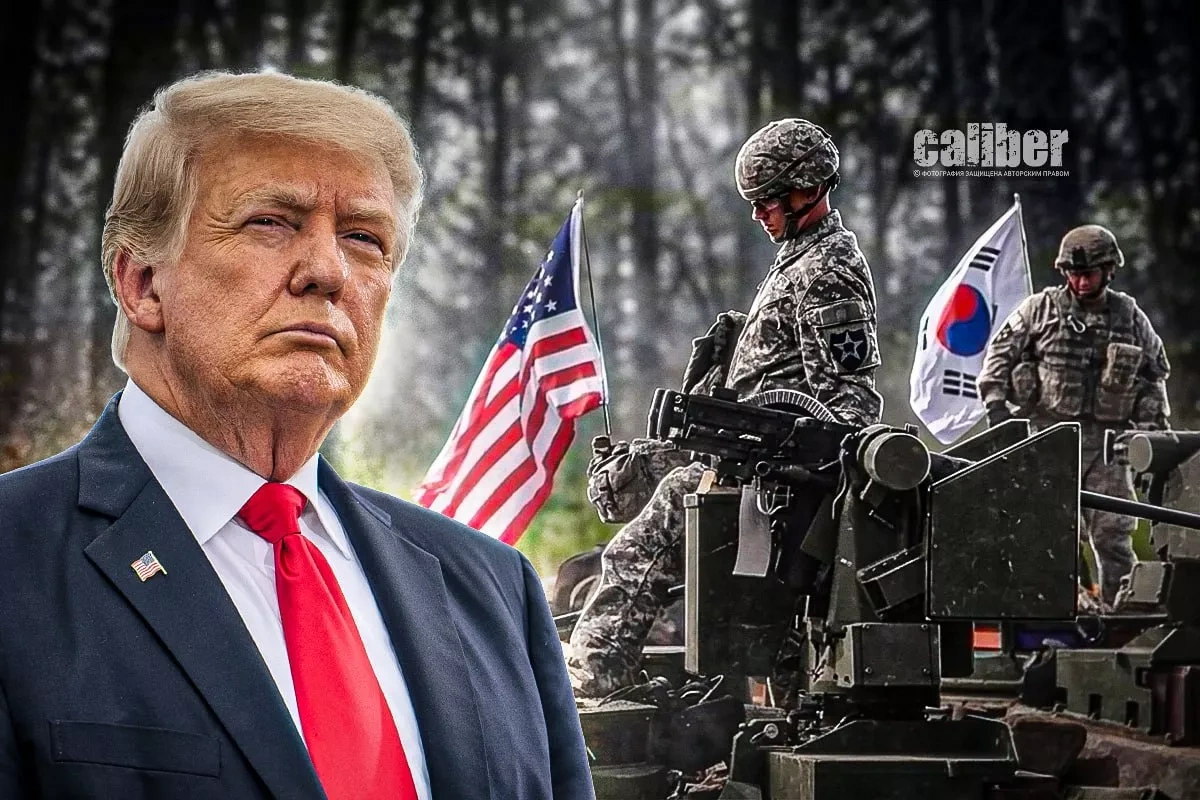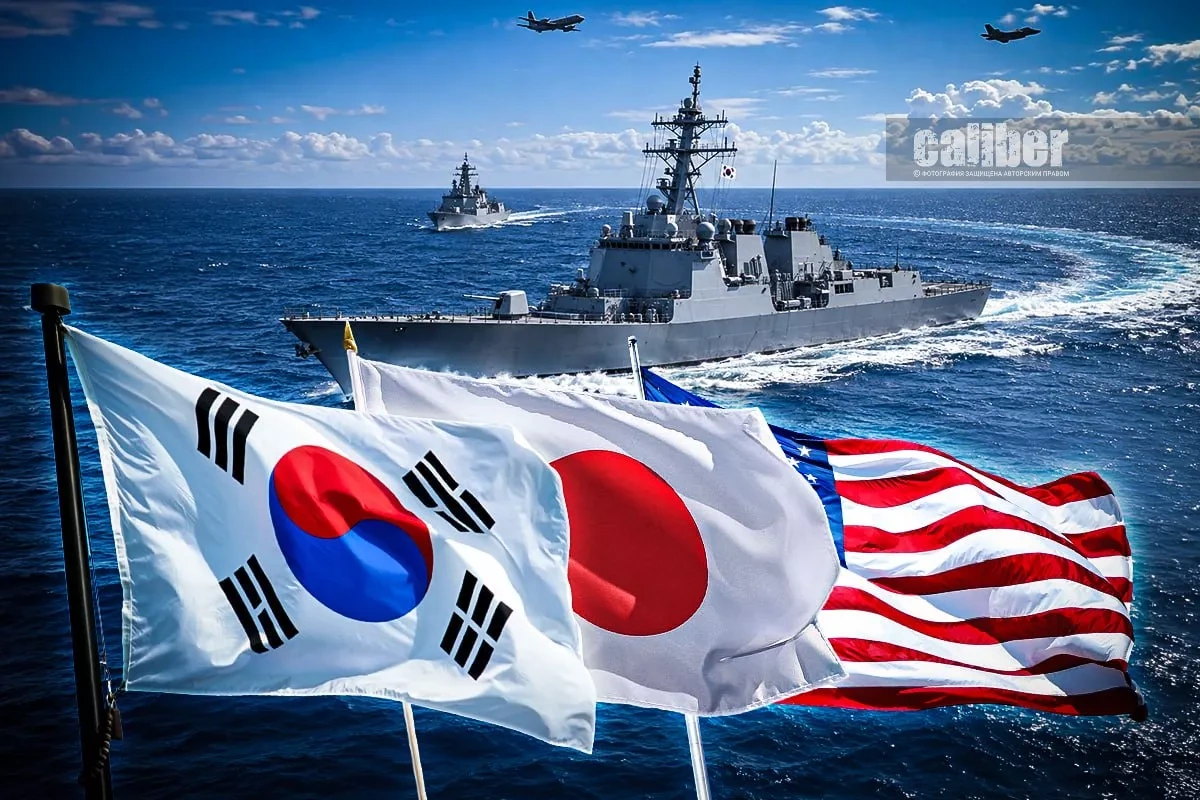
The September joint naval exercise involving the United States, South Korea and Japan, dubbed “Freedom Edge”, took place against the backdrop of a diplomatic signal from Washington that still carries considerable weight. Last month, the Donald Trump administration called for a substantial reduction in the largest annual US-South Korean military exercise, Ulchi Freedom Shield.
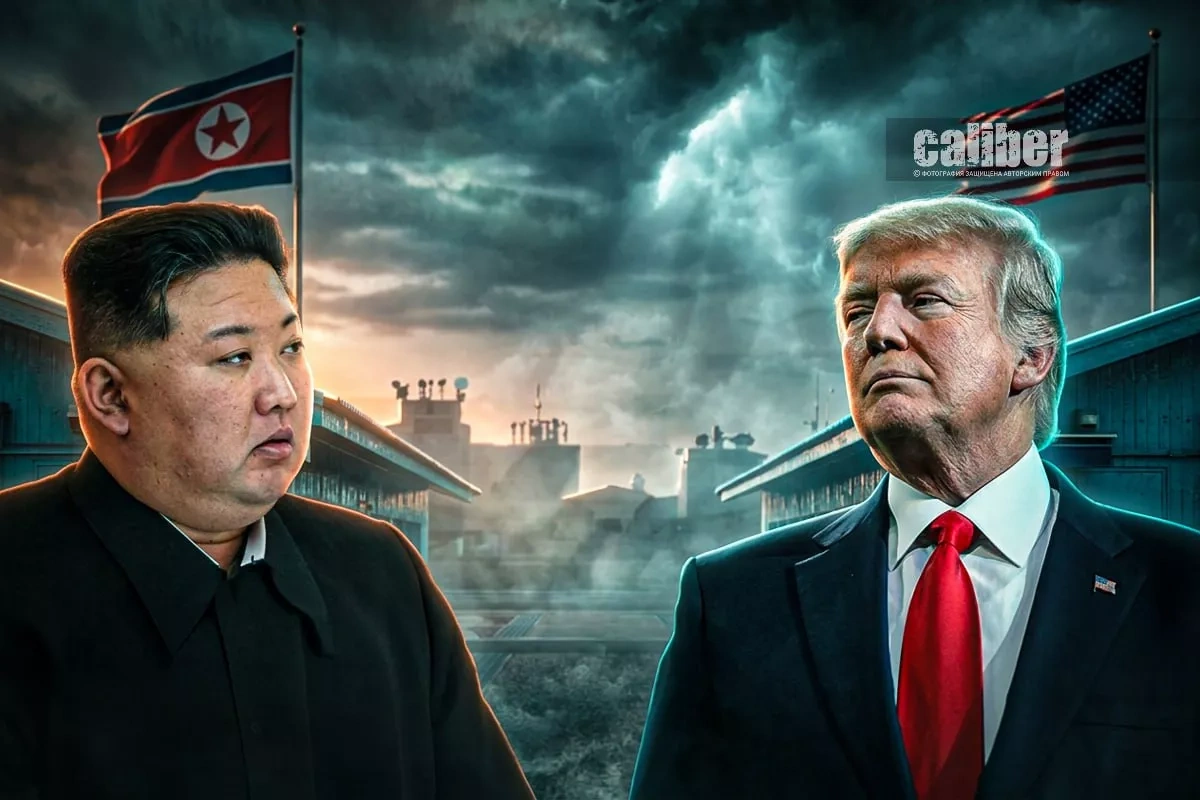
As a result, the August exercise with South Korea was shortened from 11 days to five, while some field training was scaled back at the US side’s initiative. Trump explained the need to reconsider military activities by saying he did not want to send North Korea an “inappropriate and hostile” signal, while also highlighting his relationship with Kim Jong Un. Washington was once again seeking to open the way for direct dialogue with Pyongyang.
For Seoul and Tokyo, this meant that US security guarantees remained in place, but the accustomed confidence in the scale and regularity of joint exercises no longer appeared quite so certain. Analysts in South Korea and the United States have therefore viewed Trump’s decision regarding the August drills as a source of additional uncertainty for the allies.
On the other hand, Pyongyang did not respond to Washington’s gesture with a reciprocal show of goodwill, apparently seeing little indication that it would lead to any significant change in US policy towards the region. At the same time, as might be expected, North Korea responded to the allies’ scaled-back exercises by firing several missiles towards the Sea of Japan on August 20. In early September, it also commissioned a new destroyer which, according to Kim Jong Un, is intended to become part of the country’s nuclear capabilities.
Against this backdrop, Freedom Edge appeared to serve as a test of how far Trump was prepared to go in scaling back military activity in pursuit of another attempt to reach an agreement with Kim, despite the North Korean leader showing no apparent interest in rapprochement with Washington.
Ultimately, the United States, South Korea and Japan conducted five days of manoeuvres in waters south and east of Jeju Island. The exercises included maritime, air and cyber components, as well as joint operations involving detection and missile-defence systems.
It is therefore hardly surprising that on September 13, almost immediately after the conclusion of Freedom Edge, Pyongyang held large-scale live-fire drills involving ballistic and cruise missiles, artillery and unmanned aerial vehicles. South Korean military officials reported that several missiles had been launched towards the sea, travelling approximately 250 kilometres.
North Korea continues to expand its nuclear and missile capabilities, while its cooperation with Russia and China provides Kim with additional sources of external support. Against this backdrop, the diplomatic initiative taken by Trump last month remains more an opportunity than an established process. The latest manoeuvres reflect the Trump administration’s pragmatic approach to East Asia: Washington is seeking to test the prospects for dialogue with Kim Jong Un, using the scale and intensity of joint military exercises as a flexible instrument of political bargaining, while avoiding any undermining of the institutional foundations of its alliances with South Korea and Japan.
However, this approach faces deep-rooted mistrust in Pyongyang. The North Korean leadership remains sceptical about Washington’s willingness to pursue a lasting change in the region’s geopolitical configuration, viewing US diplomatic signals as temporary tactical manoeuvres rather than evidence of a long-term strategic shift. At a time when the broader strategic rivalry between the United States and China makes any rapid transformation of the regional balance of power unlikely, North Korea sees little incentive to reconsider either its isolation or its defence doctrine.