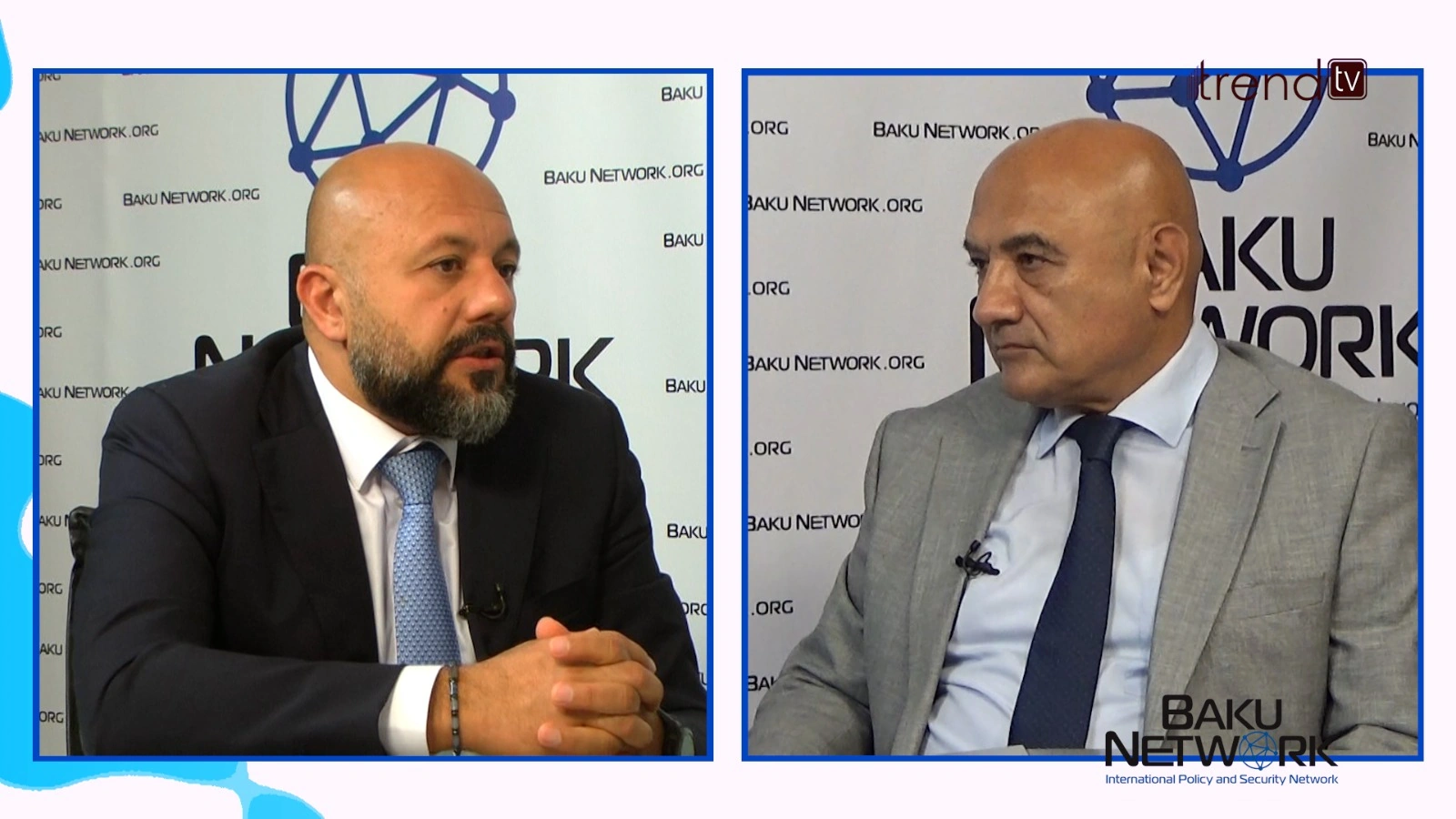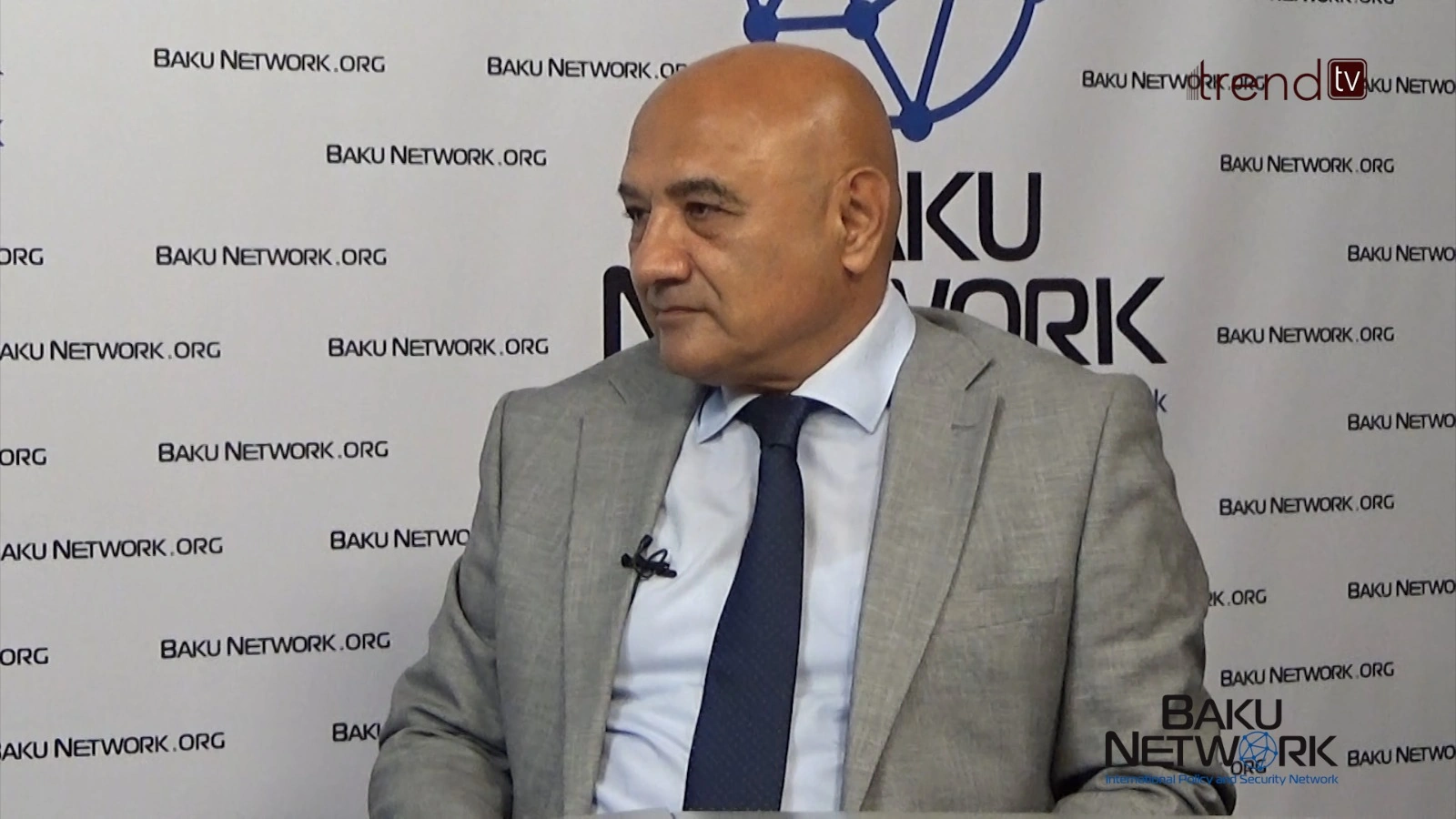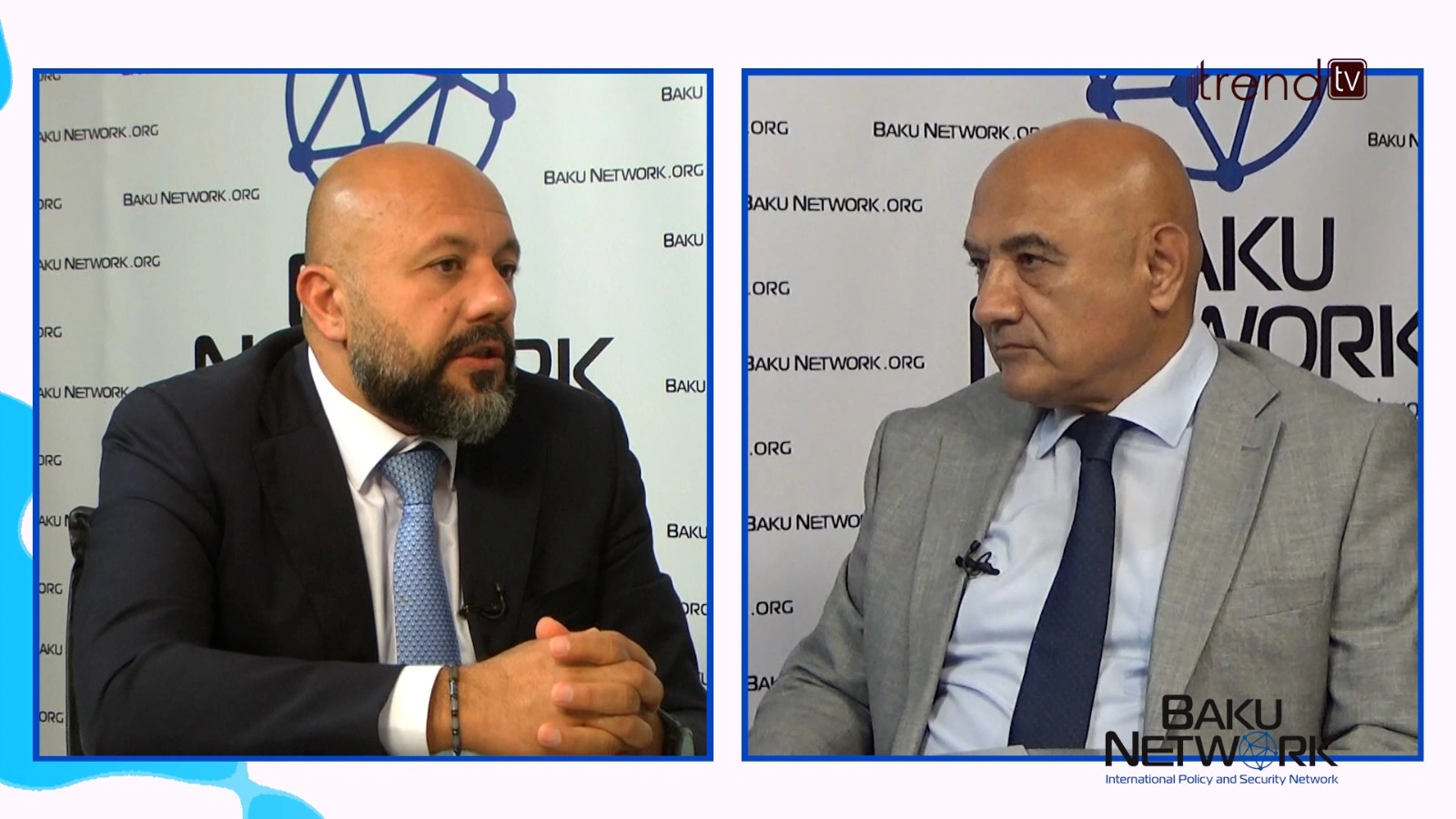
BAKU, Azerbaijan, September 17. A new edition
of the video project “Dialogue with Tofig Abbasov” has been
released on the Baku Network analytical platform.
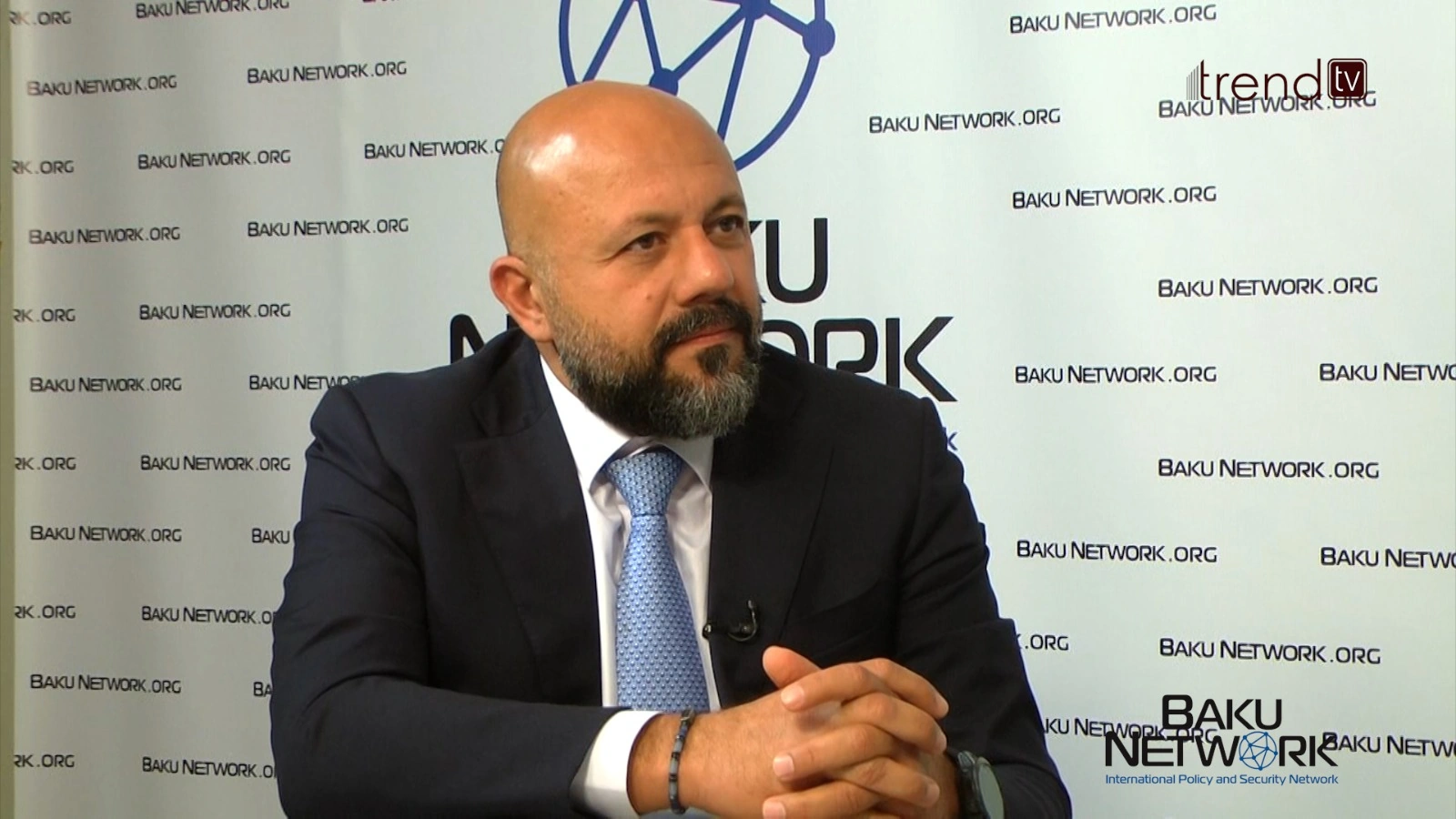
The program’s guest was Rufat Mahmud, chairman of the board of
the “Icherisheher” State Historical and Architectural Reserve.
According to Mahmud, people’s perception of the neighborhood
varies depending on their occupation. An architect sees it as a
collection of monuments that must remain untouched. A resident
wants to expand their kitchen and find a place to park their car. A
tourist views Icherisheher as a backdrop for vivid experiences,
while an entrepreneur looks for business opportunities. “We must
take the interests of all parties into account,” emphasized the
reserve’s chairman, noting that Florence and Venice have largely
ceased to be vibrant cities due to commercialization, while the
populations of Kraków and Dubrovnik have declined significantly. He
cited the artisans’ market in the Multan and Bukhara caravanserais,
which previously housed restaurants, as one of the year’s most
successful projects.
For R. Mahmud himself, Icherisheher is a personal story: he
spent his childhood and youth here, and his neighbors and
classmates lived here. “I still know these people; I visit them in
their homes,” he admitted.
In addition, Mahmud focused on the museum strategy. In
partnership with a private company, the Museum of Illusions has
opened in the neighborhood, becoming one of Icherisheher’s main
attractions. An even larger-scale project will be the “Baku 1919”
museum, scheduled to open this coming Saturday. Visitors will put
on VR headsets and find themselves in the city as it was at the
beginning of the last century — a model that, according to Mahmud,
has been recreated using old photographs and archival data, with
the immersive experience enhanced by artificial intelligence.
“There is a vivid depiction of what life was like in Icheri Sheher,
what life was like in the city,” the chairman said, describing the
project.
The reserve, R. Mahmud noted, is also developing digital
services: a real estate cadastre has been created, a resident
census has been conducted, a mobile app for tourists has been
launched, and a service center for locals has been established. In
the future, smart cameras and sensors will be installed to monitor
the condition of the monuments.
R. Mahmud noted that the Maiden Tower and the Palace of the
Shirvanshahs have been restored, and a number of mosques have been
renovated. Last year, restoration began on the Gasymbek Hamam (also
spelled Gasim Bey Bath), known during the Soviet era as the “Green
Pharmacy.” R. Mahmud criticized the quality of Soviet-era
restorations, during which sections of the walls were filled in
with ordinary bricks: “Today, the location, size, and shape of
every stone are precisely documented.” Of the 980 meters of
fortress walls, he said, nearly half have already been
restored.
Mahmud added that the nature reserve applies a similar logic to
Karabakh: despite the revanchist sentiments of its neighbors, the
reconstruction of cities destroyed by the war continues, and
foreign diplomats regularly visit to see it for themselves.
According to him, hosting the 13th session of the World Urban Forum
(WUF13) in Baku demonstrated to the world the pace of
reconstruction in the liberated territories.
The chairman of the reserve sees the future of Icherisheher in
the creative industries. Icherisheher, R. Mahmud concluded, is “the
place where artists want to be, where they want to create, to be
together, and to share their experiences.”
Here is the full video recording of the program for our
readers: