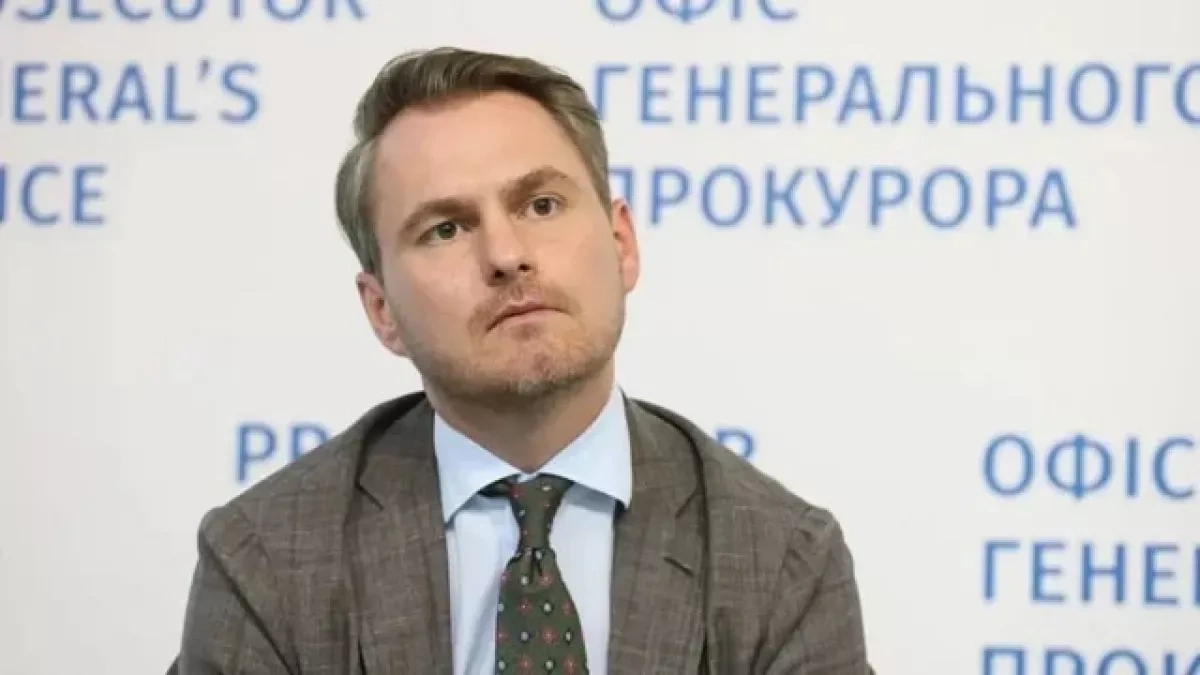
The Verkhovna Rada voted yesterday, September 15, to dismiss Ruslan Kravchenko as Ukraine’s Prosecutor General. But anyone who thinks this marks the end of the country’s seemingly endless stream of shocking news would be rather naïve about Ukrainian realities. There is a long list of colourful figures who have made their way into high politics, and there is more than enough material on each of them to keep us writing for months.
Perhaps Kravchenko himself is the obvious place to start. He may have lost his position as Prosecutor General, but he has remained at liberty, having made a timely and rather straightforward move known in the literature as “doing a runner”. Many people are now recalling with a smile how he once declared: “We will continue to bring back to Ukraine all those who for many years thought that they could hide from the law abroad.”
How can one not think of one of the characters from the Soviet comedy Beware of the Car — retired Lieutenant Colonel Semyon Vasilyevich Sokol-Kruzhkin? Addressing his son-in-law, Dima Semitsvetov, who was building a dacha on his father-in-law’s land, he delivered the memorable line: “We will wage a truly merciless struggle against persons living, shall we say, on unearned income!”
Kravchenko, too, promised, while serving as Ukraine’s Prosecutor General, to wage a merciless fight against citizens who had fled abroad to escape justice. Today, however, he has apparently joined the ranks of those seeking refuge outside the country himself.
In particular, Viktoria Siumar, a member of parliament from the European Solidarity party, claims that Kravchenko is seeking political refugee status in Austria.
“He is now preparing for a future extradition hearing, where he will argue that he faces ‘persecution, revenge and politically motivated justice’ in Ukraine,” Siumar wrote. “The instinct for self-preservation is something else… And never mind how the country and its most important institutions look in the process.”
Against this backdrop, one might think that all that remains is to hear that Timur Mindich is also pulling strings to secure political refugee status in Israel. The immediate issue, however, is that Kravchenko has released a series of recordings which, according to his account, allegedly implicate Semen Kryvonos, director of Ukraine’s National Anti-Corruption Bureau (NABU), in a corruption scheme.
According to the former Prosecutor General, between March and November 2014, Petro Horbachenko, a member of the Starobezradychi village council, allegedly conspired with Kryvonos and other individuals to extort $72,000 from a man named Vladyslav Ruzmatov in exchange for allocating him a 0.25-hectare plot of land in the village of Tarasivka, in Kyiv region’s Obukhiv district.
This adds a remarkable new twist to the ongoing confrontation between NABU, the National Anti-Corruption Bureau of Ukraine, and the Specialised Anti-Corruption Prosecutor’s Office (SAPO) on one side and Kravchenko on the other. As of the time of publication, Kryvonos had not publicly denied the allegations made by the former Prosecutor General — who, as noted above, is hardly the only Ukrainian official to have found himself in such circumstances.
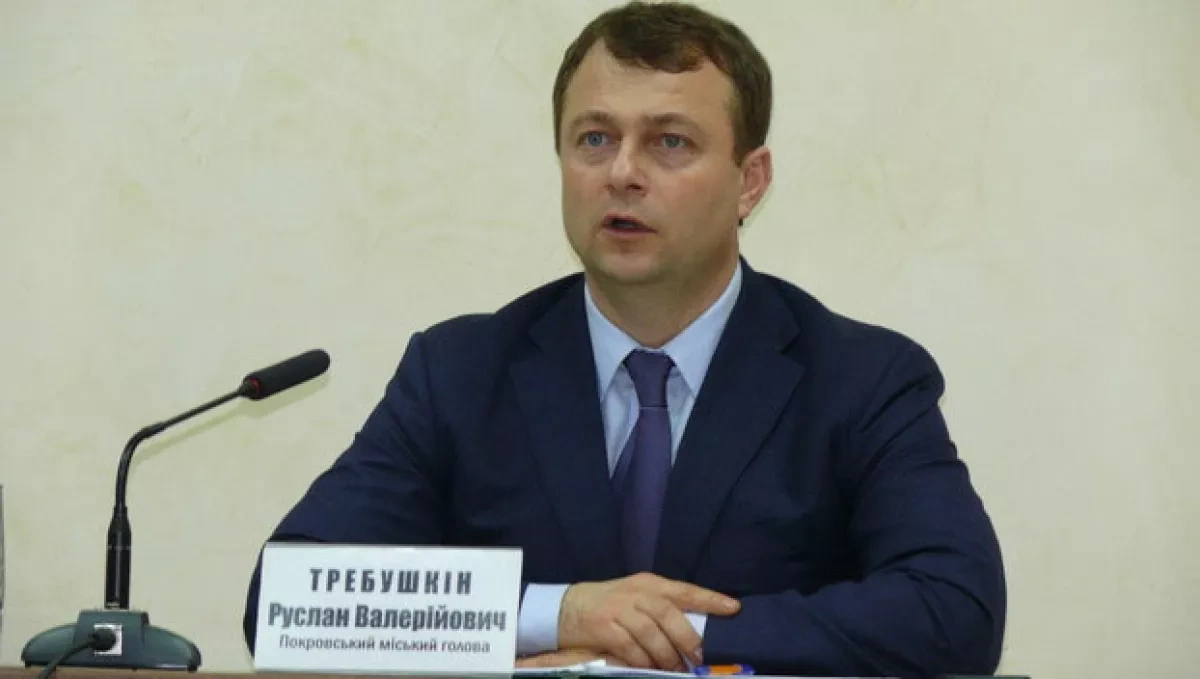
In particular, after more than a year out of the public eye, Pokrovsk Mayor Ruslan Trebushkin has returned to social media, now regaling fellow citizens who remain in Ukraine with accounts of his morning runs in Nice. Relaxing on the French Riviera, he congratulates his followers on Miners’ Day, posts videos from a yacht and shares “secrets of success” from an “acquaintance in business”.
Although he no longer has any powers following the establishment of a military administration, he continues to hold the title of mayor and receives one-third of his salary from the city budget. Such is Ukrainian-style “success”.
Staying on the same theme, it is worth noting a revealing post by MP Dmytro Kostiuk on Facebook. He claimed that more than 30 members of the Verkhovna Rada have fled abroad since 2022, five of whom continue to serve as MPs without giving up their mandates.
In the context of this story about the adventures of well-known Ukrainians abroad, one cannot overlook Ukrainian stand-up comedian Valeria Mandziuk. As absurd as it may sound, she was invited, along with a group of Ukrainian influencers, to the European Parliament, where they were to take part in a discussion on Ukraine’s European integration process and the expansion of cultural diplomacy through digital media.
What can one say? When a country’s president is a former showman, an invitation to the European Parliament extended to a stand-up comedian is hardly surprising. Nor is the result of the initiative: while in Brussels, Mandziuk told the world that when she was a child and used to herd cows, “the neighbourhood boys and I would throw cow dung at each other. Sometimes we got so carried away that we ended up throwing more than just cow dung.”
These are the kinds of people who, to put it mildly, have a rather peculiar understanding of the tragedy facing their country and therefore allow themselves extremely shocking behaviour and statements. Yet these are the people representing Ukraine in the “finest houses of London and Paris”.
What impression can Europeans form of the Ukrainian state when they hear such remarks while also reading daily reports about corruption in Ukraine? The answer, it seems to me, is fairly obvious.