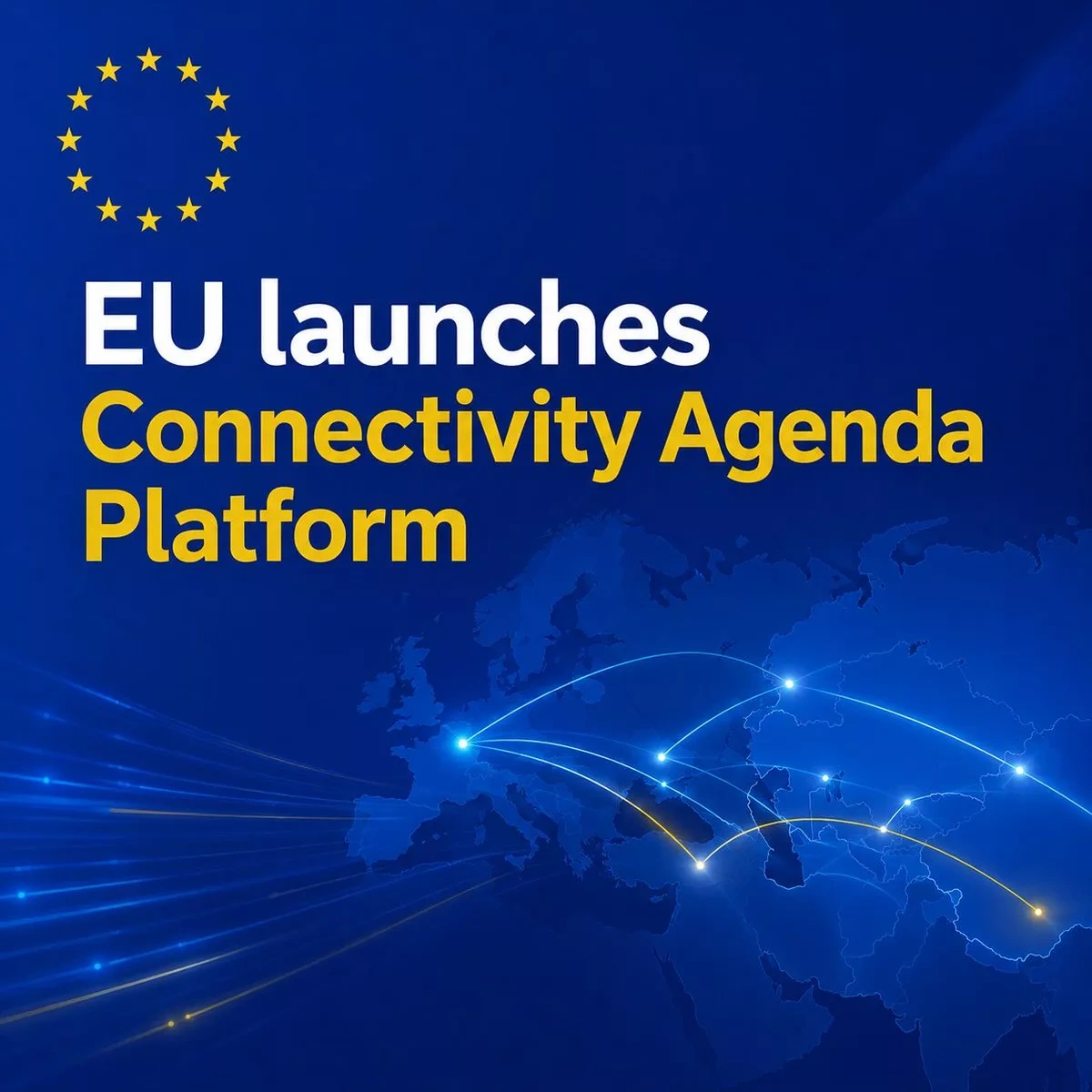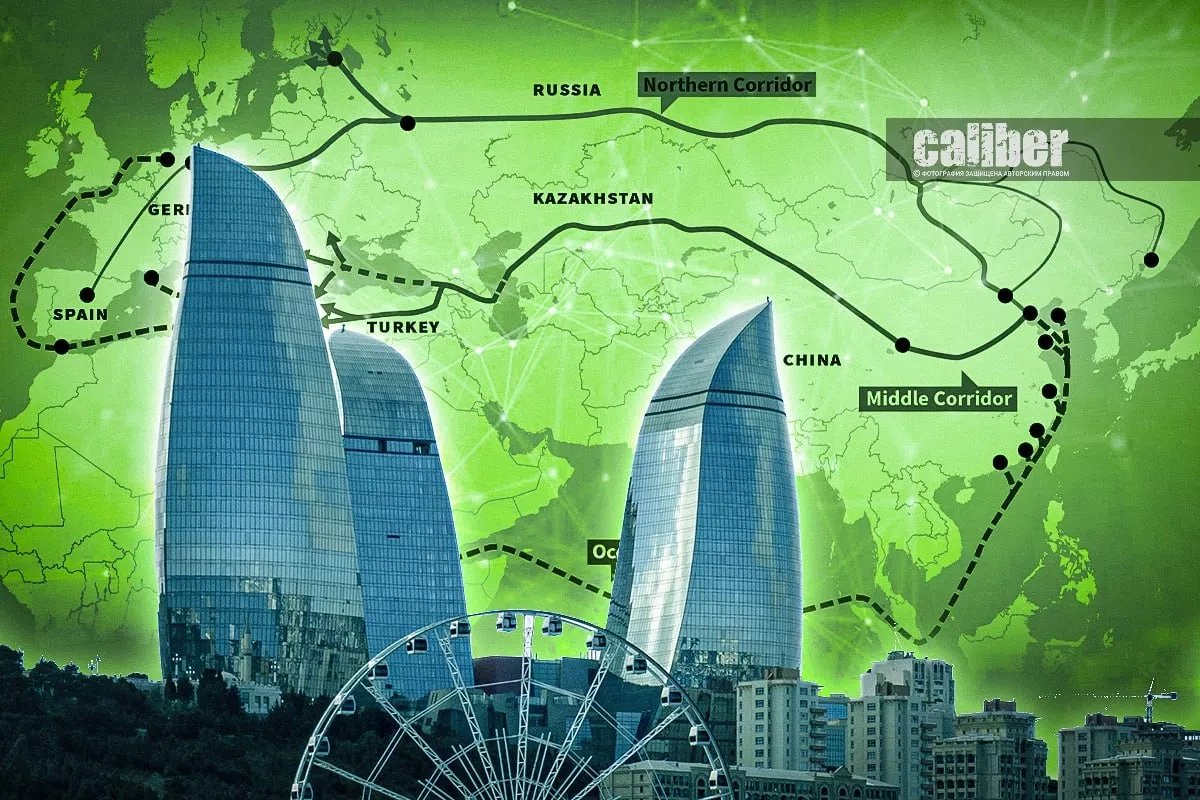
The European Union has launched the Connectivity Agenda Platform, a new mechanism designed to coordinate transport, energy, and digital infrastructure projects along the Middle Corridor, which links China, Central Asia, the South Caucasus, Türkiye, and Europe.
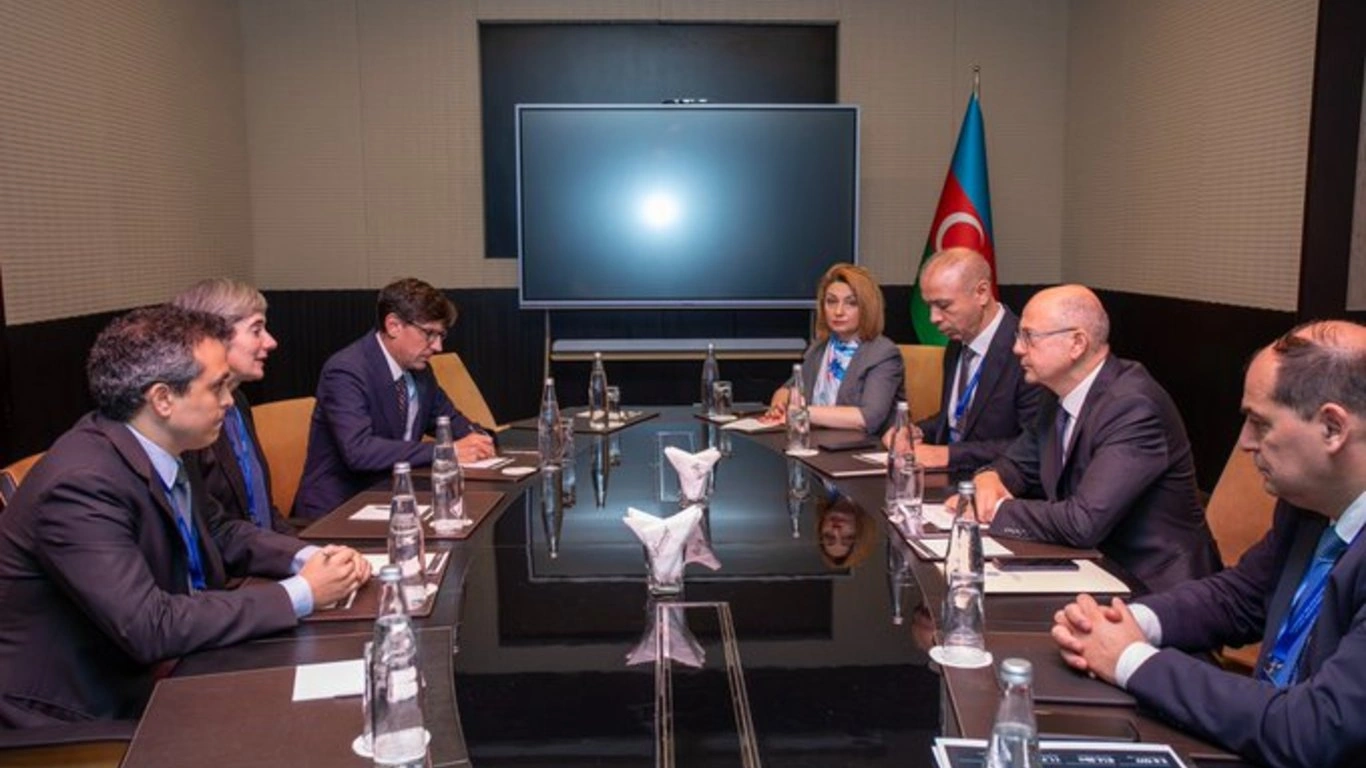
The platform was unveiled at a high-level meeting hosted by European Commissioner for Enlargement Marta Kos, European Commissioner for International Partnerships Jozef Síkela, and European Commissioner for Sustainable Transport Apostolos Tzitzikostas.
According to the European Union's official website, the meeting was attended by representatives of Armenia, Kazakhstan, Kyrgyzstan, Moldova, Tajikistan, Turkmenistan, Türkiye, Ukraine, and Uzbekistan. Notably, no representatives from Azerbaijan or Georgia—two key stakeholders in the Middle Corridor—were present. This suggests that both Baku and Tbilisi had their own reasons for declining to participate.
It is evident that the launch of the platform does not yet include a detailed roadmap, while plans for financing transport and connectivity projects across the countries along the Middle Corridor remain largely theoretical. Even at this early stage, however, an important question arises: Does Brussels intend to take the interests of Baku and Tbilisi into account, or is it once again seeking to bypass Azerbaijan, as it has attempted to do in several previous EU initiatives related to the development of the Middle Corridor?
Political analysts from Azerbaijan and Germany shared their views on the matter with Caliber.Az.
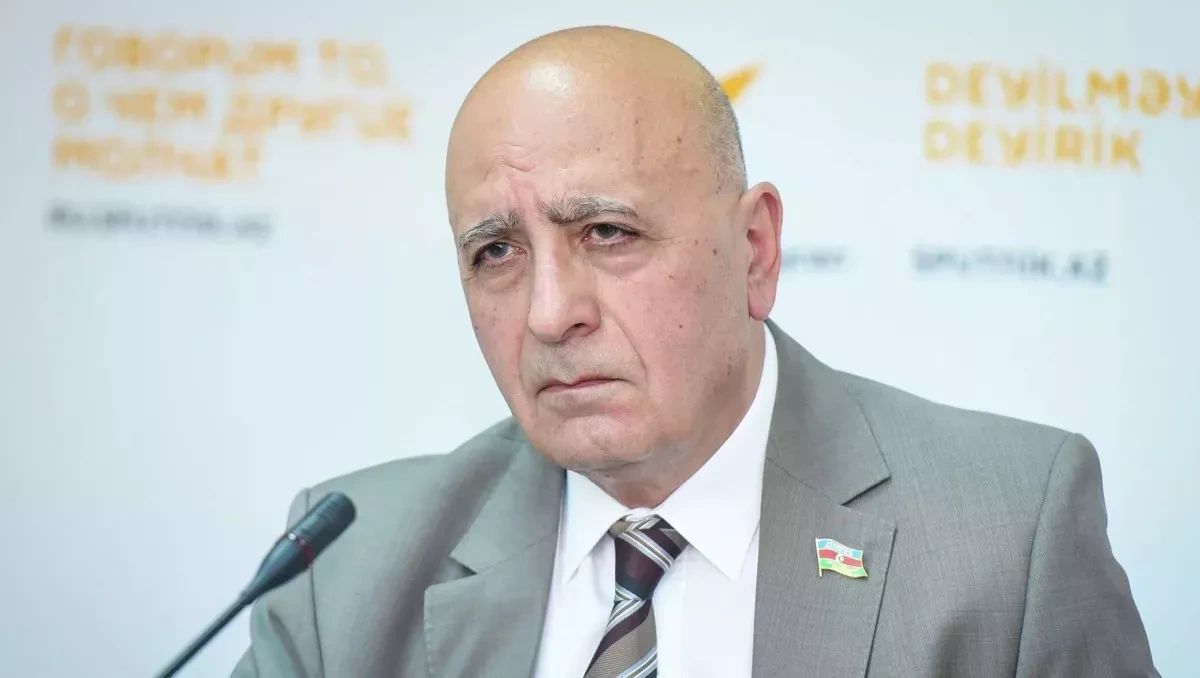
In particular, Azerbaijani political analyst and MP, Rasim Musabayov, believes that the European Union does not appear to be planning to allocate funding to Baku or Tbilisi under this initiative.
"The EU apparently believes that Azerbaijan is financially capable of continuing to develop the Middle Corridor's infrastructure on its own. Most likely, Brussels intends to channel funding to countries that lack such resources—for example, by subsidising infrastructure projects in Kyrgyzstan. One could accept that approach, but it naturally raises a very logical question: ‘What exactly does the EU intend to finance in Armenia?’ It is well known that the country is effectively a transport dead end. Armenia's railways remain under the concession of Russian Railways (RZD), meaning that any investment in them would, in effect, amount to financing a Russian state-owned structure. Frankly speaking, the European Union has been pursuing a number of rather puzzling projects in Armenia, and that cannot help but raise eyebrows," he said.
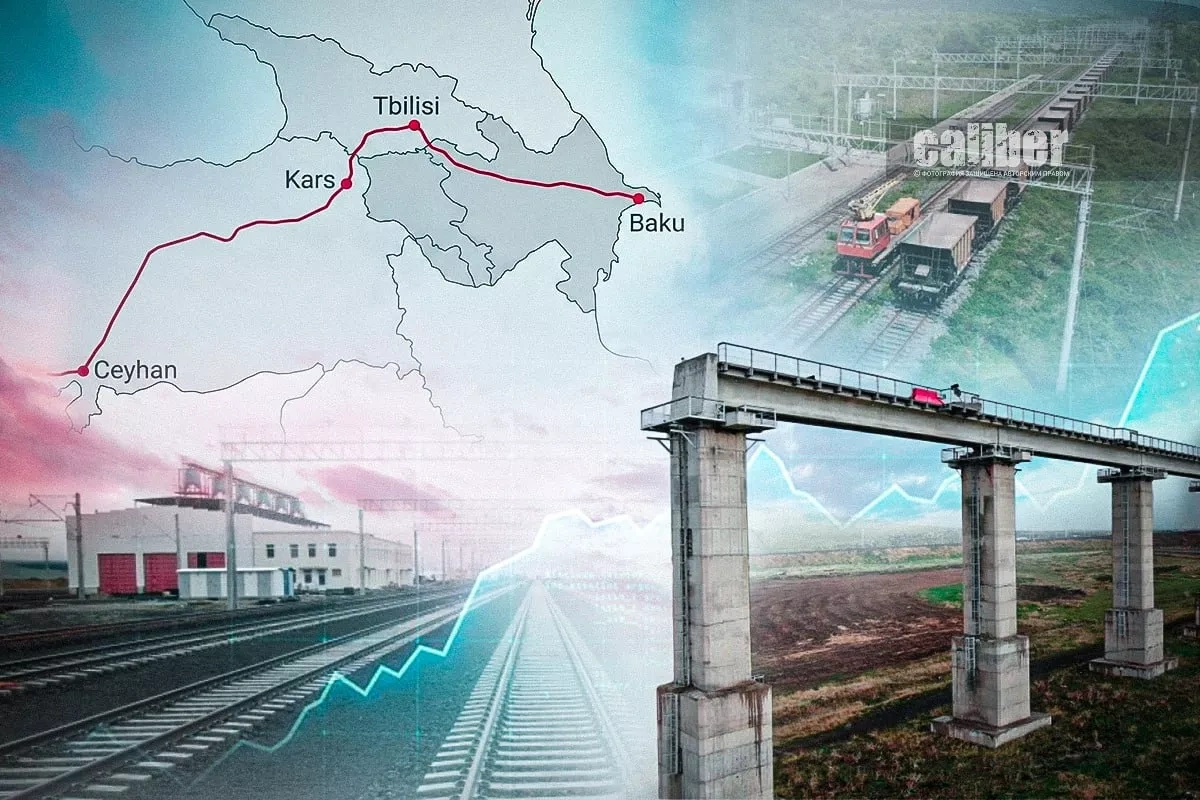
Regarding Georgia, the political analyst argued that Brussels apparently assumes Baku will continue financing the Georgian section of the route: "Azerbaijan invested nearly $1 billion in the construction of the Georgian section of the Baku–Tbilisi–Kars (BTK) railway. If the European Union has no intention of financing projects on Azerbaijani territory, the logical step would be for the EU to assume responsibility for the loans Azerbaijan extended to Georgia. That would allow Baku to redirect the freed-up resources towards further modernising infrastructure on its own territory."
According to him, the European Union's attempts to sideline Azerbaijan in matters concerning transport corridors could ultimately backfire on Brussels itself.
"We will continue our work regardless. But when they eventually come knocking on our door with proposals—for example, on coordination—we will suggest that they turn to those they have chosen to finance. Everything our country needs, we are perfectly capable of accomplishing on our own, without looking to Brussels," Musabayov said.
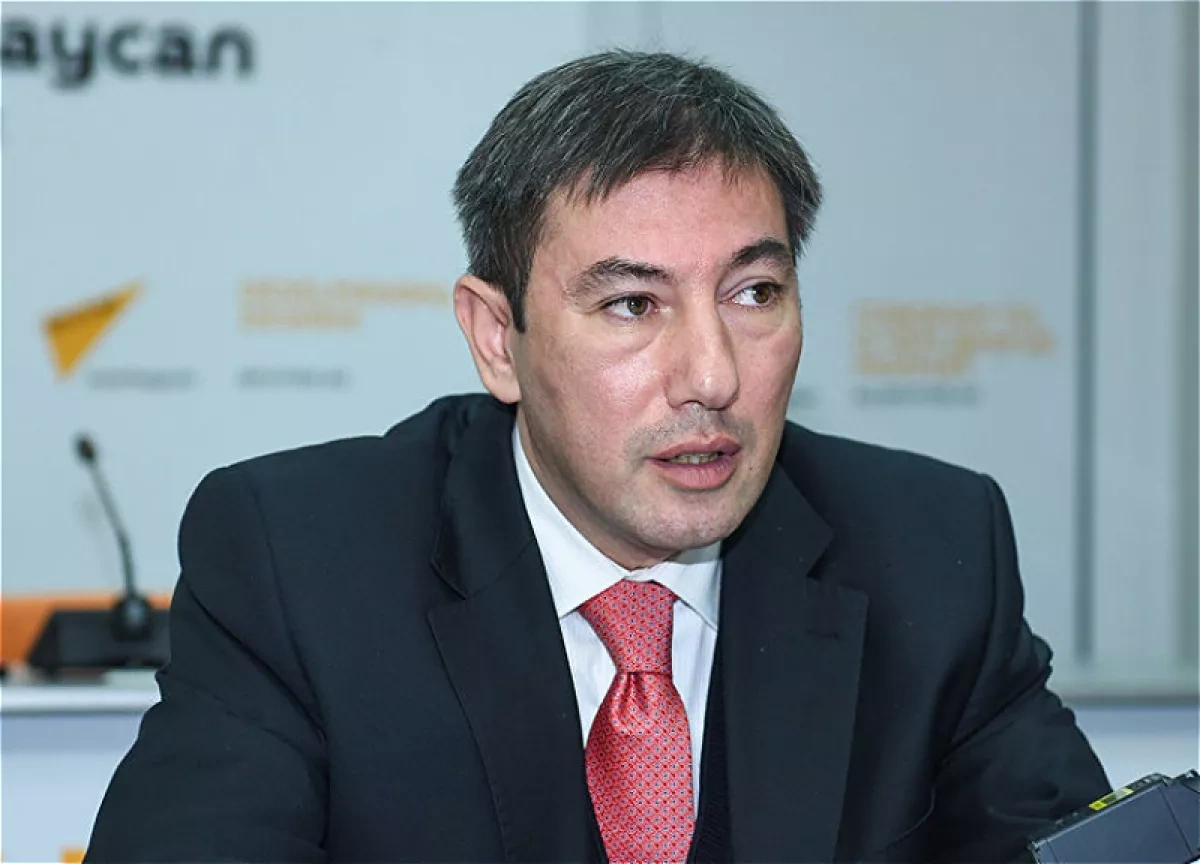
Meanwhile, Azerbaijani political analyst Ilgar Velizade believes that the EU's decisions and initiatives—including those related to funding—are often left deliberately vague.
"Broadly speaking, the EU announces that it intends to allocate €10 billion to the Middle Corridor under the Global Gateway initiative. But what does that actually mean? Where will the money go? Who will receive it? How much funding will be allocated, and for which specific projects? None of this is explained. As a rule, the EU budget earmarks a certain amount for particular initiatives, but everything that follows depends on how negotiations unfold, who the EU reaches agreements with, and how the overall situation develops," he said.
Commenting on the participation of regional countries in the project, the political analyst pointed to differing interpretations of what the Middle Corridor actually encompasses: "When we speak of the Middle Corridor, we primarily mean the Trans-Caspian International Transport Route (TITR), which forms its backbone. The EU, however, approaches the Middle Corridor from a different perspective. For Brussels, it is not limited to Azerbaijan and Georgia—it also includes Armenia. Moreover, the EU believes Armenia should become an integrated part of all these projects and seeks to incorporate it into the concept of the Middle, or Trans-Caspian, Corridor. In principle, no one questions or objects to that. However, if such initiatives are being launched, they should be genuinely inclusive and ensure the equal participation of all stakeholders."
Velizade also stressed that economic interests and practical efficiency—not political preferences or disagreements between individual participants—should be the guiding principles behind transport initiatives: "This is broadly how China operates. Beijing is unconcerned with who is on good terms with whom; what matters is the existence of a functional transport connectivity system. The European Union, however, takes a different approach, seeking to inject its own ideological considerations into such projects. In this particular case, by effectively disregarding Azerbaijan's position—especially regarding the Zangezur Corridor and the unblocking of regional transport links—the EU is attempting to incorporate Armenia into the initiative."
Commenting on Georgia, the political analyst said he found it illogical that the EU was not engaging fully with Tbilisi when discussing projects related to the Middle Corridor: "Georgia is the only country that provides access to the Black Sea, making it a natural connector. Azerbaijan, of course, is also a key connector. We certainly do not need their money, but this is not merely about funding—it is about the underlying concept."
According to Velizade, the fundamental weakness of many European initiatives is that, while they may appear attractive on paper, Brussels does not always take into account the strategic interests of the very countries expected to participate in them: "The Eastern Partnership is a good example. In effect, it was decided on our behalf that Azerbaijan should become part of it. We joined the initiative, but later realised that, from the standpoint of our strategic interests, the Eastern Partnership was not a particularly relevant project for us. Over the years, the EU has put forward various other initiatives as well, and Azerbaijan has wisely declined many of them."
In turn, German political analyst Yevgeny Kudryats noted that Azerbaijan’s position in the context of the European Union’s launch of the Connectivity Agenda Platform can be described as a pragmatic response from a player that possesses real leverage and its own vision of the regional architecture.
"The problem with Brussels lies in its attempt to create platforms for a project that has already been functioning successfully for decades without its participation. Baku views the Middle Corridor not as a European investment product, but as the result of long-standing efforts, investments, and political will of regional countries. As such, it finds unacceptable any situation in which external actors attempt to reshape the configuration of the system while ignoring the interests of its original architects. Moreover, in promoting its initiatives, Brussels is actively seeking to integrate Armenia into regional transport hubs, which, from the Azerbaijani perspective, is being done outside the framework of existing agreements. Any discussion of new routes through Armenia cannot be considered outside the context of the Zangezur Corridor.
From Baku’s perspective, this approach constitutes a diplomatic miscalculation by the EU, rendering the project virtually unworkable, as Azerbaijan is the geographical and logistical centre of this route. The European Union entered the development of the Middle Corridor at a relatively late stage, when much of the infrastructure had already been established by regional actors and with China’s support under the Belt and Road Initiative.
Overall, for the EU, the Middle Corridor is a means of reducing dependence on Russia and strengthening its influence in Central Asia. The Azerbaijani state, as an experienced geopolitical actor, understands that European initiatives are driven by the current geopolitical agenda, which can change over time. Furthermore, Baku today possesses sufficient economic and geopolitical resources to afford not participating in initiatives where its interests are not taken into account or where it is offered a secondary role in someone else’s scenario. However, Brussels should remember that without considering Azerbaijan’s interests, EU attempts to establish itself in the region will face resistance from key participants of the corridor," concluded Kudryats.