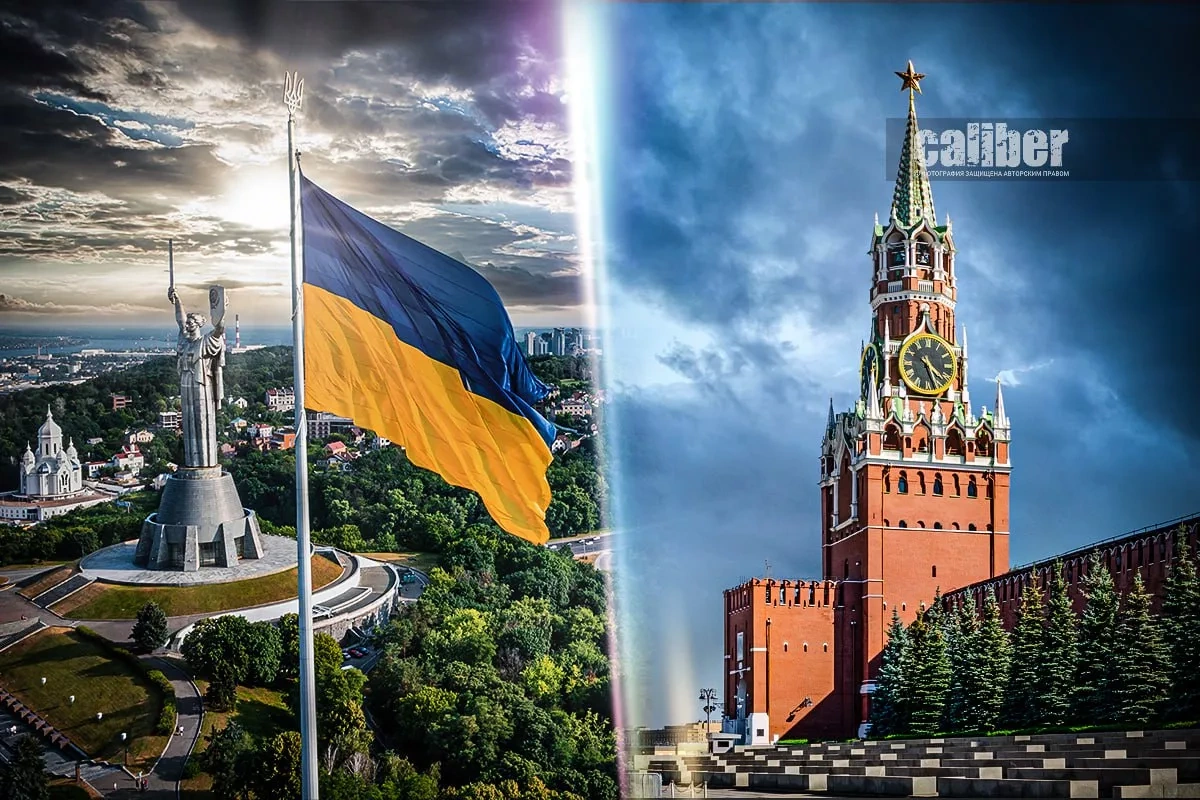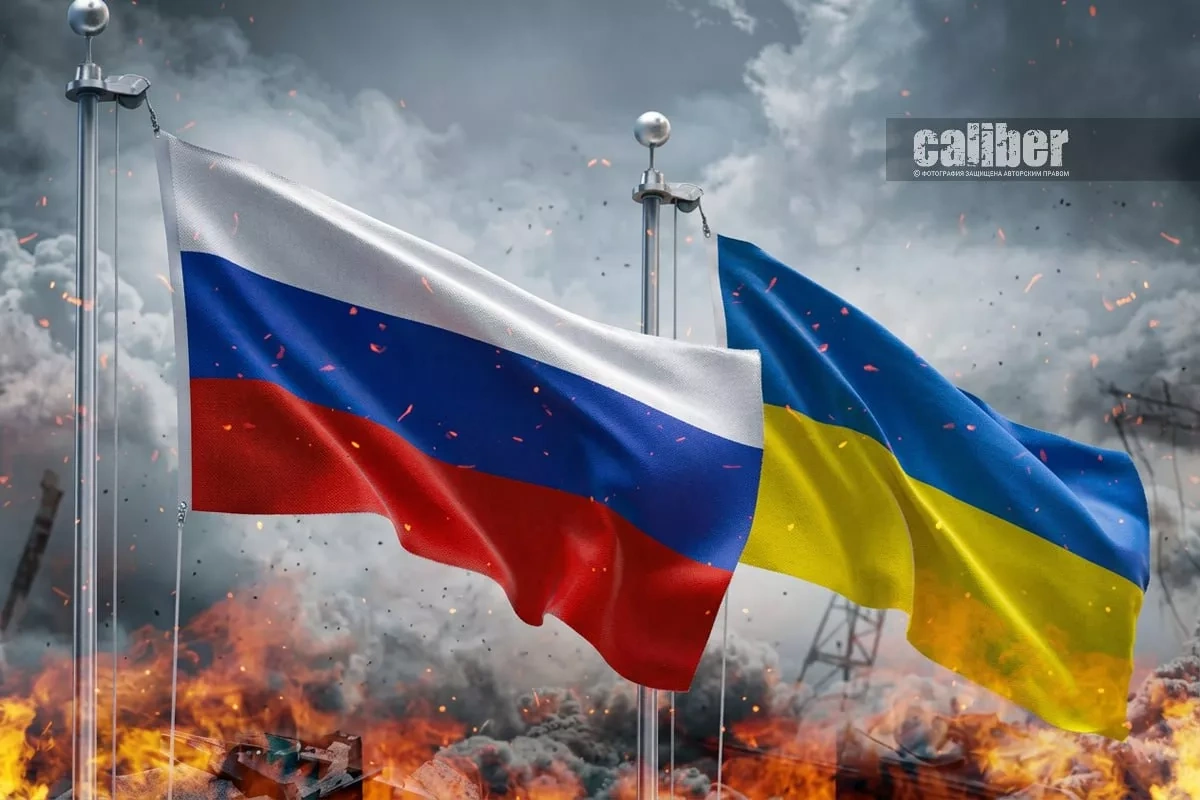
Recent developments in the Russia–Ukraine war point to shifting battlefield dynamics that, at least for now, appear to be working against Moscow.
One of the most notable trends is Ukraine's growing use of long-range and medium-range strikes, often referred to as middle strikes. Among Kyiv's most significant successes has been turning the R-280 Novorossiya motorway—the main overland supply route running from Russia's Rostov region through Mariupol and Melitopol to the Crimean Peninsula—into what has effectively become a "road of death."
As the Crimean Bridge has become increasingly risky to use for certain military logistics, the importance of this route has risen sharply. As a result, sustained Ukrainian strikes against military transport, fuel tankers, and other logistical targets could, over time, begin to affect not only Russian forces deployed in southern Ukraine but also Crimea itself, where the situation has deteriorated markedly in recent weeks. In particular, the Russian-installed head of Crimea, Sergey Aksyonov, has stated that the peninsula has run out of fuel.
According to Russian media reports, many residents are attempting to leave the peninsula via the Crimean Bridge, leading to severe traffic congestion and waiting times stretching to several hours. At certain points, queues have reached as many as 900 vehicles. By contrast, there has been little to no comparable congestion on the Krasnodar Krai side of the bridge, where traffic is entering Crimea.
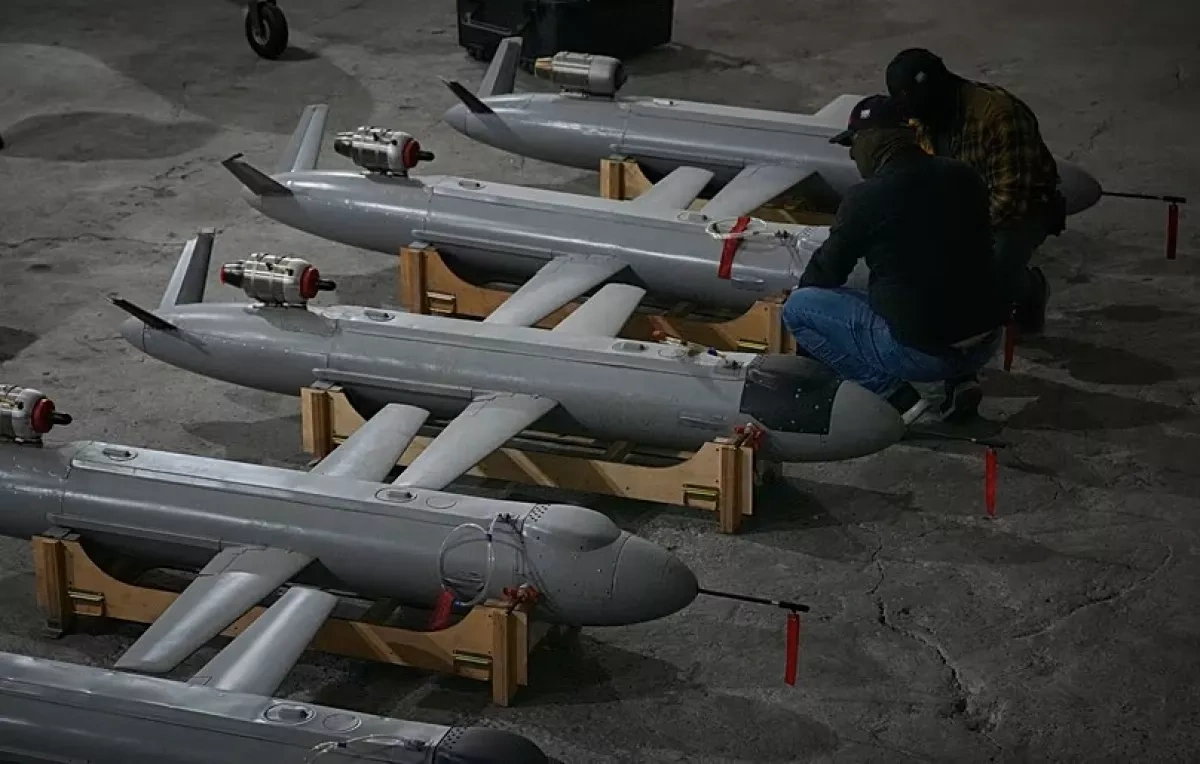
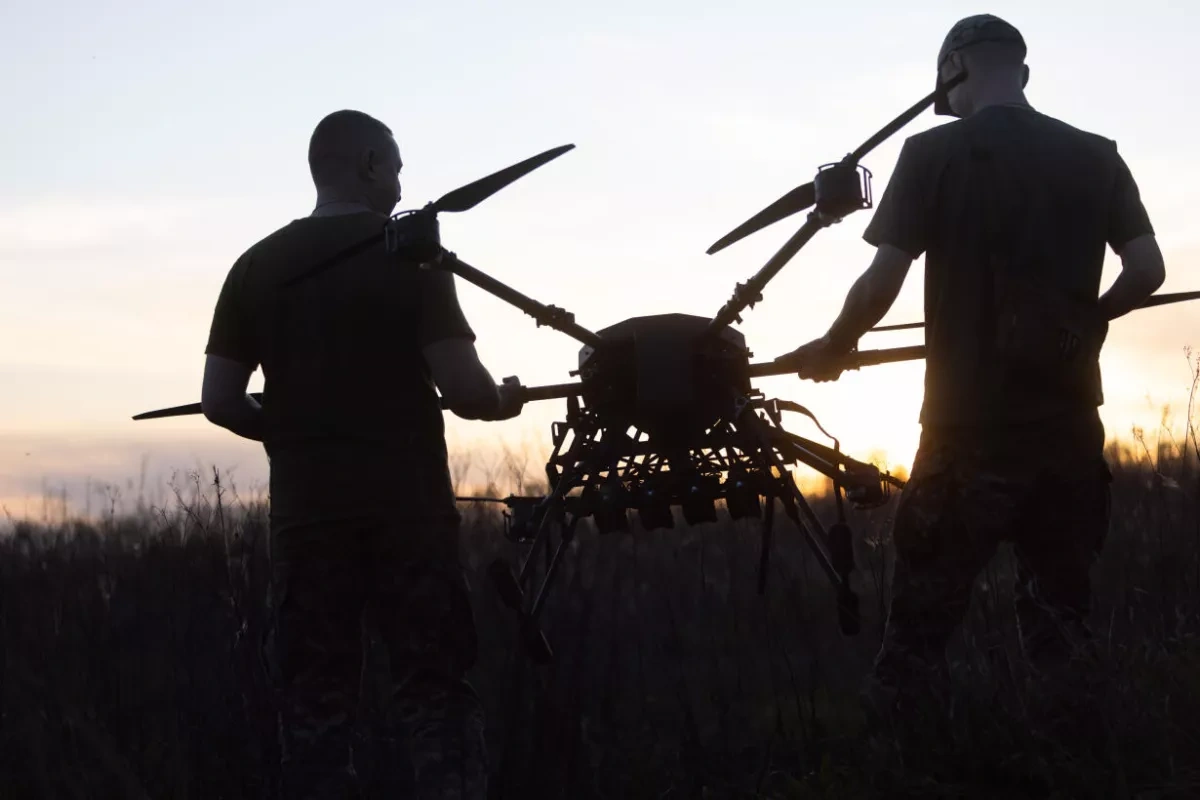
Using its drones, Kyiv has been systematically targeting military and energy infrastructure across Crimea. Recent strikes on the peninsula's power facilities, which left Sevastopol and several other cities partially without electricity, have demonstrated this all too clearly. Adding to these challenges, Sergey Aksyonov has declared a state of emergency in Crimea.
As for the fuel situation across Russia as a whole, it is not as critical as in Crimea, but it is nevertheless far from normal. Long queues have formed at petrol stations in various parts of the country, and petrol has even begun appearing for sale on online marketplaces—naturally, at heavily inflated prices. There is also no guarantee that what is being sold is actually petrol. Taking advantage of the crisis, some sellers may offer virtually anything under the guise of fuel, prompting the Russian authorities to warn the public against purchasing such products through online marketplaces.
Although the fuel crisis in Russia was triggered by Ukrainian strikes on oil refineries, fuel depots and storage facilities, it has been significantly exacerbated by the actions of Russian consumers themselves, many of whom have rushed to stockpile fuel out of panic. This buying spree has fuelled market hysteria, leading to massive queues at filling stations and accelerating the depletion of available fuel supplies. According to Russian Deputy Prime Minister Alexander Novak, panic buying has artificially increased demand for fuel by 20–30 per cent.
Overall, current trends suggest that Ukraine has regained momentum. However, the Russian side is likely to adapt to these developments over time—a reality that Ukraine's Armed Forces are well aware of. Consequently, Ukrainian strikes are expected to expand geographically, while their impact is likely to become increasingly significant.
The ultimate game changer could be Ukraine's ballistic missile programme, whose full-scale combat deployment appears to be only a matter of time. Russia, for its part, is expected to respond by further intensifying its own strikes against Ukraine.
The Russia–Ukraine war has therefore entered a new phase. The focus of the international community is now shifting away from the ground campaign and towards the aerial contest, where, at present, Ukraine appears to hold a clear advantage.
By Riad Hamidov