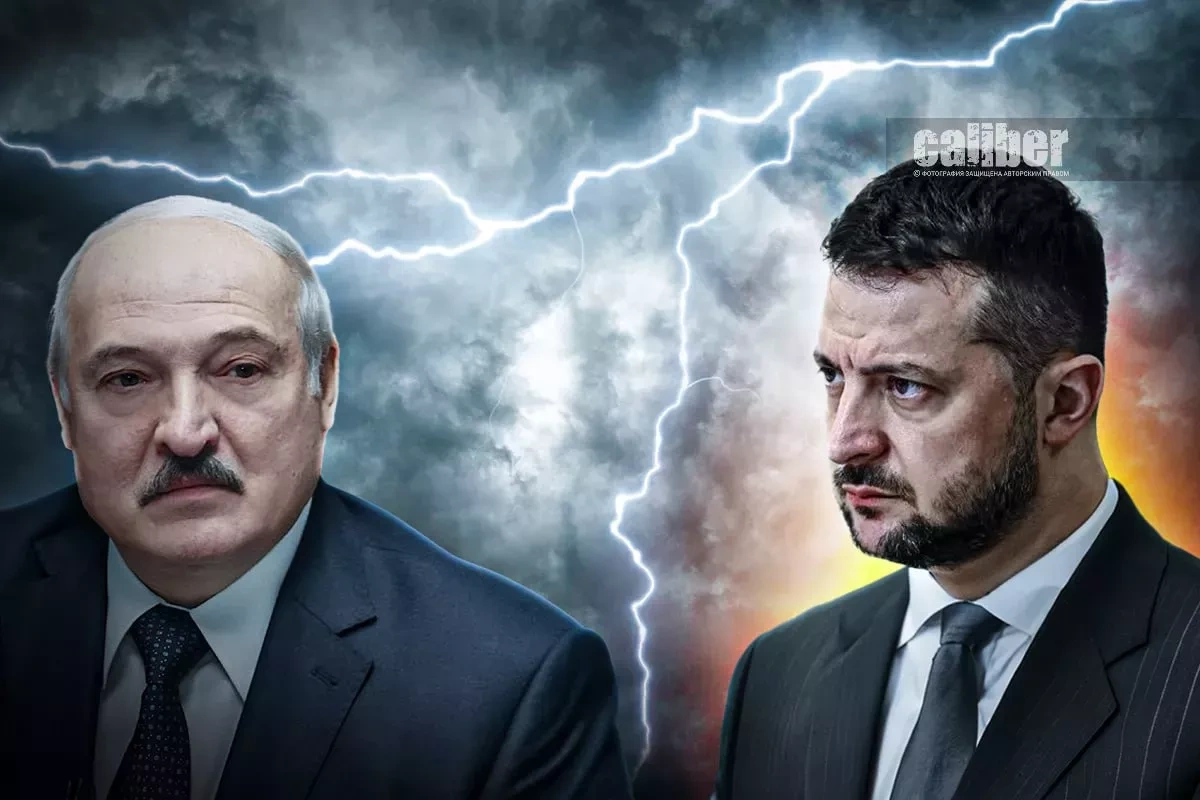
Ukrainian President Volodymyr Zelenskyy has effectively issued an ultimatum to Belarus. Who stands to gain from an even greater escalation of the military conflict?
Kyiv's ultimatum
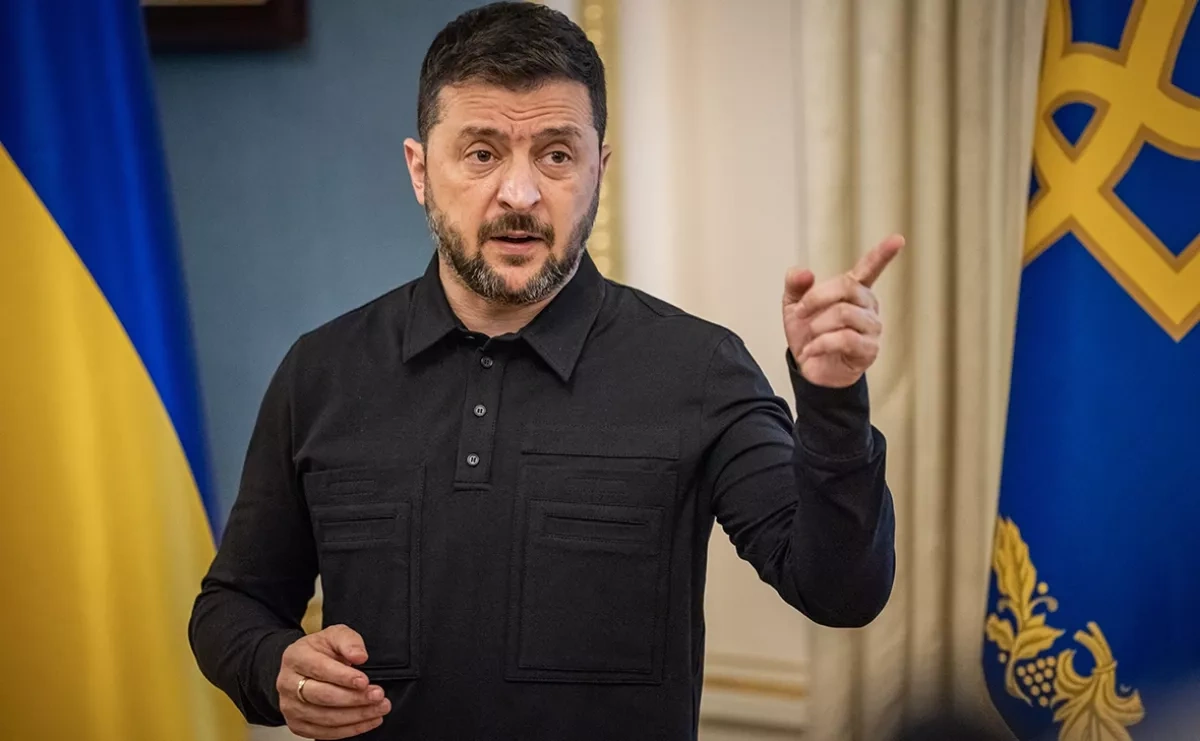
On June 19, during a briefing, Volodymyr Zelenskyy demanded that the Belarusian authorities remove certain equipment from the border area that, according to Kyiv, is being used to assist in the guidance and coordination of Russian drones.
"If he does not do it, we will," Zelenskyy stated, giving Alexander Lukashenko one week to comply with what amounted to an ultimatum.
Zelenskyy also called on Belarus to halt supplies of petroleum products from Belarusian refineries to Russia.
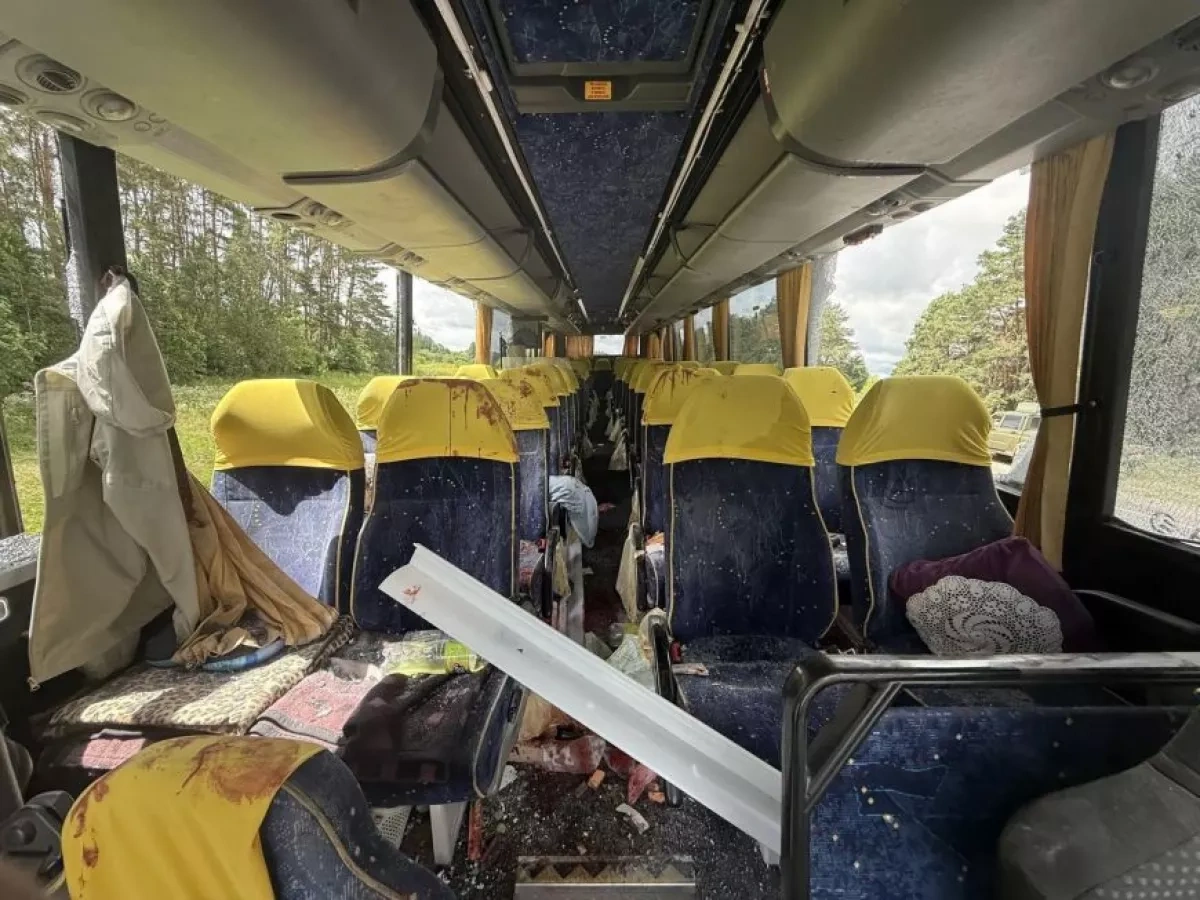
Commenting on a drone strike on a bus carrying Belarusian children in Russia's Bryansk Region, which killed a pregnant woman and injured eight others, the Ukrainian president claimed that the incident was a Russian provocation aimed at drawing Belarus into the war against Ukraine.
The following day, June 20, in his regular video address, Zelenskyy reiterated his demand that equipment used for signal retransmission in the Gomel and Brest regions be dismantled. In addition to his criticism of the operation of Belarusian oil refineries, he also called for an end to supplies of military-related components produced by other Belarusian industrial enterprises.
Notably, Zelenskyy does not deny that the Belarusian leadership opposes the war. Whether intentionally or inadvertently, the Ukrainian president made the following remark: "Belarus should do the things that its actual leadership is saying through unofficial channels, so that we in Ukraine can truly see that Belarus is genuinely against this war."
Yet, apparently, Kyiv did not consider two statements sufficient.
On June 21, Zelenskyy reiterated his demands to Belarus in even more categorical terms. According to him, the retransmission equipment should not only be dismantled but also "shown" to the Ukrainian side as proof of compliance.
The Ukrainian president also addressed Alexander Lukashenko directly, saying: "He can keep his apologies to himself." At the same time, Zelenskyy stressed that his remarks regarding the oil refineries were not a threat but rather a "signal." Overall, with each successive statement, the rhetoric became increasingly harsh and confrontational, while the list of demands continued to grow.
At the same time, the Ukrainian side has provided no factual evidence to substantiate its claim that Russian drones are, in fact, being guided with the assistance of equipment located on Belarusian communication towers.
There are not even any photographs of these alleged retransmission facilities. As for the purchase of oil, the supply of refined petroleum products, and the export of goods manufactured by Belarusian industrial enterprises, these fall within Belarus’s sovereign right to determine its own economic policies and trading relationships. NATO countries, for their part, provide Kyiv with large quantities of weaponry, intelligence support, and satellite-guidance capabilities. Yet they are not formally regarded as direct participants in the military conflict. Threatening the use of force against Belarus as a sovereign state runs directly counter to Article 2(4) of the UN Charter.
Drawing Belarus into the war
Whether by coincidence or not, the effective ultimatum directed at Belarus was issued on the eve of June 22 — a date of profound tragedy for the Belarusian people, marking the invasion of the Soviet Union by Nazi Germany and its allies in 1941. In Belarus, one in every three residents perished during that war.
Many Belarusian media outlets do not view the timing as accidental: "The timing, of course, was chosen with the precision of a sadist. And less than a week earlier, a combat drone struck a bus carrying Belarusian children. All of this looks like an attempt to drag Belarus into a bloody meat grinder. This is not a coincidence — it is a choice: the choice of date, the choice of tone, the choice of direction. And that direction points towards escalation, towards the expansion of the conflict zone and, apparently, towards a desire to unleash war on the territory of our state."
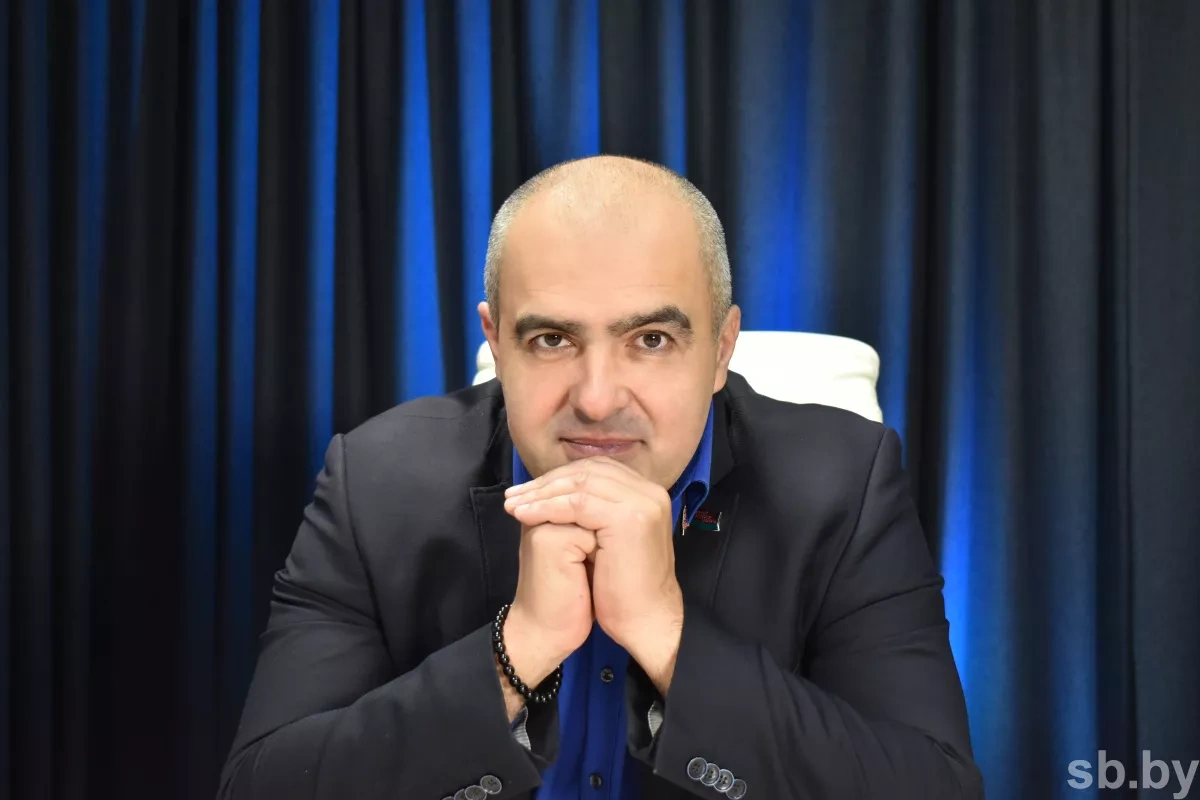
Member of the House of Representatives Oleg Gaidukevich stated: "There is no military equipment on the border with Ukraine other than what is necessary to ensure Belarus's security. Everyone knows this, including those in the West, because intelligence services around the world operate very effectively today... This is an attempt to draw our country into a military conflict and, ultimately, to drag all of Europe into it. Both Belarus and Russia understand this perfectly well. We know it, and we will not act according to a script written for us by others."
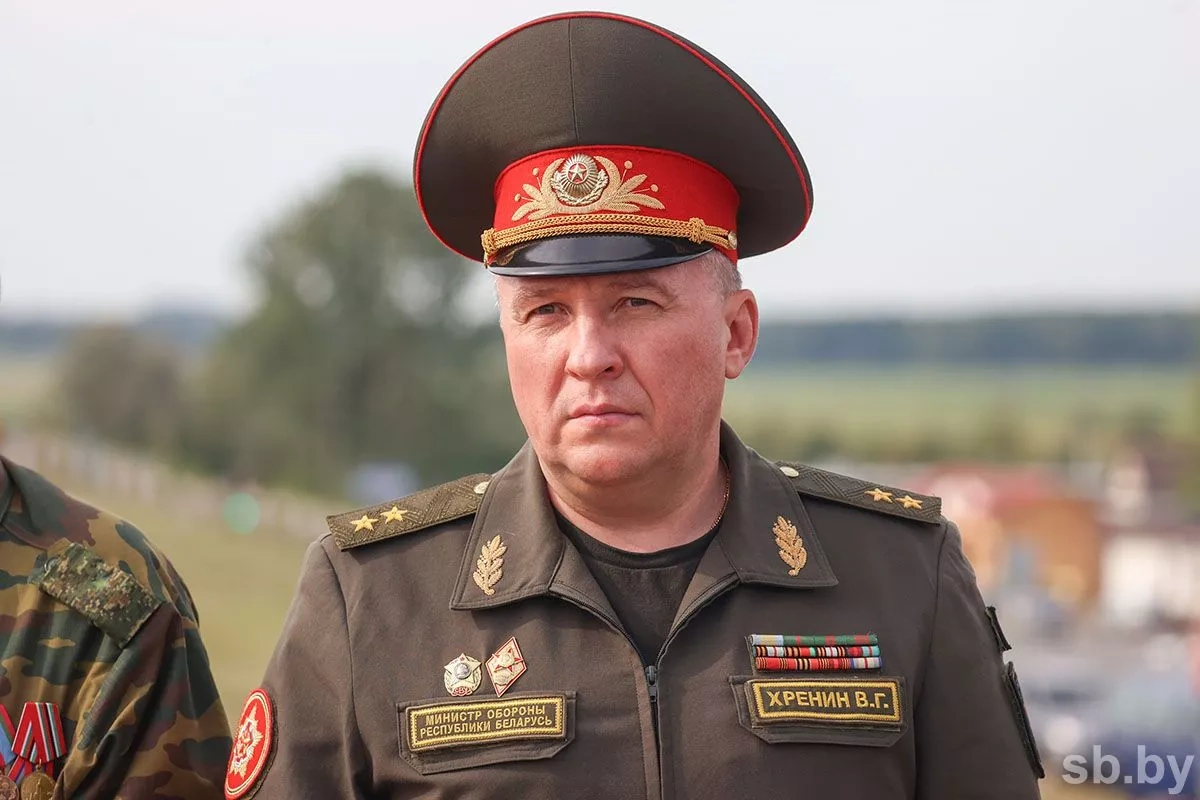
On June 21, Belarusian Defence Minister Viktor Khrenin also commented on the situation: "There is tension. There are certain provocations. Most of them, of course, manifest themselves in the information sphere in the form of various threats and promises to take action. One must look at the broader strategy, and our president has defined that strategy very clearly: there is absolutely no military rationale for becoming involved in the conflict — or, as some would put it, for allowing ourselves to be drawn into it. Naturally, we are monitoring developments. Naturally, we maintain certain forces along the border, but only in minimal numbers necessary to secure the state border in cooperation with the border guards."
At present, however, Minsk has refrained from issuing an official response at the highest political level, apparently preferring to assess the situation through various diplomatic channels. Reports also indicate that Alexander Lukashenko intends to discuss the threats directed against Belarus and encroachments on its sovereignty with Vladimir Putin in the near future.
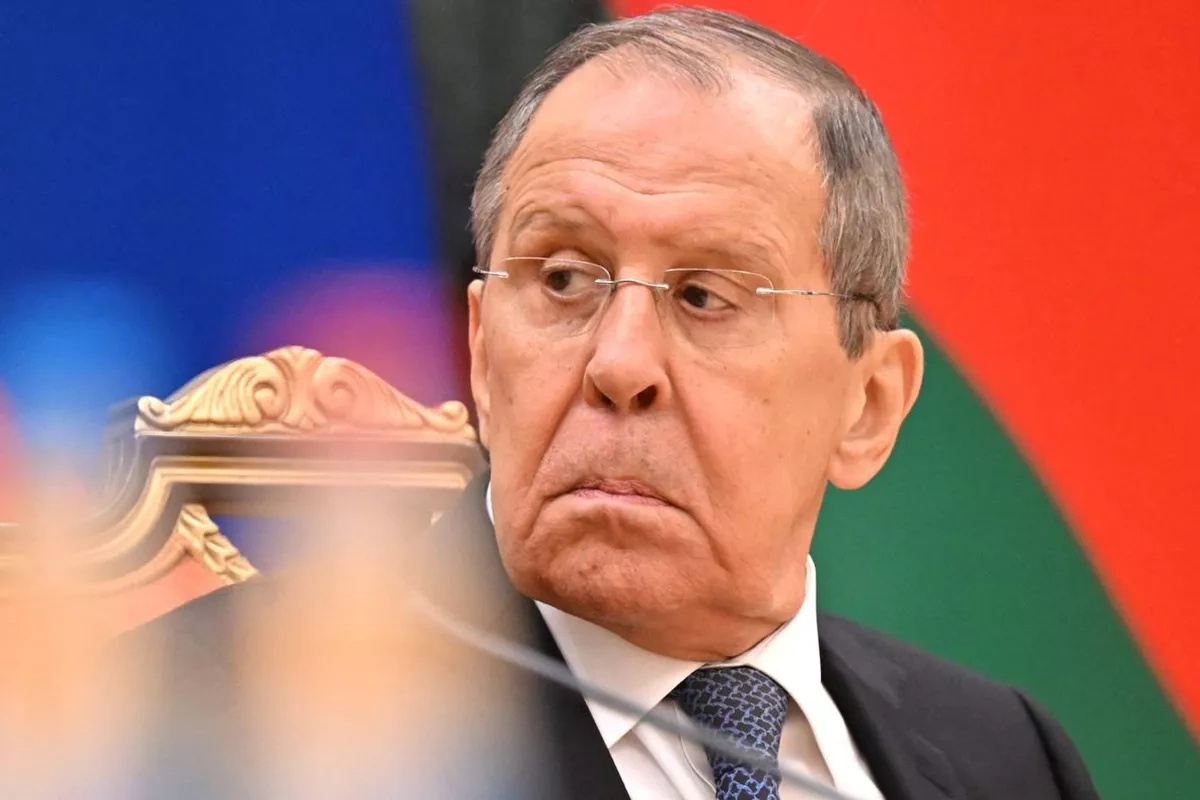
On June 21, the Belarusian state news agency BELTA published a statement by Russian Foreign Minister Sergey Lavrov, who said: "Moscow fully understands Minsk's position of maintaining its alliance with Russia while not participating in the conflict in Ukraine."
False accusations
Against this backdrop, the Belarusian nationalist opposition has reacted to the threats directed at Belarus with scarcely concealed satisfaction. Moreover, opposition activists living abroad have openly called for confrontation with their own country.
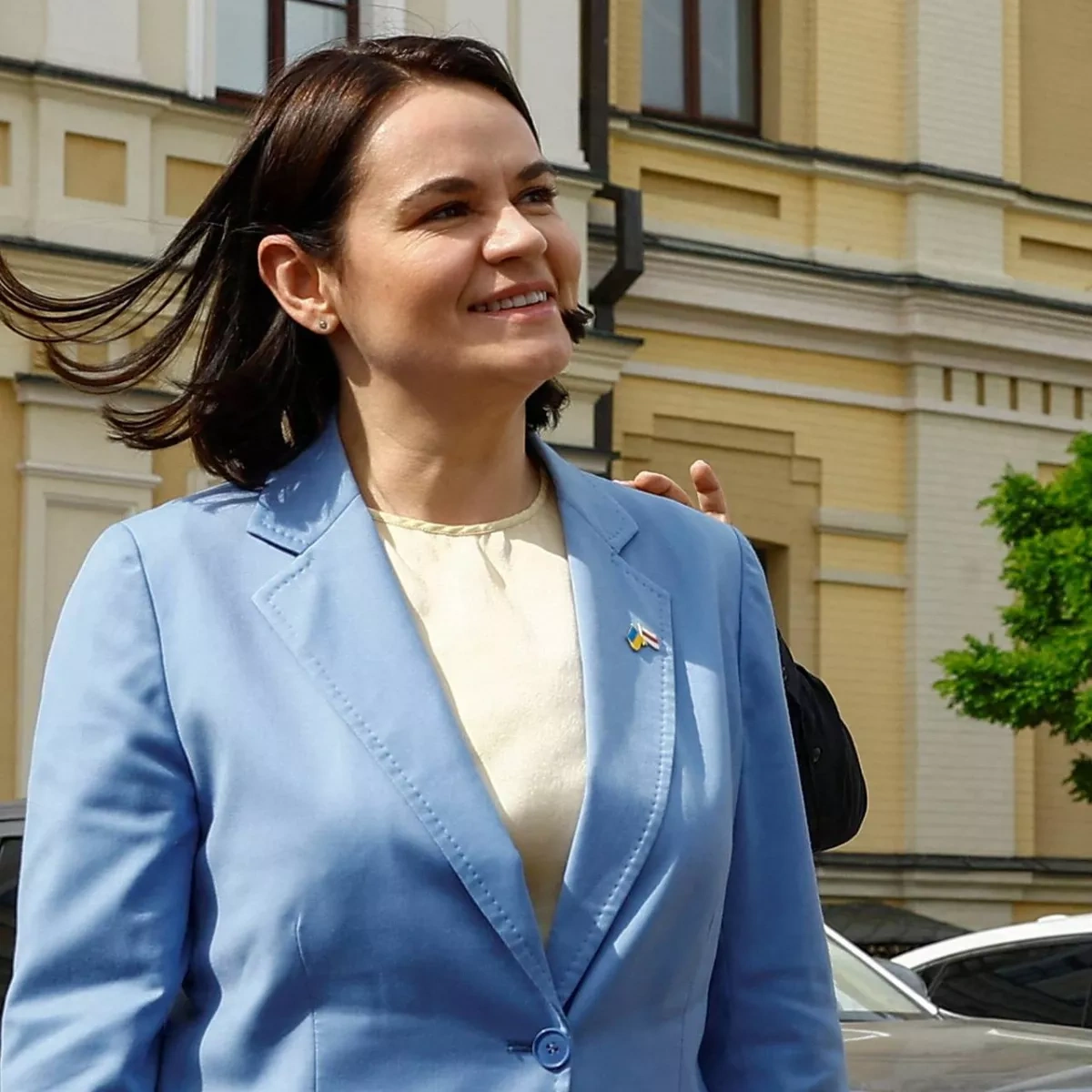
Several days before Zelenskyy's latest statements, the "Mission of Belarusian Democratic Forces," which recently opened in Kyiv following Sviatlana Tsikhanouskaya's visit, held a roundtable discussion on the subject of the "militarisation of Belarus."
During the event, BYPOL — an organisation composed of former Belarusian security officers who defected to the West and which has been designated a terrorist organisation in Belarus — presented what it claimed were pieces of evidence indicating that Belarus was preparing for war with Ukraine.
On June 20, meanwhile, the self-described "leader of the democratic forces," Sviatlana Tsikhanouskaya, welcomed the fact that "Ukraine is speaking to Lukashenko from a position of strength..."
Tsikhanouskaya's deputy, Pavel Latushka, handed Ukrainian Foreign Minister Andrii Sybiha a 30-page report purporting to substantiate alleged Belarusian plans to enter the war and offering recommendations on how to "counter" them. The former minister under Lukashenko, who later sided with the opposition and the West, also called on Belarusian military personnel not to obey orders. Notably, the report was delivered on June 22. Yet even Latushka himself was forced to acknowledge in one of his public appearances that Lukashenko and Belarus genuinely do not want war.
The claim that Belarus is preparing to join the conflict — despite being unsupported by any factual evidence and repeatedly denied by the Belarusian authorities — continues to be repeated in Kyiv and among opposition circles almost as a mantra.
It is worth recalling once again that while Belarus's neighbours are undergoing unprecedented militarisation — Poland alone is in the process of tripling the size of its armed forces — Belarus has not established a single new military formation. Moreover, all existing mechanised brigades and Special Operations Forces brigades remain stationed at their permanent bases, predominantly along the country's western borders.
Only mobile border-cover groups have been deployed to the southern frontier, a measure that Belarusian officials regard as fully justified in light of ongoing provocations. At the same time, the Ukrainian Armed Forces maintain no fewer than 20,000 troops along the Belarusian border and have spoken of the possibility of drone strikes against up to 500 targets inside Belarus. Nevertheless, it is Minsk that continues to be accused of "militarism" and of fuelling the conflict.
Punished for peacefulness
What, then, should be expected in the near future? Is another war on the horizon? Not everyone — even within the ranks of the Belarusian opposition — has greeted Zelenskyy's increasingly confrontational rhetoric with enthusiasm.
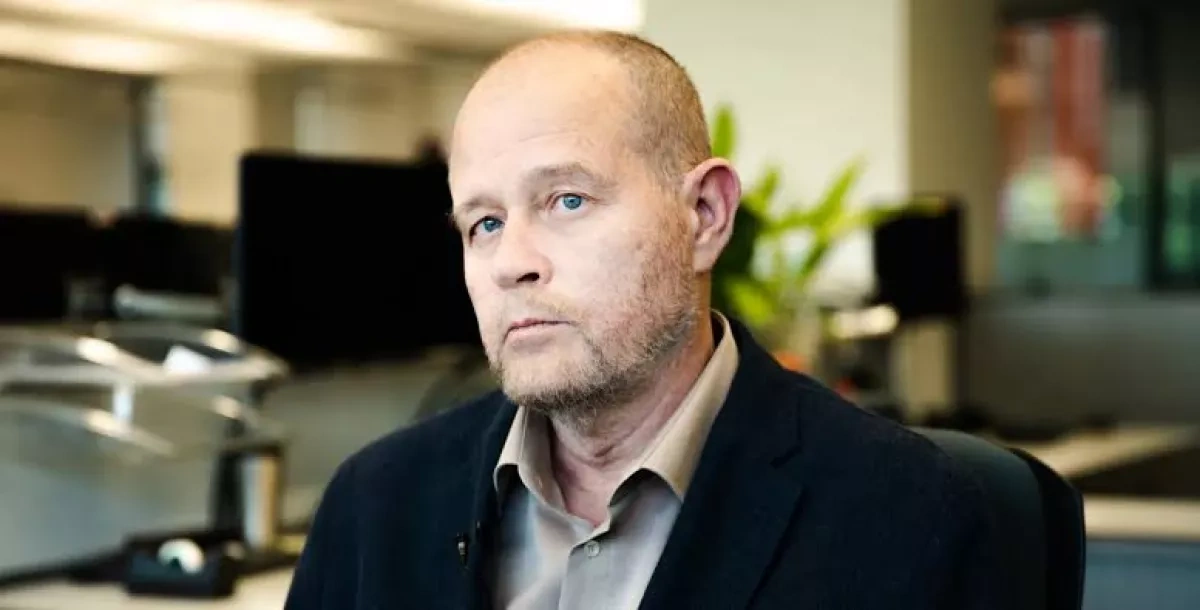
Political commentator Yury Drakakhrust of Radio Liberty is nevertheless inclined to view Zelenskyy's recent statements as a form of political pressure rather than a military ultimatum. He raises a rhetorical question: if Russia genuinely wanted Belarus to join the war against Ukraine, then, after Minsk complied with Zelenskyy's demands, Moscow would not have to "lift a finger" to achieve that outcome.
The Radio Liberty contributor also questions whether the alleged retransmission equipment could, from the standpoint of international law, constitute legitimate grounds for military action. Should attacks against such facilities occur, he expresses hope that they would be disabled through electronic warfare measures rather than by kinetic strikes.
According to Drakakhrust, the reaction of the United States and the European Union remains uncertain. In his view, Donald Trump may not welcome a situation in which Zelenskyy effectively begins settling disputes with other state leaders on his own initiative. The EU's response could also prove ambiguous, he argues, given that the issue concerns not only the potential emergence of new refugee flows but also the risk of serious disruption to logistical routes linking Europe with China.
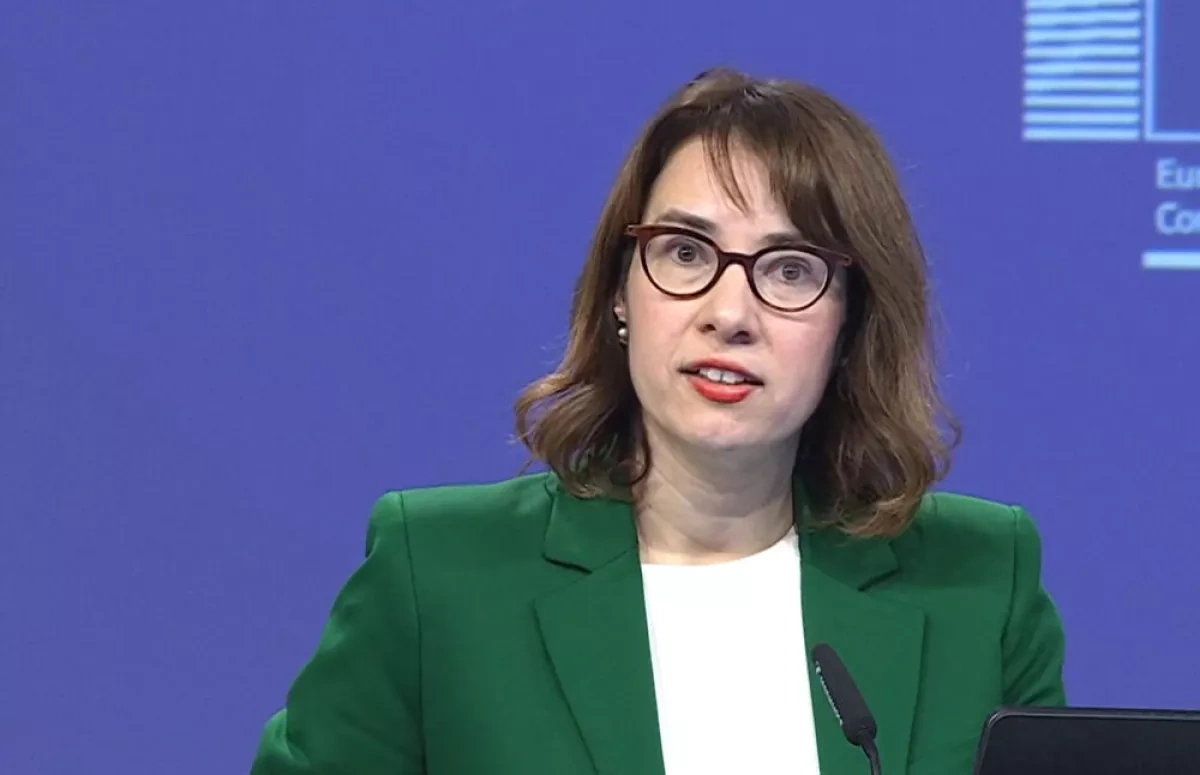
However, the relatively moderate Radio Liberty commentator may have misjudged Brussels' likely reaction. On Monday, European Commission spokesperson Anitta Hipper commented on Zelenskyy's ultimatum during a press briefing by stating: "Of course, Ukraine has the right to defend itself."
This statement effectively indicates who is encouraging Ukraine towards confrontation with Belarus. They also note the symbolic significance of June 22 once again being associated with decisions that could potentially lead to military action on Belarusian territory.
Should hostilities against Belarus occur, several scenarios are possible. Ukraine could limit itself to either targeted or intensive strikes against oil refineries and other infrastructure facilities. Kyiv has previously claimed that the disputed retransmission equipment is allegedly located on the rooftops of residential buildings in Gomel. As critical industrial facilities come under attack and are taken out of operation, Western countries could, according to this assessment, begin presenting Minsk with increasingly stringent demands.
According to Colonel Andrei Bogodel, Deputy Head of the General Staff Faculty at the Military Academy of Belarus, such pressure could eventually extend to demands that Belarus grant Western capital access to key economic assets.
At the same time, the involvement of representatives of the Tsikhanouskaya–Latushka "transitional cabinet" at the preparatory stage may, in his view, point to plans for a ground incursion aimed at seizing part of Belarusian territory — for example, in the Gomel Region — followed by the proclamation of a "temporary government" composed of opposition figures.
The West, meanwhile, would closely monitor the reactions of both Belarus and its allies, primarily Russia, adjusting its subsequent actions accordingly.
There is little doubt that the current unprecedented provocations directed against Belarus are being driven by those circles in the West that favour further escalation. What they find unacceptable is precisely Minsk's policy of restraint and its stated commitment to avoiding direct involvement in the conflict.
In recent months, however, Alexander Lukashenko has achieved a measure of success on this front. In particular, there have been signs of a certain normalisation in relations with the Trump administration. More moderate political figures within the European Union have also begun to show interest in Belarus as a potential platform for future peace efforts.
Disrupting Belarus’s potential peacekeeping role is precisely the minimum objective that the “hawks” have assigned to Kyiv. The maximum objective is the installation of a pro-Western puppet regime in Belarus.
Notably, the current ultimatum came immediately after the Belarusian president's proposal, made in an interview with Al Arabiya, to hold a personal meeting between the leaders of Russia, Ukraine, and Belarus. At the same time, Alexander Lukashenko stated that both sides — Ukraine and Russia alike — would need to make compromises if the war was to be brought to an end.
On June 23, Gomel Region Governor Ivan Krupko reported to the president on both the security situation along the border and the progress of the investigation into the attack on the bus carrying children. According to Krupko, the situation on the border remains difficult but stable and fully under control.
Alexander Lukashenko asked that residents of the Gomel Region be informed that they had no reason for concern or alarm, stressing that Belarus possesses sufficient capabilities and resources to repel any attack by an aggressor.