BAKU, Azerbaijan, June 24. European pension
systems, while built on different national models, are facing
broadly similar structural challenges, according to PensionsEurope,
Trend's
correspondent reports from the event.
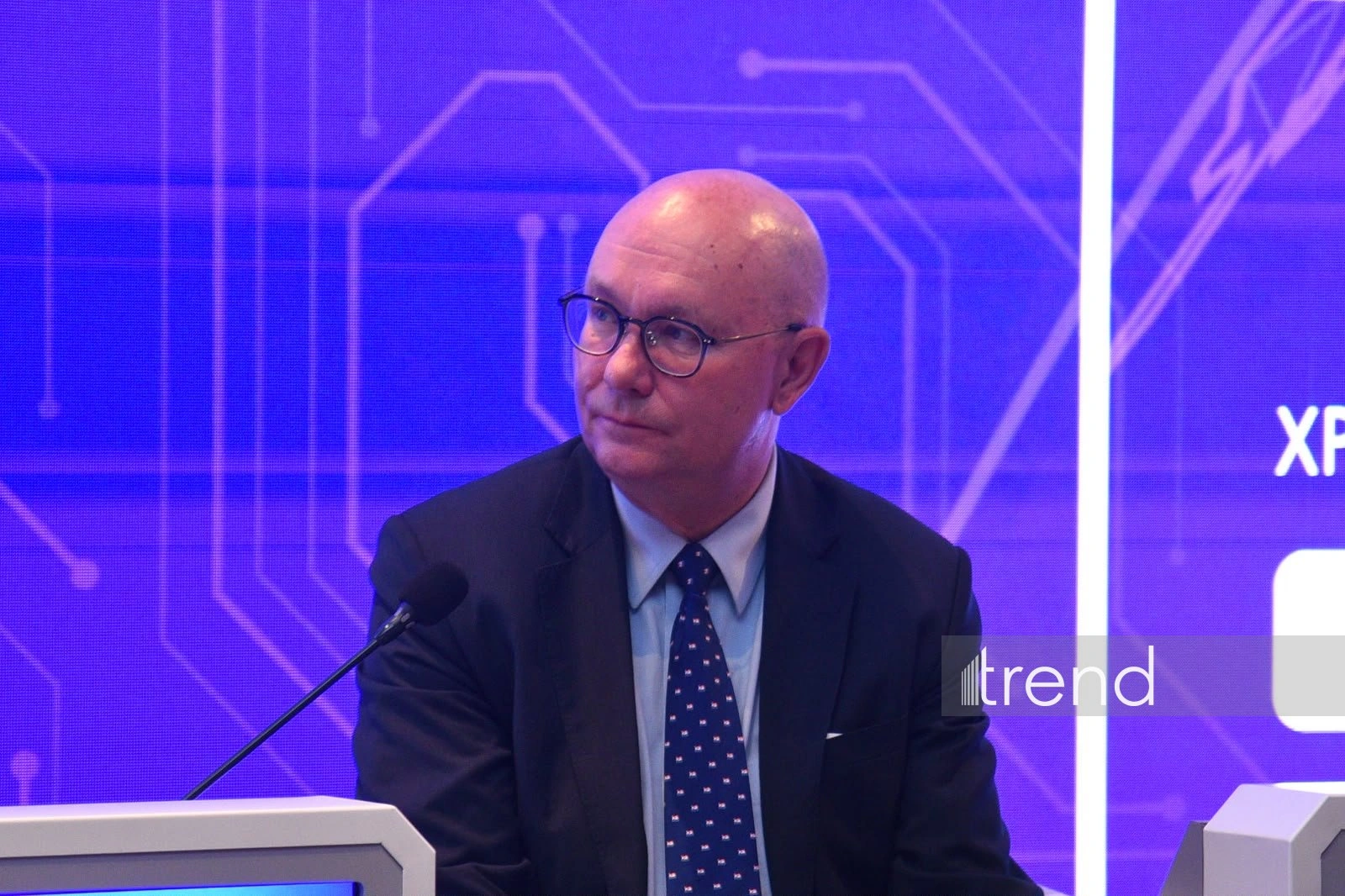
Speaking at the 11th Azerbaijan International Insurance Forum in
Baku, Matti Leppäla, Secretary General and CEO of PensionsEurope,
said that although each European country has its own pension
framework, many of the underlying problems are shared.
He noted that countries such as France, Italy, and Spain rely
primarily on state-financed pay-as-you-go pension systems, while
several other European states have long implemented funded pension
schemes. Voluntary individual pension savings are also playing an
increasingly important role across both national systems and
EU-level policy discussions.
Leppäla said pension reform debates have gained urgency amid
population aging, labor market shifts, and the rise of informal
employment.
“In Europe, the number of self-employed workers, platform-based
workers, and gig economy participants is increasing. Many of them
are excluded from pension systems that have traditionally covered
standard employees,” he said.
He also pointed to growing fiscal pressures on governments and a
decline in public trust in state institutions compared with earlier
periods.
“The key issue is not only how pensions will be paid tomorrow,
but how trust in pension systems can be maintained over decades,”
he said.
Leppäla outlined the diversity of pension models across Europe,
noting that countries such as Switzerland, the Netherlands,
Denmark, and Sweden rely significantly on funded occupational
pension schemes as a second pillar alongside public social security
systems.
He said Scandinavian countries in particular have developed a
strong three-pillar model combining state pensions, occupational
schemes, and voluntary private savings.
“These countries have successfully combined state and funded
elements. In Sweden especially, individual pension savings play a
significant role in the overall system,” Leppäla added.