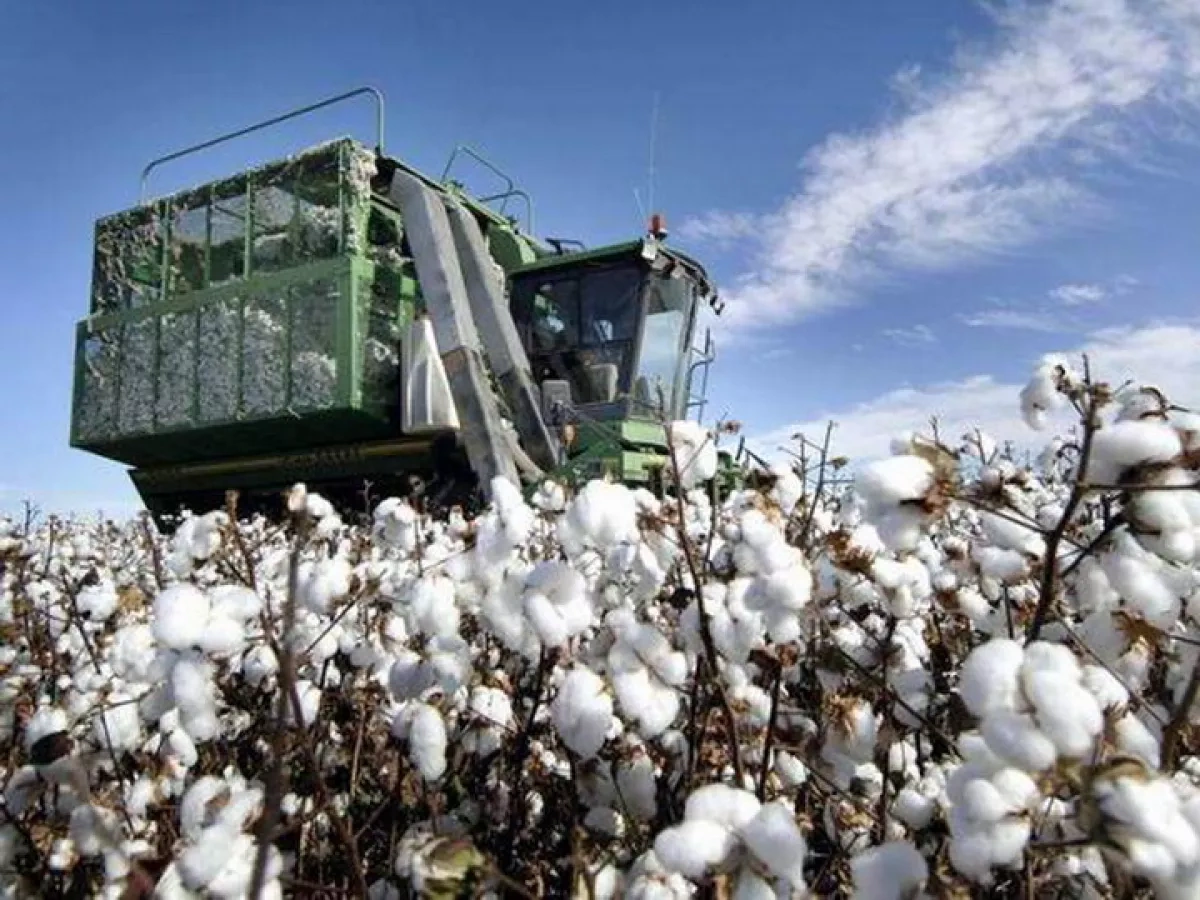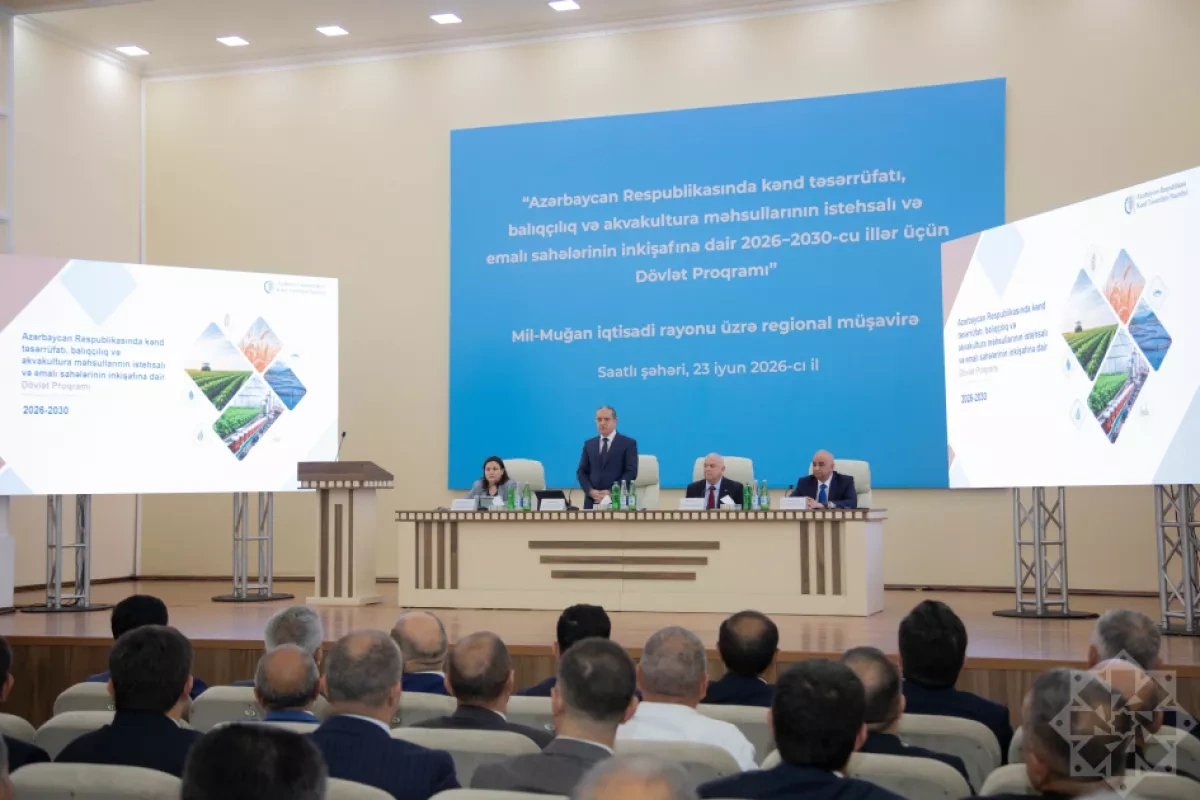
On June 23, a hall in Saatli (Azerbaijan) brought together those who, over the next five years, will be accountable not for figures on paper, but for the harvests produced in the fields. This was not the first such meeting — a series of regional consultations on the new State Programme for the Development of Agricultural, Fisheries and Aquaculture Production and Processing for 2026–2030 continues to be held across the country. In the Mil-Mughan economic region, where wheat and cotton have historically underpinned the local economy, the discussion was particularly practical and focused.
The meeting was opened by Natig Amirov, Assistant to the President of the Republic of Azerbaijan and Head of the Economic Policy and Industrial Affairs Department of the Presidential Administration, who immediately set a firm tone.
“I would like to make it clear that the primary responsibility for carrying out the organisational work related to the implementation of the State Programme rests with the local executive authorities and all structures operating within this system,” he stated, leaving no room for ambiguity.
Amirov stressed that local executive heads are expected to do more than simply attend meetings — they are required to deliver concrete results. In cooperation with relevant agencies, they must establish target indicators for key areas of the agricultural sector, ensure the preparation of socio-economic development programmes for each district for 2026–2030, and communicate available support measures to farmers on the ground — from the establishment of processing facilities and cold-storage warehouses to the expansion of modern irrigation systems. He placed particular emphasis on cotton and grain yields, noting that these are the areas with the greatest potential for growth.
The Presidential aide described the promotion of the State Programme among farmers as a daily responsibility of local executive authorities rather than a one-off campaign.
“The foundation of efforts to promote the State Programme should be the speech delivered by Mr President at the meeting devoted to agricultural issues. Every employee of city and district executive authorities, including representatives of local executive heads in the regions, must study this speech thoroughly and rely on it in their outreach and awareness-raising activities,” he stressed, adding that all available local resources should be mobilised for this purpose.
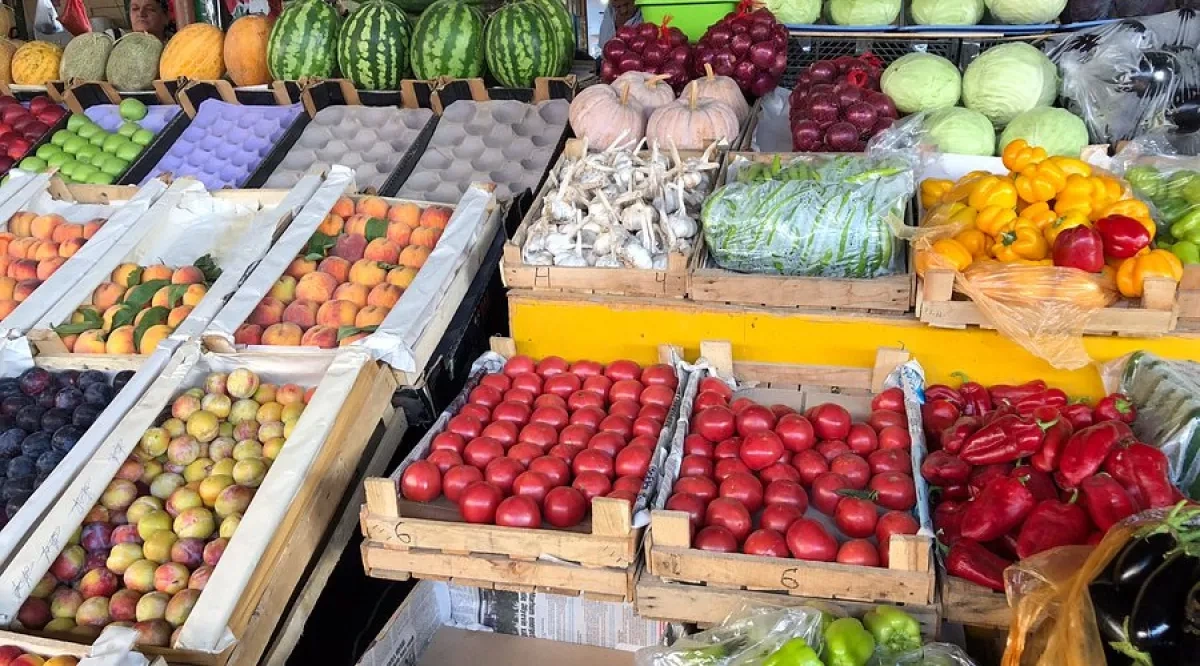
Nor was there any attempt to overlook what has already been achieved. Amirov noted that Azerbaijan is now fully self-sufficient in fruits, vegetables and eggs — the result of reforms implemented in recent years that have boosted both the production and export potential of these traditional sectors. Against this backdrop, the goal of increasing grain and cotton output appears not as an abstract aspiration, but as the next logical step along the same trajectory.
The floor then passed to Deputy Minister of Agriculture Ilhama Gadimova, who cited a figure that commanded attention. Funding for the State Programme will amount to 5.9 billion manats ($3.5 billion), of which 2.2 billion ($1.3 billion) will come from the state budget and 3.7 billion ($2.2 billion) from the private sector. Just a week ago, the programme's value was estimated at 5 billion manats ($3 billion). The increase within a matter of days is not a mere technical adjustment, but confirmation that the programme's priority status continues to grow as Ministry of Agriculture working groups refine their calculations.
Gadimova highlighted an area that had never featured so prominently in previous agricultural programmes: digitalisation. The Electronic Agriculture Information System (EKTIS) will be expanded through the development of information-driven subsystems, while artificial intelligence solutions are expected to become part of the sector's day-to-day management.
“Databases, electronic systems, satellite monitoring, indicators on land and water resources, as well as actual yield data, play an important role in decision-making,” the deputy minister explained, outlining a shift from intuition-based farm management to a data-driven approach.
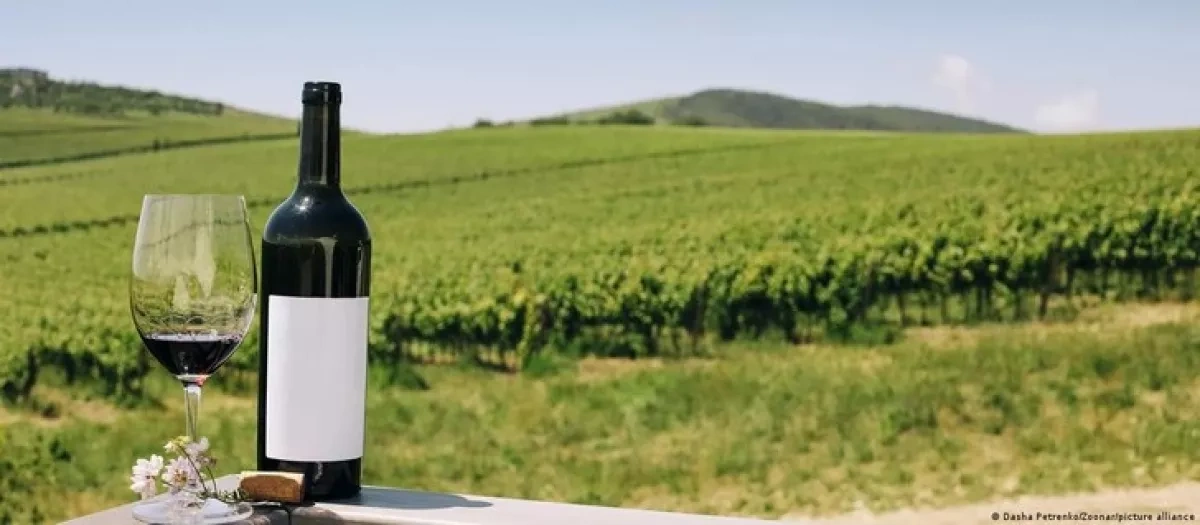
Another major topic was boutique winemaking, which Gadimova directly linked to the development of agritourism.
“Increasing the number of small wineries is of great importance for our country, including from the perspective of agritourism. Small wineries, or so-called boutique winemaking enterprises, contribute both to the development of family-run farms and to the production of export-oriented goods,” she noted.
Under the State Programme, the number of such enterprises is expected to increase from five to twenty over the next five years. The initiative will be open to all owners of vineyards, who will be able to benefit from support for planting technical grape varieties, as well as access to loans and incentives for winery equipment.
Aquaculture was assigned equally concrete targets. While production in the sector stood at 3,400 tonnes in 2025, the programme envisages an increase to 7,700 tonnes by 2030 — more than doubling output. Gadimova noted that fisheries have now been institutionally integrated into the agricultural sector, meaning they will be eligible for the same support mechanisms, including subsidies, incentives for technology and equipment, and updates to the regulatory framework aimed at bringing operations fully into the legal economy.
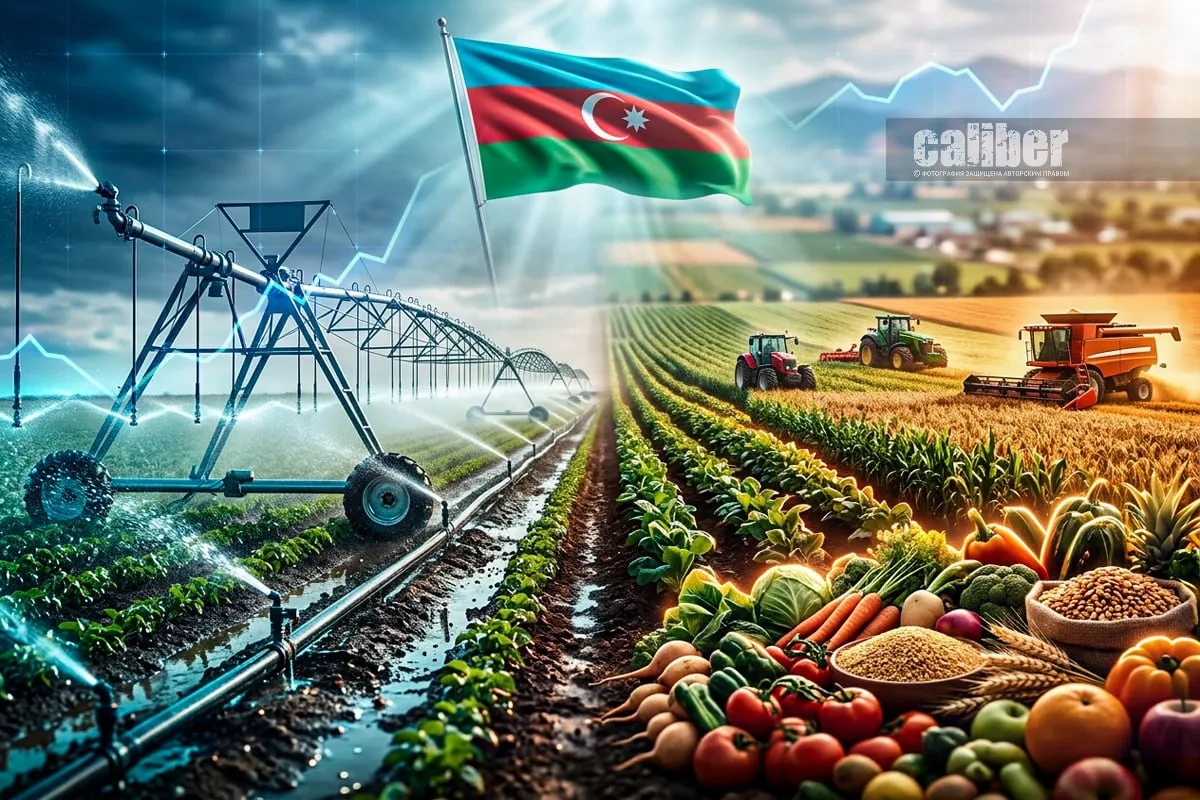
Responding to journalists’ questions, the deputy minister returned to the specifics of the Mil-Mughan economic region, where wheat and cotton remain the priority crops. The objective is to raise yields of both crops to 50 centners per hectare, to be achieved through the same set of measures being promoted in other grain-producing regions: modern irrigation systems, advanced technologies, and targeted state support.
“Entrepreneurs who responded to the call also shared their views. In addition, during the process, a number of proposals and questions raised by farmers were heard and addressed,” Gadimova noted, indicating that the meeting was not limited to official presentations but also incorporated feedback from participants.
Running through the deputy minister’s remarks was a central message that, in many ways, explains the logic behind the entire programme.
“We can no longer think of agriculture in its classical sense. Modern agriculture unequivocally requires the introduction of advanced innovative technologies, because today it is simply impossible to achieve high yields by any other means,” she said, stressing that climate change and the current international environment have made adaptability not an option, but a necessity.
According to Gadimova, the ultimate goal is to build a fully integrated value chain in which production is linked to processing and related industries, allowing farmers to increase their income not through a single stage of activity, but through the entire chain as a whole.
The meeting in Saatli concluded with much the same impression as the previous gatherings in the series: the targets have been set, responsibilities assigned, and alongside grain and cotton, wine and fish have now been added to the list of priorities—areas that featured far less prominently in agricultural policy discussions in years past. The next meeting in the series will show whether this momentum can be sustained throughout the five-year programme.
By Kheyraddin Nasirzade