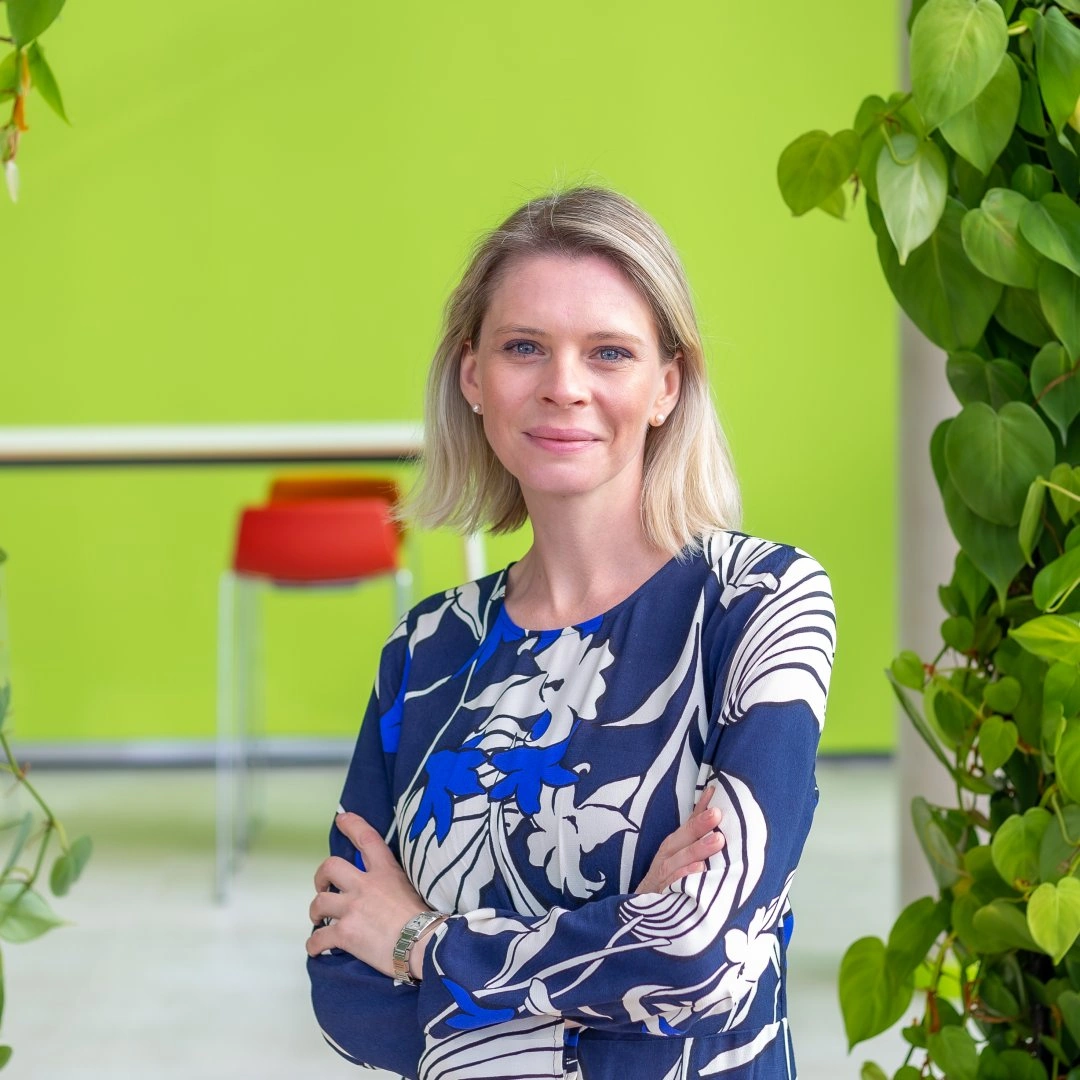
BAKU, Azerbaijan, May 22. The 13th session of
the World Urban Forum (WUF13) in Baku is expected to strengthen
connection between urban policy and land stewardship, Chief
Communications, External Relations and Partnerships for the United
Nations Convention to Combat Desertification (UNCCD) Xenya Scanlon
said in an exclusive interview with Trend on the sidelines of the
forum.
“WUF13 comes at a critical moment, as cities face growing
pressure from climate change, drought, land degradation and rapid
urban expansion. UNCCD is bringing a simple message to Baku:
healthy land underpins food and water security, economic stability
and more resilient cities. In other words, sustainable urban
development cannot happen if the ecosystems surrounding cities are
degraded. UNCCD has consistently emphasized that land degradation
and drought are no longer only rural issues. They increasingly
affect cities through their impacts on water availability, food
prices, infrastructure, migration and public health,” she said.
Scanlon noted that the discussions at WUF13 and the World Cities
Report 2026 highlight the importance of better land governance and
climate-resilient urban development.
“This is why integrated territorial planning that connects
cities, peri-urban areas and rural landscapes is becoming
essential. We see WUF13 as an important opportunity to strengthen
the connection between urban policy and land stewardship. Urban
planning, housing, transport and infrastructure decisions all
influence how land and water resources are managed. As cities
become hotter and drier, these decisions will increasingly shape
resilience to drought, water stress and extreme heat. Cities can
either accelerate land degradation through unsustainable expansion,
or become powerful drivers of restoration, adaptation and more
efficient resource use through measures such as drought-adapted
urban greening, smarter water management and nature-based
solutions,” she noted.
UNCCD representative expressed hope that the Forum will help
advance more integrated approaches linking land restoration,
drought preparedness and adaptation and inclusive urban
development, while strengthening partnerships between governments,
development institutions, local authorities and the private
sector.
“Building more resilient cities will require stronger
cooperation between governments, local authorities and
international partners. On its part, UNCCD is engaging with
partners through initiatives such as the to help advance
drought-resilient urban greening and climate adaptation in dryland
cities. This builds on the Riyadh Call adopted at COP16, which
emphasized the role of local and regional governments in addressing
desertification, land degradation and drought. And in the lead-up
to COP17, UNCCD is also working closely with UN-Habitat to
strengthen engagement with local authorities and connect urban
development discussions with land and drought resilience,” she
added.
Scanlon went on to add that UNCCD is supporting a range of
initiatives that can help countries restore degraded land,
strengthen drought resilience and improve long-term water and food
security.
“A major priority is helping countries move from crisis response
to prevention through stronger land governance and drought
preparedness. Another key area is scaling up investment in land
restoration and sustainable land management through stronger
partnerships between governments, development institutions and the
private sector. This includes initiatives such as the Riyadh Global
Drought Resilience Partnership, which aims to support vulnerable
countries in implementing national drought plans, and Business 4
Land, which seeks to reinforce private sector engagement in land
and drought action,” she said.
The UNCCD representative believes that countries like Azerbaijan
can play an important role by advancing practical approaches that
connect sustainable urban development with responsible land and
water management and climate resilience.
“WUF13 provides an important opportunity to strengthen
international cooperation around these shared priorities,” she
added.
Further, Scanlon noted that land degradation and urban expansion
are increasingly interconnected challenges —particularly as many
cities are becoming more vulnerable to extreme heat, erratic
rainfall and water stress.
“With cities expected to absorb nearly 2 billion additional
residents by 2050, pressure on land, water and surrounding
ecosystems will intensify significantly. Rapid and often unplanned
urban growth can lead to the loss of fertile agricultural land,
soil sealing, deforestation and growing pressure on water
resources. At the same time, degraded land around cities weakens
resilience to droughts, floods, heatwaves and food insecurity.
UNCCD has highlighted that unsustainable land use and poorly
managed urbanization can create a cycle of environmental and social
vulnerability. As land becomes less productive and water stress
intensifies, cities face rising food prices, infrastructure
vulnerability, health risks and growing inequality. Informal
settlements are often particularly exposed to environmental
degradation and climate-related shocks,” she explained.
Scanlon pointed out that these pressures also affect migration and
displacement patterns.
“Land degradation and drought can undermine rural livelihoods,
contributing to forced migration and increased pressure on urban
areas that may already struggle with housing, services and
employment. Globally, up to 40 per cent of land is already
degraded, while droughts have increased by nearly one-third since
2000. Sustainable city development therefore depends not only on
urban infrastructure, but also on protecting and restoring the
landscapes, soils and water systems that sustain urban economies
and communities,” she said.
Scanlon believes that cities are central to the solution.
“Urban planning can reduce pressure on land through compact,
resource-efficient and climate-resilient development. Protecting
watersheds, restoring urban and peri-urban ecosystems, integrating
green infrastructure and improving land-use planning all help
strengthen resilience to drought and extreme heat,” she said.
Scanlon went on to add that UNCCD has emphasized the importance of
integrated territorial planning that connects urban and rural areas
rather than treating them separately.
“Healthy surrounding landscapes are essential for water
regulation, food production, biodiversity and climate resilience in
cities. Better land governance and secure land tenure are also
important to support inclusive urban development, particularly in
rapidly expanding peri-urban areas. Cities also have an important
role to play in driving solutions. They can help mobilize
investment in restoration and sustainable land management through
public-private partnerships, green infrastructure and local climate
action. In many cases, land restoration is one of the most
cost-effective ways to strengthen resilience and improve quality of
life,” she explained.
The UNCCD representative noted that other approaches include
drought-adapted urban greening, urban agriculture, water-sensitive
urban design and other nature-based solutions that help reduce heat
stress while improving water management.
“Initiatives such as the previously mentioned Trees in Dry
Cities Coalition are helping advance practical approaches to
climate adaptation in dryland cities,” she said.
Scanlon noted that land degradation and drought are global
challenges that require stronger international cooperation across
finance, policy, technology and knowledge-sharing.
“While vulnerable dryland regions are often the hardest hit, no
country is immune to the economic and social impacts of water
stress, food insecurity and ecosystem decline. A key priority is
shifting from crisis response to proactive resilience-building.
Investing in drought preparedness, sustainable land management and
restoration is far more cost-effective than responding repeatedly
to crises after they occur.
International cooperation must also better align financing,
policies and incentives across the land, climate, biodiversity and
development agendas, while strengthening partnerships between
governments, cities, multilateral institutions, the private sector
and local communities. In this context, UNCCD COP17 in Mongolia
will be an important platform for international cooperation. It
will help mobilize partnerships, finance and practical solutions to
accelerate action on land restoration and drought resilience, while
strengthening engagement with cities and local authorities, in line
with the Riyadh Call adopted at COP16,” she concluded.