BAKU, Azerbaijan, May 21. On May 21, Anar
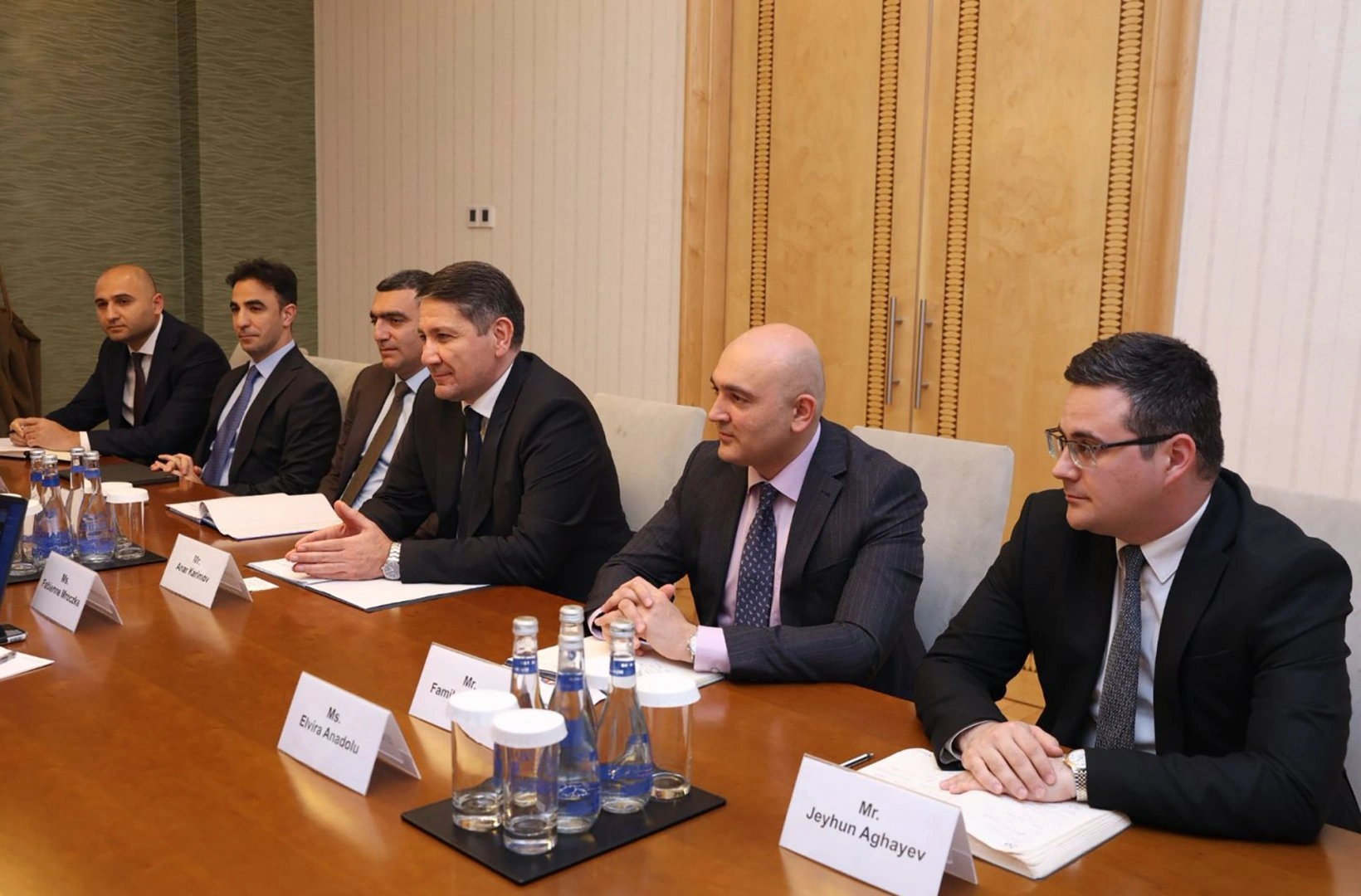
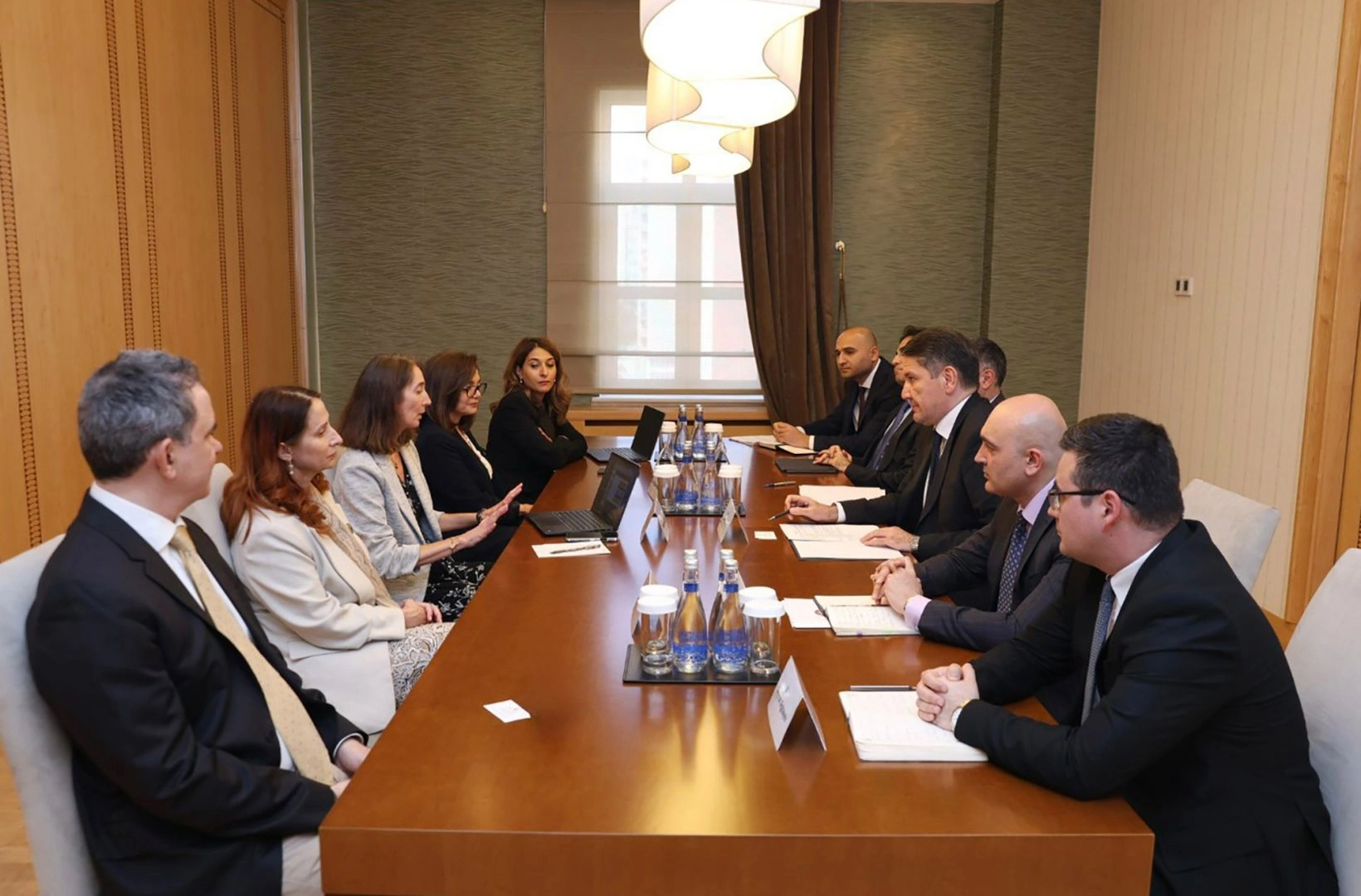
Karimov, First Deputy Minister of Finance of the Republic of
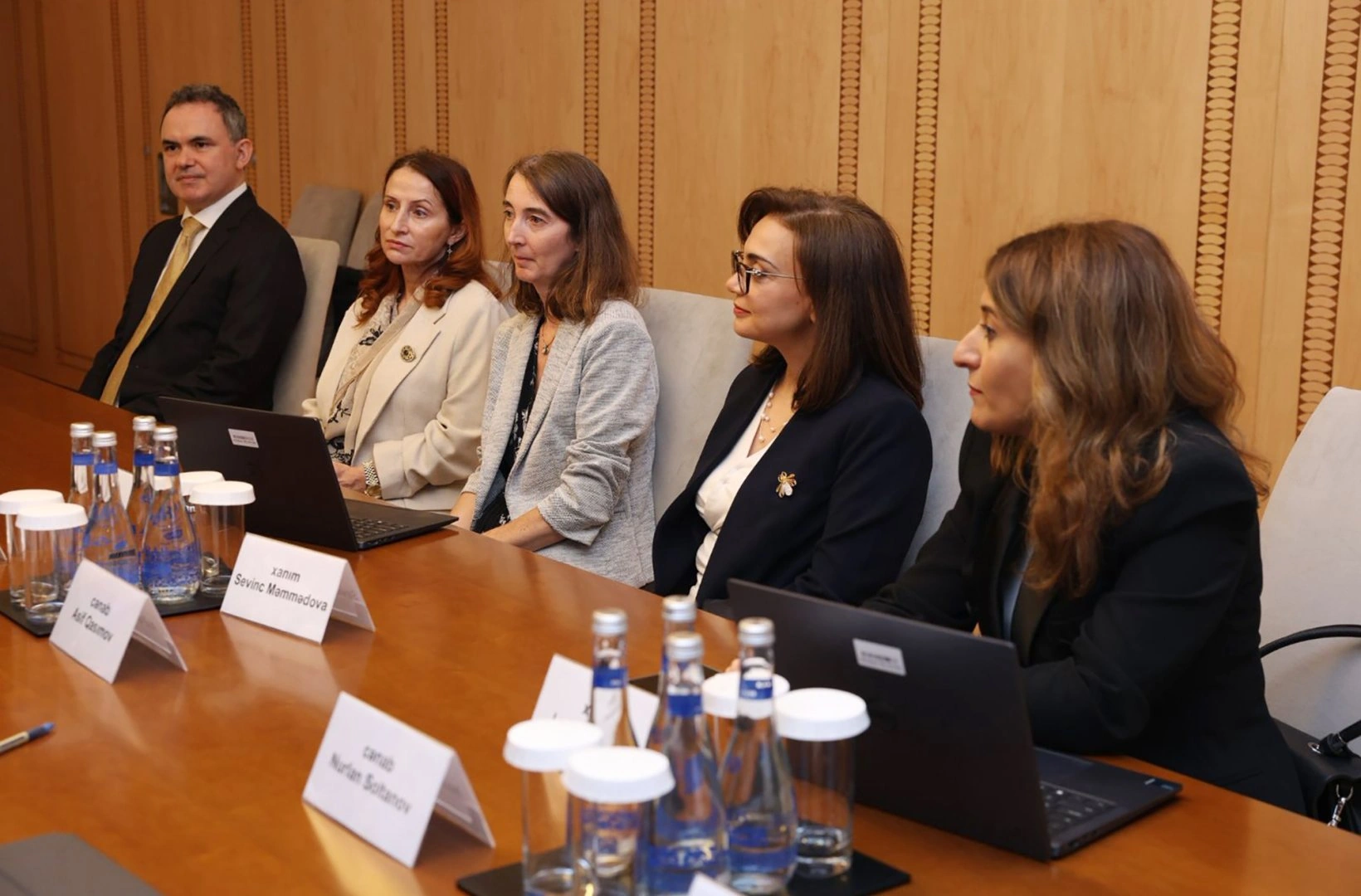
Azerbaijan, met with a delegation led by Fabienne Mroczka, Senior
Public Sector Specialist at the World Bank, and discussed
cooperation in the field of public financial management and
results-oriented budgeting mechanisms, Trend reports, citing the Ministry of
Finance.
Meanwhile, the meeting addressed the implementation of the
“Program to Strengthen the Capacity of Azerbaijan’s Medium-Term
Budget Framework,” jointly supported by the World Bank and the
Swiss State Secretariat for Economic Affairs (SECO), as well as the
program’s final results and prospects for further cooperation.
Anar Karimov noted that the long-term and effective cooperation
established between Azerbaijan and the World Bank in the field of
public finance management is of great importance for strengthening
fiscal discipline, strategic budget planning, and the application
of results-oriented management mechanisms. It was noted that,
within the framework of the implemented program, significant
results were achieved in strengthening the country’s medium-term
budget framework, improving strategic budgeting practices, and
accelerating the transition to a program-based budgeting
approach.
The meeting also focused on the work being done in collaboration
with the World Bank to advance digitalization and digital
transformation in public financial management. In this context, the
key measures taken to analyze and modernize the digital ecosystem
for public financial management and to implement state-of-the-art
information systems were highlighted.
In turn, Fabienne Mroczka noted the high level of cooperation
between the World Bank and Azerbaijan and emphasized that the
reforms implemented have played an important role in modernizing
the public financial management system, expanding results-oriented
budgeting mechanisms, and strengthening institutional capacity.
The meeting also addressed the application of program-based and
results-based budgeting mechanisms in the health, youth and sports,
culture, and media sectors; the organization of training for
representatives of relevant government agencies; and the transition
process to program-based budgeting in these areas. In addition, the
importance of further institutionalizing program-based and
results-based budgeting processes, strengthening monitoring and
evaluation systems, managing fiscal risks, and expanding
opportunities for digital transformation and analytical forecasting
was emphasized.