BAKU, Azerbaijan, May 19. Construction work
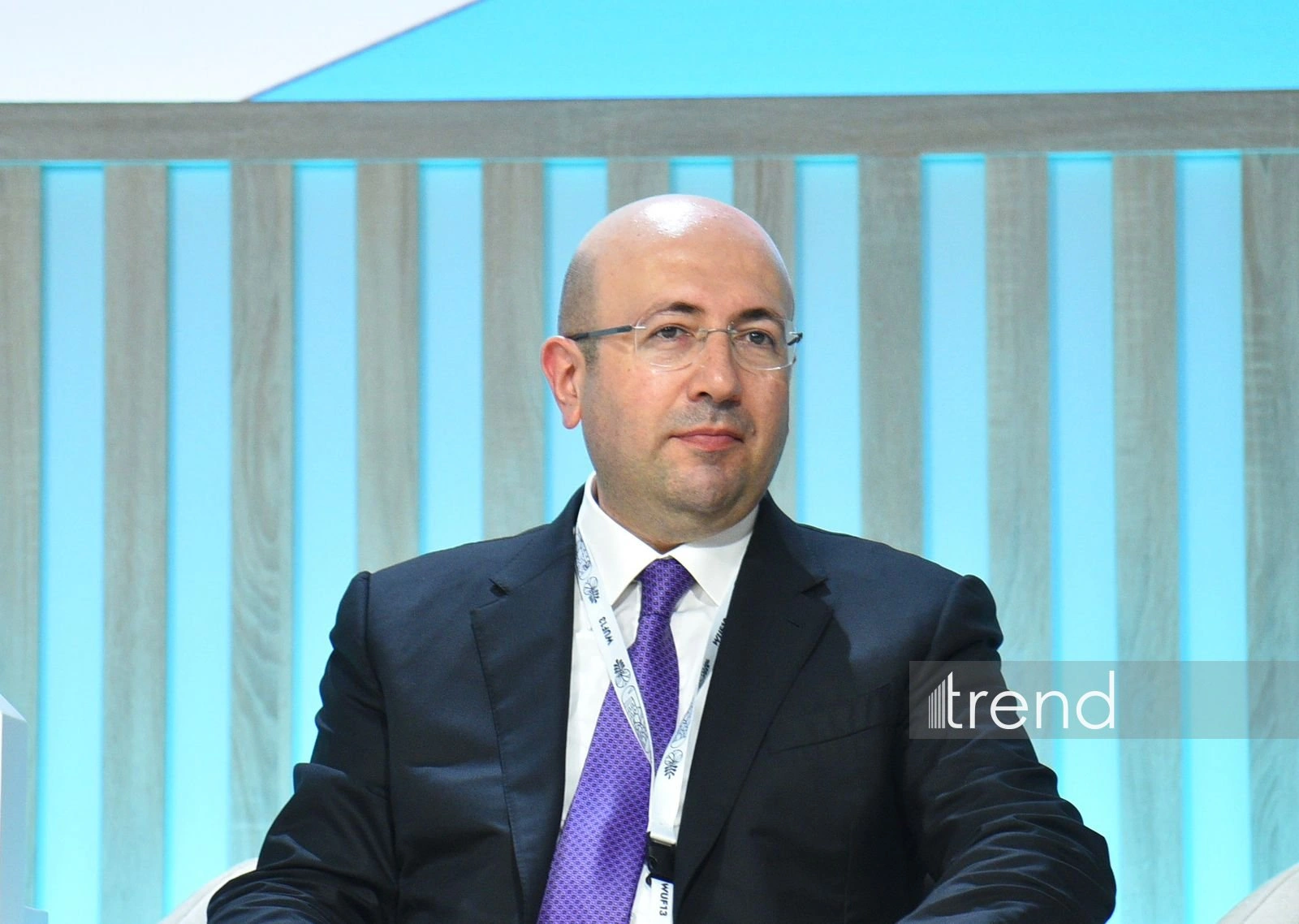
continues in more than 40 liberated villages of Azerbaijan, WUF13
National Coordinator, Chairman of the State Committee for Urban
Planning and Architecture, Anar Guliyev, said during an event
"Cities at the heart of connectivity: Urban reconstruction and
regional cooperation" within the framework of WUF13, Trend reports.
He noted that the main issue is the introduction of new projects
for the creation of small-scale, national economy-based and
sustainable communities.
According to him, so far, urban planning experts and architects
from 12 different countries around the world have participated in
this process, contributing to the integration of planning, modern
infrastructure, economic responsibility and inclusive
development.
"Azerbaijan is working to create sustainable connections and
future-oriented communities throughout Central and Eastern Europe.
We highly value international dialogue, cooperation and exchange of
experience.
"Each village project in the liberated territories includes
education, health and administrative buildings, as well as full
communication networks, including broadband internet. Currently,
approximately 20,000 people live in the rural areas of the
liberated territories. Construction work is ongoing in more than 40
villages, reflecting the scale and intensity of the reconstruction
process. Hundreds of new houses are being built as part of ongoing
settlement and infrastructure programs. More than 85,000 people
currently live, work and study in 10 cities, 3 settlements and 30
villages in the Karabakh and Zangezur regions," he noted.
The third day of the 13th session of the World Urban Forum
(WUF13) is underway in Baku.
On the first day, a ministerial meeting dedicated to the New
Urban Agenda, a roundtable of ministers, assemblies of women and
civil society, business sessions, and discussions on urban
well-being were held. A ceremony for raising the flags of the
United Nations and Azerbaijan also took place within the framework
of the forum.
The second day of the forum drew attention with the first-ever
Leaders Summit. High-level discussions on the global housing
crisis, urbanization policy, and urban resilience were held that
day. At the same time, the Mexico City pavilion was inaugurated
within the framework of WUF13. The pavilion was presented as an
important platform for expanding cooperation with the Latin
American region and preparing for WUF14.
WUF13, which has attracted more than 40,000 registered
participants from 182 countries, will continue until May 22. Held
under the theme “Housing the world: Safe and resilient cities and
communities,” the forum brings together governments, international
organizations, experts, and representatives of civil society to
strengthen global cooperation in the field of sustainable urban
development.