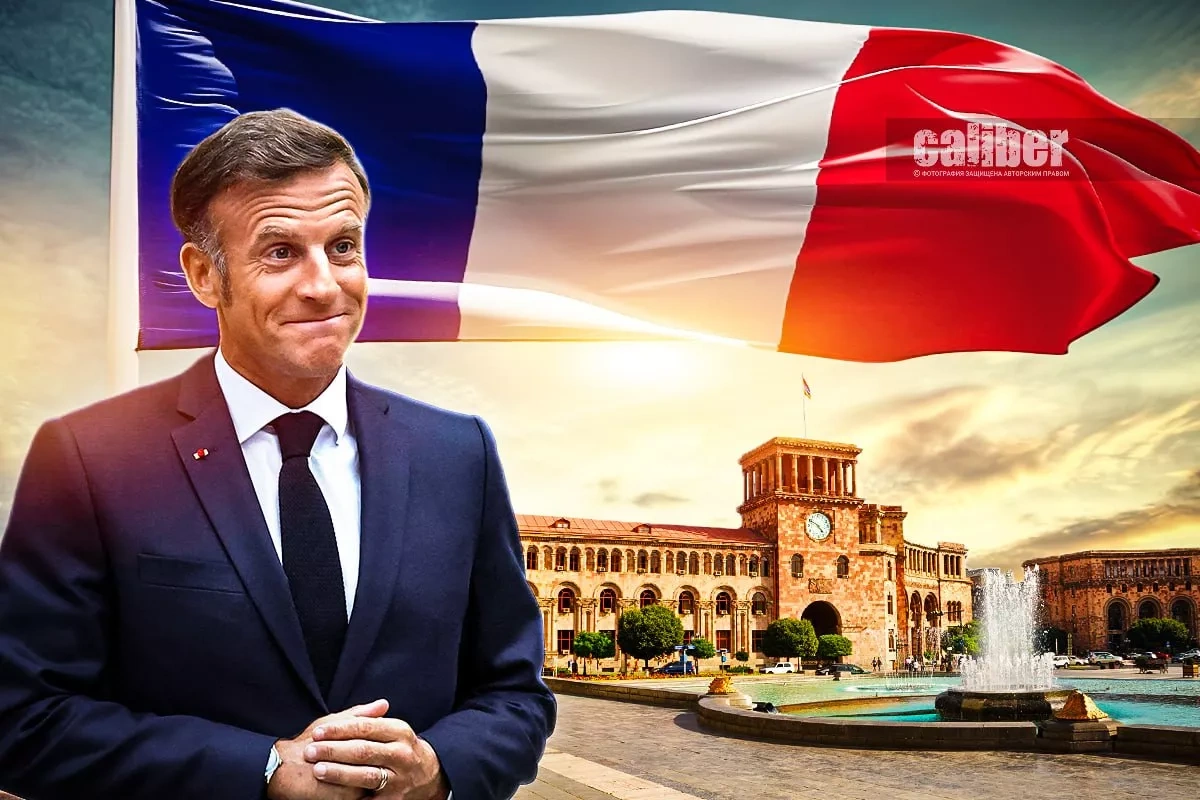
The events of recent weeks, and in particular the activities and statements of French President Macron during his recent visit to Yerevan, prompt reflections on the nature of the processes taking place in the South Caucasus. Macron’s behaviour and words were aimed at creating the impression that it was he who contributed to peace in the South Caucasus, allegedly by standing up for Armenia against “aggressive” Azerbaijan. This specifically referred to the events of autumn 2022 and the first European Political Community summit in Prague, where Azerbaijan and Armenia reached an agreement on mutual recognition of each other’s territorial integrity based on the 1991 Almaty Declaration.
The French president, who at that event was sitting next to the leaders of Azerbaijan and Armenia, is now trying to make everyone believe that this historic agreement was his achievement. Among other things, Macron said the following: “Many in Europe and elsewhere looked at us strangely for supporting Armenia so unequivocally. But if we stood by you and said all this, it was because it was just, because the struggle your country, your people have always waged throughout history was a just struggle — in the face of genocide, invasions, and at that time — in the face of threats to your territorial integrity and sovereignty.”
Thus, Macron is not only brazenly misleading the global audience, not only diminishing our great victory, and not only attempting to steal the laurels of mediator from Donald Trump, but is also doing so at Azerbaijan’s expense, portraying the country as an aggressor. It is no coincidence that the President of Azerbaijan deemed it necessary to respond to this provocation.
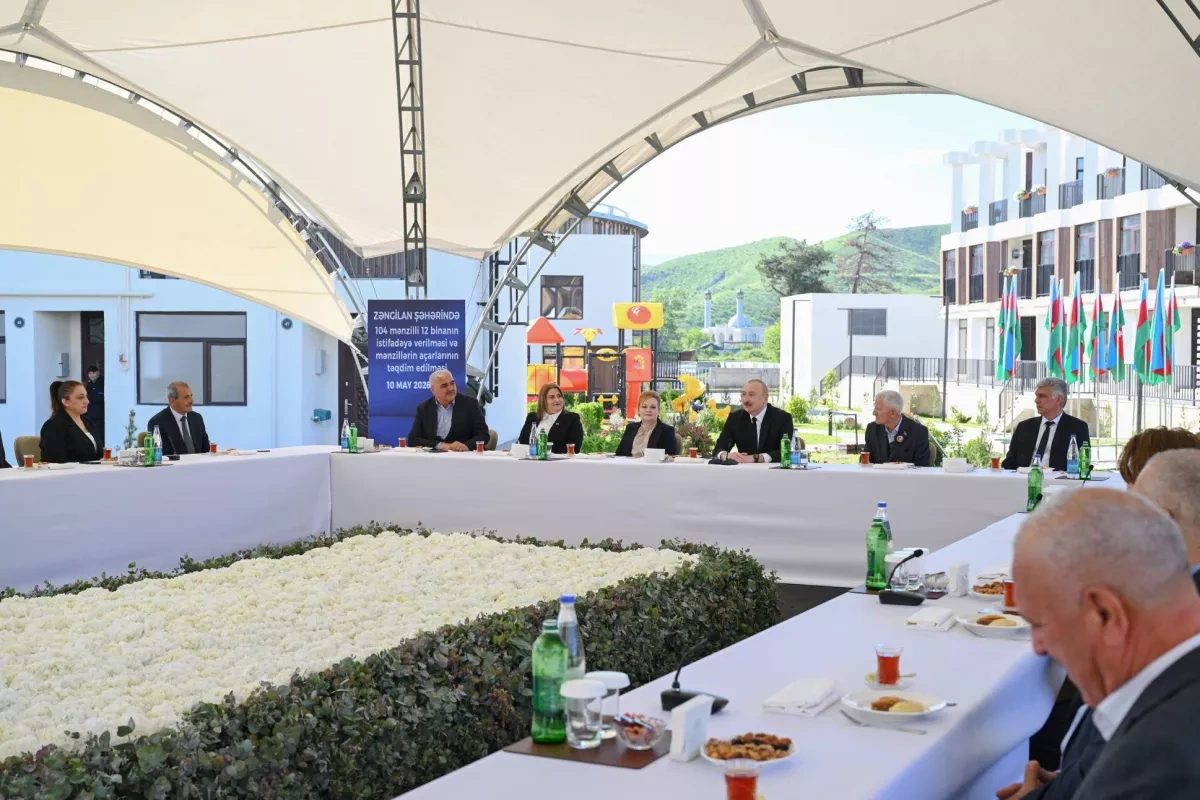
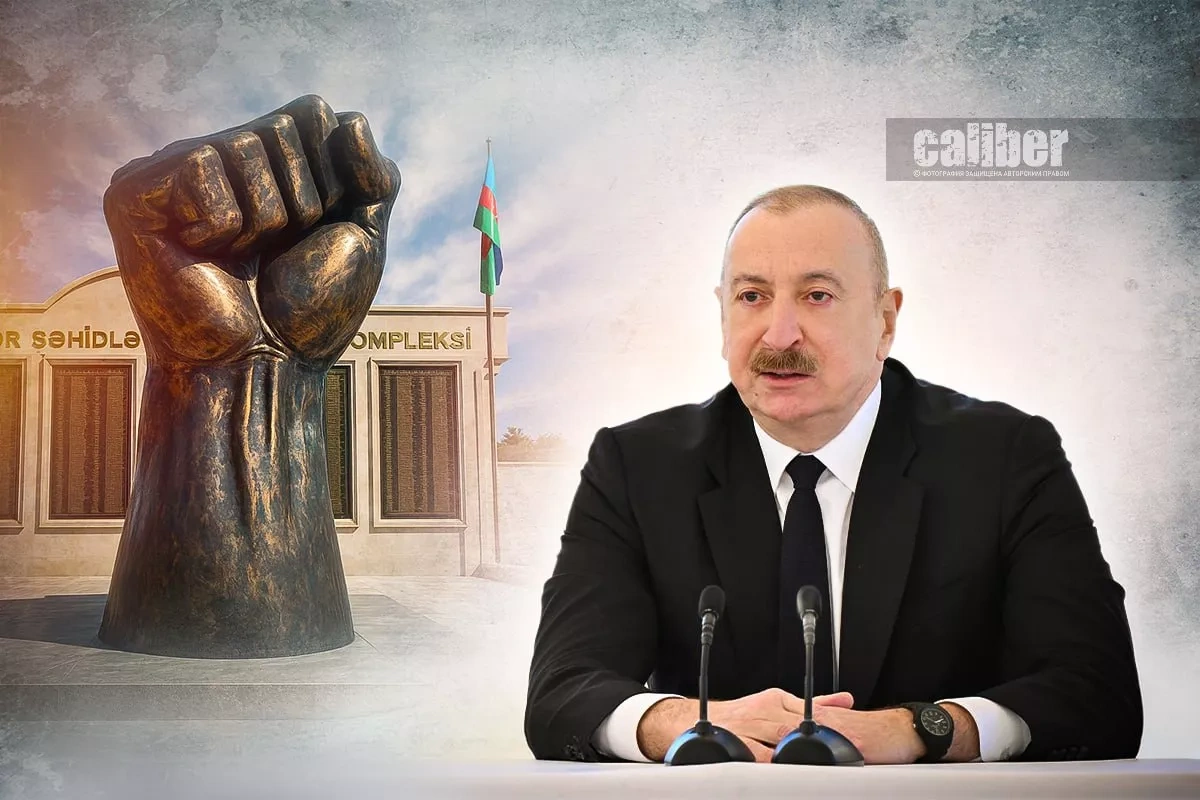
Speaking recently at a meeting with families who moved to the first residential complex in the city of Zangilan, he stated, among other things: “Certain foreign leaders who now visit Armenia and portray themselves as false heroes were the very same leaders in power in their own countries in 2020—they should have come then and stood up for Armenia. There is nothing but empty rhetoric. That is all they engage in, which is why their approval ratings in their own countries remain at just 10–15 per cent. Now they allegedly claim to have rescued Armenia from our hands. We had no intention of destroying Armenia or depriving it of its independence.”
Meanwhile, all events demonstrate that Azerbaijan did not merely punish the aggressor and occupier, but also acted as an initiator of peace, proposing the well-known five-point framework for a peace settlement with Armenia, based on mutual respect for sovereignty and territorial integrity.
It is also necessary to recall that Armenia did not immediately agree to this fair
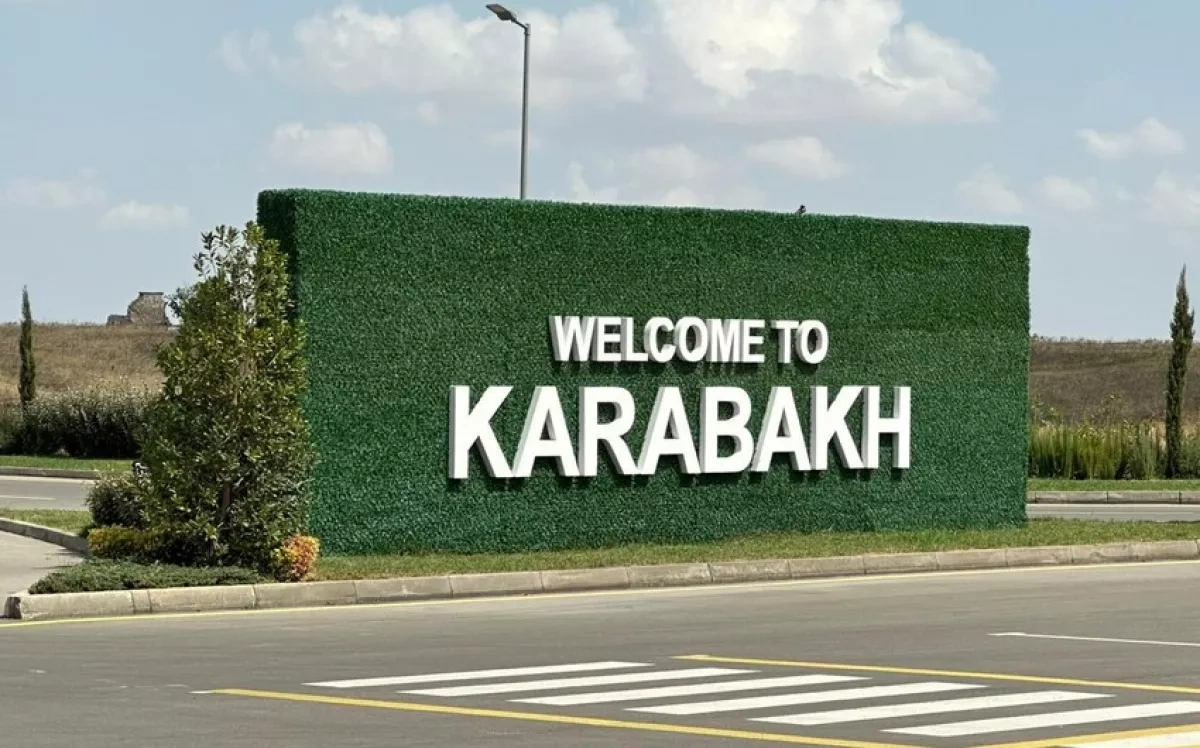
And it was only Baku’s firm resolve, through a one-day counter-terrorism operation, that ultimately restored Azerbaijan’s full sovereignty over the Karabakh region.
The restoration of Azerbaijan’s sovereignty and territorial integrity is a victory of historic scale and contains several important dimensions. After the collapse of the USSR, Moscow retained leverage over the South Caucasus by supporting separatist entities in Georgia and Azerbaijan. Armenia’s occupation of Karabakh effectively meant the preservation of a status quo that had already lasted for more than a century and a half, during which Russia consolidated its geopolitical presence in the Caucasus through the annexation of Azerbaijani khanates and the mass resettlement of Armenians into the Karabakh and Erivan khanates from the Qajar state and the Ottoman Empire.
The occupation of Karabakh was preceded by the persecution and removal of national leader Heydar Aliyev from political and party positions in the Soviet Union, which in effect symbolised the activation of the “Karabakh movement.”
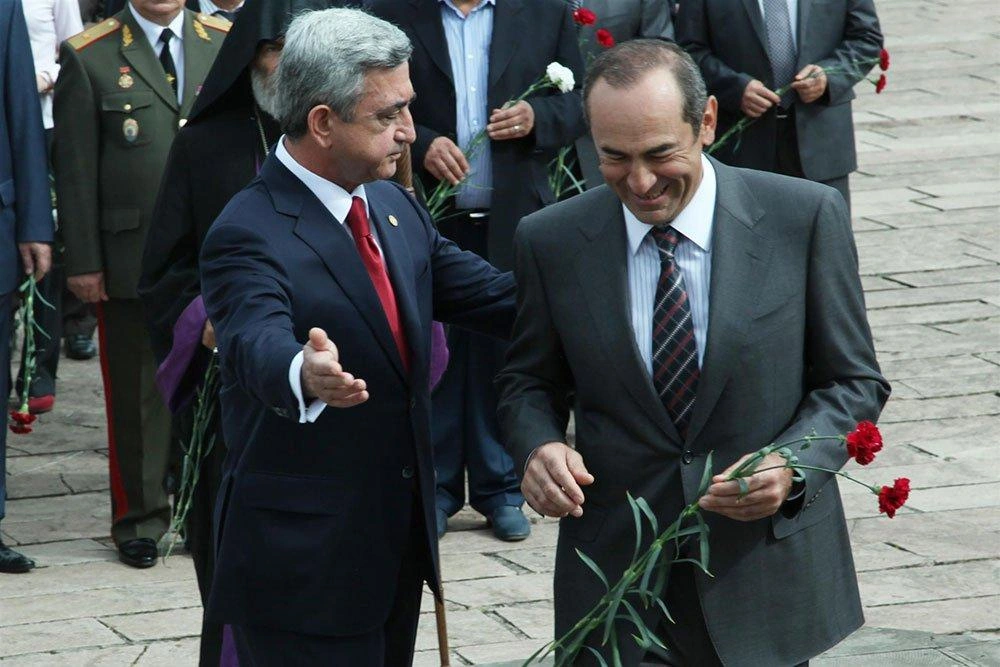
Azerbaijan, under President and Commander-in-Chief Ilham Aliyev, not only defeated these forces and removed figures such as Kocharyan and Sargsyan from the political stage, but also broke a nearly two-century-old status quo of historical injustice against Azerbaijan. The significance of this victory also lies in the fact that it offers the Armenian people a chance to finally free themselves from the constraints of colonial governance and achieve full subjectivity in world politics.
The irony of the situation is that the role of Russia in managing the conflict in the region is now being attempted to be taken over by the EU, and even more so by France. It is no coincidence that France is the main sponsor of the so-called EU civilian mission in Armenia, which Paris views as a kind of seed for a future expansion of military presence, for the subsequent subjugation of Armenia and its transformation into an instrument of neo-colonial policy under the banner of new crusaders.
Meanwhile, groups of Euro-observers, in addition to intelligence activities, periodically visit the border with Azerbaijan, demonstratively observing its positions through binoculars, as if confirming Macron’s narrative about protecting Armenia from a fabricated Azerbaijani threat.
However, Baku is not afraid of either the EU mission or Armenian revanchists. In the event of the latter coming to power or the emergence of new claims and provocations against it, Azerbaijan will take the necessary preventive measures.
In his aforementioned speech in Zangilan, Ilham Aliyev emphasised: “Today, Europe’s so-called observers are still supposedly monitoring the Azerbaijan-Armenia border. I said it then as well: if we fired a single shot, they would immediately flee, and not a trace of them would remain there. Yet they portray themselves as if they are protecting Armenia from us. There is no need to protect Armenia from us. We have achieved what we set out to achieve. Presenting themselves in Armenia [the EPC summit – Ed.] as false heroes, as though they stopped Azerbaijan—as if this ‘aggressive’ Azerbaijan would otherwise have destroyed Armenia—is complete nonsense. We never had such intentions, we do not have them now, and we will not have them in the future, provided that no new provocations are committed against us. However, we know that within Armenia’s political sphere there are still circles driven by hatred toward the Azerbaijani people and state, and if they come to power, it is the Armenian people who will suffer.”
The president’s statement once again confirmed that Azerbaijan is the initiator and guarantor of peace in the South Caucasus; that we do not need war for the sake of war, nor do we need lands recognised as belonging to Armenia under international law; that our army stops hostilities once its objectives are achieved and not on the instructions of third parties; and that it is immediately capable of resuming combat should even the slightest threat arise to our territorial integrity, statehood, and the lives of our citizens.