BAKU, Azerbaijan, February 23. The President of
the Republic of Azerbaijan has approved the United Nations (UN)
Convention against Cybercrime, Trend reports.
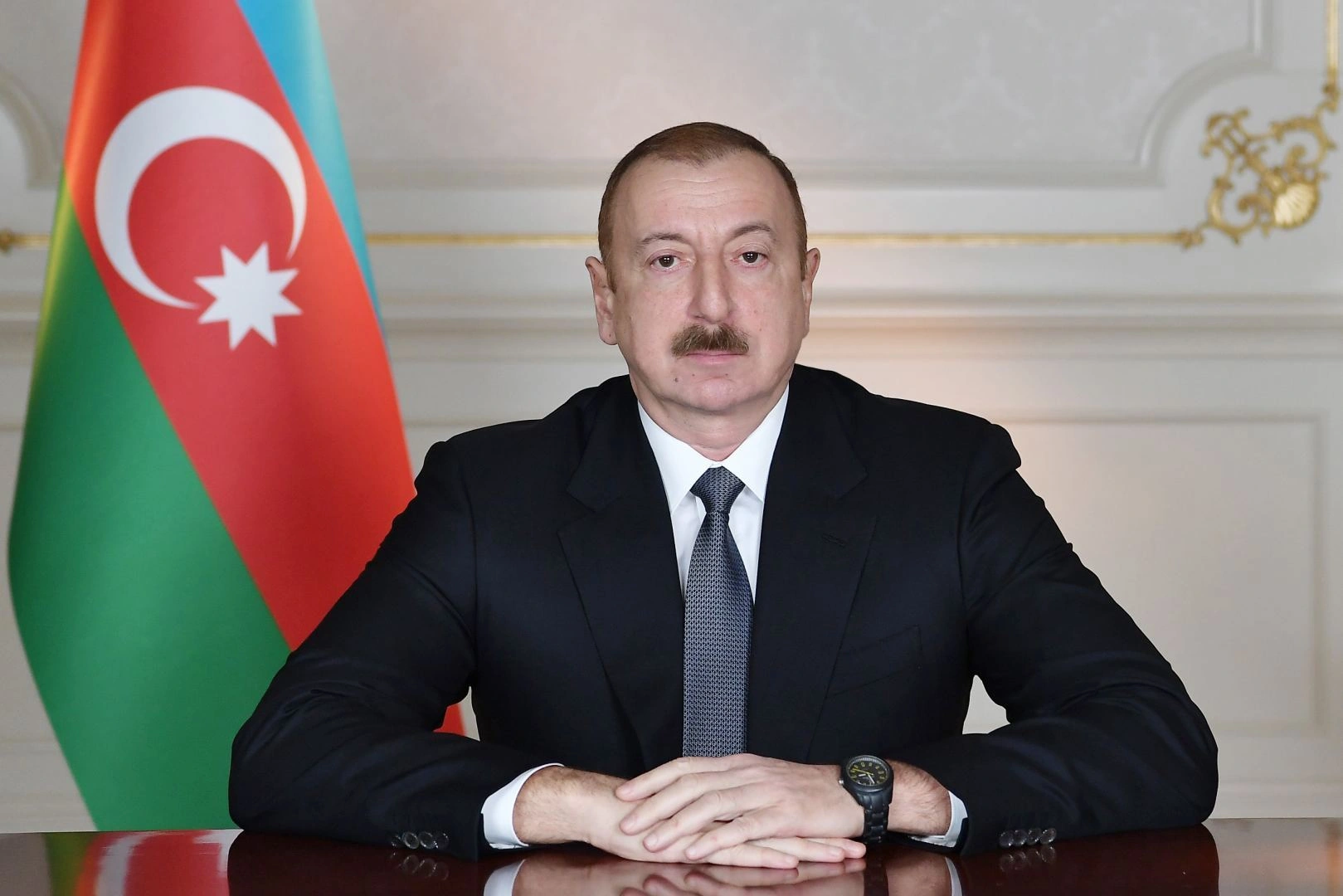
This is reflected in the law of the Republic of Azerbaijan on
the approval of the “Strengthening international cooperation in
combating certain crimes committed using information and
communication technology systems and in the electronic exchange of
evidence relating to serious crimes – United Nations Convention
against Cybercrime” signed by the President Ilham Aliyev.
According to the law, the convention signed in Hanoi on October
25, 2025, must be ratified with the relevant declarations and
reservations of Azerbaijan.
The UN has identified the fight against cybercrime as one of the
priority areas requiring international cooperation against the
cross-border criminal threats arising from the development of
information and communication technologies. In order to strengthen
legal cooperation between states in this direction, the convention
was opened for signature in Hanoi on October 25 last year.
The convention focuses on strengthening cooperation between
states in combating crimes committed using information and
communication technology systems, as well as forming a single legal
framework for the electronic collection, exchange, and preservation
of evidence relating to serious crimes. The convention envisages
the fight against cybercrime not only at the national level, but
also through international legal assistance, extradition, and
operational interaction mechanisms.
The main principles of the convention are the uniform definition
of concepts used in the field of cybercrime, the prevention of
loss, alteration, or destruction of evidence in the electronic
environment, as well as ensuring the effectiveness of investigation
and prosecution processes. The document places special emphasis on
direct and operational cooperation between the competent
authorities of the states, the simplification of mutual legal
assistance mechanisms, and the establishment of continuously
operating communication mechanisms.
In accordance with the final provisions of the convention, the
document is open for signature, ratification, acceptance, or
approval by the states and enters into force after the completion
of the relevant internal procedures. At the same time, the
convention provides for the possibility for the participating
states to make declarations and reservations on certain of its
provisions.
The Republic of Azerbaijan made a number of important statements
and reservations upon ratification of the Convention. These
statements concern the recognition of the Convention as the legal
basis for extradition and mutual legal assistance, the designation
of competent central authorities for these processes, and positions
on the language of requests and mechanisms for operational
cooperation. The reservations clarify the conditions for criminal
liability for certain crimes covered by the Convention, the
criteria for significant damage, and the scope of application,
taking into account the specific features of the national legal
system.
Thus, the convention and the declarations and reservations of
Azerbaijan to it form the legal basis for international cooperation
in the field of combating cybercrime, and amendments are envisaged
to be made to the relevant normative legal acts to ensure the
application of the substantive and procedural norms arising from
the convention in the national legal system. These amendments are
aimed at implementing the provisions of the convention, as well as
the declarations and reservations submitted by Azerbaijan, in
national legislation.