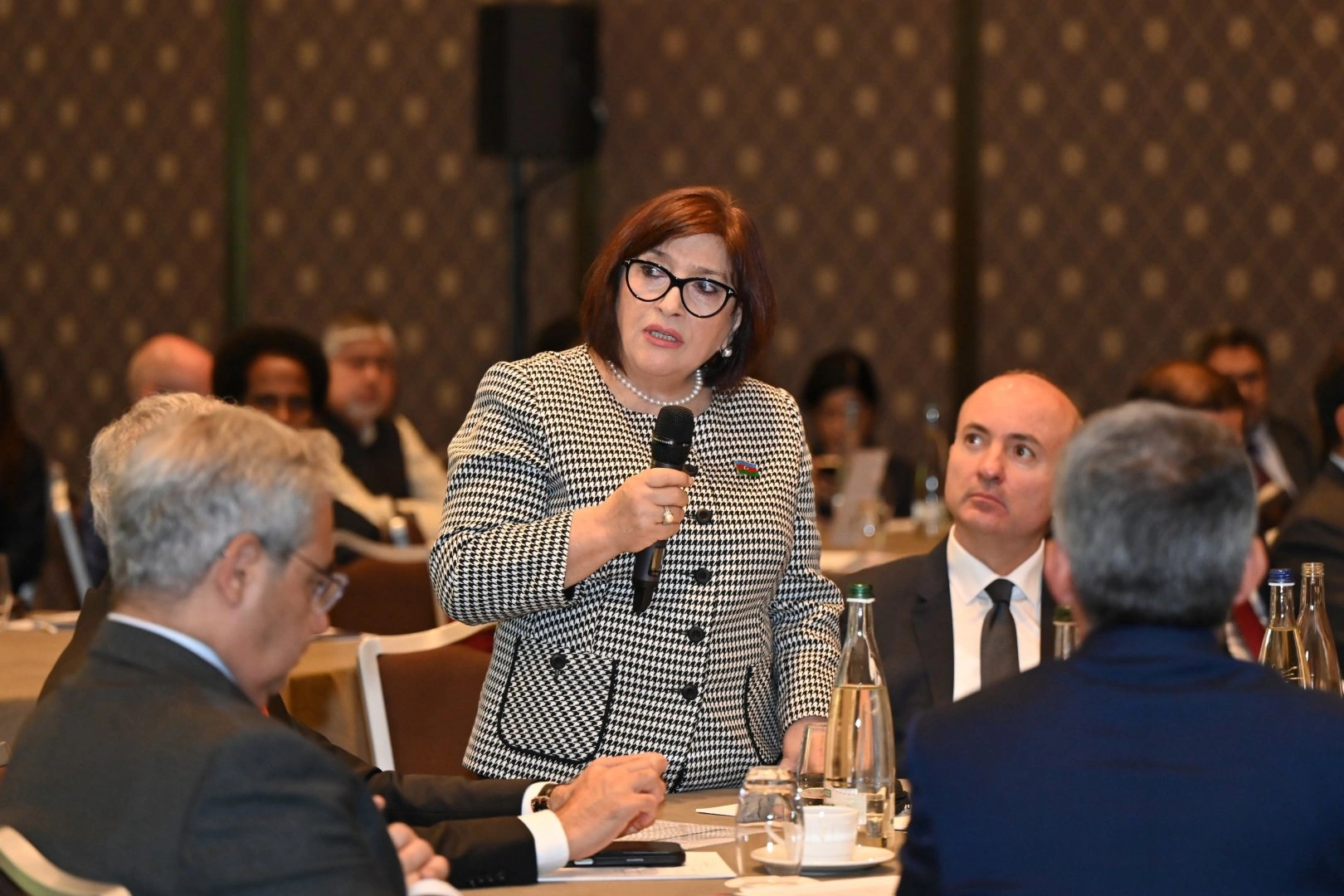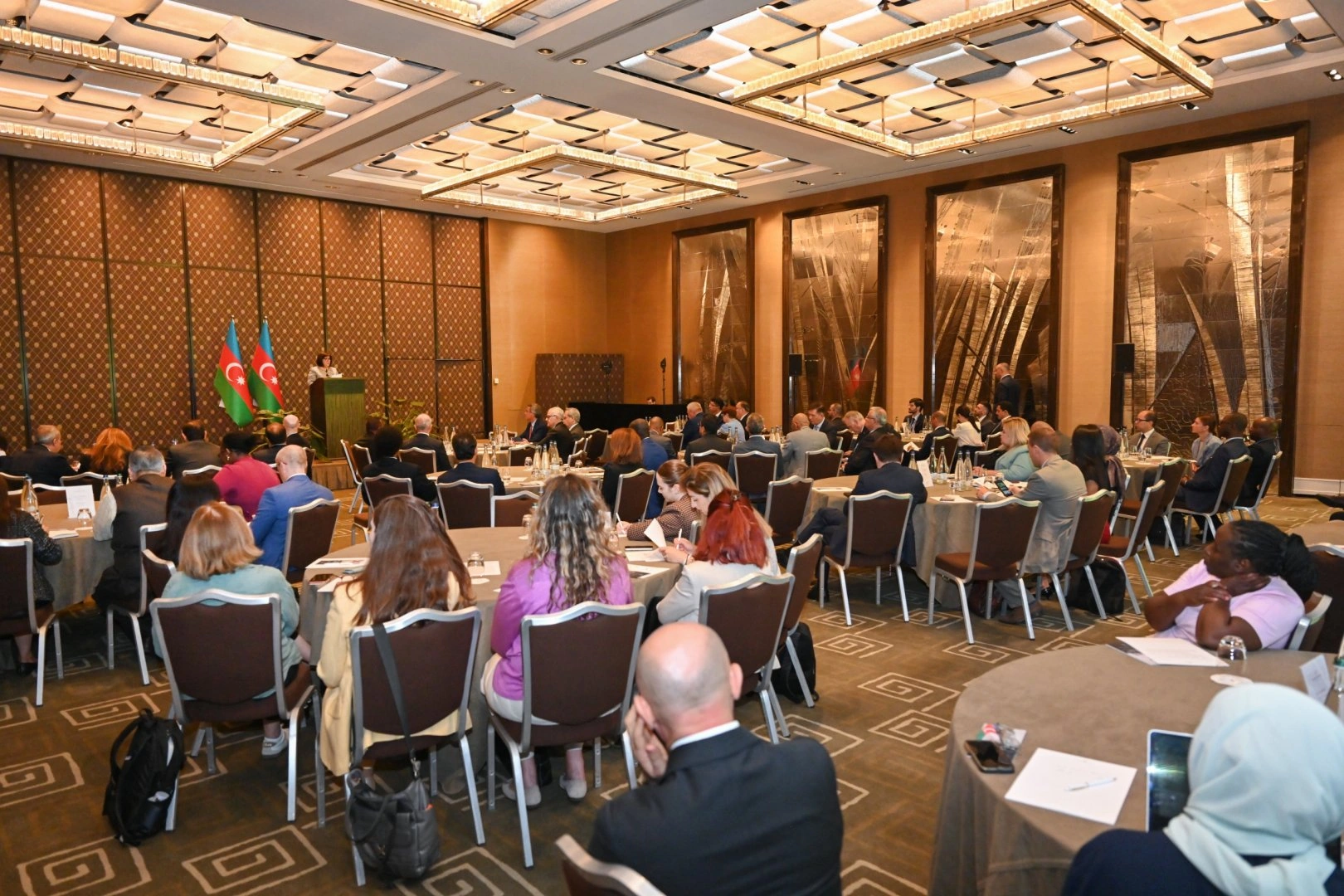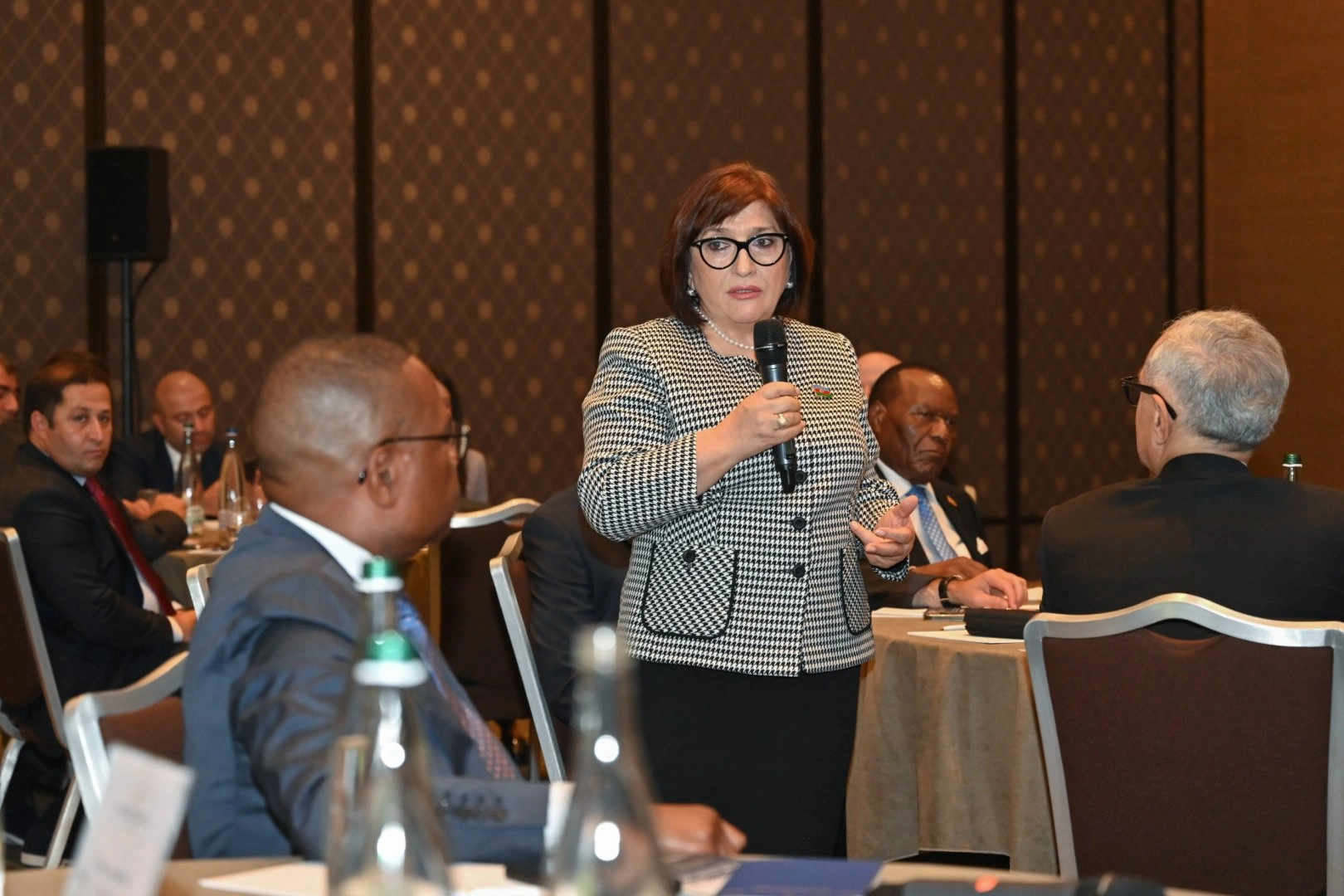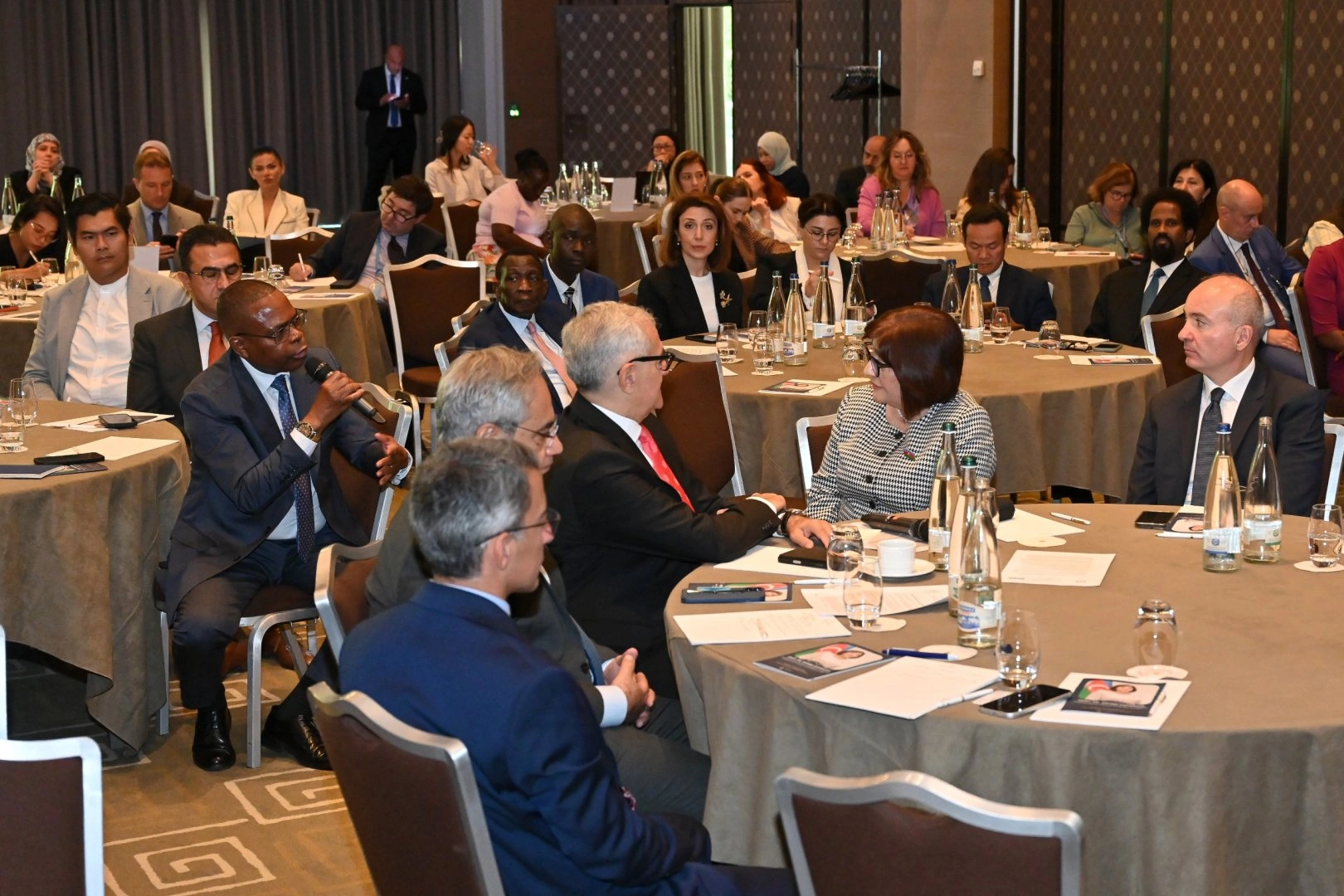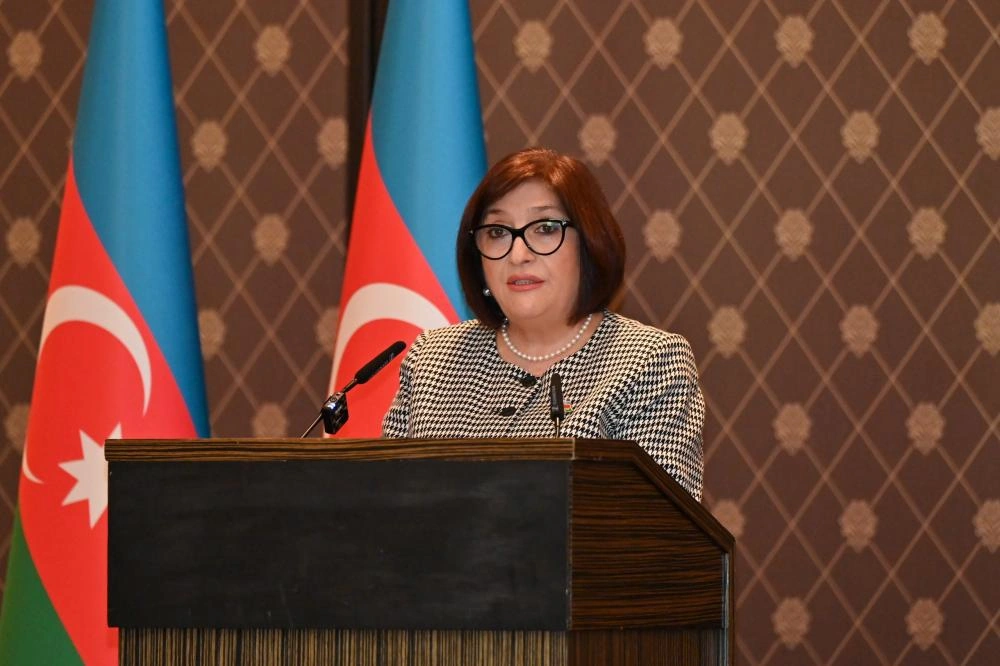
BAKU, Azerbaijan, September 3. Azerbaijani
Parliament Speaker Sahiba Gafarova highlighted the crucial role of
parliamentary diplomacy in Geneva.
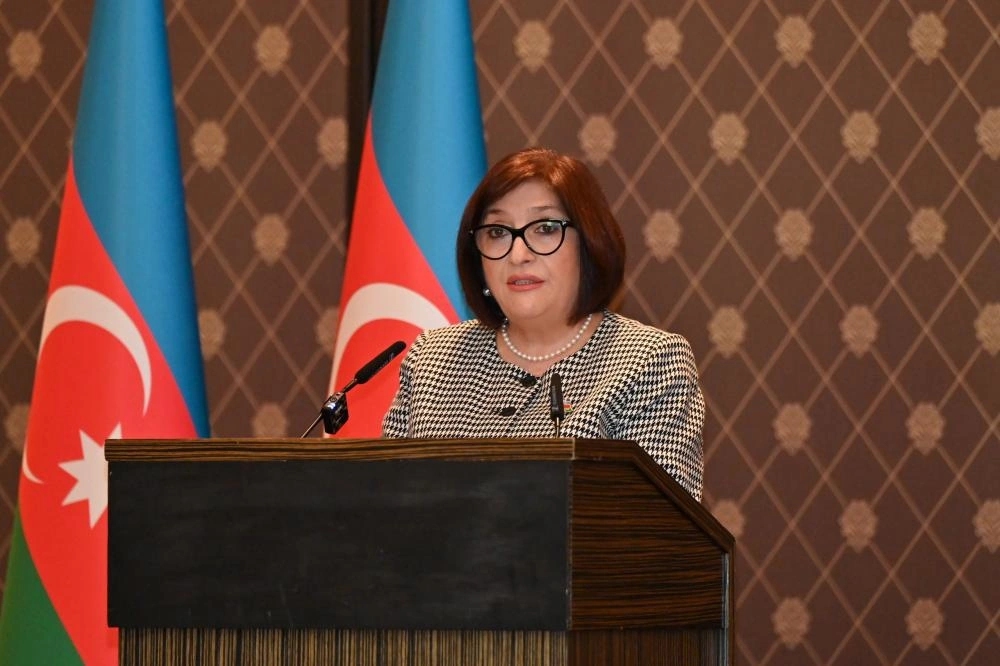
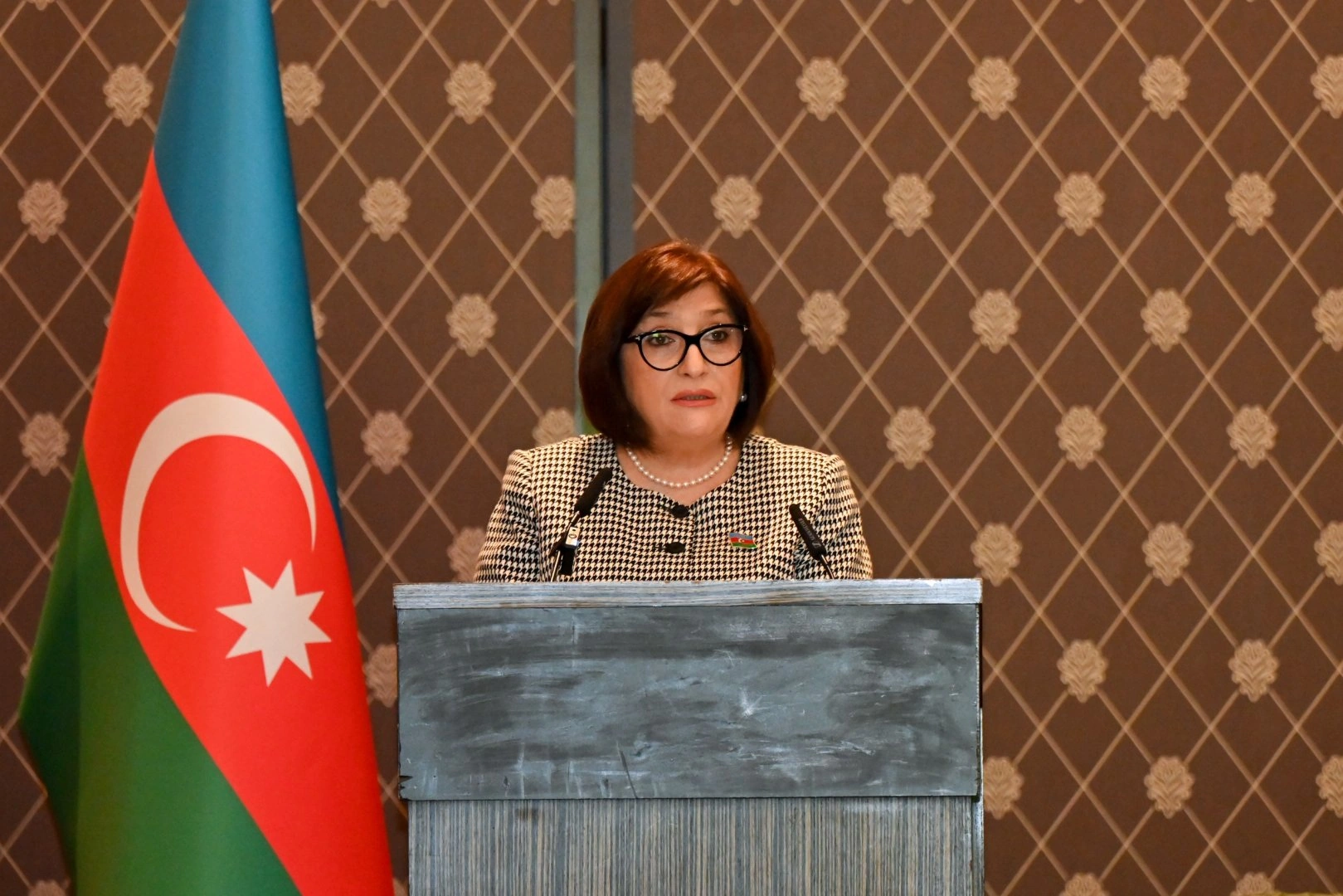
This was reported by the Press and Public Service of the Milli
Majlis (Parliament) of Azerbaijan following Gafarova's speech at a
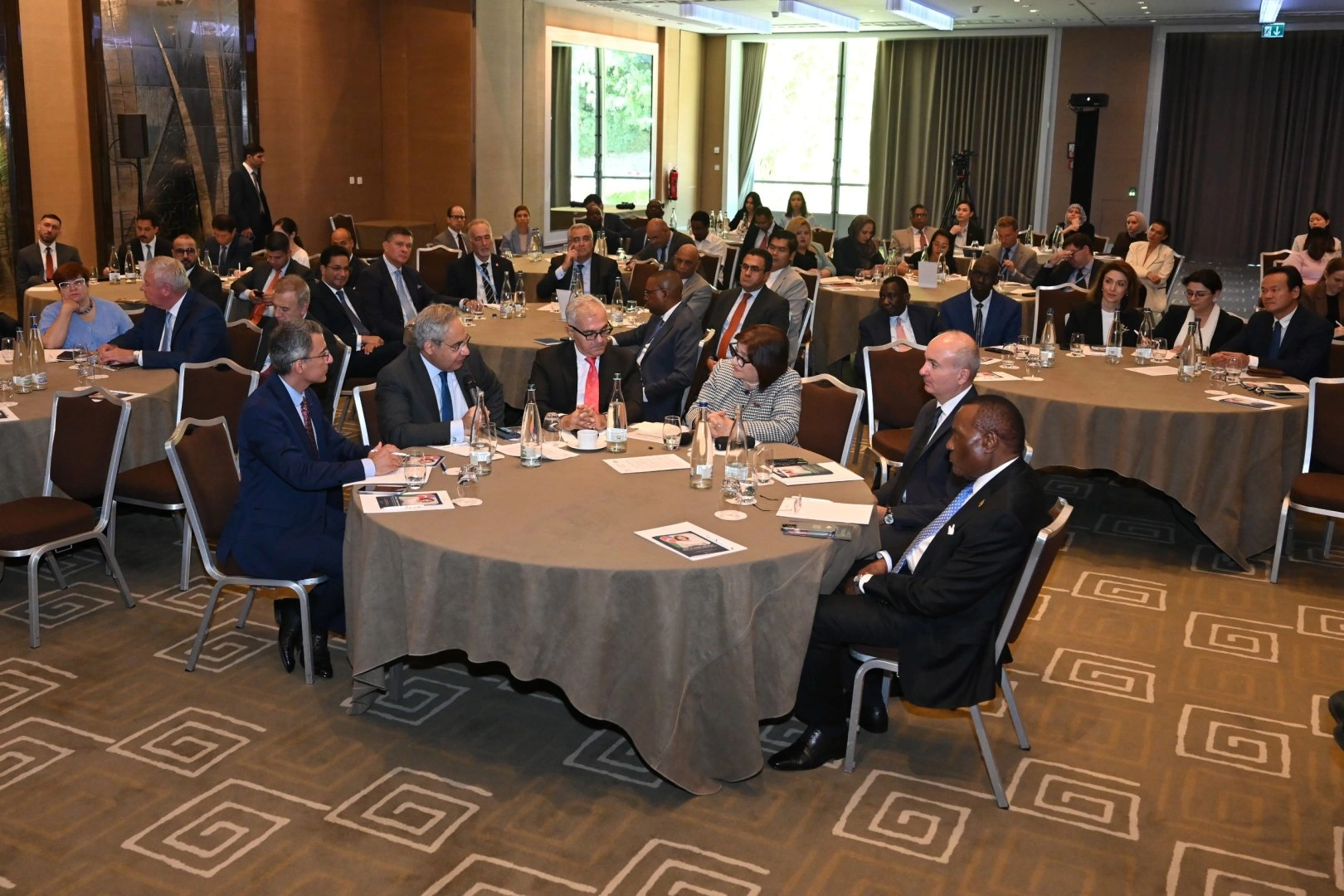
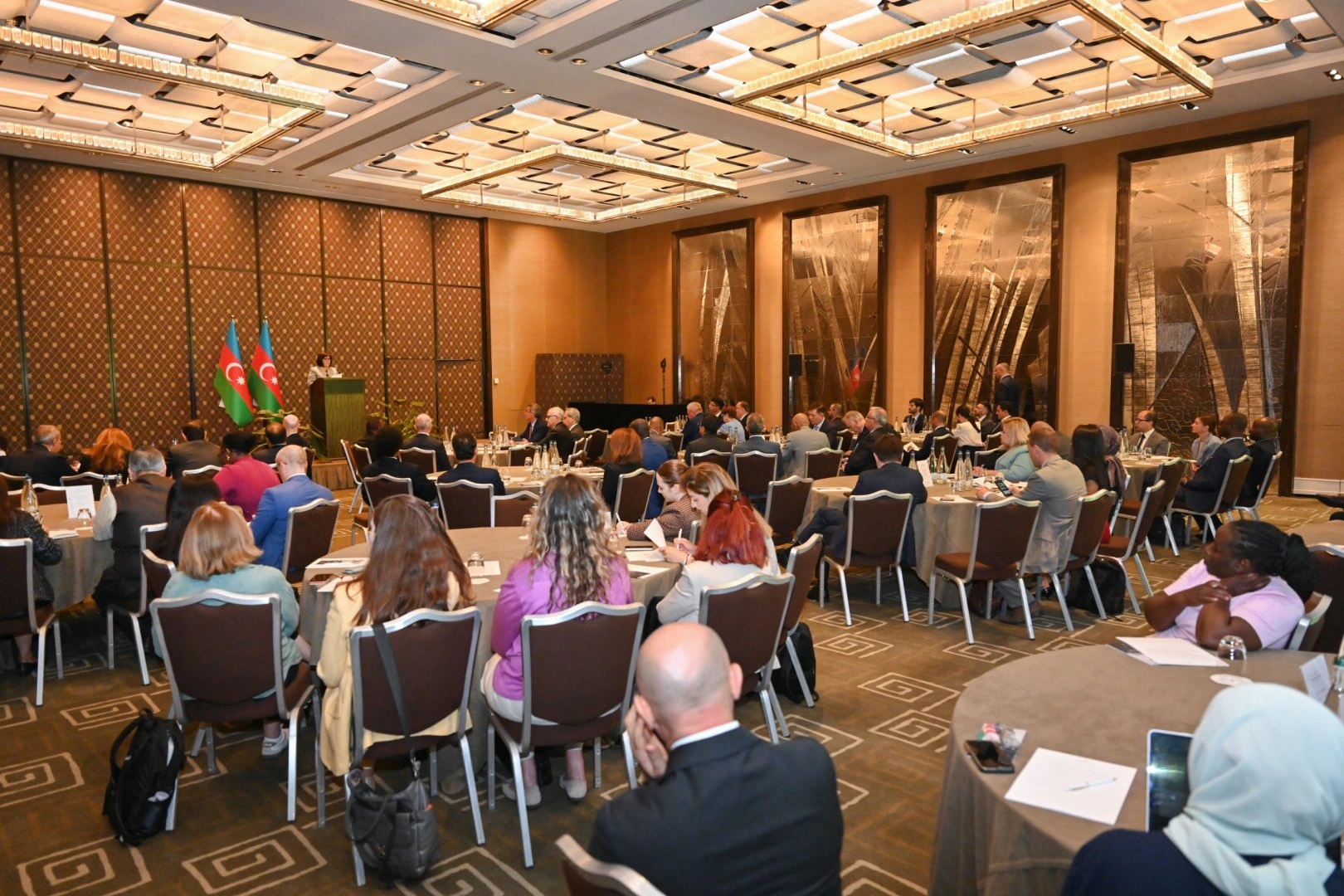
meeting with heads and representatives of the diplomatic corps
based in Geneva, held as part of her working visit to
Switzerland.
According to the report, in her speech, she shared her views on
the expansion of international and regional parliamentary
cooperation, the role of parliamentary diplomacy in the development
of multilateralism, the increasing role of parliaments in the
international decision-making process, and joint approaches to
global challenges.
Gafarova noted that in modern times, challenges such as
conflicts, geopolitical tensions, economic inequality, climate
change, and rapid technological development necessitate closer
cooperation between states within international organizations.
She pointed out that the effectiveness of multilateralism should
be measured not only by the representation of different countries
in processes, but also by the real impact of their priorities on
the formation of decisions. In this regard, it is of great
importance to hear the positions of all regions, ensure equal
participation, and mutual trust.
Speaking about the special role of parliamentary diplomacy in
international relations, Gafarova stressed that parliaments make a
significant contribution to maintaining dialogue, strengthening
mutual understanding, and supporting peace-oriented initiatives in
cases where intergovernmental relations become complicated.
In her speech, she also touched upon the issues of sustainable
development, participation of women and youth in socio-political
life, artificial intelligence and digital transformation, and
economic solidarity.
She noted that strengthening cooperation between international
and regional parliamentary organizations allows for the exchange of
experience, finding joint solutions to common problems, and more
fully reflecting the priorities of different regions on the global
agenda.
Besides, Gafarova spoke about the international activities of
the Azerbaijani parliament and its participation in various
regional and international parliamentary organizations. In this
context, she recalled the activities of the Non-Aligned Movement
(NAM) Parliamentary Network, established in 2021 at the initiative
of the President of Azerbaijan Ilham Aliyev. She pointed out that
during the chairmanship of Azerbaijan in this organization, its
activities have significantly developed, its institutional
structures have been formed, and its relations with regional and
international parliamentary organizations have been expanded, while
the headquarters of the Network has been located in Baku.
She also pointed out that the events held by the NAM
Parliamentary Network brought together more than a thousand
participants, including heads of parliament and deputies from more
than 70 countries.
Gafarova noted that the Inter-Parliamentary Union (IPU) is the
most widely represented international parliamentary organization,
providing the parliamentary dimension of the global multilateral
system in close cooperation with the UN.
The parliament chief further noted that the IPU serves
democracy, parliamentary diplomacy, and strengthening dialogue
between peoples by bringing the voice of elected representatives to
the international decision-making process. She said that the IPU is
an important platform for maintaining open dialogue between
parliaments, strengthening mutual understanding, and supporting
paths to peace. According to her, the main strength of the IPU is
that it allows parliaments with different political systems and
regional views to form joint parliamentary approaches to common
problems by uniting them around an equal dialogue.
Drawing attention to the issue of climate finance, the speaker
noted that this process should be predictable, sustainable, and
accessible. However, according to her, resources should reach those
in need without procedures that make access practically impossible.
She noted that parliaments play an important role in this
process.
Gafarova informed the event participants that COP29, held in
Baku in 2024, is an important platform in this regard. She noted
that COP29 has created an important opportunity for the Azerbaijani
parliament and the IPU to bring together hundreds of
parliamentarians and discuss joint responses to climate change.
The speaker emphasized that the inclusiveness of parliaments
isn't limited to the representation of different social groups and
regions. She announced that true inclusiveness implies ensuring
equal opportunities for participation in the decision-making
process of parliaments. In this regard, according to the speaker,
equal representation should be measured by the ability to set
priorities, shape decisions, and influence decisions made.
She noted that the right to development is also an important
component of an inclusive and fair governance approach. According
to her, each country should have equal opportunities to determine
its development path in accordance with its national priorities and
national realities, to strengthen its economic and institutional
capacity, and to ensure the well-being of its citizens.
The speaker underscored that parliaments make an important
contribution to ensuring the right to development and implementing
the Sustainable Development Goals through legislative activity,
parliamentary oversight of the budget, as well as international
inter-parliamentary cooperation. According to her, from this
perspective, strengthening equal cooperation between parliaments
serves the formation of inclusive development and a more just
system of international relations.
In conclusion, Gafarova emphasized that cooperation aimed at a
common future is one of the main principles of the modern
multilateral system.
The meeting was attended by the Permanent Representative of
Azerbaijan to the UN Office in Geneva and other organizations,
Rovshan Sadigbayli, ambassadors, permanent representatives, heads
of delegations of about 70 countries, and other officials.