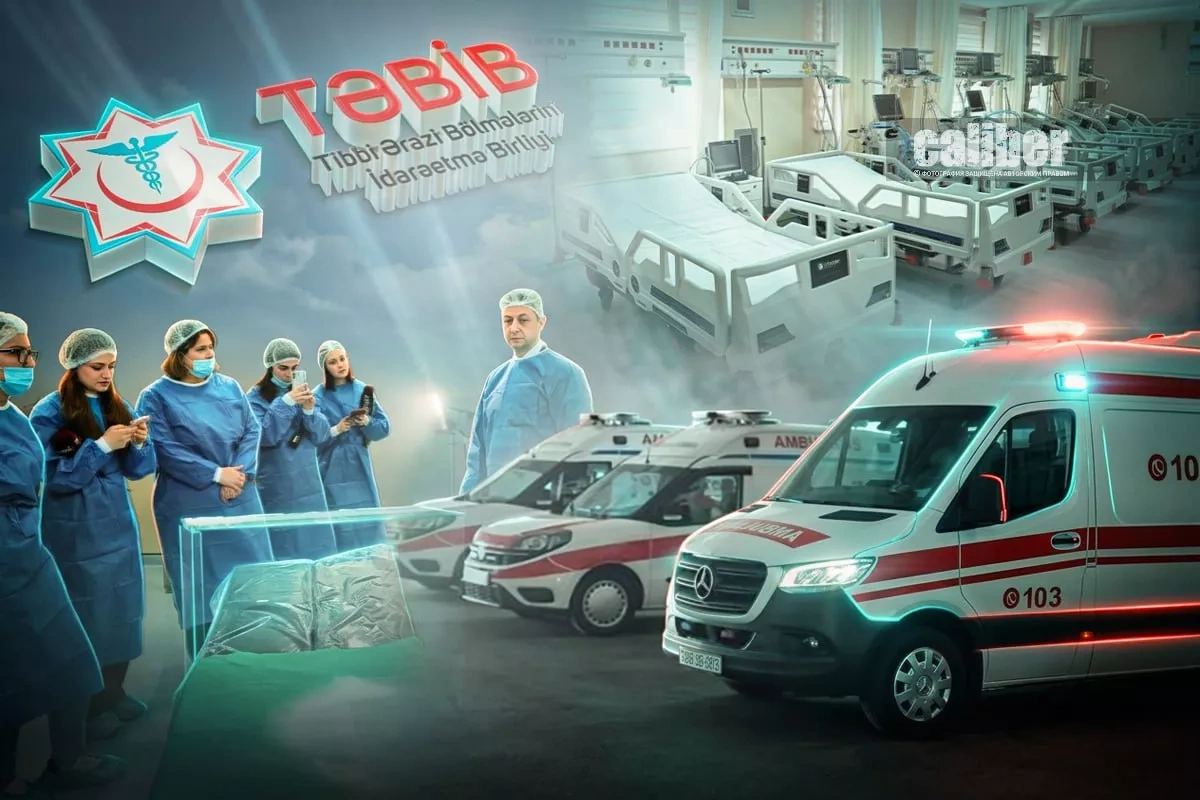
Azerbaijan is raising salaries for tens of thousands of healthcare workers as part of broader efforts to strengthen the country’s public healthcare system and invest in its medical workforce.
The reform covers 72,212 healthcare workers under the Azerbaijani State Agency for Management of Medical Territorial Units (TƏBİB) and increases the sector’s annual payroll fund by 189 million manats (approximately $111.2 million).
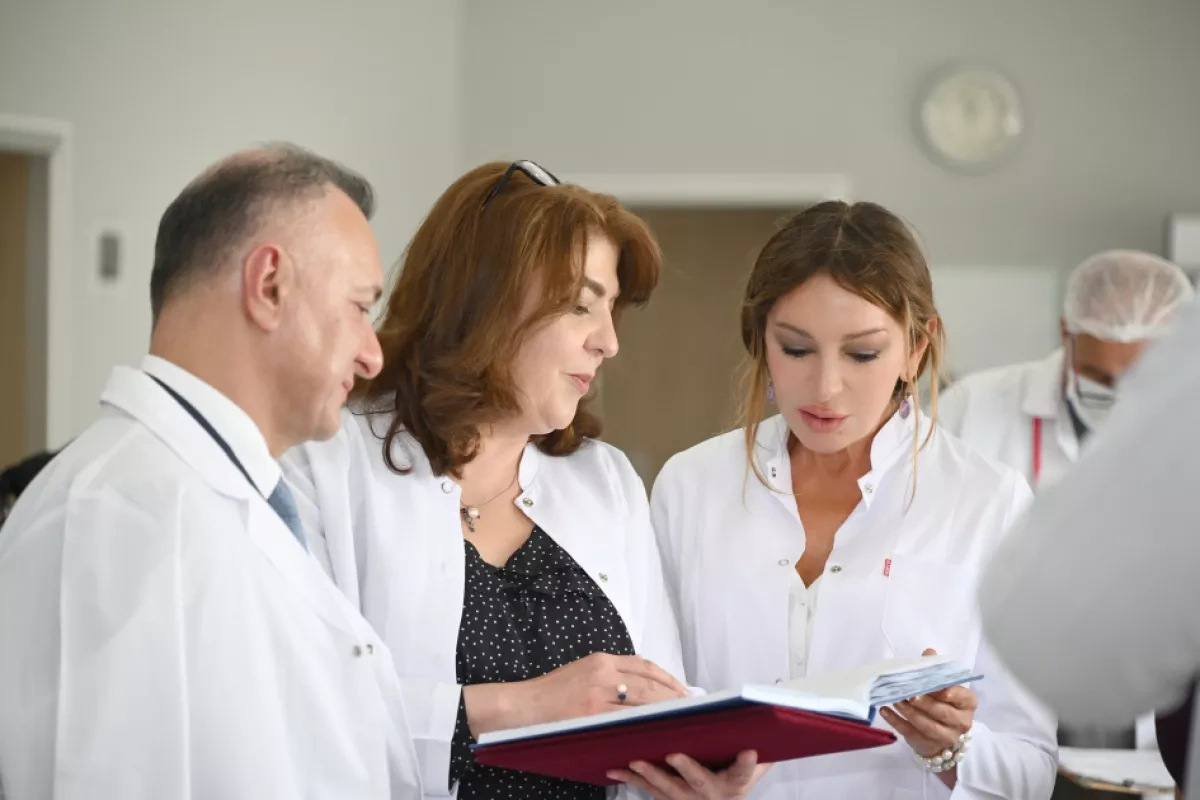
Initiated by First Vice President Mehriban Aliyeva and implemented on the instructions of President Ilham Aliyev, the measure is expected to improve the welfare of healthcare workers and their families while helping attract and retain qualified medical professionals.
What could higher salaries mean for Azerbaijan’s healthcare system in the longer term? We asked members of the Azerbaijan parliament to assess the decision and its potential impact.
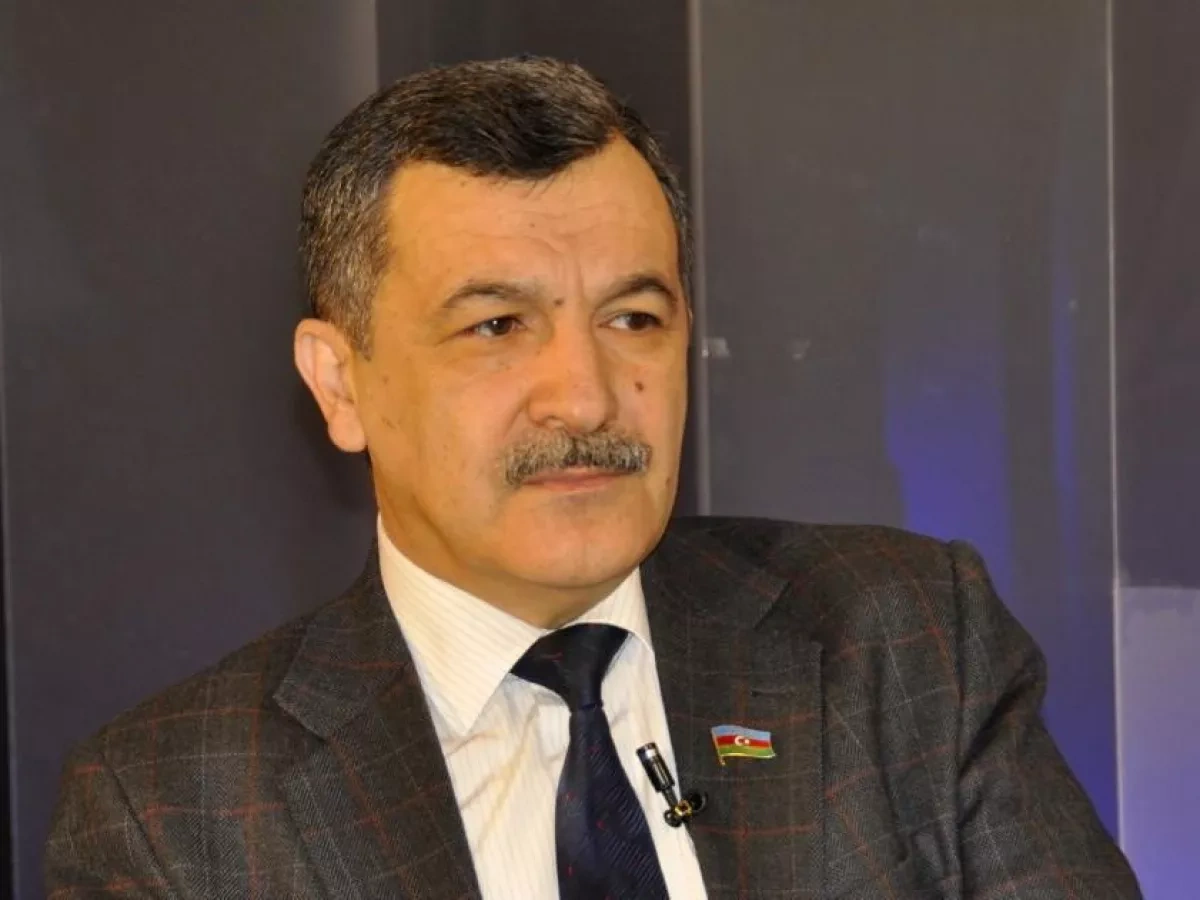
Aydin Mirzazade, Member of the Milli Majlis, member of the Political Council of the New Azerbaijan Party (YAP), expert at the Azerbaijan National Encyclopedia, and PhD in political science:
“The news that healthcare workers’ salaries would be nearly doubled was welcomed not only by doctors themselves but by Azerbaijani society as a whole. Healthcare professionals are the people entrusted with protecting one of the most important things in our lives — our health. Azerbaijani doctors have long distinguished themselves through their professionalism, compassionate approach to patients, integrity and dedication. Discussions on increasing their salaries had been ongoing for some time.
The fact that First Vice President of Azerbaijan Mehriban Aliyeva put forward this initiative, which was subsequently supported by President Ilham Aliyev, demonstrates that issues affecting the country’s social and political life remain high on the state leadership’s agenda. Consistent steps are being taken to strengthen citizens’ social protection, including support for people working in different professions. As state budget revenues grow, salaries and pensions are being increased, additional measures are being introduced to support vulnerable groups, and the overall well-being of the population is improving.
Of course, Azerbaijan is currently allocating substantial resources to the reconstruction and restoration of territories liberated from decades of occupation. More than 40,000 former internally displaced persons have already returned to these areas, while the total population living there has surpassed 100,000. Nevertheless, as the capacity of the state budget continues to expand, salaries and pensions will also continue to rise.
I am confident that whenever economic conditions permit, the state will continue to strengthen social support for different segments of the population, including our highly respected healthcare professionals.”
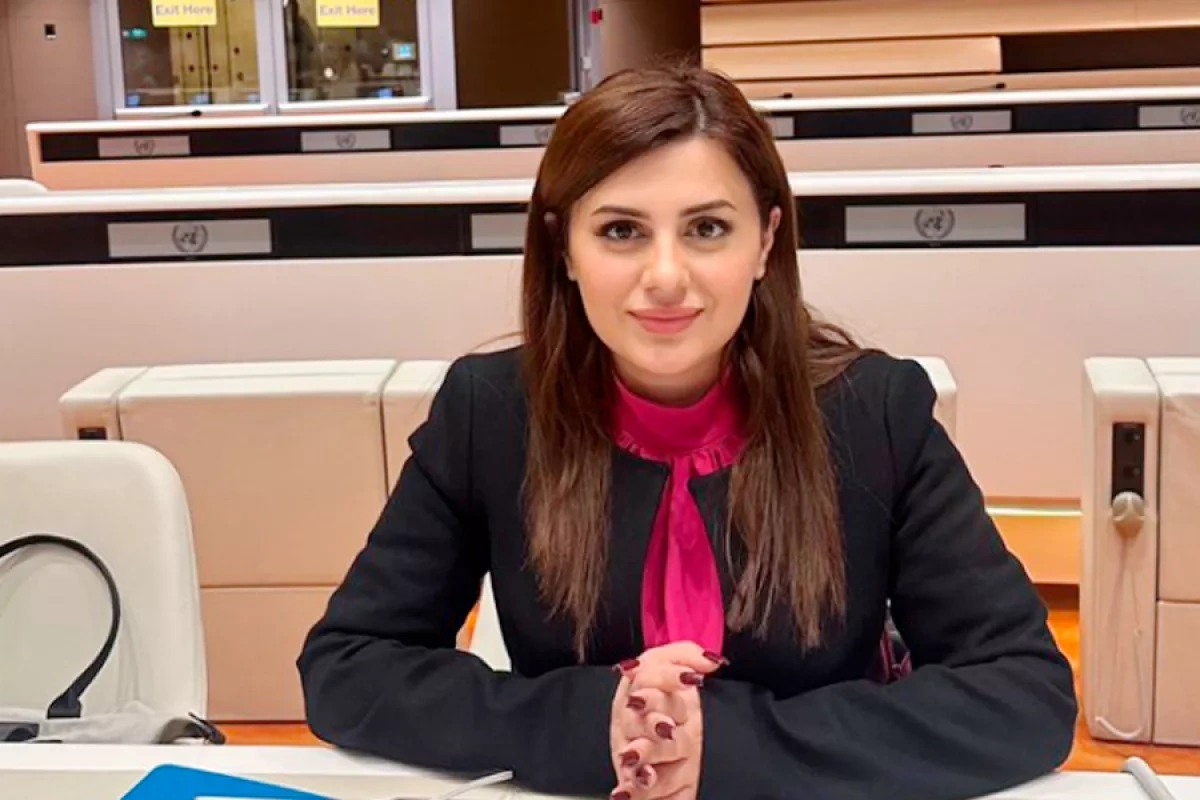
Parvana Valiyeva, member of the Milli Majlis Standing Committee on Health:
“Raising salaries is about far more than simply increasing figures on a payslip. The decision is strategically important for addressing some of the healthcare sector’s long-standing challenges, particularly the shortage of medical professionals and the need to attract young specialists to the country’s regions. This, in turn, will help improve access to healthcare services.
The new remuneration conditions will make careers in medicine and nursing more attractive and could encourage more specialists to work in the regions. By strengthening the sector’s human capital, the measure can lay the foundation for more sustainable development of Azerbaijan’s healthcare system.
At the same time, behind every doctor and nurse is a family. Strengthening the social and economic standing of healthcare workers therefore has a direct impact on their motivation and, ultimately, on the quality of care provided to patients.
Professional, motivated and socially secure doctors and nurses are the foundation of an effective healthcare system. Therefore, the salary increases are not merely a sign of the state’s attention to healthcare workers; they also provide an important impetus for further strengthening the sector as a whole.”
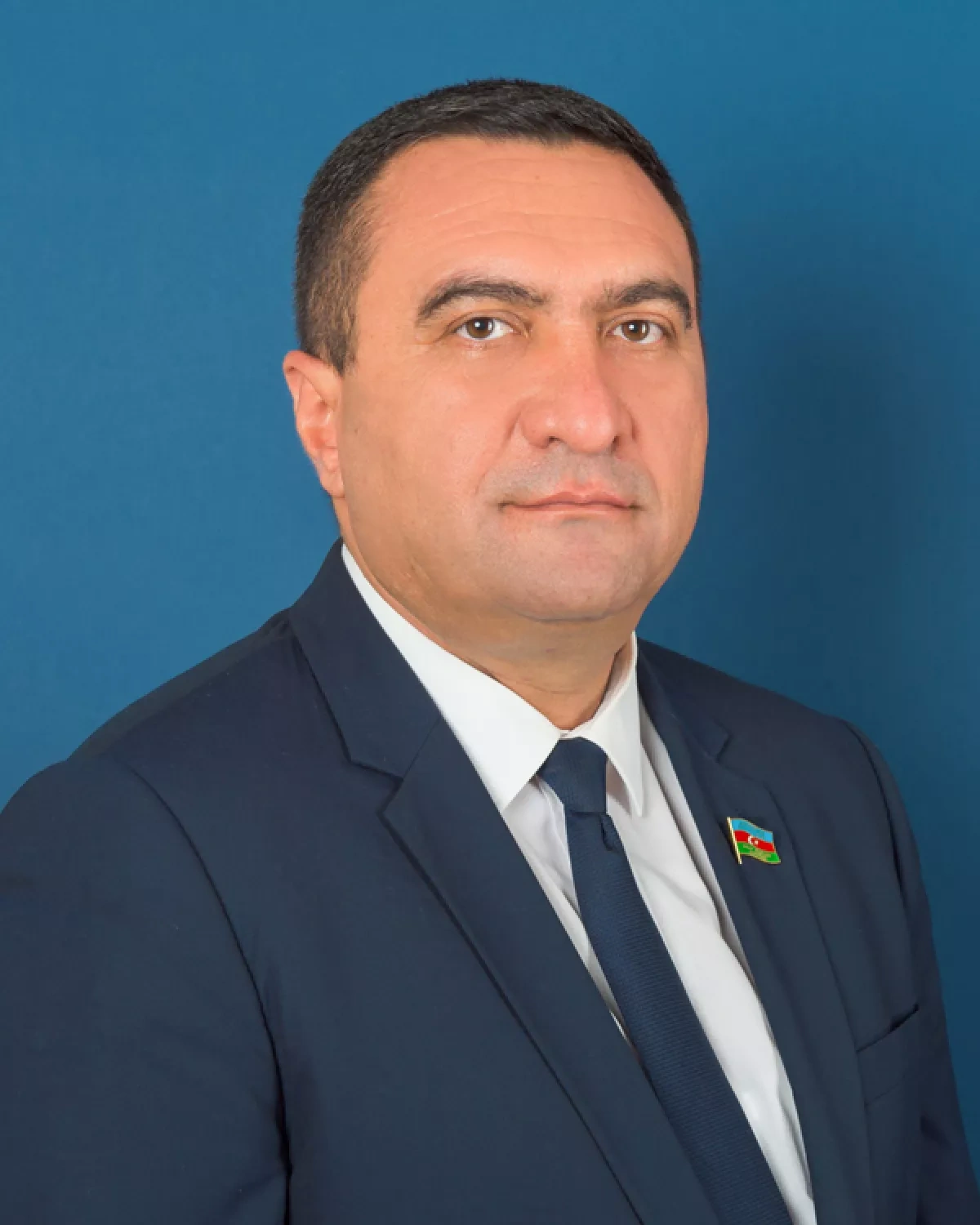
Mushfig Mammadli, member of the Milli Majlis Standing Committee on Health:
“When discussing the salary increases for more than 72,000 healthcare workers, it is important to consider not only the direct beneficiaries but also the improved social well-being of their families. In effect, the measure will benefit hundreds of thousands of people. However, its significance goes far beyond this.
The initiative put forward by First Vice President Mehriban Aliyeva will help raise the prestige of the medical profession and attract better-educated and more highly qualified specialists to the sector. No matter how many new hospitals are built, how modern their equipment is, or how advanced medical protocols become, doctors and nurses will remain the foundation of quality healthcare.
Strengthening the financial motivation of healthcare professionals is particularly important for addressing the shortage of medical personnel in the regions and making employment in public healthcare facilities more attractive. At the same time, qualified specialists should have clear opportunities for career advancement, while their professional performance should be assessed transparently and objectively.
For these reasons, I consider First Vice President Mehriban Aliyeva’s initiative, along with President Ilham Aliyev’s decision to support it, a strategic step toward further strengthening Azerbaijan’s healthcare system.”
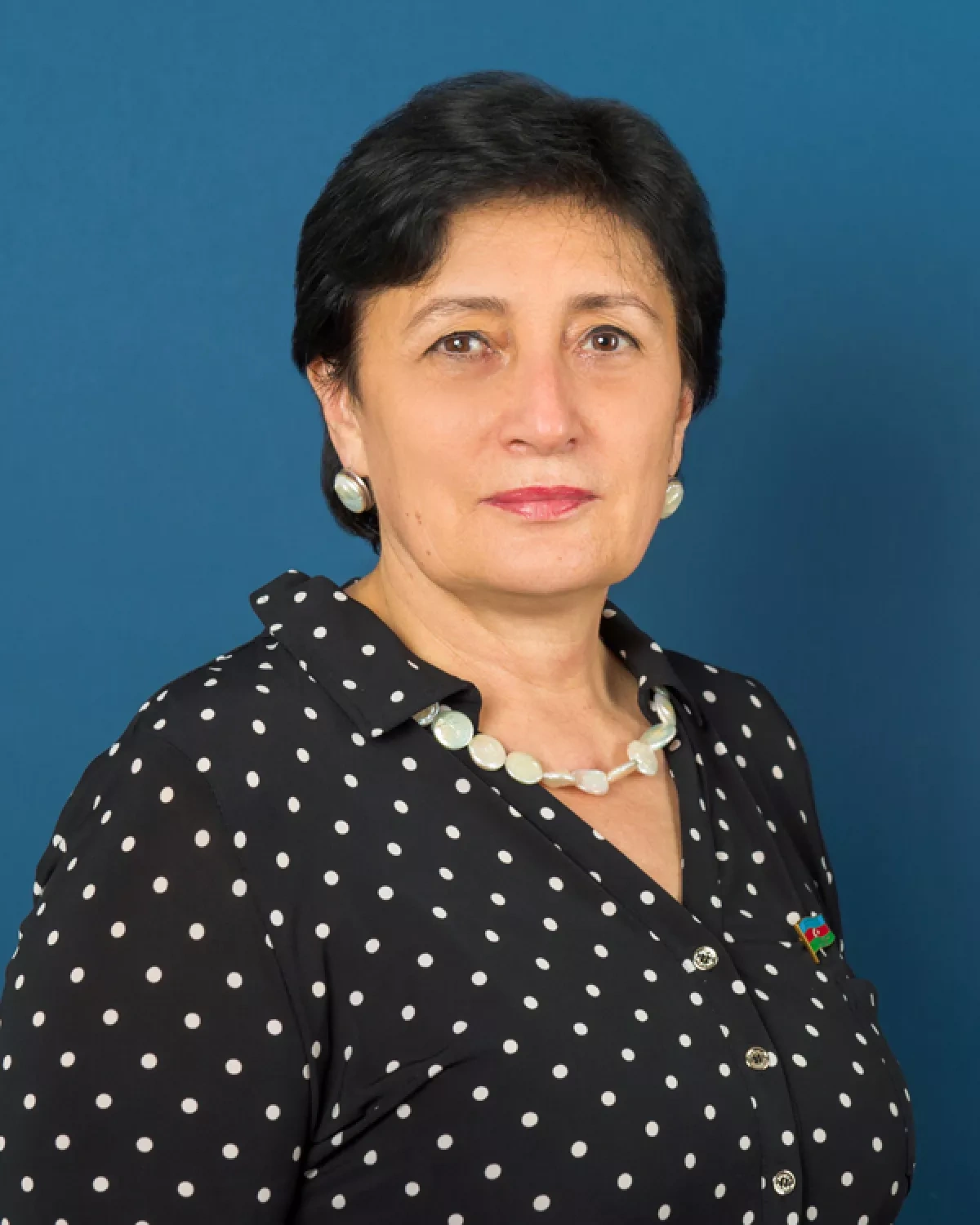
Malahat Hasanova, member of the Milli Majlis Standing Committee on Health:
“The initiative put forward by First Vice President Mehriban Aliyeva to increase the salaries of healthcare workers under TƏBİB is an important step toward improving the financial well-being of medical professionals and strengthening the human resources base of Azerbaijan’s healthcare system. It forms part of the broader social policy pursued by the state under President Ilham Aliyev, with the aim of improving the welfare of citizens.
Further improving the quality of healthcare services requires strengthening the sector’s human resources, particularly in the regions. Social well-being, job satisfaction and recognition of the profession have a direct impact on healthcare workers’ motivation. At the same time, greater state support also places greater responsibility on medical professionals to ensure the quality of the services they provide.
Human capital is one of the healthcare sector’s most valuable resources. Training a qualified doctor or nurse can be more difficult and time-consuming than building a new medical facility or purchasing modern equipment. For this reason, raising salaries should be viewed as an investment not only in the present, but also in the future of the healthcare system.
I am confident that efforts to strengthen the social standing of doctors, nurses and other healthcare professionals will continue. The care and support provided by the state should, in turn, be reflected in higher-quality, more professional and more responsible healthcare services.”