BAKU, Azerbaijan, January 17. Azerbaijan's
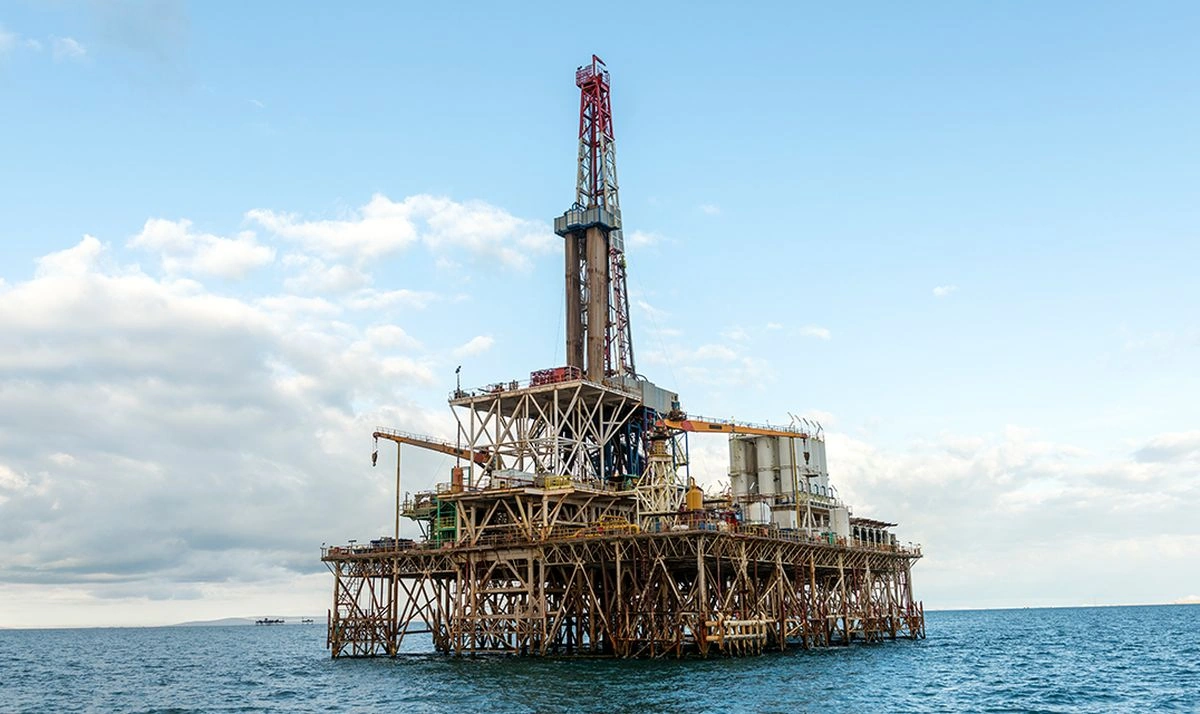
economy is gradually adjusting to lower hydrocarbon production, but
continued reliance on oil revenues leaves growth exposed to risks
from volatile oil prices and production challenges, while if trade
and investment shift toward the region, it could also open up new
opportunities for the country's economy, Anna Rose Bordon, head of
the International Monetary Fund (IMF) mission in the country, told
Trend.
"Other risks include heightened geopolitical and policy
uncertainty, which could lower global growth and hydrocarbon
prices, weakening growth in Azerbaijan. Conversely, the
intensification of conflicts could push hydrocarbon prices up,
providing a temporary boost to the Azerbaijani economy," she
said.
According to the mission head, looking beyond the near-term
outlook, deepening global geo-economic fragmentation and trade
disruptions could make it harder for countries to diversify their
economies. "In the long term, achieving sustainable growth will
heavily depend on deepening economic diversification, strengthening
fiscal discipline, and improving the business environment to
support private investment," Bordon added.
Data from the Central Bank of Azerbaijan (CBA) shows that the
country's real economic growth in 2026 will be 2% for total GDP and
4.4% for the non-oil and gas sector.
According to forecasts, the oil and gas sector will harm overall
GDP growth in 2026, while the non-oil and gas sector will
contribute to growth.
The CBA said that although the stimulating effect of household
consumption on the non-oil and gas sector will moderate slightly, a
positive impact from fixed asset accumulation is expected.
The oil and gas sector is projected to experience a real GDP
decline of -0.2% in 2025 and -2.4% in 2026.